
Dust, denim, and a chorus that never stops
You push through a crowd at a rodeo arena just after sundown. The dirt underfoot still holds the afternoon’s heat. Someone hands you a plastic cup of cerveja; a duet you’ve never heard before is halfway through a chorus and everyone around you knows every word. That moment—equal parts raw country nostalgia and pop production—is the best short description I have for brazil’s sertanejo festivals. I’ve been to Barretos at midnight and to a sold-out stadium show in Goiânia at noon. Each one feels familiar and brand-new, like a dance where the steps change but the heart stays the same.
What sertanejo actually is (and why it’s not just “Brazilian country”)
Sertanejo started in the rural interior—the sertão and small towns where the viola caipira and storytelling were the musical lifeblood. Think of songs about work, longing, faith, and hometown pride. There’s a clear through-line from the older style (often called sertanejo raiz, or “root” sertanejo) to today’s biggest acts.
But don’t flatten it into a single sound. The modern wave—sertanejo universitário—incorporates pop, eletrônico, and romantic balladry. It’s what turns a countryside lament into a festival anthem, with slick production, big choruses, and staging that borrows from pop and EDM events. You’ll hear acoustic, twangy numbers between arena-sized bangers. That blend is what fills stadiums and turns a rodeo into a weeklong cultural event.
Big names and big stages: festivals you’ll actually want to plan for
There are a few festivals that any foreigner serious about experiencing sertanejo should know. Each has its own vibe, and each draws a slightly different crowd.
Festa do Peão de Barretos (Barretos Rodeo Festival)
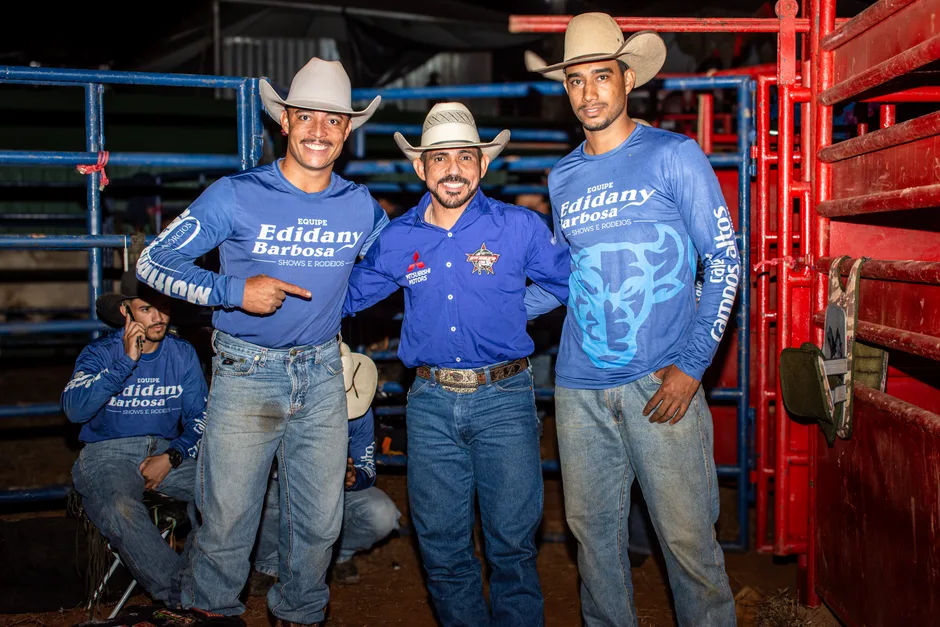
If you want the archetype—rodeo, cowboys, and non-stop sertanejo—the Barretos festival is it. The arena, in the interior of São Paulo state, feels like the spiritual home of sertanejo’s rodeo connection. Expect rodeo competitions, big-name performances, and a crowd that mixes traditionalists with young fans who came for the music and stayed for the atmosphere. If you go, arrive early for the day shows to watch the rodeo and linger until the headline acts after dark.
Villa Mix and touring mega-fests
Villa Mix started as a massive festival concept that frequently puts sertanejo acts on stadium-sized stages. It operates like a rolling showcase, sometimes popping up in different cities with huge production values: lighting, pyrotechnics, and multiple headline acts across genres. If you want the polished, pop-leaning side of sertanejo with comfortable VIP options, this style of festival is for you.
Festeja and the city tours
Festeja is closer to a touring circus of sertanejo superstars. It goes to major cities and brings an evening of back-to-back hits. The crowd skews younger and more urban—people wearing sneakers and festival wristbands rather than cowboy boots. It’s one of the easiest ways for visitors based in São Paulo, Rio, or Belo Horizonte to catch multiple big names in a single night.
Jaguariúna and other rodeo circuits
Places like Jaguariúna, Americana, and other mid-sized towns in São Paulo and Goiás host rodeo festivals that are less tourist-heavy than Barretos but very authentic. Local audiences, smaller venues, and surprising lineups make these events excellent if you want a more intimate feel without sacrificing the big shows.

What to expect inside the venue (and what “pista” vs “camarote” really means)
Brazilian festival ticketing uses terms you’ll see again and again. Pista is the general standing area—close to the stage if you arrive early and don’t mind a lot of movement. Arquibancada means bleachers or seated stands: good for people who want a view without the crush. Camarote is the elevated private box—often with a bar, seats, bathrooms, and sometimes an open bar during the show. VIP is self-explanatory but varies wildly in what it includes.
Shows often have long opening acts and a late finish. Headliners can hit the stage around 11 p.m. or even later at rodeo festivals. If you’re after the big names, expect to be at the venue for several hours—plan bathroom breaks and food runs accordingly.
How to dress (yes, you can wear a cowboy hat—and no, you won’t be judged)
There’s a spectrum. At Barretos and similar rodeos, you’ll see traditional cowboy boots, hats, and bolo ties alongside jeans and button-down shirts. At urban festivals, trainers and festival-style casual rules the day. Practical advice from my own trips: wear comfortable shoes for standing on uneven ground, bring a light jacket if the night cools, and don’t forget sunscreen for daytime events. If you want to blend in, a decent pair of jeans and a neat shirt will do the trick.
Food, drink, and treating your body like a pro
Festival food in Brazil runs the gamut: churrasco stands with skewers, pão de queijo, pastel stalls, and beer tents. Many venues accept cards, but small vendors may take cash only—carry a bit of cash for that pastel you’ll want at midnight. Stay hydrated. Brazilians drink beer with a zeal unmatched anywhere else, but water at intervals keeps your energy up. If you’re planning on VIP with open-bar perks, remember that open bar doesn’t mean skip water—your head will thank you the next morning.
Language and social tips for foreigners (the small things that matter)
The chorus culture is the most striking. People know lyrics and harmonize, and it’s common to be invited into a singalong even if you’re an outsider. Saying a few words in Portuguese opens doors: practice “bom dia” (good morning), “boa noite” (good evening), and “obrigado/obrigada” (thank you—male/female speaker). If you don’t speak Portuguese, smile and laugh; Brazilians are forgiving when you try.
Etiquette: Brasilans can be physically warm—expect hugs and close conversations. If you’re in a packed pista, keep your bag small and close to your body. In a camarote, a friendly nod and raising your cup says more than trying to shout over the music.
Safety and practical travel logistics
Brazilian festivals are joyous, but they’re large public events—use common sense. Keep valuables hidden, travel in groups when possible, and use official taxis or licensed ride-hailing apps at night. Plan how you’ll get back to your accommodation: in big cities there’s usually a reliable mix of metro, rideshare, and official taxis; in smaller towns you may need to book a transfer in advance or rely on local buses that run late into the night during festival season.
Tickets, scalping, and official channels
Buy from official ticketing partners listed on the festival’s website or from verified vendors. Scalped tickets and fraudulent listings are real risks for popular dates. Many festivals have several phases of sales with different perks—early bird, regular, and VIP packages—so if you’ve settled on a date, book sooner rather than later.
When to go: picking the right festival for your travel plans
Choose priorities. If you want that cowboy-and-rodeo immersion, pick Barretos or Jaguariúna. If you prefer a polished, stadium-sized night with big production, pursue Villa Mix-style events. For a compact, city-center night of back-to-back chart-toppers, Festeja stops are ideal.
Timing matters for travel logistics. Weekend events in major cities are easy to pair with a short trip; rodeos in smaller towns often run multiple days, which is great if you want to make a mini-vacation of it—ask local hotels about festival packages or book early because rooms fill fast.
Sound, dance, and what people actually do at a sertanejo festival
Expect a mix of standing-and-swaying ballads and full-on dance numbers where the crowd jumps in synchronized moves. Many sertanejo duos sing call-and-response refrains that turn the audience into an instrument. Dance styles range from gentle swaying during the slow songs to bouncy, rhythmic steps during the party anthems. If two people on stage are harmonizing with a single guitar, it can feel like the entire crowd becomes a choir.
How festivals changed the music—and how the music changed festivals
Festivals have pushed sertanejo from radio-friendly hits into a stadium culture. Younger acts embraced pop hooks and electronic production to win festival stages, while older artists adapted with updated arrangements and guest features. The result: festivals that showcase a broad spectrum—old-fashioned folks with viola caipira alongside young pop-sertanejo singers backed by huge light rigs. That collision is exactly why the festivals feel alive; they’re wrestling with history and commerce on the same stage.
Going local: smaller festas that give you a truer slice of regional life
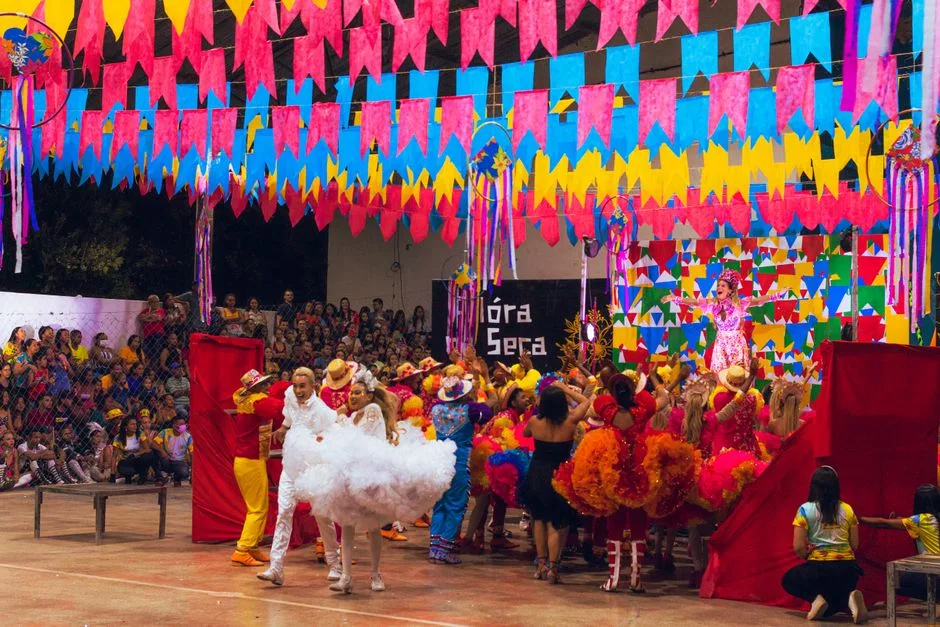
Big festivals get the headlines, but the most memorable nights for me have been smaller municipal festas and June festivals (Festas Juninas) where local sertanejo acts perform between folk dancers and street food stalls. Those gigs are low-cost, intimate, and give you a chance to practice Portuguese and dance with locals without the tourist bubble.
Photography, recording, and respecting performers
Photographing at festivals is common. If you’re up close, be mindful of flash during intros and don’t block others’ views—small courtesies go a long way. Many performers encourage fan recordings, but be conscious of the size and duration of your videos: record clips rather than full songs so the music experience remains communal instead of filtered through a screen.
Budgeting and money-saving tips
Tickets vary widely. If you’re on a budget, aim for arquibancada or early pre-sales. For food, opt for local stalls outside the main entrance where prices tend to be lower and portions generous. Consider staying in a guesthouse or pousada a short drive away instead of the pricier downtown hotels during festival week—less expensive, and often run by families who know the best local festival tips.
How to pick your first festival — a practical, no-nonsense checklist
- Decide which vibe you want: rodeo + tradition or pop + production.
- Check official festival pages for dates and ticket tiers; buy early.
- Book accommodation and transport as soon as you buy tickets.
- Pack essentials: ID, a small amount of cash, sunscreen, earplugs, and a portable charger.
- Learn a handful of Portuguese phrases to connect with people.

Local stories: a couple of quick moments that stick with me
I’ll never forget a night in a packed arena where a small-town singer invited his graduating class onstage—no rehearsal, no PR team, just real joy. The chorus drowned out the PA and I realized the song mattered because it contained a whole town’s memory. Another time, at a touring festival in a coastal city, two strangers who’d never met hugged and cried mid-song because a lyric cut through both of their backstories. That’s the weird, human currency of these festivals: music meets memory, and the whole crowd is the witness.
Final, concrete advice before you buy that ticket
If you only go to one festival in Brazil and you want a full-on sertanejo experience, aim for Barretos for the rodeo culture or a major Villa Mix-style show for the pop-sertanejo spectacle. Bring sensible shoes, hydrate, and learn “vamos cantar” (let’s sing) if you want to join in. Book early, choose official vendors, and be ready to stay late—the best shows begin when everyone else thinks the night is over.
At the gate, once the first chorus sweeps the crowd and strangers are singing like they were born with the lyrics, you’ll understand why sertanejo festivals feel like both a hometown reunion and a modern pop concert. That’s the point: to make you feel at home while you’re decidedly not at home. Buy the ticket. Show up. Sing.