

- Why Chapada feels different from other treks
- When to go and how the seasons shape your trek
- Picking the right base: where to stay and why it matters
- Route selection for first-timers: manageable but unforgettable
- Essential gear: what really matters on these trails
- Guides, permits and local regulations
- Sample itineraries: realistic plans for 3, 5 and 7 days
- Three-day starter
- Five-day balance
- Seven-day immersion
- Navigation and timing: how to judge trail difficulty
- Food, water and where to refuel
- Safety: realistic risks and how to manage them
- Local culture and etiquette: how to be a considerate visitor
- Training and conditioning before you go
- Packing checklist you can actually use
- Keeping your carbon footprint low
- Final advice for your first Chapada trek
- Further resources and next steps
Chapada Diamantina: The Ultimate Trekking Guide for First Timers
Why Chapada feels different from other treks
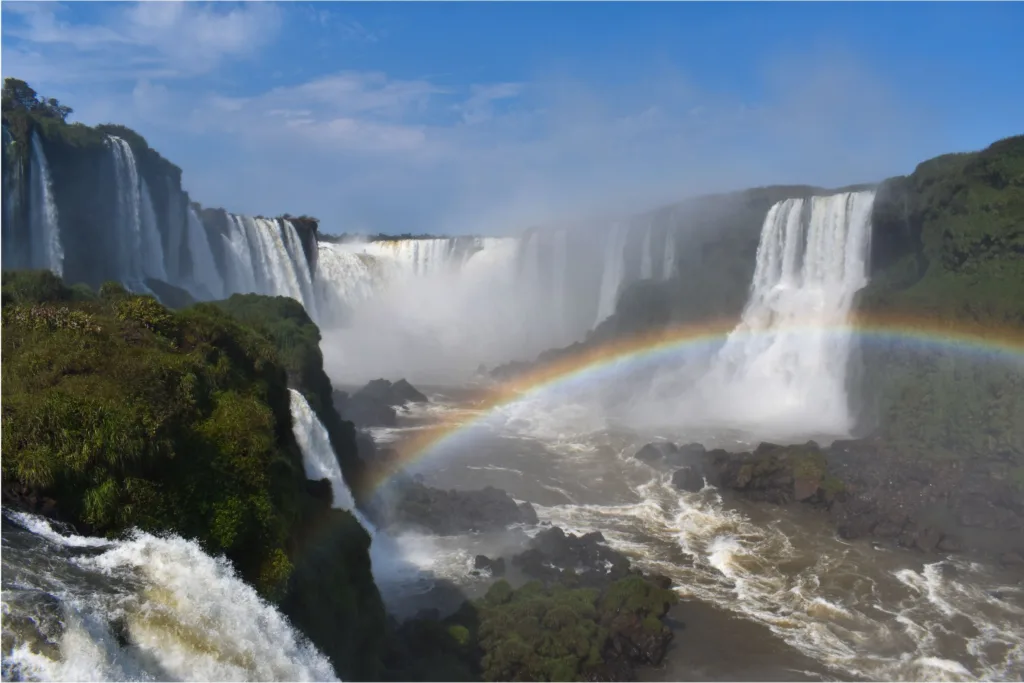
Chapada Diamantina doesn’t try to be alpine Europe or the Andes. It brings a distinct kind of freedom: a tabletop world of plateaus, dry-season emerald pools, sheer canyon walls and rock arches that frame the sky. Trails move between open, sun-swept ridges and unexpected, cool microclimates in caves and glens. That contrast—hot sun to refreshing plunge pools in an hour—changes how you plan, pack and move.
When to go and how the seasons shape your trek
Timing matters more here than altitude. The dry season—roughly May through September—gives you clear trails, reliable water in the main springs and the best swimming conditions. Rivers are lower; visibility in the blue pools improves. Rainy months refill waterfalls to thunderous levels but make some canyons slick and dangerous and turn dirt tracks into sticky clay.
Early morning starts are your ally year-round. Temperatures rise fast on the plateaus; mornings offer cooler air and fewer crowds at the iconic viewpoints.
Picking the right base: where to stay and why it matters
Lençóis is the main gateway for most visitors: a charming town with guesthouses, restaurants and a very practical visitor vibe. If you prefer quieter, more bohemian energy, Vale do Capão is the green, mountain-side alternative with direct access to several long-distance trails. Each base affects logistics—shuttle availability, guide options and whether you can walk to a trailhead or need a ride.
On a practical level, choose your base with these priorities in mind: proximity to your must-see trails, availability of potable water and the kind of evenings you want (lively or restful). Don’t expect big supermarkets; if you want specialty items or specific gear, bring them with you or buy in larger cities before arrival.
Route selection for first-timers: manageable but unforgettable
First-timers should aim for routes that showcase the region’s contrasts without demanding technical ropework or multi-day logistics. Four classic day hikes and a gentle multi-day option form an ideal starter set:
- Morro do Pai Inácio viewpoint: Short, steep approach with panoramic views across the plateau—great for sunrise or sunset.
- Cachoeira da Fumaça (viewpoint hike): A dramatic vantage point to see the long, thin curtain of the waterfall. Expect a full-day outing with varied terrain.
- Poço Azul and Poço Encantado circuit: Crystal-clear pools, light-filled caverns and easy swims. Focus on timing sunlight for the blue hues.
- Ribeirão do Meio and small canyon walks: Gentle river valleys and short canyon passages perfect for acclimating to uneven terrain.
- Short multi-day circuit (2–3 nights): Combine a base in Vale do Capão with a guided route covering waterfalls, a cave swim and a plateau crossing—enough to feel immersed without heavy backcountry demands.
These choices balance variety and manageability so you taste the best landscapes without pushing into technical or highly remote territory on your first trip.
Essential gear: what really matters on these trails
Pack light, but don’t skimp on a few critical items that will shape comfort and safety. The single best investment for Chapada is footwear: a pair of trail shoes with grippy soles and quick-dry uppers. You will cross wet rocks, step into shallow pools and climb dusty paths; shoes that drain and keep grip matter more than heavy mountaineering boots.
- Backpack 25–35L for day hikes; 40–50L if you plan a short multi-day.
- Trail shoes with Vibram-like soles, plus lightweight sandals for river crossings and camp wear.
- Sun protection: wide-brim hat, high-SPF sunscreen, and a buff or bandana for neck protection.
- Hydration system: at least 2–3 liters capacity for a full-day trek; plan refills at known springs.
- Rain shell with stowable hood. Even short afternoon storms can make exposed ledges dangerously slick.
- Water purification tablets or a compact filter for remote circuits. The main towns have safe water but springs on long routes benefit from treatment.
- Headlamp, compact first-aid kit, whistle and a spare battery for electronics.
- Swimwear and a quick-dry towel; some of the best rests end with a swim under a cliff.
Guides, permits and local regulations
Guides are widely available and add value beyond navigation: local guides know the best viewpoints, hidden pools, seasonal conditions and often bring a deep lore of the land’s geology and local history. For first-timers, hiring a guide for at least one multi-feature day hike is a sensible choice. Guides also handle logistical headaches—transporting you to remote trailheads or timing visits to avoid crowds.
As for permits, national park regulations vary by sector. Some trails have modest entrance fees or require registration at ranger posts. Always check at your accommodation or the local park office the morning before a major route; they’ll tell you about closures, fire restrictions and any temporary rules. Respect local signage—some sites restrict swimming or approaching fragile cave formations.

Sample itineraries: realistic plans for 3, 5 and 7 days
Three-day starter
Day 1: Arrive in Lençóis, short walk through town, early sunset outing to a nearby viewpoint. Day 2: Full-day returnable hike that features a major waterfall viewpoint and a canyon walk. Day 3: Pool and cave circuit, relaxed pace before departure. This keeps logistics simple and builds confidence.
Five-day balance
Day 1: Arrive and settle in Lençóis. Day 2: Sunrise viewpoint then move to Vale do Capão. Day 3: Full-day trek to a major waterfall with a guided return. Day 4: Cave systems and blue pools; swim and light trail. Day 5: Short morning hike and transfer back. This plan mixes strenuous days with gentle recovery and ensures you see both plateau panoramas and water features.
Seven-day immersion
Spend three nights based in Lençóis and three in Vale do Capão. Use guided multi-day connections to reach less-visited canyons and one overnight campground near a waterfall. Allocate at least one half-day for simple exploration—wandering a small valley, talking with local artisans, sampling regional food. Seven days lets you move slower and notice subtle differences: dawn bird song, rock color shifts and the texture of local hospitality.
Navigation and timing: how to judge trail difficulty
Trail difficulty in Chapada depends on three variables: distance, exposure (sun and cliff edges) and technical sections (loose rock, steep descents). A short trail with lots of vertical gain on exposed rock is harder than a long, shaded valley walk. Read trail descriptions for elevation change and surfaces rather than only mileage.
Start early to avoid heat and afternoon storms. If you like to photograph or swim at specific light conditions, time arrivals around late morning for blue pools and golden hour for viewpoints.
Food, water and where to refuel
Local kitchens serve hearty, straightforward food: rice and beans, grilled meats, fresh salads and fruit. Village bakeries and small markets supply snacks and energy bars, but specialized trail food is less available; bring favourites if you have dietary needs.
Plan water around your route: in dry season many springs flow but can be distant between highlights. Always carry at least two liters for a full-day hike and use a filter or tablets if you plan to top off from natural sources. Electrolyte tablets are inexpensive and very effective when you’re sweating under the plateau sun.
Safety: realistic risks and how to manage them
Most serious incidents here stem from underestimated conditions rather than sudden avalanches or high-altitude sickness. Slips on wet rock, dehydration and getting off-route after sunset are common. Reduce risk by pacing conservatively on descents, wearing shoes with good traction, and carrying a charged phone with offline maps plus a paper map or GPS backup.
Wildlife encounters are generally low-risk: birds, small mammals and reptiles. Keep a respectful distance from any animals and store food securely at night when camping. If you swim under a waterfall, watch for underwater rocks and changeable currents—approach new plunge pools cautiously.

Local culture and etiquette: how to be a considerate visitor
Chapada communities are warm and welcoming, and local livelihoods often depend on guiding, hospitality and small-scale agriculture. Learn a few basic Portuguese phrases—simple greetings and thank yous go a long way. Respect local customs around private property and ask before photographing people or homesteads.
Leave no trace remains essential: pack out waste, avoid standing on delicate rock formations, and don’t remove natural objects like fossils or plants. Support local economies by buying meals, hiring local guides and choosing family-run pousadas when possible.
Training and conditioning before you go
You don’t need to be a marathoner, but solid aerobic conditioning and leg strength matter. Spend four to six weeks doing regular hikes of increasing length and include stair or hill repeats to build the specific muscles used on steep ups and downs. Carry a loaded daypack on training hikes so your body adapts to the weight you’ll carry in the field.
Practice basic navigation skills and simple first-aid—knowing how to treat blisters and minor sprains keeps a day hike from becoming an evacuation. If you plan technical sections or long downhill stretches, practice balance exercises and eccentric leg strength (slowly lowering in squats, for example) to reduce muscle soreness and injury risk.
Packing checklist you can actually use
Here’s a compact checklist tuned to Chapada’s realities. Leave nonessentials at home; weight and sun exposure matter more here than deep insulation.
- Daypack (25–35L), rain cover
- Trail shoes + sandals, three pairs of socks (quick-dry)
- Lightweight trekking pants and shorts, moisture-wicking tops
- Wide-brim hat, sunglasses, sunscreen
- 2–3 liters water capacity + purification tablets
- Headlamp, spare batteries, compact first-aid
- Small towel, swimwear
- Portable charger and offline map app or downloaded maps
- Cash for small purchases and park fees
Keeping your carbon footprint low
Travel choices add up. Consider group transfers or shared shuttles rather than private rides, stay longer instead of switching bases every night and support guides who follow low-impact practices. Use reusable water bottles, avoid single-use plastics and pick souvenirs from local artisans rather than mass-produced goods transported from far away.
Final advice for your first Chapada trek
Approach Chapada like a conversation rather than a checklist. Let the land set the pace: take longer breaks when a pool begs for a plunge, linger at viewpoints when light sharpens the canyon edges, and accept that some days will be about small discoveries rather than headline vistas. With thoughtful planning, a sensible gear list and a willingness to move slowly when needed, your first trekking experience here will be vivid and rewarding.
Further resources and next steps
Before you leave, ask your accommodation about trail conditions and trusted local guides. Carry updated emergency contacts and the address of the nearest ranger station. If you enjoyed the shorter routes, plan a return that goes deeper into the plateaus or extends into a longer circuit that requires more navigation and overnight gear.