
Stepping into the Ceará Sun: Your First Moments at Pinto Martins
Landing in Fortaleza feels like a warm embrace from the tropical sun. The moment the cabin doors of your aircraft open at Pinto Martins International airport (FOR), you are greeted by that unmistakable breeze known as the ‘ventos alísios’—the trade winds that keep this equatorial city from becoming stifling. Fortaleza is more than just a gateway to the famous dunes of Jericoacoara or the red cliffs of Canoa Quebrada; it is a vibrant, bustling metropolis with a personality all its own. As you walk through the jet bridge, you’ll notice the airport has undergone significant modernization since Fraport took over management. It feels efficient, bright, and surprisingly manageable compared to the sprawling chaos of São paulo’s Guarulhos.
The arrival process is generally smooth. If you are coming in on an international flight—perhaps from Lisbon, Paris, or Miami—you’ll head straight to immigration. The lines can vary, but the staff is usually quick. Once you clear customs and grab your bags, you’ll find yourself in the main arrival hall. This is where the energy of the city first hits you. You’ll see families waiting with balloons, drivers holding signs, and the inevitable humidity that tells you your vacation has officially begun. Don’t rush out just yet; take a second to breathe and get your bearings. Fortaleza is a city that rewards the patient traveler who takes the time to understand its rhythm.
Making Sense of the Terminal: A Walkthrough of FOR
Pinto Martins is a vertical airport. Most of the action happens on three main levels. The ground floor is primarily for arrivals, both domestic and international. Here, you’ll find several ATMs, though a quick tip: look for the ‘Banco24Horas’ machines if you need to withdraw Brazilian Reais with a foreign card. They are generally the most compatible with international networks like Cirrus or Plus. There are also a few currency exchange booths, but as with most airports, the rates aren’t going to be the best you’ll find in the city. If you just need enough for a coffee or a quick tip, they’ll do the job.

Moving up to the first floor, you’ll find the check-in counters and the departures area. If you find yourself with a long layover or you’ve arrived too early for your flight home, there are plenty of dining options. Gone are the days of mediocre airport sandwiches; now you can find local favorites like ‘Casa do Pão de Queijo’ or even sit-down spots offering ‘tapioca’—a local crepe-like delicacy made from cassava starch that you absolutely must try. The airport also offers free Wi-Fi, which is surprisingly reliable. It’s a good time to download your offline maps or message your Airbnb host to let them know you’ve landed.
If you need a SIM card immediately, there are sometimes kiosks in the arrival area, but they can be hit or miss. It is often easier to wait until you get to a shopping mall like Iguatemi or RioMar, where you can visit a Vivo, Claro, or TIM store with your passport. However, if you are desperate for data, the airport Wi-Fi will get you through the process of ordering a ride. The terminal is clean, well-signposted in both Portuguese and English, and generally feels very safe, though you should always keep an eye on your belongings as you would in any major city hub.
Navigating the City: How to Get to Your Hotel Without the Stress
Once you’ve collected your luggage and maybe grabbed a quick ‘cafezinho,’ your next mission is getting to your accommodation. You have three main choices: rideshare apps, taxis, or private transfers. Uber is very popular in Fortaleza and is generally much cheaper than a standard taxi. When you open the app, it will prompt you to head to a specific pickup point. At FOR, this is usually located on the arrivals level, just outside the terminal doors. Look for the signs marked ‘Aplicativos.’ Be aware that during peak hours or heavy rain, prices can surge, and wait times might increase. If you use ’99,’ a local competitor to Uber, you might find slightly lower prices or more available drivers.
If you prefer the old-school way, you’ll see two types of taxis: the ‘Special’ taxis (often larger, newer cars with a fixed price) and the regular ‘Common’ taxis which run on a meter. The special taxis have booths inside the arrival hall where you can pay with a credit card before you even step outside. This is a great, stress-free option if you’re carrying a lot of luggage or if it’s your first time in Brazil and you want that extra layer of security. The common taxis are lined up right outside. Make sure the driver turns on the ‘taxímetro’ unless you’ve agreed on a flat rate beforehand—though sticking to the meter is usually the fairest way for everyone involved.
For those staying further out, perhaps in Aquiraz at the Beach Park resorts or heading straight to Cumbuco, a pre-booked private transfer is the way to go. It avoids the hassle of navigating local traffic, which can be quite intense during the 5 PM rush. Fortaleza’s traffic is legendary in a way that only residents truly understand, so if you land on a weekday afternoon, expect your 20-minute journey to the beach to take closer to 45 minutes. Just sit back, enjoy the air conditioning, and watch the city go by.
Choosing Your Coastal Base: A Guide to Fortaleza’s Urban Neighborhoods
Fortaleza’s heart beats along its coastline, specifically the ‘Avenida Beira Mar.’ This long stretch of boardwalk connects several key neighborhoods, each with its own vibe. Most travelers find themselves choosing between Meireles, Praia de Iracema, and Mucuripe. Meireles is the undisputed king of tourism. It’s where you’ll find the majority of high-rise hotels, upscale restaurants, and the famous ‘Feirinha da Beira Mar’—an evening market where you can buy everything from handmade lace to roasted cashews. Meireles is safe, walkable, and always full of life, making it the perfect choice for first-timers.

Just to the west of Meireles is Praia de Iracema. Named after the indigenous heroine of José de Alencar’s famous novel, this area has a more bohemian, slightly gritty, but artistic feel. It’s home to the ‘Dragão do Mar’ Center of Art and Culture, a must-visit for its architecture and museums. Iracema is also the hub for nightlife, with legendary spots like ‘Pirata Bar’ which is famous for its Monday night parties. However, parts of Iracema can feel a bit deserted at night compared to Meireles, so it’s better suited for travelers who want to be close to the ‘action’ and the artsy side of the city.
On the eastern end of the boardwalk lies Mucuripe. This is where the modern city meets traditional fishing culture. Early in the morning, you can watch the ‘jangadas’ (traditional wooden sailboats) come in with the day’s catch. There’s a renovated fish market here where you can buy fresh shrimp or lobster and have one of the nearby stalls cook it for you on the spot. It’s a sensory experience—the smell of the sea, the sound of the fishermen shouting, and the taste of butter-garlic seafood. Accommodations here are often a bit quieter and offer stunning views of the harbor, making it a lovely spot for those who want a mix of luxury and local authenticity.
The Legend of Praia do Futuro: More Than Just a Stretch of Sand
While Meireles and Iracema are great for walking and dining, they aren’t the best for swimming. For a real ‘beach day,’ you have to head to Praia do Futuro. Located about 10-15 minutes by car from Meireles, this is a massive stretch of coastline famous for its ‘barracas.’ But calling them ‘shacks’ (the literal translation) is a massive understatement. These are enormous beach clubs with swimming pools, playgrounds, live music, and professional kitchens that can serve hundreds of people at once. Each barraca has its own personality. ‘Crocobeach’ is the most famous, offering a resort-like infrastructure, while ‘Chico do Caranguejo’ is the legendary spot for eating crab.
Speaking of crab, if you are in Fortaleza on a Thursday, you are legally obligated—well, socially obligated—to participate in ‘Quinta do Caranguejo’ (Crab Thursday). The entire city heads to Praia do Futuro to eat fresh crabs, drink cold beer, and listen to ‘forró’ or stand-up comedy. It is a loud, messy, and incredibly fun tradition. You’ll be given a small wooden mallet to crack open the shells; don’t be afraid to ask for a demonstration if you’re struggling. The atmosphere is electric, and it’s one of the best ways to see how Cearenses (the locals) truly enjoy their city.
A word of caution: while the barracas themselves are safe and well-patrolled, the areas between them and the streets behind the beach can be a bit sketchy. Always take a taxi or Uber directly to the entrance of your chosen barraca and avoid walking along the empty stretches of sand with valuables. The Atlantic Ocean here is also much stronger than in the sheltered bay of the city center, with powerful waves and currents. Always pay attention to the flags and signs posted by the lifeguards before diving in.
Living Like a Local: Safety, Connectivity, and Cultural Nuances
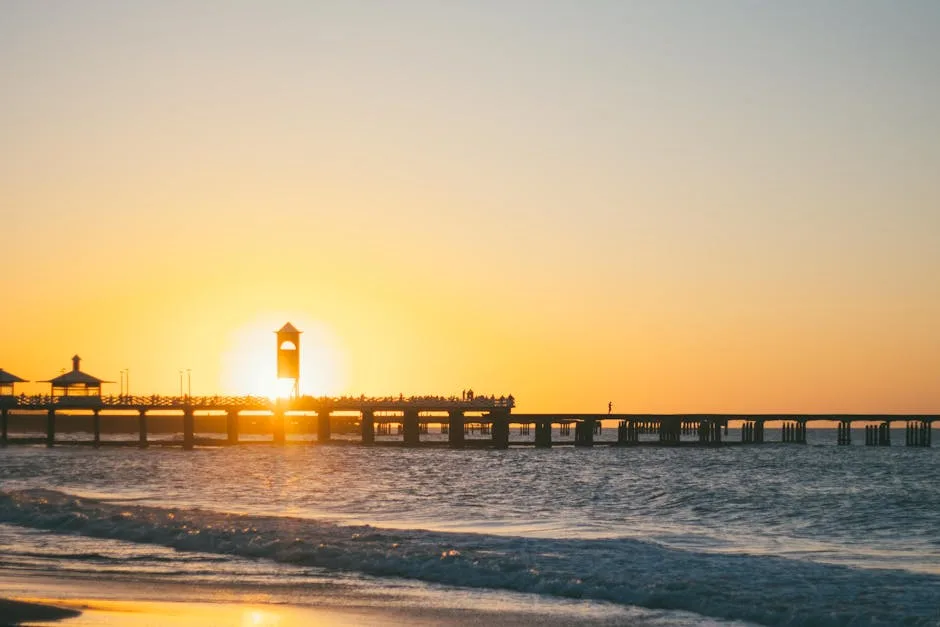
To truly enjoy Fortaleza, you need to understand the local flow. The city wakes up early. By 5:30 AM, the Beira Mar is already packed with people running, walking their dogs, or doing outdoor aerobics. The sun sets early too, usually around 5:30 or 6:00 PM, given its proximity to the equator. This is when the city shifts into its second gear. The heat breaks, and the boardwalk becomes a giant social club. Safety is a common concern for visitors to any large Brazilian city. The golden rule here is ‘não dê bobeira’—which translates roughly to ‘don’t be silly.’ Keep your expensive jewelry and watches in the hotel safe. Use your smartphone discreetly; if you need to check a map or call an Uber, step into a shop or a restaurant entrance to do it.
Connectivity is generally excellent. Most cafes and restaurants have Wi-Fi, though you might need to ask for the password (the ‘senha’). If you want to blend in, learn a few phrases in Portuguese. While many people in the tourism industry speak some English, a simple ‘Bom dia’ (Good morning) or ‘Obrigado’ (Thank you) goes a long way. The people of Ceará are known throughout Brazil for their hospitality and their sense of humor. They are quick to laugh and generally very helpful to visitors. If you get lost or need a recommendation, don’t be shy about asking someone; just be prepared for a very enthusiastic, and possibly very long, explanation.
Money-wise, Brazil has moved rapidly toward a cashless society. You can pay for almost everything—even a coconut from a street vendor—using a credit card or ‘Pix’ (the local instant payment system, though you usually need a Brazilian bank account for that). It’s always good to have a little cash for small tips or the craft market, but for the most part, your international credit card will be your best friend. Just make sure you’ve notified your bank that you’re traveling so they don’t block your card after your first ‘caipirinha’ purchase.
A Feast for the Senses: The Unmissable Flavors of Fortaleza
Eating in Fortaleza is a journey of its own. Ceará’s cuisine is distinct from the palm-oil-heavy dishes of Bahia or the churrascos of the south. Here, the star is the ‘Carne de Sol’—sun-dried beef that is incredibly tender and salty, usually served with ‘baião de dois.’ Baião de dois is a delicious mix of rice, beans, and melted ‘queijo coalho’ (a firm, squeaky cheese). It’s comfort food at its finest. You can find excellent versions of this at restaurants like ‘Coco Bambu’ or ‘Cantinho do Faustino.’ The portions in Fortaleza are notoriously generous; a ‘dish for two’ can often easily feed three or even four people.
Then there is the fruit. Being in the tropics means having access to fruits you’ve probably never heard of. Head to a juice bar and try ‘Caju’ (the cashew fruit, which is sweet and slightly astringent), ‘Graviola’ (soursop), or ‘Acerola’ (packed with Vitamin C). And don’t forget the ‘Tapioca.’ At the ‘Centro de Tapioqueiras’—a dedicated complex of stalls on the way to the eastern beaches—you can choose from dozens of fillings, from traditional butter to gourmet options like sun-dried meat with cream cheese. It’s the quintessential Cearense breakfast or late-night snack. Wash it down with a cold coconut water (‘água de coco’), and you’ll understand why people here seem so happy despite the heat.
For a more formal dining experience, the city’s seafood is world-class. Because Fortaleza is a major port, the fish is as fresh as it gets. Look for ‘Pargo’ (Red Snapper) grilled whole with vegetables. If you’re feeling adventurous, try the ‘Peixada Cearense,’ a traditional fish stew thickened with pirão (a paste made from fish broth and cassava flour). It’s hearty, flavorful, and best enjoyed during a long, lazy lunch while looking out at the ocean. Fortaleza’s culinary scene is a reflection of its history—a blend of indigenous, European, and African influences that creates something entirely unique.
Setting Sail: Day Trips and Coastal Adventures Beyond the City
While the airport guide focuses on your arrival and the immediate city, it would be a crime not to mention what lies just beyond the city limits. Fortaleza is the hub for exploring the ‘Sun Coast.’ If you have a day to spare, head west to Cumbuco. Famous for its massive sand dunes and world-class kitesurfing, it offers a dramatic landscape that feels worlds away from the high-rises of Meireles. You can take a ‘buggy’ ride through the dunes, which is a rite of passage for any visitor. The drivers will ask you: ‘Com emoção ou sem emoção?’ (With emotion or without?). Unless you have a very sensitive stomach, choose ‘com emoção’ for a roller-coaster-like experience over the sand peaks.
To the east lies Morro Branco and Praia das Fontes. Here, the coastline turns into striking red and orange cliffs. You can walk through the ‘Labirinto das Falésias,’ a natural maze formed by erosion where the different colored sands are harvested to create the famous bottled sand art you’ll see in the markets. It’s a photographer’s dream, especially in the late afternoon when the sun hits the red clay. Most of these trips can be organized by vans (‘vans de turismo’) that pick you up directly from your hotel in the morning and bring you back by sunset.
Whether you’re here for a weekend or a month, Fortaleza serves as a vibrant, rhythmic introduction to the Brazilian Northeast. From the moment you clear the gates at FOR to your final sunset walk along the Beira Mar, the city offers a blend of modern convenience and raw, natural beauty. It’s a place that doesn’t just show you its sights; it invites you to live them. So, pack your lightest linen clothes, leave your worries at the check-in desk, and get ready to fall in love with the ‘Terra da Luz’—the Land of Light.