
- First steps after you land at POA
- Facilities inside POA and where to find essentials
- How to get into Porto Alegre: quick comparisons
- Bus options and practicalities
- When car rental makes sense
- Practical safety and money tips for arrivals
- Neighborhoods that match different travel styles
- Moinhos de Vento — leafy streets and relaxed cafés
- Bom Fim — creative energy and strong café culture
- Cidade Baixa — nightlife and late nights
- Centro Histórico — convenience and old‑city charm
- Praia de Belas and the riverfront — views and business stays
- Where to stay depending on your priorities
- Family travel and quieter nights
- Budget travel
- Planning day trips and moving around the city
- Practical packing and timeline tips for arrivals and departures
- Local dining, cultural tips, and nightlife etiquette
- Last-minute checklist before you leave the airport
- A smooth start to your Porto Alegre visit
First steps after you land at POA
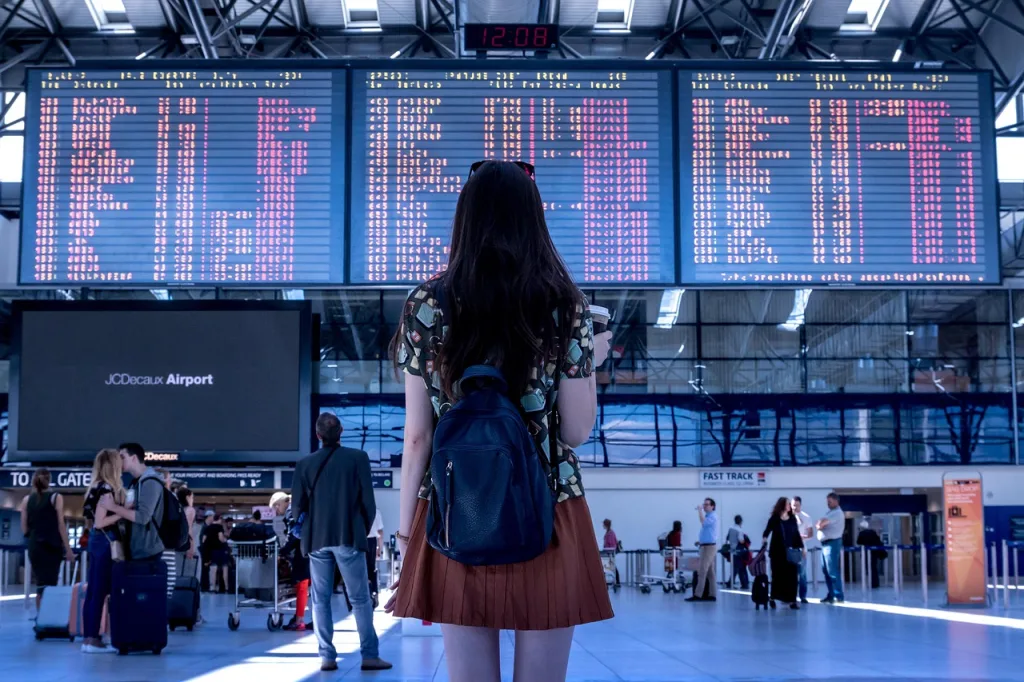
Porto Alegre’s Salgado Filho airport (POA) feels compact the moment you step off the plane. One main passenger terminal handles both domestic and international flights, which keeps walking distances short and signage straightforward. After you follow the arrivals signs, expect the usual sequence: passport control for international travelers, baggage claim, and a customs desk if you need to declare anything. Keep your passport, boarding pass, and any immigration forms handy; staff move efficiently and appreciate when you’re prepared.
Customs inspections are not a daily occurrence for most visitors, but if you’re carrying expensive electronics or large quantities of goods, be ready to show receipts or explain their purpose. If you’ve ever traveled in Brazil before you’ll notice familiar rhythms: polite but brisk service, a few official checks, and a practical focus on getting travelers moving into the city. If you’re collecting checked bags, stand to the side while others gather theirs to avoid blocking carousel traffic.
Facilities inside POA and where to find essentials
The arrivals hall houses the core services people need first: ATMs, a currency exchange counter, a small cluster of cafés, and a few basic shops for chargers, snacks, and travel essentials. If you need a local SIM card, look for telecom kiosks or ask at an information desk — staff will point you to the most reliable option in the arrivals area.
Wi‑Fi is available at the airport, though signal strength depends on your device and how crowded the terminal is. Charging stations and a handful of comfortable seating areas mean you won’t be stuck on the floor while you get your bearings. If you plan to store luggage briefly, check the arrivals information desk; smaller airports sometimes have limited left‑luggage services, so many travelers book a hotel that offers late check‑in or luggage holding instead.
How to get into Porto Alegre: quick comparisons
The airport sits roughly a short drive from the city center; traffic can stretch the trip from a quick 15 minutes into a 30‑minute ride during rush hour. Your main choices to reach town are taxis, ride‑hailing apps, city buses, hotel shuttles, private transfers, or rental cars. Taxis and app-based rides (widely used throughout Brazil) are the fastest door‑to‑door option and drop you close to your accommodation, while buses are the most budget‑friendly if your hotel sits near a bus stop.
Official taxi stands line the curb outside arrivals. Use the official queue rather than accepting offers from individuals who approach you inside the terminal; licensed airport taxis are regulated and metered. Ride‑hailing drivers meet passengers just outside the terminal as well; look for a designated app pickup area and confirm the vehicle plate before you get in.
Bus options and practicalities
Porto Alegre’s public buses connect the airport to several neighborhoods. Buses are economical and run frequently, but they can be crowded and require you to manage luggage on your own. If you take a bus, keep your valuables in sight, and have small bills or a local card to pay the fare. Bus stops for the airport are well marked and a short walk from the terminal doors.
When car rental makes sense
You’ll want a rental car if you plan to explore the surrounding region or have a lot of flexibility in your itinerary. Airport rental counters make pickup easy; bring a credit card for the security hold, your driver’s license, and an international driving permit if your home license isn’t in Portuguese. Drivers from many countries rent without an IDP, but policies vary by company, so confirm the requirement when you book.
Practical safety and money tips for arrivals
Carry a small amount of cash for taxis, street vendors, or markets, but use cards whenever possible — most hotels, stores, and restaurants accept major credit and debit cards. ATMs are convenient yet sometimes limited in number; withdrawing enough cash at the airport saves time later. Keep a separate envelope for receipts and travel documents; it makes customs and check‑ins smoother.
Portuguese is the dominant language; basic Portuguese phrases are appreciated and can open doors. English is common in hotels and tourist spots, but less so on public transport or in small cafés. If you prefer, set up a translation app before you leave the airport — offline language packs avoid roaming data charges.
For emergencies, Brazil uses short, direct numbers: 190 for police, 192 for ambulance (SAMU), and 193 for the fire brigade. Save these in your phone and share them with travel companions. Keep photocopies of your passport and a photo of the passport page stored in the cloud — they help expedite replacement documents if needed.
Neighborhoods that match different travel styles
Porto Alegre’s neighborhoods feel distinctly different; picking the right area sets the tone for your stay. Below are the most useful options depending on whether you’re staying for business, nightlife, culture, or easy access to the waterfront.
Moinhos de Vento — leafy streets and relaxed cafés
Moinhos de Vento is the city’s upscale, green neighborhood. Streets curve around Parcão, the local park where locals jog, walk dogs, and meet for coffee. Expect boutique shops, well‑rated restaurants, and quieter evenings compared with the party districts. Hotels in Moinhos lean boutique or mid‑range with polished service, and the area is walkable — you’ll reach parks and cafés without a long commute. Choose this neighborhood when you want comfort, good restaurants, and a calm base for daytime exploring.
Bom Fim — creative energy and strong café culture
Bom Fim holds a creative, slightly bohemian vibe. Small bakeries, independent bookstores, and coffee shops cluster along its streets. It’s lively but less touristy than other districts; you’ll rub shoulders with students and longtime residents. Nightlife here tends toward intimate bars and live music rather than large clubs. If you want a neighborhood with character and local flavor, Bom Fim is a top pick.
Cidade Baixa — nightlife and late nights
Cidade Baixa is the place to be for late nights. Bars, craft breweries, and nightclubs line the main strips. The scene gets going after dark and runs into the early morning. Accommodation here ranges from budget stays to small, design‑focused hotels. Opt for Cidade Baixa if you plan to experience Porto Alegre’s nightlife and don’t mind a livelier nighttime atmosphere.
Centro Histórico — convenience and old‑city charm
The historic center places you near municipal buildings, museums, and the Mercado Público, Porto Alegre’s bustling public market. Stay here for short business trips or if you like stepping into the city’s core early in the morning. The mix of historic architecture and practical transport links means you’ll have great access to buses and main streets, though some blocks can be quieter in the evenings.
Praia de Belas and the riverfront — views and business stays
Praia de Belas sits along the riverfront and appeals to business travelers and visitors who want easy access to waterfront promenades. The area balances modern apartment blocks and office towers with green spaces. If catching sunset views over the Guaíba River matters to you, book a room facing the water.

Where to stay depending on your priorities
If you need to be near the airport because of an early departure, many hotels offer airport shuttles or are a short five‑to‑ten minute drive away. These options save stress the night before a flight. For sightseeing, Moinhos de Vento or the Centro Histórico place you within easy reach of the city’s main attractions and dining scenes. For nightlife, Cidade Baixa keeps you close to evening entertainment. Make location decisions based on the time you plan to spend out and about: Porto Alegre rewards those who explore neighborhoods on foot.
Family travel and quieter nights
Families prefer Moinhos de Vento or residential parts of the Centro Histórico. Parks, family‑friendly restaurants, and calmer streets make evenings pleasant. Look for accommodations with suites or connecting rooms, and confirm breakfast hours — a good hotel breakfast shortens mornings when you’re juggling schedules.
Budget travel
Budget travelers find solid options in the Centro and parts of Bom Fim. Hostels, guesthouses, and smaller hotels are common. Book early for weekends, since local events and festivals draw domestic visitors and fill the economical end of the market. If you plan to rely on public transport, check your chosen property’s proximity to major bus routes.
Planning day trips and moving around the city
From a Porto Alegre base you can plan short day trips with little hassle. The city’s highlights include the Mercado Público for a morning market visit, Parque Farroupilha (often called Redenção) for relaxed strolls, and riverside walks near the Usina do Gasômetro cultural complex for sunset views. Museums and cultural centers cluster in different pockets of the city; pick your agenda and cluster attractions to minimize travel time.
Public buses and taxis will take you to most attractions. For tighter schedules or early starts, a taxi or ride‑share is more convenient. Many museums and sites accept card payments, but markets and small cafés sometimes prefer cash. If you plan to use transport frequently, download local transit apps or check your hotel’s front desk for recommended routes.
Practical packing and timeline tips for arrivals and departures
Arrive prepared: keep essential documents in your carry‑on, pack a light rain layer for sudden showers, and include a small power bank for phones. Porto Alegre’s weather can shift quickly depending on the season; mornings and evenings can be cooler even when days are warm.
Allow extra time for international departures. Arrive at the airport with enough buffer for check‑in, security checks, and any last‑minute documentation. If you have a morning flight, consider staying close to the airport the night before — the comfort of a short transfer often outweighs the cost of a nearby hotel.
Local dining, cultural tips, and nightlife etiquette
Food scenes in Porto Alegre range from traditional churrascarias to inventive cafes. Mealtimes are social: dinner often starts later than in many North American cities. Waitstaff and locals appreciate polite, attentive interactions. Tipping is customary but modest; if a service charge isn’t on the bill, leaving around ten percent for good service is normal.
If you plan to enjoy nightlife, be aware that crowds peak after midnight in certain districts. Keep valuables secure and use official transport to return to your hotel late at night. Many bars and live music venues accept cash; bring small bills for cover charges or drink tabs.
Last-minute checklist before you leave the airport
– Confirm you’ve collected all luggage and checked under seats for small items. Keep your boarding pass handy for security checks.
– Exchange a small amount of currency if you don’t have local cash yet; carry a little change for buses or small vendors.
– If you rented a car, inspect it thoroughly and photograph any preexisting damage before you drive away. Ask the rental counter for the quickest route out of the airport and any local traffic notes.
– If you’re heading into the city late, let your hotel know your arrival time; many offer 24‑hour check‑in or can provide temporary luggage holding.
A smooth start to your Porto Alegre visit
Arriving at POA sets the tone for your stay. A little planning — a clear plan for transport, a chosen neighborhood to anchor your trip, and a basic awareness of local customs — turns the first hour into an easy, pleasant step into the city. Whether you chase cultural spots along the river, settle into a leafy café in Moinhos de Vento, or dive into nightlife in Cidade Baixa, Porto Alegre offers a compact, approachable urban experience that rewards curiosity and sensible planning.