

- Why detailed preparation matters before your first Brazilian ride
- Picking up at Brazilian airports: skip the guesswork
- Reading the trip details like a pro
- Two-minute verification routine before you climb in
- When the app offers extra verification features
- Night rides: pick seats, routes, and habits that reduce risk
- Payment strategies and receipts that protect you
- What to do if you feel unsafe during a ride
- Handling disputes, lost items, and billing surprises
- Communication and language: practical tools
- Local norms that affect safety and etiquette
- Tech tools that make rides safer and smarter
- What to pack mentally—and physically—for late-night travel
- When to involve law enforcement and embassies
- Checklist: ten fast actions that reduce risk
- Final practical mindset: small actions, big effects
Why detailed preparation matters before your first Brazilian ride
Travel in brazil moves fast. Airports bustle, streets change mood after sundown, and the easiest trips are the ones you don’t overthink. That said, a handful of deliberate habits turns ordinary rides into reliably safe ones. This guide walks through practical steps I use and recommend: how to handle airport pickups, how to verify cars and drivers with confidence, and how to manage night rides without unnecessary stress.
Picking up at Brazilian airports: skip the guesswork
Airports in Brazil—from São Paulo-Guarulhos to smaller regional terminals—operate with clear pickup zones. The trick is to use the airport and app together: before you head to the curb, open the ride app, confirm the terminal and gate information in the trip details, and match that to the official pickup signage. When possible, wait inside the terminal until the app shows the car is rounding to your terminal; airports have drivers circling and lanes that change based on traffic.
At many airports, rideshare drivers must queue in designated lots or staging areas and follow dispatch rules. If the app gives a specific meeting point (e.g., “Terminal 2, Exit B”), walk directly there instead of standing at a random curb. Airports often have dedicated sidewalks for departures versus arrivals; pick the arrivals side for a smoother handoff. If the driver says they’re at a general landmark like “by the taxi stand,” ask for a photo of the car or the plate. That small step eliminates confusion and reduces the temptation to accept the first car that appears.
Reading the trip details like a pro
Every ride has a handful of critical details: driver name, car make/model, license plate, and a route preview. Train yourself to glance at all of them as soon as the driver accepts. If any detail is missing or looks off, cancel and request another ride. Common mismatches: similar-sounding names, mis-entered plate numbers, or cars that don’t match the stated model. A mismatch is not just a minor inconvenience; it’s a red flag to stop, confirm, and reset.
Keep screen captures of the trip screen when you’re in remote locations or when you need to show proof later. Screenshots with timestamps and plate numbers make disputes with support and local authorities much simpler.
Two-minute verification routine before you climb in
Verification shouldn’t be theatrical. Make it short, decisive, and non-confrontational. Use this three-step routine every time:
- Look at the license plate and confirm it matches the app.
- Ask the driver to state your name (or show your first name on the app). Most drivers will say it without hesitation.
- Confirm the car make/color and glance inside to ensure the vehicle looks maintained.
If anything doesn’t line up, cancel politely and request another ride. A canceled ride costs time, not safety.
When the app offers extra verification features
Ride-share platforms have added multiple safety features over time. In Brazil you may see options such as Share Trip, emergency contacts, and occasionally airport pickup PINs or verification codes. Use Share Trip every time you ride alone, and add a trusted contact who will receive real-time updates. Pin features exist in certain airports or cities; if your app offers one for your pickup, enable it and give the PIN only to the person who arrives in your car.
Also check for an in-app emergency button before you leave. Familiarize yourself with its behavior in case you ever need it—some buttons call local emergency services, others alert platform support and send location data.
Night rides: pick seats, routes, and habits that reduce risk
Nights in Brazilian cities are part of their charm, but they also require a different default. I always wait inside a well-lit area until the app confirms the car is at the pickup point; standing exposed at a curb can invite unwanted attention. Once the car arrives, sit in the rear seat on the opposite side of traffic when feasible. That position gives you a quick exit opportunity onto the sidewalk and minimizes close proximity to the driver.

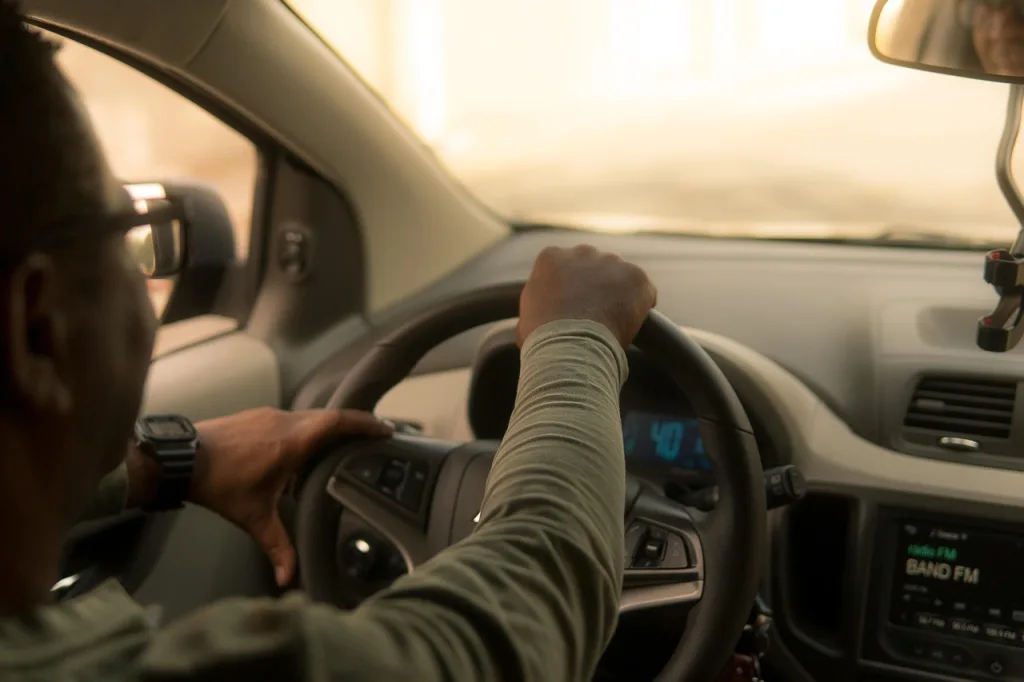
Photo by YU HSIU CHOU via Pexels
Avoid sharing personal information with drivers: no details about your lodging, itinerary, or whether you’re traveling alone. If a driver suggests an alternate route that isn’t on the navigation, ask why. Legitimate detours like avoiding traffic will usually be explained clearly. If the explanation feels vague or unnecessary, request the standard route and, if the driver persists, end the ride at the next safe public spot and cancel.
Payment strategies and receipts that protect you
Default to cashless payments within the app. That gives you a documented record and minimizes bargaining or pressure at the end of the ride. Keep your receipts emailed to you or saved in the app. For business travel, that record becomes crucial for expense reconciliation; for personal safety, it becomes proof if a dispute or claim arises.
If a driver requests cash—sometimes to avoid app fees—decline politely. Offer to pay through the app and, if the driver insists, cancel and request a new driver. Cash creates uncertainty about whether the trip was logged correctly and gives the driver an opportunity to deny the ride later.
What to do if you feel unsafe during a ride
Reacting calmly preserves options. Here are clear steps, ordered by priority:
- Open Share Trip so someone knows where you are in real time.
- Exit at the next safe, public location—well-lit, with people around—and end the trip. You don’t need to wait until you reach your exact destination if you feel threatened.
- Use the in-app emergency button if you believe you are in immediate danger. Follow up with local emergency services if necessary.
- After you’re safe, keep the trip receipt and any screenshots. Contact the platform’s support via in-app reporting, include the trip ID, and attach photos if you have them.
Filing a clear report speeds up investigations. Include times, plate numbers, driver name, and any conversation relevant to your complaint. If the situation involved a crime, visit a local police station with all documentation; in Brazil the civil police handle many non-traffic crimes and will provide a record you can reference later.
Handling disputes, lost items, and billing surprises
Lost an item? Immediately use the app’s lost item feature; it typically allows you to message the driver and arrange pickup. If the driver is unresponsive, escalate with the platform’s help center and keep screenshots of the conversation. Billing questions—unexpected tolls or surge multipliers—are often resolvable through customer support. Don’t discard receipts; a timestamped record is the strongest evidence for any charge dispute.
For fare disputes that feel unresolved, document everything and follow the app’s escalation path. If consumer protection is necessary, Brazil has local consumer protection agencies (Procons) in many states that handle disputes between customers and service providers. Use them when reasonable, but start with the platform and only escalate if the response is inadequate.
Communication and language: practical tools
Portuguese is the working language for most drivers. Basic phrases help smooth interactions: “Estou no portão X” (I’m at gate X) or “Pode me avisar quando chegar?” (Can you let me know when you arrive?). Keep a short cheat-sheet of pickup phrases on your phone. Translation apps do a decent job in live conversations, but they occasionally lag. A simple strategy: share a screenshot of the trip screen with the driver and highlight the pickup point and your first name. Visual cues reduce the need for long spoken exchanges.
Local norms that affect safety and etiquette
Brazilian drivers expect polite, brisk communication. Tipping is not mandatory but appreciated; if you prefer not to tip in cash, many ride apps now include tipping options. Don’t offer unsolicited directions unless asked; a polite “follow the GPS” is a useful default when you prefer standard routing. In larger cities, heavy traffic and frequent lane changes are normal—stay patient and plan extra time when you have a tight connection.
Tech tools that make rides safer and smarter
Beyond the ride app, a few tools improve safety and convenience. A reliable offline map app helps if you lose mobile data. A portable battery keeps your phone charged so you can maintain contact and share your trip. A small Bluetooth headset makes it possible to speak hands-free and keep one hand free for locking doors or holding a bag. Finally, install and enable the phone’s location sharing with a trusted contact when you’re on longer rides or traveling at night.
What to pack mentally—and physically—for late-night travel
Your night-ride kit is modest: phone fully charged, a portable charger, local SIM or data plan, and a small flashlight app. Keep valuables hidden; carry only what you need for the evening. If you wear jewelry or show expensive electronics, tuck them away before getting out of the car. A short note on mindset: confidence projects safety. Walk with purpose, and keep interactions brief. If a ride is uncomfortable from the start, cancel and rebook without guilt.
When to involve law enforcement and embassies
Most ride issues—mischarges, rude behavior, lost items—settle through the app. In cases of theft, assault, or serious threats, report to local police immediately and obtain a police report. That documentation assists both with insurance claims and with platform investigations. If you are a foreign national and the situation is serious, contact your country’s consulate or embassy for guidance. They can help with next steps, especially when you need assistance navigating local systems or accessing legal support.
Checklist: ten fast actions that reduce risk
Memorize these quick actions and you’ll be ready for nearly any ride scenario:
- Confirm driver name and license plate before you approach the car.
- Wait in a well-lit, official pickup area—inside the terminal when possible.
- Enable Share Trip with at least one trusted contact.
- Prefer app payment to cash to keep trip records intact.
- Use the rear seat and sit on the side away from traffic when practical.
- Cancel calmly if details don’t match; rebook immediately.
- Use the in-app emergency tools and know the local emergency number.
- Take screenshots of the trip screen for verification and disputes.
- Keep communication concise and avoid sharing your itinerary or hotel room number aloud.
- If something illegal happens, get a police report before you leave the area.
Final practical mindset: small actions, big effects
Safety during rides in Brazil isn’t about paranoia; it’s about predictable habits that remove doubt. A two-minute verification, a screenshot saved for later, and a backseat ride after dark transform uncertainty into control. These practices don’t add friction to your trip—they reduce surprises. When you treat each ride as a simple, repeatable checklist, your travel flows more smoothly and you keep focus on what matters: the experience waiting at the destination.