
- Gold and Granite: Why these towns still matter
- Ouro Preto: The hills where history hangs on every corner
- The art in stone and wood
- Museums that clarify the past
- Tiradentes: A compact town with a long memory
- Churches and the theater of faith
- A train, a market, and slow rhythms
- What to prioritize: a practical list for a few precious days
- Eating and drinking like a local
- Where to stay: pousadas, boutique hotels, and patience
- Moving between sites and practical mobility
- Responsible travel: preserve what you love
- When to go: balancing weather, festivals, and crowding
- How to read the towns like a local
- Itineraries that make sense
- A focused weekend: Ouro Preto only
- Extended long weekend: Ouro Preto and Tiradentes
- Safety, money, and local norms
- Beyond the towns: shorter excursions and surprises
- A final nudge to plan wisely
Gold and Granite: Why these towns still matter
Ouro Preto and Tiradentes sit like two polished gems in Minas Gerais, each cut by centuries of mining, faith, and artistry. The region’s wealth wasn’t just measured in ounces of gold removed from veins of quartz; it was carved into stone altars, painted into church ceilings, and stitched into the rhythms of daily life. Walk either town and you feel the accumulated layers: colonial ambition, the baroque flourish of churches, the pragmatic warmth of people who learned to live with steep streets and changing fortunes.
Ouro Preto: The hills where history hangs on every corner
Ouro Preto’s signature is its topography. Narrow lanes climb and fall, tight stairways connect plazas, and every viewpoint gives you a new composition of terracotta roofs and whitewashed facades. The town earned global recognition for the integrity of its historic center; buildings retain original proportions, and churches still display the lavish craftwork that wealth from 18th-century mining supported.
The art in stone and wood
Some of the region’s most arresting work comes from the film of human hands on stone and wood. Sculptors and carpenters from colonial times created altarpieces, pulpits, and statuary that combine European baroque drama with local sensibilities. Look for sinuous woodcarving, gilded surfaces, and polychrome paintings behind church rails; each chapel tells a chapter about patron families, brotherhoods, and the era’s priorities.
Museums that clarify the past
Museums in Ouro Preto turn abstract history into tangible context. Collections display mining tools, account books, and religious objects that explain how an economy centered on gold shaped social hierarchies and daily rituals. Exhibits don’t sugarcoat the human cost of extraction, but they do reveal astonishing technical adaptation — ways miners and artisans squeezed wealth from challenging geology.

Tiradentes: A compact town with a long memory
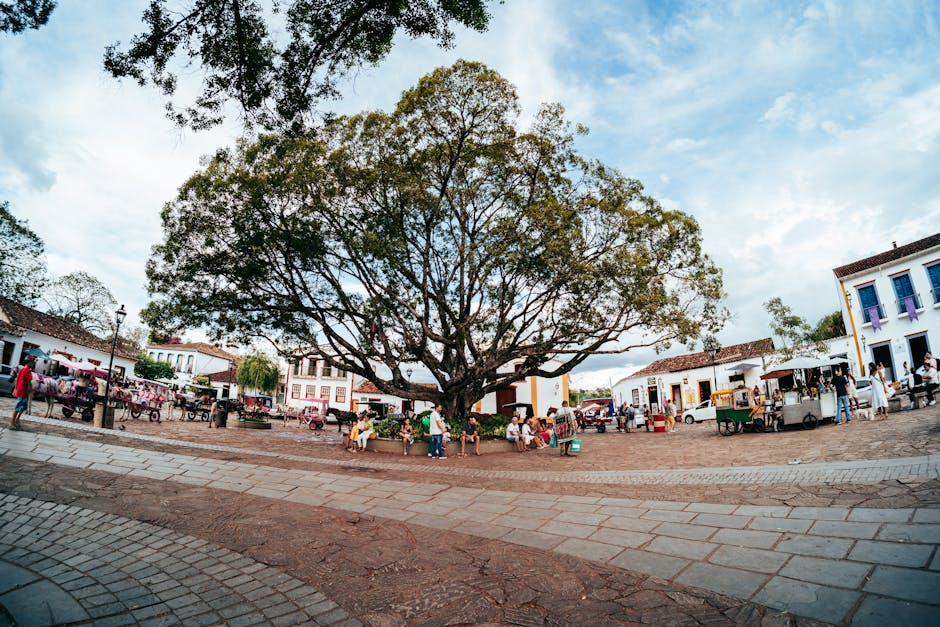
Tiradentes feels smaller and gentler than Ouro Preto, which is part of its charm. Streets are wider; facades often show lighter colors, and the pace invites lingering. The town’s name honors a national figure connected to struggles for independence; local museums and plaques keep that story visible. Yet Tiradentes is never purely a monument — it thrives as a living center for food, craft, and weekend getaways.
Churches and the theater of faith
The dominant church in Tiradentes draws attention not just for its architecture but for the carved altars and ornate woodwork inside. Interiors balance intimacy and theatricality: gilded columns frame saints with theatrical poses, while carved angels tilt heads as if listening. Step quietly; some churches maintain strict rules about photography and touching sacred objects.
A train, a market, and slow rhythms
A leisurely steam train ride from the nearby city of São João del Rei is a favorite for visitors, a short scenic thread that connects towns and offers a nostalgic view of rolling countryside. The weekend market in Tiradentes shows the town’s contemporary pulse: artisans sell ceramics, textiles, and silverwork; cooks serve recipes that feature Minas’ rustic confidence — cheese, beans, and robust stews that hold up to a day of walking.

What to prioritize: a practical list for a few precious days
Both towns reward slow exploration, but time rarely behaves that way for travelers. If you have limited days, choose experiences that maximize the region’s unique blend of art, geology, and local life.
- Ouro Preto — essential visits: Walk the main plazas to appreciate the town’s silhouette, visit the major churches to see baroque and rococo craftsmanship, and spend time at a history museum that explains mining and daily life in the colonial era.
- Tiradentes — essential visits: Stroll the main street and side alleys, visit the principal church for its carvings, and save time for the arts market and a meal in a restored colonial house.
- Experience to book: Take the historic steam train between São João del Rei and Tiradentes when it runs; it’s an evocative way to travel and connects the smaller network of towns historically linked by trade and pilgrimage.
- Plan for vistas: Both towns have hilltop viewpoints. Bring a small snack and linger; early morning and late afternoon light reveal details on façades and sculptural relief that midday washover hides.
Eating and drinking like a local
Minas Gerais invented comfort food with pedigree. Forget polished plates that dress small portions up: here, food is generous, straightforward, and rooted in regional ingredients.
Pão de queijo (cheese bread) appears at breakfast, sold piping hot at bakeries. Feijão tropeiro is a hearty staple—beans, manioc flour, sausage, and often a fried egg—that keeps walkers moving. Desserts play with doce de leite and regional cheeses. For liquid courage, local cachaça distilleries send small-batch spirits to market; tasting is an education in how raw sugarcane becomes distilled personality.
Dining in either town leans toward homeliness: family-run restaurants in restored houses often have courtyard seating and menus that change with what’s fresh and available. Many restaurants place a clear emphasis on Minas’ cheese culture; it’s not rare to find a tasting plate paired with preserves or regional fruit.
Where to stay: pousadas, boutique hotels, and patience
Accommodations come in comfortable variety. Pousadas — small, often family-run guesthouses — offer intimacy and a hosted atmosphere, with breakfast included and staff who share local tips. Boutique hotels sometimes occupy historic buildings and use architecture as the guest experience: exposed beams, stonework, and furniture that nod to the colonial past.
Expect uneven floors and narrow staircases. Many older houses were adapted for tourism without losing original quirks, so be ready for a different standard than a newly built city hotel. That’s part of the appeal: you sleep inside history.
Moving between sites and practical mobility
Roads link the towns to regional hubs. Travelers most often arrive through Belo Horizonte’s airport and continue by rented car, shuttle, or private transfer. Local buses connect towns, though schedules tighten on weekends and holidays. Driving gives flexibility for viewpoint stops, small detours to lesser-known settlements, and visits to local distilleries or mines that lie off main routes.
Wear sturdy shoes; cobblestones are beautiful but unforgiving. Streets slope dramatically in Ouro Preto; people with limited mobility should expect difficulty in several neighborhoods. If you rely on public transportation or a guided service, plan extra time — hills and narrow streets slow everything down.
Responsible travel: preserve what you love
Heritage places are fragile. Old timber, gilded paint, and baroque altarpieces respond badly to careless crowds. Support local conservation by following photography rules in churches, avoiding touching sacred objects, and choosing guides who work with local preservation groups. When shopping, favor makers who explain their process; that transparency often correlates with fair pay and traditional techniques.
Avoid buying artifacts of dubious origin. Pieces labeled as antiques may be modern reproductions; larger religious objects removed from churches sometimes move through informal markets. If a purchase shapes the market, make sure it supports living artisans rather than incentivizing the removal of historical fabric from public spaces.
When to go: balancing weather, festivals, and crowding
Minas has a climate that rewards off-peak travel for those who want quiet plazas. Weekends and national holidays increase visitors dramatically, particularly in Tiradentes where weekend escapes cluster. Religious festivals and Holy Week bring color and crowds; the spectacle is memorable, but expect full lodgings and limited last-minute bookings.
Weather will determine what you pack more than a calendar. Nights cool down in higher-altitude areas; a light jacket works well year-round. Rain can make cobblestones slippery, so waterproof footwear matters if showers appear in the forecast.
How to read the towns like a local
Listen more than you photograph at first. Locals pace themselves; mornings and late afternoons are prime hours for neighborhood life. Coffee shops fill with conversation, municipal projects unfold in plain view, and markets reveal the season’s priorities. Ask shopkeepers about their products; many artisans will happily show how a technique works. Buy directly from them when possible — it sustains skills and makes a souvenir into a story.
Language helps. People in tourist centers speak some English, but Portuguese opens doors. Learn a few phrases; store owners appreciate effort and often respond with extra kindness or a short history of the piece you’re considering.
Itineraries that make sense
Short on time? Two compact plans match common travel rhythms.
A focused weekend: Ouro Preto only
- Day 1: Morning arrival, settle into a pousada, gentle walk through the historical center, visit a principal church late afternoon for softer light, dinner in a tiled courtyard restaurant.
- Day 2: Full museum morning, climb to a lookout, lunch at a family-run restaurant, late afternoon visit to a mine-related museum or an artisan workshop, evening concert or baroque music performance if available.
Extended long weekend: Ouro Preto and Tiradentes
- Day 1: Arrive in Ouro Preto, evening walk and dinner.
- Day 2: Morning museums and churches, afternoon drive to São João del Rei, short train ride to Tiradentes, overnight in a Tiradentes pousada.
- Day 3: Stroll markets, visit the main church, and return to your onward destination with time for a scenic stop on the way home.
Safety, money, and local norms
These towns are safe for travelers who use normal precautions: keep valuables secure, avoid poorly lit side streets at night, and use registered taxi services after late events. Cash is useful in small shops and markets; credit cards work in many cafes and hotels, but smaller vendors may prefer cash. ATMs exist but can be sparse in secondary streets, so plan accordingly.
Respect local norms when visiting religious sites: dress modestly for interiors, keep voices low, and obey signage about photography. These are active places of worship, not just museum spaces, and behavior that disrupts services causes friction.
Beyond the towns: shorter excursions and surprises
Mining landscapes, waterfalls, and smaller colonial villages lie within easy reach. If you have the energy for side trips, consider a guided excursion that focuses on a specific theme — baroque art, mining technology, or regional cuisine. A driver who knows the region will point out overlooked viewpoints and interpret local geology in ways guidebooks don’t.
Look for family distilleries producing artisanal cachaça; tastings are educational and often come with stories about process and family history. Workshops in ceramics and textile weaving offer hands-on opportunities to learn a craft and bring home a piece you helped make.
A final nudge to plan wisely
Ouro Preto and Tiradentes offer history you can touch — not in the literal way museums prefer, but the kind that lodges in your senses: the creak of a wooden stair, the smell of coffee in a stone courtyard, the tilt of a carved angel’s head against a painted sky. Travel here requires time and attention; a hurried pass misses the quiet revelations that make the visit linger.
Choose one neighborhood, sit for an hour, and watch how the town arranges itself. That habit reveals more than a checklist ever could: the cadence of market days, the way light falls on worn copings, the familiar patterns of vendors and church bell rhythms. Let the towns show you their layers, and you will leave with more than postcards — you’ll carry a sharper sense of how a gold rush reshaped land, faith, and craft into something that still speaks today.