
- Arriving at Salvador: what to expect the moment you land
- Picking a safe ride: official taxis, ride-hailing, and shuttles
- Official airport taxis
- Ride-hailing apps
- Airport shuttles and coaches
- Budget-friendly public transport and how to use it safely
- Driving and renting a car: what to plan for
- Where to stay: neighborhoods that match your plans
- Barra and Ondina — beaches and easy access
- Pelourinho and the Historic Center — culture and colonial charm
- Rio Vermelho — nightlife and local flavor
- Itapuã and north coast options — calmer beaches
- Hotel selection strategies: what to check before booking
- Two sample itineraries: 24 hours and a long weekend
- 24-hour arrival and quick highlights
- Long weekend — balance beaches and culture
- Practical safety tips for navigating Salvador after arrival
- Language, local etiquette, and a few useful phrases
- Money matters: ATMs, tipping, and card safety
- Health, emergencies, and local contacts
- Night safety and smart nightlife choices
- Extra tips from experienced travelers
- Final practical checklist before you leave the airport
- Why a calm, prepared start makes the trip better
Arriving at Salvador: what to expect the moment you land
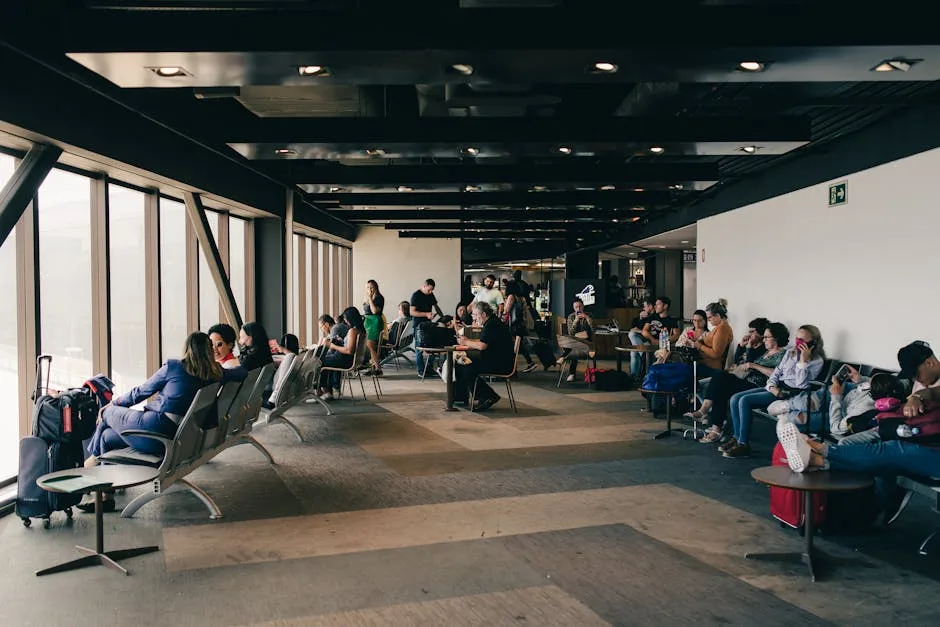
Touching down at Deputado Luís Eduardo Magalhães International airport (SSA) usually feels like sliding into a different pace: warmer air, music drifting through the terminal, and that distinct coastal energy. After the seatbelt sign clicks off, follow signs to immigration if you arrive on an international flight. Immigration officers will look over your passport and ask a couple of standard questions about your stay. Have your passport, return ticket, and a printed hotel reservation or address ready; this saves time and avoids any awkward pauses.
Once you clear immigration, head to baggage claim. Bags sometimes arrive quickly, other times take longer—patience helps. Keep an eye on overhead monitors and the carousel number printed on your bag tag. If your luggage doesn’t appear or arrives damaged, speak directly to the airline’s desk in the arrivals hall before leaving the terminal. That paperwork matters for any claim.
After baggage, there’s a customs checkpoint. If you’re carrying items that require declaration—electronics above typical personal-use quantities, commercial goods, or anything restricted—look for the green or red channels and follow the posted rules. Customs officers are straightforward; declare when necessary and move through.
Near the exits you’ll find currency exchange counters, ATMs, and kiosks that sell local SIM cards and eSIM activation. If you want to get a SIM or local data right away, vendors are usually open during most flight arrivals, but if you prefer a quieter start, you can activate an eSIM ahead of time and skip the queues.

Picking a safe ride: official taxis, ride-hailing, and shuttles
From the arrivals hall, three transport styles dominate: official airport taxis, ride-hailing apps, and shuttle/coaches. Choose based on comfort, budget, and arrival time.
Official airport taxis
The airport maintains an authorized taxi stand inside the arrivals area. These taxis are metered or operate on a fixed fare system to popular districts like Barra, Ondina, and the historic center. Find the booth, request a prepaid ticket if available, and step into the queue. Pay attention to the receipt and the taxi identification stickers—if anything feels odd, return to the booth and confirm.
Ride-hailing apps
Ride services such as app-based drivers operate around SSA. They are often cheaper than taxis and convenient because the app provides an upfront fare and driver rating. Pick-up zones are usually a short walk from the arrivals doors; follow the airport signage to the designated ride-hail area. If you’re traveling late at night, pick well-lit waiting spots and confirm the car make and license plate before you approach.
Airport shuttles and coaches
If you travel light or as part of a tour group, look for scheduled shuttle coaches or private hotel transfers. Shuttles are cost-effective for reaching the main bus terminal or central hotels. For beach resorts outside the city—such as Praia do Forte—book a transfer in advance; post-flight coordination is simpler when a driver waits for you at arrivals.
Budget-friendly public transport and how to use it safely
For travelers keeping an eye on costs, public buses serve routes from the airport toward Salvador’s center and surrounding neighborhoods. Buses are frequent during the day and drop you near major hubs, but they become less comfortable during rush hours. Carry small change, guard your belongings, and don’t place wallets in back pockets. If a bus looks crowded or you’re arriving with heavy luggage, prefer a taxi or ride-hail for convenience and security.
Driving and renting a car: what to plan for
If you plan to rent a car, the airport hosts a number of rental desks within or just outside the terminal. Present your driver’s license, passport, and credit card; an international driving permit is recommended for some nationalities. Inspect the vehicle carefully before driving off—note scratches, dents, and fuel level on the rental agreement to avoid disputes later.
Roads around Salvador can be fast in places and congested nearer the city center. Highway signage is generally clear, but GPS helps. Be mindful of local driving habits: drivers often overtake aggressively and use horns to signal movement. Keep valuables out of sight and park in secure, attended lots when possible. If you’ll explore coastal towns or more remote beaches, bring a phone charger, water, and a physical map as a backup.
Where to stay: neighborhoods that match your plans
Salvador’s neighborhoods vary widely. Choose where to sleep based on what you want to do: beach time, nightlife, or cultural immersion. Here’s a practical breakdown to match moods and priorities.
Barra and Ondina — beaches and easy access
Barra gives you broad beaches, sunset walks, and the lighthouse area—a great choice if you want sand, restaurants, and a lively promenade in easy reach. Ondina sits just north of Barra and offers a quieter stay with resort-style hotels and convenient access to museums and coastal paths. Both neighborhoods are well-served by taxis and feel safe during evenings, especially around main avenues.
Pelourinho and the Historic Center — culture and colonial charm
Choose the Historic Center for museums, churches, and narrow cobblestone streets that reveal Salvador’s Afro-Brazilian heritage. Boutique pousadas (guesthouses) and small hotels put you steps from live music, local cuisine, and museums. Streets can be steep and uneven, so pack comfortable shoes and be mindful of nighttime lighting; stick to popular squares and main streets after dark.
Rio Vermelho — nightlife and local flavor
Rio Vermelho is Salvador’s boho neighborhood, full of bars, eateries, and late-night spots. It’s where locals go for moqueca (a seafood stew) and lively conversations. If you plan to enjoy late hours, choose accommodation close to the main streets so you avoid long late-night rides back to the hotel.
Itapuã and north coast options — calmer beaches
If you want a quieter beach vibe, Itapuã and neighborhoods north along the coast deliver relaxed day rhythms and smaller-scale restaurants. These areas suit travelers who prefer a peaceful evening and long morning walks. Note that they are farther from the historic center, so expect transfer times when sightseeing.
Hotel selection strategies: what to check before booking
Picking the right place is more than star ratings. Look for these practical details before you click reserve:
- Location relative to your priorities: beach, nightlife, or historic sites.
- Airport transfer options: does the hotel offer pickups or recommend a safe taxi company?
- Security features: reception hours, room safe, and secure parking if you’ll rent a car.
- Guest reviews that mention noise, cleanliness, and the accuracy of photos.
- Breakfast and air conditioning—both especially helpful in Salvador’s climate.
For a family trip, prioritize space and breakfast options. For a short cultural stay, a boutique guesthouse in Pelourinho places you within walking distance of the main museums and performances.
Two sample itineraries: 24 hours and a long weekend
24-hour arrival and quick highlights
After arriving and checking into your hotel, spend an afternoon wandering Pelourinho to absorb colonial architecture and live music. Eat at a nearby restaurant serving regional dishes like acarajé or moqueca. Close the evening with a sunset walk along Barra’s promenade and a view of the lighthouse.
Long weekend — balance beaches and culture
Start with a morning in Pelourinho and a guided walking tour to understand the city’s history. Reserve an afternoon for Porto da Barra or Praia do Farol to swim and sunbathe. One evening, head to Rio Vermelho for dinner and drinks. Save a daytrip for the northern coast—Praia do Forte or Itapuã—if you want quieter sand and calmer waters.
Practical safety tips for navigating Salvador after arrival
Salvador is warm and friendly, but like any major city, it rewards common-sense precautions. Keep a photocopy of your passport separate from the original, use hotel safes for spare cash and documents, and avoid displaying expensive electronics on crowded streets. When possible, travel in daylight between unfamiliar places and prefer official transportation after dark.
Pickpockets target busy tourist spots, so choose a cross-body bag with zippers or a money belt under clothing. If you’re on the beach, don’t leave valuables unattended even for a quick dip. Lifeguards are present at popular beaches—swim between flagged areas and ask locals about currents.
Language, local etiquette, and a few useful phrases
Most Salvadorians speak Portuguese; English is common around tourist hubs but not guaranteed. Learning a few phrases goes a long way and people appreciate the effort. Useful words and their feel:
- Obrigado (oh-bree-GAH-do) — Thank you (men say obrigado; women say obrigada).
- Por favor (por fah-VOR) — Please.
- Quanto custa? (KWAHN-toh KOOS-tah) — How much does it cost?
- Onde fica…? (OHN-jee FEE-kah) — Where is…?
Politeness and smiles open doors. If you visit religious sites, modest dress is respectful. Nights often bring live music and samba—join in if the rhythm invites you.
Money matters: ATMs, tipping, and card safety
ATMs are available at the airport and throughout the city. Use ATMs inside banks or large hotels for better safety. Many places accept credit cards, but small restaurants, markets, and beach vendors may be cash-only. A small daily amount of local currency keeps you flexible.
Tipping in Brazil is customary in restaurants—many bills include a service charge. For taxis and small services, rounding up or adding a small tip is appreciated. Avoid revealing large sums of cash in public.
Health, emergencies, and local contacts
A few health and emergency details help you feel prepared. Salvador has modern private hospitals and clinics; if you need urgent medical help, contact local emergency services. The main emergency numbers in Brazil are 190 for police, 192 for ambulance, and 193 for fire. Keep these numbers handy and save your embassy or consulate contact if you’re traveling from abroad.
Bring sunscreen, insect repellent for evenings, and any prescription medications with their original labels. If you use prescription drugs that might be restricted, carry a doctor’s note to avoid confusion at customs or local pharmacies.
Night safety and smart nightlife choices
Nightlife in Salvador is energetic and full of live music. If you plan to enjoy late evenings, choose venues with good reviews and stay with friends or a small group. Use recognized taxi or ride-hailing services to return to your accommodation. Keep an eye on your drink and avoid accepting beverages from strangers. If a place feels uncomfortable, leave—it’s always better to prioritize peace of mind over curiosity.
Extra tips from experienced travelers
Pack a lightweight rain jacket if you travel during the rainy season; short showers are common and can appear suddenly. Bring sandals for the beach and sturdier shoes for historical cobblestones. If you enjoy markets, wake early to catch the liveliest stalls and better prices.
When photographing street scenes, ask permission before taking close-ups of people. Many locals are proud to share their culture, and a brief hello in Portuguese opens conversations faster than a camera alone.
Final practical checklist before you leave the airport
Before you step out into Salvador’s rhythm, run through this quick checklist so your arrival stays smooth:
- Confirm you have your passport, boarding pass (if onward), and any local currency you need.
- Book or confirm your ride and note the pick-up point.
- Activate a local SIM or eSIM if you rely on mapping and apps.
- Store valuables in a hotel safe and keep a photocopy of key documents.
- Save emergency numbers and your hotel contact in your phone.

Why a calm, prepared start makes the trip better
Arrivals set the tone for the whole trip. A calm landing, a straightforward ride to town, and a well-chosen neighborhood to sleep in turn make exploration easy and pleasurable. Salvador rewards curiosity: early morning walks, rooftop sunrises over the bay, and conversations in neighborhood squares offer the most genuine memories. Start with a plan, stay safe, and leave room for unscripted moments—they’re why travelers return.