
- Why two countries, two experiences
- How the falls are set up geographically
- First impressions: panoramic sweep vs. intimate immersion
- Practical differences that shape your visit
- Getting there and practical logistics
- Best times to visit and how water levels change the mood
- Activities unique to each side
- Which side is better for photography?
- Wildlife, ecosystems, and conservation differences
- Food, services, and how each side handles crowds
- Cost, currency, and border practicalities
- Sample itineraries that make efficient use of time
- How much walking should you expect?
- Health and safety practicalities
- What locals will tell you — and what to try while you’re there
- Why seeing both sides is more than a travel checklist
- Final practical checklist before you go
Why two countries, two experiences
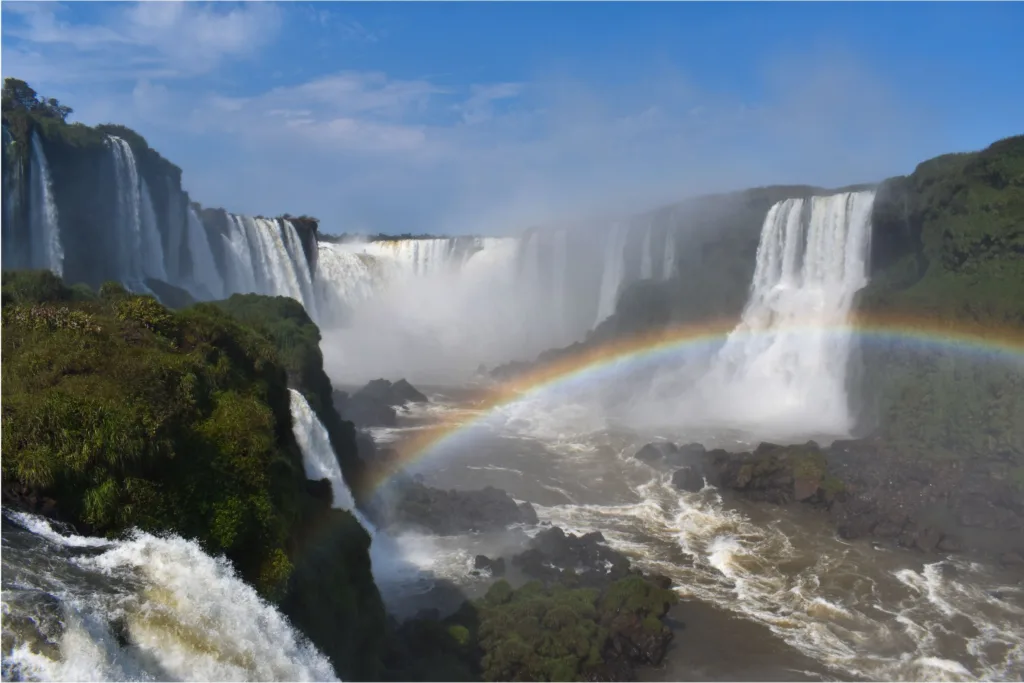
iguazu falls doesn’t behave like most waterfalls. It spills across an international border and behaves differently depending on which side you stand on. The brazilian side treats you to sweeping, cinematic panoramas that let you drink the entirety of the curtain of water in one gaze. The Argentine side drags you into the action: narrow boardwalks, the roar growing until the spray is a physical thing that blurs the air and wets your camera. Visit only one and you’ve missed half the story.
How the falls are set up geographically
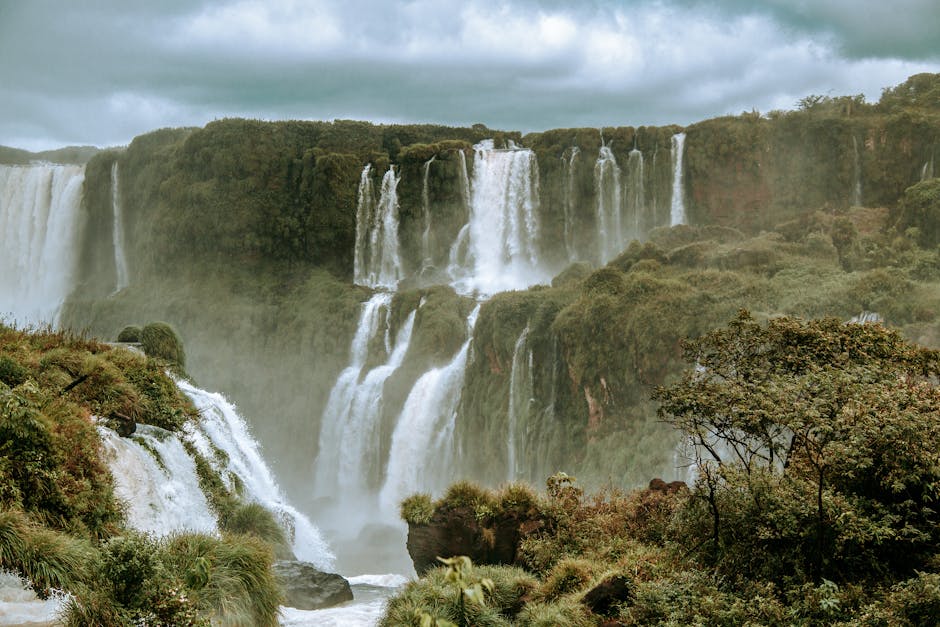
The Iguazu River splits the landscape into a jagged line of cliffs and islands. Roughly 275 distinct falls tumble over that edge at varying heights; the tallest reaches around 82 meters. The main cluster fans out over a horseshoe-shaped gorge known as the Devil’s Throat — the single most arresting view and the place both sides aim to showcase, albeit differently. The Brazilian side sits on a narrower, higher viewpoint ridge that gives you a panorama. The Argentine side spreads a network of trails and platforms on multiple levels, bringing you closer to individual cascades and to the base of the gorge.
First impressions: panoramic sweep vs. intimate immersion
Stand on the Brazilian walkway and the effect is cinematic: you absorb scale. Cameras often struggle to capture that feeling because the brain is better at reconciling distance and sound than a sensor. The whole arc of falls comes into frame. On the Argentine side, the sensory input changes. You move along wooden catwalks and metal steps, the roar rises, and you can feel the mist on your face. That closeness is addictive. One look at the Devil’s Throat from Brazil tells you how enormous it is; one stand on Argentina’s lower decks convinces you that the gorge is alive.

Practical differences that shape your visit
Start with the length and layout of the trails. The Brazilian park offers a single, well-paved main trail designed for straightforward circulation, with short detours and lookout points for different angles. It’s possible to see the best viewpoints in a few hours. Argentina’s park presents a network: the Upper Circuit, the Lower Circuit, and the train that delivers you closer to the Devil’s Throat walkway. Expect stairs, variable surfaces, and a day to explore fully. If mobility is a concern, Brazil’s shorter, flatter route is less demanding; Argentina’s reward for extra effort is proximity.
Getting there and practical logistics
Two towns serve as bases: Foz do Iguaçu on the Brazilian side and Puerto Iguazú on the Argentine side. Both towns are well-supplied with hotels and tour operators. Travel time from either airport to the parks usually ranges from 20 to 40 minutes by car. Park entrance hours, fees, and services differ between the two countries, so check official sites before you go. Bring your passport if you plan to cross the international bridge between the towns — there is an immigration checkpoint. Some travelers cross on day trips without realizing the lines at immigration can add significant time, especially on weekends or during holidays.
Best times to visit and how water levels change the mood
Water volume varies with seasonal rainfall. The falls are spectacular year-round, but the mood changes. High-water months make everything thunder and steam; more individual cataracts combine into a single, frighteningly powerful mass. Trails can be wetter and certain vantage points might be closed for safety. Low-water months reveal rock faces and create delicate, tiered cascades that are photogenic in a different way. For balanced weather and crowds, target the shoulder seasons — mid-spring and mid-autumn in the Southern Hemisphere — but be ready for sudden downpours anytime. Subtropical weather is unpredictable.
Activities unique to each side
Brazilian highlights concentrate on broad views and added-adrenaline options: panoramic observation decks, helicopter flights that circle the entire horseshoe drop, and comfortable interpretive centers that explain the geology and biodiversity at a glance. Argentina invests in immersion: boat rides (the so-called Gran Aventura) launch you from the lower river and sprint under selected falls, ensuring you leave soaked and exhilarated. Walking networks on the Argentine side carry you to the base of several major drops and to the metal viewing platform that hangs over the Devil’s Throat itself.
Which side is better for photography?
Pack a wide-angle lens for Brazil: you’ll need it to capture the sweep. A mid-range zoom and a waterproof case are invaluable for the Argentine trails and boat rides; you’ll shoot at close range and want flexibility. Early morning light is softer and crowds are thinner, so be on a viewpoint at dawn if you can. The mist creates interesting atmospherics for long exposures, but a high shutter speed is essential on the boat if you want to freeze the spray. Bring binoculars for wildlife — toucans, kingfishers, and coatis are frequent sightings — and keep a telephoto handy for bird portraits from the Brazilian lookouts where fauna is less disturbed by heavy foot traffic.
Wildlife, ecosystems, and conservation differences
Both parks are declared World Heritage Sites and protect a subtropical rainforest rich with biodiversity. The Brazilian reserve frames the falls with dense, relatively undisturbed forest corridors where you’re likely to spot larger canopy birds. The Argentine park’s trail network out to the water encounters species that are comfortable around regular human traffic; coatis boardwalk-shop for snacks and will approach visitors expecting handouts. Don’t feed wildlife. Habituation damages their health and increases aggressive interactions. Both parks run active conservation programs, with ongoing efforts to restore habitat, manage invasive species, and monitor river health.
Food, services, and how each side handles crowds
The Brazilian park features a compact visitor center with restaurants and terraces aligned to the main viewpoints. Meals are generally straightforward and often focus on Brazilian staples like grilled meats and local-style snacks. On the Argentine side you’ll find more casual food points along the trail and small kiosks near the main visitor areas, plus restaurants in Puerto Iguazú that invite a longer lunch after a morning on the paths. Crowds concentrate at the Devil’s Throat viewpoints on both sides, but the Brazilian side disperses people with its single sweeping viewpoint, while the Argentine walkways funnel visitors into narrower platforms where human density can spike. Aim for midweek visits if your schedule allows.
Cost, currency, and border practicalities
Expect different currencies: the Brazilian real and the Argentine peso. Many vendors accept international cards, but cash still makes some transactions easier, especially with small vendors inside parks or for tipping guides. If you plan to cross the border, carry your passport and be aware of visa requirements for your nationality; some visitors can use national ID to cross between Mercosur countries, but rules change and immigration officers may request passports anyway. Also plan for bank fees on cross-border card use; ATMs are available in both towns but sometimes have long lines. If you only have time for one side, pick Argentina for close encounters and Brazil for an immediately satisfying panoramic overview. Ideally, do both and organize them on consecutive days to avoid duplicate travel time and to give your shoes time to dry if you take a boat ride.

Sample itineraries that make efficient use of time
Two-day plan: Day one, hit Brazil early for the panorama and a helicopter flight if your budget allows, then enjoy a relaxed lunch and some birding in the late afternoon. Day two, dedicate to Argentina: take the eco-train, explore the Upper and Lower Circuits, and finish with the boat ride if you’re up for being soaked. This sequence reduces the risk of being drenched first and having to hike all day in wet clothes. If you only have one day, cross the border before dawn, arrive at the Argentine gates when they open to beat lines, do the circuits and the Devil’s Throat, then cross into Brazil for sunset panoramas — the golden light lifts the entire horseshoe gorge into dramatic relief.
How much walking should you expect?
Plan for several kilometers of walking if you explore Argentina fully; there are stairs and sections where you linger to photograph or watch the river. Brazil’s loop is shorter and flatter, so you can cover it in a couple of hours without strenuous climbs. Wear shoes with good traction; the paths are often wet and slick from spray. A lightweight rain jacket and quick-dry clothing are the best packing choices. Leave heavy backpacks in your hotel or locked trunk when possible; lighter loads let you move faster and enjoy the viewpoints without shoulder strain.
Health and safety practicalities
The biggest hazards are the same ones that make the falls thrilling: water and wildlife. Stay on marked trails and obey guardrails. Don’t attempt to swim near the edges or jump rocks for better views. Coatis and a few other animals will approach expecting food; they’ll bite if cornered or habituated, and they often carry parasites. Mosquitoes are present; use repellent and consider an antihistamine if you react strongly to bites. The subtropical sun is stronger than it feels under mist; use sunscreen and bring a hat. For families with small children, Argentina’s handrails and protective platforms are generally safe but require close supervision near viewing edges.
What locals will tell you — and what to try while you’re there
Locals emphasize the contrast in perspective. They suggest using the Brazilian side for a morning of photos and the Argentine for an active afternoon. They’ll recommend regional dishes — feijoada or churrasco on the Brazilian side, savory empanadas and Argentine steaks across the river — and counsel patience at border crossings. Try a late-afternoon mate in Puerto Iguazú if you want to blend into local routines; in Foz do Iguaçu, cafés around the main avenue are full of day-trippers regrouping after park visits. Vendors sell handmade arts and crafts near both parks; prices are negotiable and haggling is part of the local commerce rhythm, but be fair. Artisans rely on steady tourist support.
Why seeing both sides is more than a travel checklist
There’s an emotional logic to visiting both: the Brazilian view re-teaches you scale, while the Argentine side re-teaches you intimacy. You’ll leave the panorama with a sense of awe and the boardwalks with a new appreciation for geological force and rainforest resilience. Seeing both sides makes the place coherent in your head; the two perspectives complete one another. That completeness is why people return to Iguazu — not because they missed a viewpoint the first time, but because each visit reveals another layer of how water shapes a landscape and how human infrastructure mediates the experience.
Final practical checklist before you go
- Passport and any necessary visas; photocopies stored separately.
- Light waterproof jacket, quick-dry clothing, and non-slip walking shoes.
- Waterproof phone/camera case and spare batteries or power bank.
- Local currency for small purchases and tips; cards for larger payments.
- Insect repellent, sunscreen, and a reusable water bottle (refill where allowed).
- Plan a Brazil-and-Argentina sequence that reduces wet-clothing discomfort.
Walk away from the falls knowing you’ve seen two truths of the same river. One glance from Brazil will rearrange how you think about scale. One walk through Argentina will re-teach you how force feels up close. Together they make the place both unforgettable and instructive: a rare natural theater that rewards time, curiosity, and a willingness to get a little wet.