
The night the arena explodes (I promise you’ll feel it)
At 11:30 p.m. the lights snap on over the dirt, and the crowd at Barretos stands as one. Somewhere behind me a pair of drums kicks in, a chorus of voices answers, and the bull riders—already caked in dust—clench their free hands and stare down the animal they’ll try to stay on for eight seconds. The singer on stage pulls the microphone toward his mouth, and an entire stadium becomes one great, rough chorus of hands and cowboy hats.

What “Brazilian rodeo” really looks like
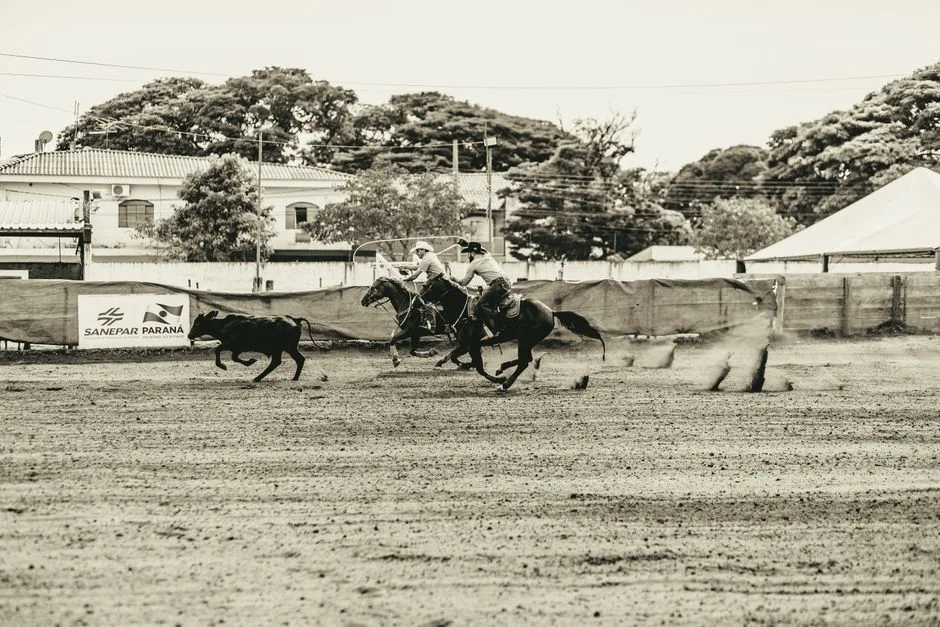
When foreigners hear “Brazil rodeo” their minds often jump to western movies and Texas-style ranching. You’ll see some of that—boots, embroidered shirts, belt buckles—but the show is unmistakably Brazilian. Rodeios (rodeos) here mix competitive bull and horse riding with large-scale pop concerts, carnival-like vendor alleys, and a brand of regional pride that’s loud and affectionate.
Rodeo events include bull riding (montaria em touros) and horse-mounted competitions (montaria em cavalos), often with an emphasis on spectacle: timed heats, announcers who stoke the crowd, and quick-run contests between musical sets. The break between two rounds isn’t a lull; it’s when vendors sell espetinhos (grilled meat skewers), cold beer, and foam crowns for the kids. Expect noise, sweat, and something like electric joy.
Where to find the biggest gatherings
If you’re tracking the major festivals, Barretos (in São Paulo state) is the benchmark. Its Festa do Peão de Barretos is the kind of event Brazilians point to when they explain “the rodeo” to someone who’s never been. Other important fairs pop up across the country, especially in interior São Paulo, Minas Gerais, Goiás, and parts of the central-west where cattle ranching is central to local economies. In the Northeast you’ll notice a different but related tradition: vaquejada, a local cowboy culture with its own events and rituals.
Sertanejo: how the music grew from dirt roads to stadiums
Sertanejo began as música caipira—rural music from the sertão and interior towns, driven by the viola caipira (a 10-string Brazilian guitar) and tight vocal harmonies. The themes were small and human: unrequited love, life on a fazenda, the weather, saudade for a hometown. Over decades sertanejo evolved. It traveled from radio and festivals to television, and then morphed again into a pop-infused sound that filled arenas across the country.
Listen closely and you’ll hear the lineage. A contemporary pop-sertanejo hit might have a driving electric rhythm and a clean studio sheen, but it still leans on the narrative voice of rural life—broken hearts, homecomings, late-night bar songs. Older artists—those who anchored sertanejo’s first waves—gave way to acts in the 1990s and 2000s who blended pop production, electronic beats, and glossy staging. That fusion created the deeply popular strand often called sertanejo universitário, which targets a younger, urban audience while keeping the genre’s storytelling core intact.
Instruments and sound
The viola caipira and accordion are the genre’s roots. Add acoustic and electric guitars, bass, a drum kit, and sometimes a keyboard, and you get today’s live setups. In a festival arena the band’s sound is massive—designed to cut through the shouting and the roar of a thousand boots; intimacy returns if you get close to the stage, and that is when the viola’s twang and the harmonies land with real power.
Two sertanejo worlds: raiz and universitário
Call them two chapters in the same book. Sertanejo raiz (root) is older, slower, and more directly connected to rural life and traditional instruments. Lyrics dwell on the land, on lessons from parents, on the small, stubborn dignity of people who raise cattle and plant crops. Concerts for raiz fans tend to feel like communal storytelling—less spectacle, more sweat and genuine connection.
Sertanejo universitário is studio-polished, catchy, and engineered for dance floors and radio. The lyrics still talk about love and loss, but they also celebrate parties, flirtation, and the nightlife that swirls around university towns. You’ll hear pop structures, electronic drops, and choruses designed for group singing. Both forms attract passionate followings, and you’ll often see them mixed across a single festival’s line-up—an older star next to a chart-topping duo.
How a typical rodeo festival day runs
Mornings are slow. People sleep in or nurse hangovers. The arena itself is quiet early, the dust undisturbed. By mid-afternoon, families arrive for exhibitions, food stalls open, and smaller contests—sometimes children’s pony races, sometimes horse parades—take shape. The real business begins toward evening: cowboy competitions, increasingly daring rides, and then a string of concerts that last into the small hours.
Think of the festival as a layered experience. Arrive midday to see the agricultural component—horse parades, livestock displays, local handicrafts. Return at night for the competitive riding and headline shows. Vendors keep running until the arena itself empties, so you can sample regional cheeses, barbecue cuts from nearby fazendas, and desserts like cocada or quindim if you want something sweet after beer and churrasco.
What to wear and how to fit in
There’s no uniform requirement, but blending in is easy. Jeans—good, sturdy ones—are the base. Cowboy boots are practical and common; sneakers are fine if you hate boots, but boots feel right in the dust. A long-sleeve shirt or light jacket protects you from sun and late-night breeze; bring a hat if you expect to be in direct sunlight during parades or exhibitions. Women often mix country practicality with festival glam: Western boots and a flattering dress or a sequined jacket. Men commonly wear belts with statement buckles. Don’t be surprised by rhinestones. Brazilians love a bit of sparkle.
Behaviorally, applause is frequent and loud. If a rider falls and gets up, people chant. If someone sings a nostalgic hit, everyone leans in. Politeness goes a long way: a friendly “bom dia” or “obrigado” opens smiles. Security personnel are usually visible and straightforward; follow instructions during competitions and be cautious near the pens and gates—animals are unpredictable, and organizers take safety seriously.
Food, drinks, and the festival economy
Food is an essential part of the rodeo ritual. You’ll encounter churrasco bars serving cuts like picanha, espetinhos pinned on small sticks, fried corn cakes, and regional snacks I had the first time I went to Barretos that still make my mouth water. Drinks range from brews to guaraná, and festivals often have VIP areas with bottle service for those willing to pay for a reserved spot close to the stage.
Local economies swell during these events. Hotels fill, families rent rooms for visiting relatives, artisans sell leather goods and custom belts, and smaller towns get an injection of cash that helps pay for infrastructure. That economic logic is one reason why rodeos remain a fixture: they’re entertainment, identity, and commerce rolled into one heated weekend.
Two image of the scene: what performers and crowds look like
In the stadium you’ll see performers in polished boots and tight stage clothes, reaching for the mic, while security lines the ramp. The crowd isn’t a single type: blue-collar ranchers rub shoulders with young city folk who drove in for the headliner, tourists who wanted a taste of Brazil’s country culture, and families who’ve been attending this fair for generations. There’s an energy in that mix that’s hard to replicate anywhere else.

Tips for visitors: how to plan and what to avoid
Buy tickets from official sources. Festivals sell different tiers—general admission, reserved seating, and VIP. If you want to be near the stage for a concert, book earlier rather than later. Hotels and homestays close to big events fill up fast; try to secure a room weeks ahead of the festival if you’re going during peak season.
Bring cash for smaller vendors. Most bigger stalls accept cards, but the small churrasqueiro or crafts table may prefer notes. Learn a handful of Portuguese phrases: “Quanto custa?” (How much?), “Onde fica a entrada?” (Where is the entrance?), and “Posso tirar uma foto?” (Can I take a photo?). People will appreciate the effort.
Practical safety tips: wear earplugs if you’re in the front rows and sensitive to loud music; keep a water bottle handy; and establish a meeting point with your group because cell service can be spotty during peak crowding. If you plan on drinking, organize transport back to your lodging—taxis and ride apps are available in bigger towns, but lines get long after the main acts end.
Understanding controversies: animal welfare and cultural defense
Rodeos are not without critics. Animal welfare groups have raised concerns about the treatment of animals in certain events—this conversation is loud and ongoing in Brazil, as it is elsewhere. Organizers and municipalities respond with regulations and veterinary oversight in many venues. As a visitor, don’t ignore the debate: notice how events are run, read local reporting if you’re interested, and choose festivals that publish clear standards for animal care if that matters to you.
On the cultural side, rodeos are also defended as repositories of tradition—places where language, music, clothing, and food are transmitted across generations. For many rural communities they are one of the few moments in the year when friends return home for a full weekend; the event is as social as it is sporting.
Rodeo culture beyond the arena: the places I’d sleep, ride, and learn
If you want more than a night of spectacle, book into a fazenda (a working farm) near the rodeo town. Many fazendas offer horseback rides, lessons in handling cattle, and home-cooked meals. You’ll hear real stories about herd management and watch people who live that lifestyle. If you prefer wildlife and open-range riding, the Pantanal offers equestrian days with jaguar-free but wildlife-rich landscapes that feel like a different rhythm entirely.
City-hoppers: pair a rodeo trip with a day in a nearby regional center. Visit the small museums that document rural life, try local cheese factories, and walk markets that sell leatherwork—belts, hats, saddles—that make for great souvenirs and honest craft economy support.
A simple three-day rodeo itinerary (practical and realistic)
Day 1: Arrive in the nearest regional airport or bus station. Settle into your hotel, then visit the festival grounds to buy tickets you might need in person and scout food stalls. Catch a small exhibition or horse parade in the evening.
Day 2: Spend the daytime at a nearby fazenda or watch livestock exhibitions. Return to the arena in the late afternoon for the main competitions and stay for the headlining sertanejo concerts that usually play after the prize ceremonies.
Day 3: Sleep late; go to a morning craft market. If your festival offers a cultural fair—handicrafts, local food demonstrations—take it slow and talk to the vendors. Head home with a new belt and a stack of local cheeses.
Why the music and the rodeo matter to Brazil
These events are also cultural translators. For many urban Brazilians raised in cities like São Paulo or Brasília, a weekend at a rodeio is a chance to reconnect with a countryside language and rhythm that once defined national identity more broadly. For international visitors, it’s an accessible, loud, and often affectionate introduction to the country’s rural heart.
Economically, festivals create seasonal jobs, support artisanal crafts, and sustain tourism flows into towns that otherwise get few visitors. Socially, they’re reunion points; people who left for the city return precisely because the rodeo provides the shared ritual of the year.
Practical language nudges to use at a rodeo
- “Boa noite” — a polite evening greeting for concerts and stalls.
- “Quanto custa?” — ask this before you handle merchandise.
- “Parabéns!” — say this when someone rides well or a band finishes a favorite song.
- “Posso tirar uma foto?” — ask permission before photographing people close-up.
A last concrete set of tips before you go
Book early for the big festivals; pack earplugs; and bring cash for vendors. Choose your seat with a plan—close to the stage if you want the music, farther back if you want to focus on the competitions. And if you leave with one piece of practical travel advice: ask for recommendations locally. The person selling you an espetinho will tell you the best after-party and the quietest overnight guesthouse, and that local tip is worth more than any guidebook.
Go for the music, stay for the people, and wear your boots—even if only for a night. The rest will follow.