
The Unspoken Etiquette of the Brazilian Table
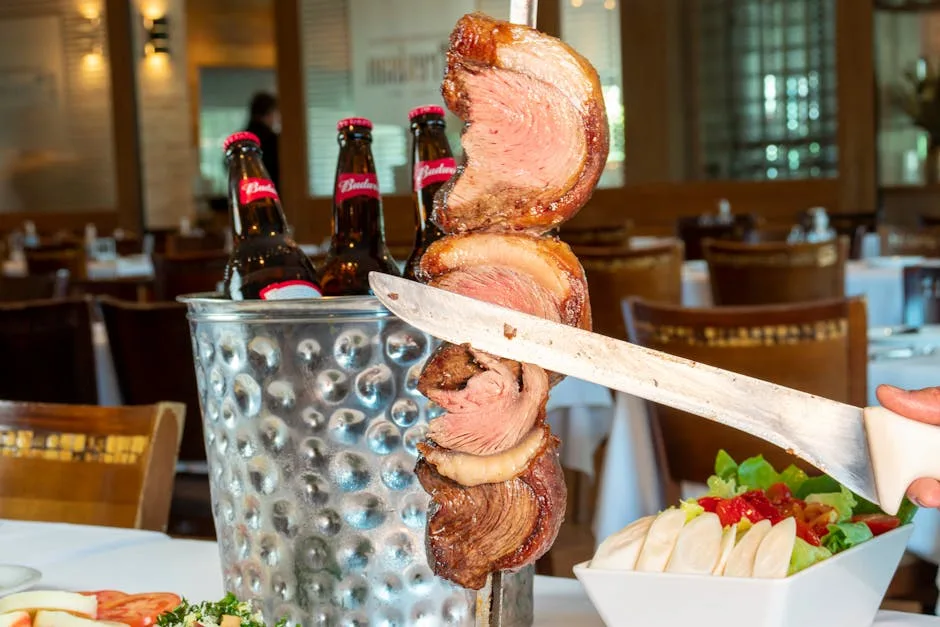
Stepping into a bustling bar in Vila Madalena or a family-run churrascaria in porto alegre involves more than just ordering a round of drinks. It’s an immersion into a social ritual where the act of sharing is as central as the food itself. In many cultures, ‘splitting the bill’ feels like a clinical transaction, a precise division of costs to ensure fairness. In brazil, it is a dance. While Pix has revolutionized how Brazilians move money instantly, it hasn’t completely erased the older, more tactile ways people handle collective expenses. Understanding how to navigate these moments without relying on instant bank transfers is essential for any traveler or expat looking to blend in and avoid the awkward silence when the check arrives.
Brazilians are famously collective. We rarely eat alone, and we almost never pay for just ourselves in a vacuum. The tradition of dividir a conta (splitting the bill) is the default setting. If you are sitting with a group of six people, the waiter will likely bring one long thermal paper strip, and the assumption is that the total will be divided equally. However, when you don’t have a local bank account to ‘Pix’ your share to a friend, or if you’re in a spot with spotty internet, you need a backup plan. This is where the nuance of Brazilian hospitality meets the reality of modern payment systems.
The Mathematical Equalizer: Rachando o Bico
The term ‘rachar’ literally means to crack or split. When a group of friends decides to rachar a conta, they are usually opting for the simplest math possible: the total divided by the number of heads. It doesn’t matter if someone had a salad and another had the picanha; unless there’s a massive discrepancy, the bill gets sliced into equal portions. This is a sign of camaraderie. If you start counting exactly how many fries you ate, you might be seen as mão-de-vaca (cow-eyed, or stingy).

When you aren’t using Pix, the most common way to handle this is the ‘Multi-Card Swipe.’ Brazilian card terminals (maquininhas) are incredibly sophisticated. You can tell the waiter, ‘Divide by four, please,’ and they will manually enter the divided amount into the machine four separate times. This allows everyone to use their own physical credit or debit cards. It’s a seamless process that most restaurants handle without a second thought. It saves the headache of one person footing the whole bill and waiting to be paid back later. This method is particularly useful for international travelers who have cards with travel-friendly foreign transaction fees but lack access to the Brazilian instant payment ecosystem.
The Cash Buffer and the ‘Troco’ Strategy
While cards are king in urban centers, cash remains a powerful tool for social smoothing. In many scenarios, especially at smaller botecos or street food stalls where the tech might be older, having ‘notas’ (bills) is a lifesaver. The 10% service charge—which is technically optional but culturally mandatory—is often easier to handle in cash. If the group is splitting a bill on their cards, someone might throw down a 20 Real note to cover the tip or the shared appetizers that weren’t easily divisible.
There is also the ’rounding up’ culture. If your share is 47 Reais, tossing a 50 Real note and telling your friend to ‘keep the change’ for the next round is a common move. It’s less about the money and more about the flow of the evening. When you don’t have Pix, being the person with physical 5 and 10 Real notes makes you the hero of the table. You become the ‘bank’ that allows others to settle small differences without needing a digital interface. This tactile exchange keeps the conversation going instead of everyone staring at their phone screens trying to navigate a banking app.
The Comanda: Individual Freedom in a Group Setting
In many larger bars and nightclubs, Brazil uses a system called the comanda. Upon entry, you are handed a numbered card or a paper slip. Every drink or snack you order is scanned onto your specific card. This is the ultimate ‘non-Pix’ way to manage a group because it eliminates the need to split anything at the end. You simply take your card to the exit counter, pay for exactly what you consumed, and leave.

This system is a blessing for those who want to control their budget. It allows a group of twenty people to party together without the mathematical nightmare of a single bill at 2 AM. However, a word of caution: losing your comanda is a cardinal sin. Most venues have a steep ‘lost card’ fee posted near the entrance. If you’re using this system, treat that little piece of plastic or paper like your passport. It is your individual contract with the establishment, and it’s the most stress-free way to navigate a night out in Rio or São Paulo without needing a local bank account.
The Pre-Paid Bucket and Shared Buckets
In the casual setting of a beach kiosk or a sidewalk bar, the ‘balde de cerveja’ (beer bucket) is the standard unit of measurement. Usually, it contains five or six bottles of 600ml beer. Instead of paying per bottle, groups often rotate who buys the bucket. This ’round-robin’ style of payment is a classic way to avoid constant bill-splitting. ‘I’ll get this bucket, you get the next one’ is a phrase you’ll hear often.
For those without Pix, this is the most organic way to participate. It relies on a high level of social trust. You aren’t calculating the exact milliliter of Brahma you consumed; you’re investing in the longevity of the afternoon. This works best in smaller, more intimate groups where the ‘debt’ will naturally settle itself over the course of a few hours or a few meetings. It’s a relaxed, non-transactional way of handling finances that prioritizes the relationship over the Reais.
Navigating the 10% Service Fee Gracefully
One of the most confusing aspects for visitors is the taxa de serviço. In Brazil, the 10% (sometimes 12% or 13% in high-end spots) is added to the bill automatically. While the law technically says you don’t have to pay it if the service was poor, almost everyone does. When splitting a bill manually with cards, the waiter will usually ask if you want to include the 10% in your portion.
If you are paying cash or using a card and the group is ‘rachando’ the bill, always check if the total you are dividing includes the service charge. It is considered quite rude to be the person who calculates their share to the cent but leaves out the tip. If you’re the one without Pix, offering to pay the entire 10% in cash while others put the main meal on their cards is a sophisticated way to handle your part of the bill. It shows you understand the local customs and are contributing fairly to the labor of the staff who served you.
The Role of ‘Vouchers’ and Ticket Restaurante
A unique quirk of the Brazilian workplace is the Vale Refeição (VR) or ‘Ticket Restaurante.’ Many Brazilian employees receive a monthly allowance for food on a specific debit-style card. When a group of coworkers goes out for lunch, you will see a flurry of these colorful cards hitting the table. For a foreigner or someone without these benefits, this can look confusing.
If you’re out with locals using their VR cards, they might have a surplus of ‘food money’ but be short on ‘cash money.’ Sometimes, a local friend might offer to pay for your meal with their VR card if you give them the equivalent in cash. This is a common ‘gray market’ exchange that happens at office lunches. It helps the employee turn their digital food credits into liquid cash, and it helps you settle your bill without needing a bank transfer. It’s a win-win that requires zero technology—just a quick conversation and a physical bill exchange.
The Etiquette of the ‘Last Sip’ and Settling Up
As the night winds down and the ‘saideira’ (the final round) is ordered, the mood usually shifts from celebration to logistics. This is the moment to be proactive. If you know you don’t have Pix, don’t wait for the bill to arrive to mention it. Simply saying, ‘I’ll pay my part on my card,’ or ‘I have cash for my share,’ sets the expectation early. This prevents the ‘organizer’ of the group from assuming they will just pay for everything and collect Pix transfers later.
Brazilians are generally very accommodating. They understand that international banking is a hurdle. The key is communication. By being upfront about your payment method, you ensure that the social harmony—the clima—remains intact. Whether it’s through the ‘multi-swipe’ at the card terminal, the strategic use of cash, or the individual comanda, splitting a bill in Brazil is less about the money and more about the shared experience. As long as you contribute your fair share and do so with a smile, you’ll find that the logistics of the bill are just a minor footnote in a night of great food and even better company.