
What ‘winter’ really means in Rio
When foreigners hear “winter in brazil” they picture snow, wool coats, and frozen landscapes. Rio de janeiro refuses to play by that script. june is part of the southern Hemisphere winter, but in Rio winter reads like a milder, drier chapter of the year: cooler mornings and evenings, comfortable daytime temperatures, and clearer skies that sharpen the city’s iconic views.
Expect daytime highs that feel pleasantly warm without the exhausting humidity of the summer months; nights cool enough for a light jacket. Rainfall drops compared with the December–March wet season, which means fewer sudden storms disrupting your sightseeing. Those changes aren’t just meteorological trivia — they transform how you experience the city. Layers replace heavy parkas, sidewalks become walkable again, and famous lookout points stop feeling like steamy photo booths and start feeling like open-air theaters for dawn and dusk.
Why fewer tourists changes everything
June sits outside Rio’s high season peak. International crowds swell around Carnival and the end-of-year holidays, but June offers a quieter city. Less line time in front of major attractions — think Christ the Redeemer and Sugarloaf — translates into more relaxed mornings, real conversations with vendors, and longer stretches to soak in a view without someone elbowing into your photo.
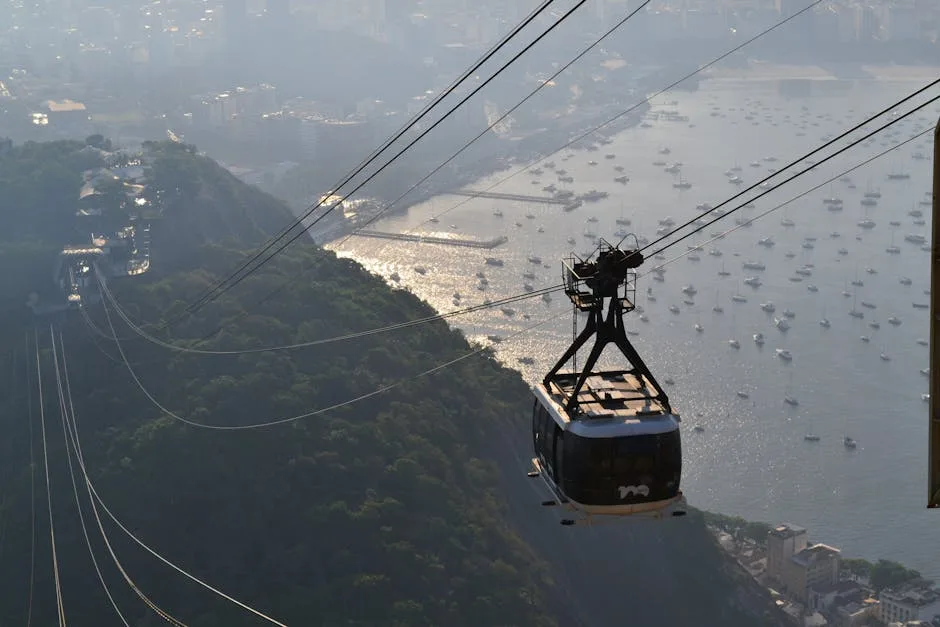
Lower visitor numbers improve the quality of a trip in simple, visceral ways: you’ll catch sunrise light from the viewing platform at Cristo with space to yourself, ride the Sugarloaf cable car without waiting for the next rotation, and find a café table at Rua do Ouvidor without hunting. This quieter rhythm also opens the door to more authentic interactions — a street vendor sharing the history of a neighborhood, or a local recommending a neighborhood samba house that tourists usually miss.

Light, clarity, and photography that rewards early risers
Photographers pay attention to humidity and haze; June gives you cleaner air and crisper horizons. The mornings are often crystalline: Guanabara Bay, Niterói’s distant silhouette, and the spines of Tijuca’s hills appear with definition that’s washed out in summer’s hazy heat. Golden hours stretch pleasantly because the sun rises later and sets earlier than in summer, which makes catching spectacular dawns and dusks more convenient for travelers adjusting to jet lag.
Plan a sunrise session at Mirante Dona Marta or a sunset walk along Arpoador, when the light sculpts the waves and the city takes on a soft, cinematic palette. If you care about photos, travel light, bring a tripod for low-light shots, and you’ll come away with images that feel cleaner and more intentional than the mid-day tourist snapshots everyone else posts.
Local celebrations: Festa Junina and June street life
June brings its own cultural rhythm to Rio. Festa Junina — the traditional June festival honoring rural saints — fills squares, community centers, and even some bars with bunting, paper lanterns, and a charged, communal spirit. While the biggest Festa Junina parties are in the Northeast, Rio embraces these festivities with quadrilha dances, folk music, and food stalls selling corn-based delights.
Expect to find tables offering canjica (a sweet corn pudding), pamonha (corn paste steamed in a corn husk), grilled corn on the cob, and quentão — a spiced hot drink made with cachaça that warms you through on cool nights. Neighborhoods like Madureira, Bangu, and some cultural centers in Zona Sul host lively gatherings where Cariocas gather with friends and family. These are excellent places to taste genuinely local food expressions and watch everyday Rio life up close, without the polished veneer of tourist shows.
Beaches remain beautiful — with breathing room
Don’t expect summer crowds piling towels shoulder-to-shoulder along Ipanema and Copacabana, but do expect the same long stretches of sculpted sand and striking waves. June is ideal for long walks, collecting seashells, or watching surfers carve lines without jostling through sunbathers. The cooler air makes a beach walk restorative rather than exhausting, and the sea breeze feels clean and invigorating.
Many beach kiosks stay open and still serve classic snacks like água de coco and caldo de cana. Sundowners at Arpoador are particularly pleasant this time of year: fewer people, clearer horizons, and sunsets that invite conversation rather than crowd control. For solitude seekers, head to the north-south arc of Vidigal or small coves near São Conrado for a more secluded shoreline experience.

Hiking, gardens, and green escapes that reward good weather
June’s milder weather makes hikes in and around Rio far more enjoyable. Tijuca Forest trails — from easy strolls to steeper treks toward Pico da Tijuca — feel breathable rather than swampy. Botanical Garden paths show off winter-flowering species, and the lower humidity keeps insects less persistent than during the summer months.
Day-trip options expand when the weather cooperates. Petrópolis, the imperial mountain town about an hour by car, presents pleasant temperatures and a different architectural world to explore. If you want beach time and a quieter island feel, ferries to places like Ilha Grande run with less chaos in low season; expect calmer waiting lines and easier navigation on boats. For architecture and modern art lovers, the ferry across Guanabara Bay to Niterói puts the MAC building — and its sweeping views back toward Rio — on a doable half-day itinerary.
Evenings, samba, and dining without the crush
Rio’s nightlife doesn’t hibernate in June. Lapa’s bars and samba houses maintain their electric energy, and the cooler air means outdoor tables at restaurants are prime spots for people-watching. Without the crush of peak-season tourists, you can get a table at a popular trattoria or reserve a spot at a local music venue without weeks of advance planning.
Use the quieter evenings to explore a proper feijoada experience — many restaurants serve this hearty black-bean and pork stew on Saturdays — or to sample street food at a neighborhood festival. For authentic samba, look for smaller casas de samba where locals gather rather than the bigger tourist-oriented shows. These places reward curiosity: sit, listen, and let the rhythm introduce you to how Cariocas celebrate together on a cool evening.
Smart packing and daily logistics
Packing for June in Rio is straightforward if you embrace layers. Lightweight shirts and shorts for daytime comfort, an insulating mid-layer for cooler mornings and evenings, and a windproof jacket if you plan to be out after sunset will cover most situations. Comfortable walking shoes are essential; cobblestones and steep lanes in neighborhoods like Santa Teresa require stable soles. Bring sunscreen and a hat — UV levels remain significant even on cooler days — and a small umbrella or compact rain jacket for occasional showers.
Transportation is convenient: apps like Uber and local taxis operate citywide, and buses and the metro cover many tourist areas efficiently. For longer excursions, consider private transfers or reputable tour operators — especially for trips to mountainous areas like Petrópolis or for early-morning hikes where timing matters. Keep a small amount of cash for street vendors and small purchases; some kiosks and markets prefer or only accept cash.
Safety, respect, and traveling like a thoughtful guest
Rio is a vibrant city with neighborhoods that range from affluent to economically challenged. Standard urban prudence applies: keep valuables discreet, avoid poorly lit or isolated areas at night, and use trusted transport options after dark. When visiting favelas, choose established community-led tours; these provide economic benefits to residents and avoid exploitative practices.
Learning a few Portuguese phrases goes a long way. Saying obrigado/obrigada, por favor, and com licença opens doors and earns smiles. Cariocas are passionate about their neighborhoods and often happy to point you toward hidden gems if you show curiosity and respect.
Money matters and booking tips
June often brings better rates for hotels, domestic flights, and some tours compared with the holiday-heavy months. If you have flexibility, watch airfare and hotel deals for mid-week travel, when prices sometimes dip further. For popular attractions like the Christ the Redeemer tram and the Sugarloaf cable car, book timed tickets in advance to secure preferred time slots — but know that you’ll face shorter queues than in summer, so same-day plans often succeed if your schedule allows spontaneity.
If you plan to attend Festa Junina events or major concerts, buy tickets from verified sources. Restaurants in well-known neighborhoods accept reservations and appreciate them during festival weekends, so reserve ahead for Friday and Saturday nights.
Immersive experiences that work best in June
June rewards slow, immersive travel. Instead of trying to pack every landmark into a rushed itinerary, choose neighborhoods to explore on foot. Santa Teresa’s winding streets reveal local ateliers and street art; boteco hopping in Lapa after sunset gives a feel for the city’s musical heart; and an early morning visit to the municipal market (Mercadão) exposes you to Carioca breakfast habits and fresh tropical produce.
Take advantage of the clearer air and lower haze for photography walks along the lagoon and bay. Consider a sunrise hike to Pedra do Telégrafo or the Dois Irmãos viewpoint for fewer people and cleaner photos. If you like festivals, time your visit to coincide with a local Festa Junina — these events place you inside neighborhoods, sitting on plastic chairs, eating a steaming plate of corn-based sweets and chatting with people who have lived in the area their whole lives.
When rain or a cold front does arrive
June is drier overall, but Rio’s weather can flip when a cold front sweeps north from the south. These fronts bring cooler temperatures and sometimes a few days of gray. View these moments as invitations to other pleasures: museum days at MAR or the Museum of Tomorrow, a long lunch at a cozy restaurant, or an extended visit to Casa de Cultura or theater productions. Rainy windows mean fewer crowds at indoor attractions and often dramatic, moody photographs of a city built on contrasts.
Why June gives you a more local Rio
Traveling in June creates space to notice details that vanish in summer’s rush. Vendors speak slower, not racing from one tourist to the next. Coffee shops and kiosks have time to chat; musicians on street corners tune up for an intimate audience. You’ll observe quotidian rhythms — people commuting, workers taking a morning break, kids playing soccer on a quieter promenade — that replace tourist spectacle with lived-in texture. That’s the real gift of visiting Rio in winter: you see the city as residents live it, not as a nonstop entertainment stage.
Practical checklist for a June visit
- Packing: light layers, jacket for evenings, comfortable walking shoes, sunscreen, small umbrella.
- Booking: timed-entry tickets for major attractions, advance reservations for weekends, buy Festa Junina tickets from trusted sellers.
- Transport: use official taxis or ride apps at night, consider private transfers for mountain day trips.
- Money: carry some cash for street vendors, use cards at restaurants and hotels, watch for dynamic exchange rates.
- Health: basic meds, any prescriptions, insect repellent for forested hikes, and hydration supplies for long walks.
Final invitation to experience Rio differently
June is a season of contrasts in Rio: quieter beaches, clearer light, and festival energy that comes from neighborhoods rather than show stages. It’s the city with room to breathe and time to notice. If you want to trade crowds for conversation, humidity for walking comfort, and tourist churn for local life, put Rio on your June travel map — you’ll come back with images, tastes, and stories that feel intimate and distinctly Carioca.