
Why clear winter days make the Mantiqueira sing
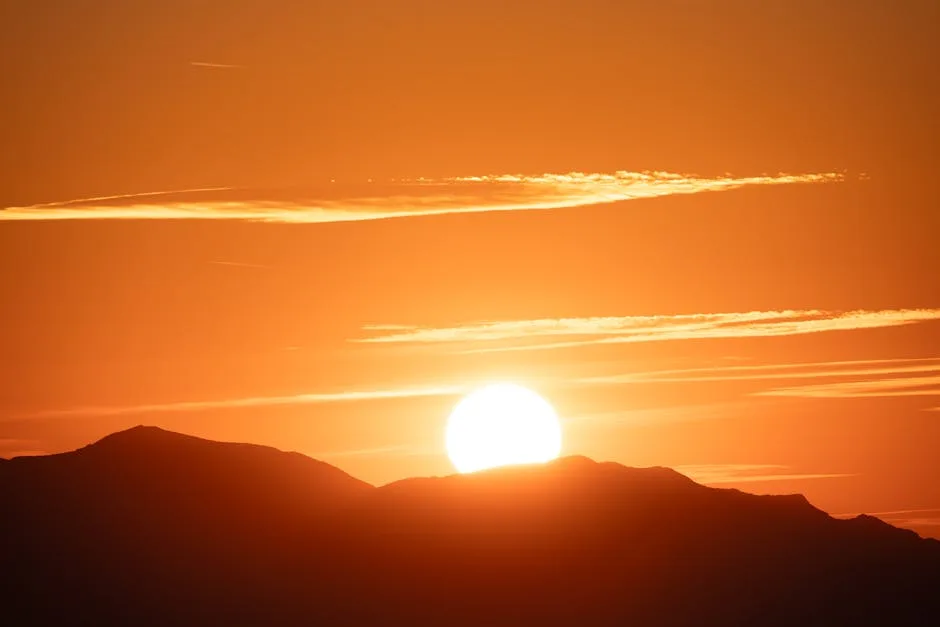
When the humidity drops and the skies turn crystalline, the Mantiqueira Mountains reveal long, layered ridgelines and a brightness you only get for a few months. Visibility stretches from one range to the next, valleys fill with early-morning mist, and the low-angle winter sun sculpts granite faces and campos de altitude with dramatic shadows. Those conditions transform ordinary hikes into days with photography-grade light, wide vistas and the kind of horizon you remember for years.
Preparing for cold, clear summit days
Clear winter days bring paradoxes: spectacular sunshine by day and near-freezing on exposed summits. Treat packing like a checklist you respect. Start with three reliable layers: a breathable base, an insulating midlayer, and a windproof shell. A warm hat and thin gloves are essential for dawn starts. Sturdy hiking boots with a firm tread matter because frost and early-morning damp can turn granite slabs slick. Bring sun protection—UV is stronger when the air is thin and reflective—but add a warm drink in an insulated bottle for the post-dawn chill.
Navigation and safety equipment matter more than fancy extras. A headlamp, a fully charged power bank, a paper map (or offline GPS route), and a small first-aid kit belong in every pack. Mobile signal becomes unreliable above tree line; leave your route and estimated return time with someone in town. For steeper technical sections, local guides reduce risk and will often point out seasonal hazards like frozen mud or loose scree that are not obvious to a one-time visitor.
Trails that reward crystal-clear views
These routes offer the clearest payoff for a winter day: high ridgelines, exposed summits and viewpoints that open onto long-distance panoramas. I’ve chosen a mix of shorter, accessible hikes and longer, more committed routes so you can match the day to your fitness and taste.
Pedra do Baú (Baú massif)
Pedra do Baú sits near São Bento do Sapucaí and gives a condensed taste of the Mantiqueira: steep granite faces, dramatic ledges and a horizon that sweeps from valleys to distant peaks. On a clear winter morning the sun grazes the stone, bringing out color and texture that disappear in summer haze. The usual approach involves steep switchbacks, short exposed scrambling and well-established anchors where climbers practice on the slabs. This is a perfect half-day option if you want big views without committing to a full alpine day.
Pico dos Marins
Pico dos Marins stands out for its striking silhouette and uncompromised views. From the summit you get an uninterrupted sweep across the São Paulo side of the Mantiqueira and, on very clear days, layered mountain bands that fade in soft blues. The trail is steeper in sections and the final ascent requires careful footing on exposed rock. Reserve this hike for a cool, dry day; clear winter skies deliver visibility and the cold keeps biting insects at bay.
Agulhas Negras (Itatiaia massif)
The Itatiaia massif hosts Agulhas Negras and a cluster of dramatic granite summits. This area sits inside a national park with defined trails and visitor infrastructure. Clear winter conditions mean sharp light on the jagged needles and sweeping outlooks into deep forested valleys below. Choose either a day ascent—if you are prepared for alpine terrain—or combine a summit attempt with an overnight stay in a park refuge. Park rules and entrance fees apply; check the official park page before you go and arrive early to secure good weather windows.
Pedra da Mina (high ridge hiking)
Pedra da Mina is one of the most rewarding high-ridge experiences in the Mantiqueira. It sits on a long, exposed ridgeline that gives hikers continuous viewpoints and a sense of real altitude. The trail demands endurance and navigation sense: long approaches, rocky saddles and sometimes patchy vegetation at higher elevations. Clear winter days turn Pedra da Mina into a panorama machine—every summit reveals another ridge and a distant town tucked into the valley. This hike suits a committed hiker or a group with a guide.
Serra Fina traverse (for ambitious hikers)
The Serra Fina is a classic high-difficulty traverse that rewards patience and route-finding skill. On clear winter days the ridge feels infinite: repeated summits and knife-edge sections give a steady stream of viewpoints and photographic opportunities. This route takes time and careful planning—expect variable terrain, exposed sections and a sustained physical effort. For those who want a continuous, immersive mountain day under pristine winter light, this is unmatched.
How to frame the landscape for sharp winter photos

Clear light is both a blessing and a compositional challenge. High contrast film-like scenes explode from midday sun, while early morning and late afternoon give the gentle angles that reveal texture. Start shoots at dawn: frost dissolves into mist, and the first light bathes granite in warm tones. Use a polarizer to deepen skies and cut glare on rock faces. For long-distance shots, a telephoto lens compresses ridgelines and reveals patterns of light across valleys. Don’t neglect foregrounds—boulders, scrubby vegetation or a cairn provide scale and keep images from feeling flat when you photograph wide-ranging horizons.
Think about sequence. On a clear day, a single summit offers dozens of compositions: wide-angle horizons, mid-range ridgelines that show geology, and close-up textures with the mountain’s character. When clouds begin to form late in the day, focus on dramatic silhouettes and high-contrast shots. If you’re photographing people, place them off-center and use the vastness of the scene to emphasize scale.
Safety, permits and practical realities
National parks and protected areas around the Mantiqueira operate different rules. Some sectors have gated park entrances, fees, or required registrations; others are unrestricted forest land with privately maintained trails. Check official park sites or talk to local ranger stations so you know whether you need a pass. Many of the better-known summits, especially in Itatiaia and around major towns, have formal trailheads with parking and marked routes.
Timing matters more than you think. On clear winter days, start early to catch the best light and to avoid late-afternoon winds that build along ridges. Hypothermia risk comes from dampness and wind at lower temperatures; do not underestimate exposed summits even if the sun feels warm. If a route includes scrambling or iron anchors, consider hiring a local guide. They know seasonal shortcuts, where frost collects, and how to avoid unstable sections that look fine in summer but become treacherous when temperatures drop.
Where to base, sleep and eat after a long day

Towns like Campos do Jordão, Monte Verde, Gonçalves and Visconde de Mauá make for convenient bases. Each town has a distinct character: Campos do Jordão leans toward alpine-style accommodations and is close to accessible trails; Monte Verde offers a cozy mountain-village atmosphere with a strong hiking culture; Gonçalves is quieter with nearby natural attractions and artisanal food; Visconde de Mauá suits people who want both river valleys and highland ridges in one trip.
Pick lodging that understands hikers—places that will hold your gear overnight, provide a hearty breakfast and offer a warm place to return to after a cold summit. Local cuisine tends toward rustic mountain fare: stews, roasted meats, polenta and regional cheeses that restore calories efficiently. If your hike finishes late, scope out restaurants ahead of time or plan a simple thermal meal in your room. Many small pousadas will prepare a packed lunch if you ask the evening before.
A practical 3-day winter weekend plan
Day 1: Arrive at your base town mid-afternoon, check gear, buy trail snacks and have an early dinner. Sleep well and set alarms for a dawn start. Day 2: Tackle a peak suited to your fitness—Pedra do Baú or Pico dos Marins make excellent single-day summits with great payoff. Return in the late afternoon to warm drinks and a long stretch. Day 3: Choose either a longer ridge walk like a section of Pedra da Mina or a more leisurely valley hike combined with a scenic drive to a viewpoint. Leave buffer time for weather changes and for a relaxed return trip.
That structure gives a balance: one big summit day, one half-day with flexible timing, and a buffer day for travel delays or for scouting photography locations at golden hour. If you prefer more ambitious routes, substitute the half-day for a guided multi-summit traverse and extend your stay accordingly.
Leave the place better than you found it
These mountains rely on a delicate balance between visitors and conservation. Stick to marked trails, carry out your trash, and avoid loud behavior that stresses wildlife. Camp only where allowed and never build permanent fire rings on fragile rock or peat soils. If you hire a guide, choose those who follow Leave No Trace principles; local guides who practice conservation are invested in keeping trails viable for future hikers.
Ask around in town before you go—locals will point out seasonal closures, fragile plant communities and private lands to avoid. Their knowledge helps you pick the best trail for a clear winter day and keeps the experience respectful and sustainable.
Final practical tips for making the most of a clear winter day
Plan for short daylight hours. Winter days are long on light quality but short on total daylight; start at first light and aim to be off exposed ridges well before sunset to avoid temperature drops and visibility loss. Hydration matters: you won’t feel sweat as much in cold weather, but the body still needs fluids. Pack calorie-dense snacks that are easy to eat with gloves on: nuts, dense bars and chocolate. Finally, take time to stop and look: on clear winter days the Mantiqueira displays layers, light and landforms that require a slow eye to appreciate. Carry a small notebook or use voice memos to record locations and compositions you love—memory fades, and these details make future visits and photographs richer.