
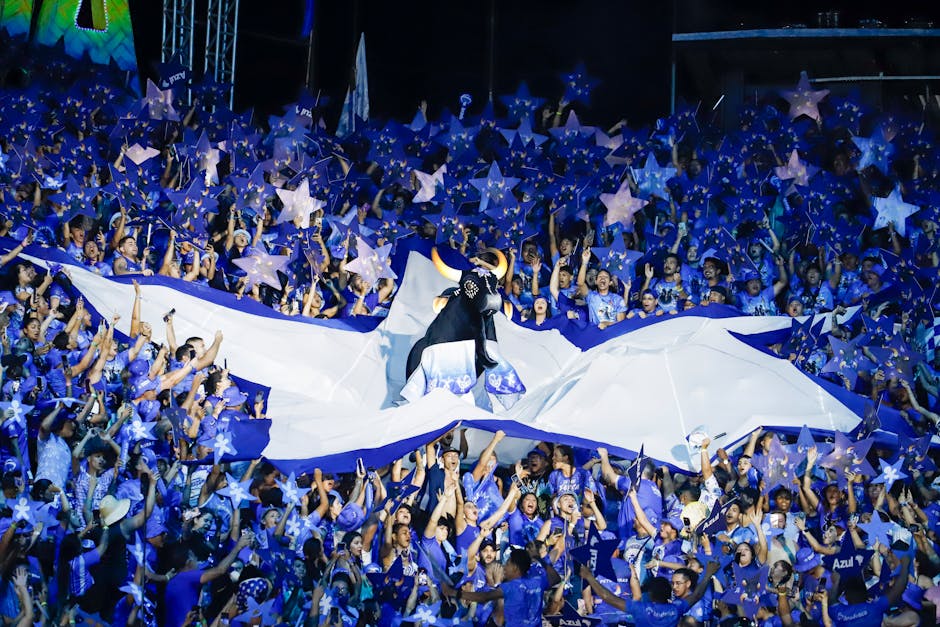
When June arrives in brazil, the scent of corn cake and the crackle of bonfires fill the air across the country. But while most states are busy dancing the quadrilha, Maranhão is preparing for something entirely different, something that pulses with a rhythmic intensity found nowhere else on earth. Bumba Meu Boi isn’t just a festival; it’s a living, breathing tapestry of history, resistance, and sheer creative joy that transforms the streets of São Luís into a kaleidoscope of feathers, velvet, and drums. If you’ve ever felt like modern festivals have lost their soul to commercialism, Maranhão is the antidote. Here, the party belongs to the people, and the story it tells is as old as the soil itself.
The Legend That Ignites the Streets
To understand the frantic energy of the dancers and the deep resonance of the drums, you have to understand the myth. At its heart, Bumba Meu Boi is a theatrical retelling of a story involving a pregnant slave named Catirina. Craving the tongue of the finest ox on the farm, she convinces her husband, Francisco, to kill the prize animal belonging to their master. When the master discovers the loss, Francisco is hunted down, but the community comes together—including healers and indigenous shamans—to resurrect the ox through magic and prayer. The animal rises, and the cycle of life and forgiveness is celebrated with a massive party.
This isn’t just a quaint fairy tale. It’s a narrative of survival. Historically, it represented the struggle of the marginalized—Black and Indigenous people—against the oppression of the plantation owners. For a long time, the authorities actually banned Bumba Meu Boi, fearing the gathering of so many people from the lower classes. But you can’t kill a tradition that lives in the blood.

Today, that resistance has turned into a UNESCO Intangible Cultural Heritage of Humanity, proving that the things we fight to keep are usually the things most worth having.
The Five Rhythms of Maranhão
One of the biggest mistakes a first-timer makes is thinking all Bumba Meu Boi is the same. In reality, the festival is divided into ‘sotaques’ or styles, each defined by the instruments they use, the pace of the music, and the costumes they wear. It’s a regional taxonomy that locals take very seriously. If you’re standing in the middle of a ‘arraial’ (the festival grounds), you’ll quickly learn to distinguish them by ear.
The Sotaque de Orquestra is perhaps the most visually lush. Influenced by European traditions, it features brass instruments like saxophones and clarinets, and the dancers wear magnificent velvet capes covered in intricate beadwork. Then there is the Sotaque de Zabumba, which keeps the African roots front and center with massive, deep-toned drums that you feel in your chest before you hear them in your ears. This style is raw, rhythmic, and incredibly grounding.
For those who love speed, the Sotaque de Matraca is the soul of the city. Here, thousands of people clash wooden blocks (matracas) together in a hypnotic, deafening wall of sound. It is communal music at its most primal. There is also the Sotaque de Pindoba and the Sotaque da Baixada, the latter known for its slower, more melancholic tempo and the iconic ‘Cazumbás’—masked figures in oversized tunics who represent the magical, spiritual element of the story. These characters often carry rattles and dance with a playful, mischievous energy that keeps the crowd on their toes.
The Life of a Performer
Being part of a ‘Bo’ (a group) isn’t a hobby; for many Maranhenses, it’s a lifelong commitment. Preparations start months in advance, often as early as January. In small workshops across São Luís, artisans spend thousands of hours hand-sewing sequins onto heavy velvet capes. Every bead tells a story, and every feather is placed with precision. The costumes can weigh upwards of 30 pounds, yet the performers dance in the humid tropical heat for hours without missing a beat.
The devotion is palpable. During the ‘Batismo do Boi’ (the Baptism of the Ox), which occurs before the public performances, the groups seek spiritual blessings. This religious syncretism, blending Catholicism with Umbanda and Indigenous beliefs, gives the festival a sacred undertone. You aren’t just watching a show; you are witnessing a ritual. When the ‘Miolo’—the person inside the ox costume—starts to move, the animal truly seems to come alive. The way the fabric ripples and the head tosses is uncanny, a testament to the skill of performers who have been doing this since they were children.
Navigating the Arraiais of São Luís
If you find yourself in São Luís during June, the city can feel like a labyrinth of celebration. The ‘arraiais’ are the hubs of activity. The largest ones, like the Arraial do Ipem or the one at Praça Maria Aragão, offer a structured experience with stages, seating, and a wide array of food stalls. But if you want the real, unvarnished experience, you head to the neighborhoods. Places like Liberdade or Madre Deus are where the ‘Bois’ originate.

Here, the street is the stage, and the barrier between the performers and the audience evaporates. You might find yourself swept into a crowd of ‘matrateiros’, the wooden blocks clicking in unison with your own heartbeat.
The logistics are part of the charm. There is no central ticketing office; the festival belongs to the public. You simply follow the sound of the drums. The weather in June is usually hot with occasional tropical downpours, but the rain rarely stops the dance. In fact, a sudden shower often cools the air and adds a sense of drama to the velvet and mirrors of the costumes. It’s important to wear comfortable shoes because you will be walking—a lot. The historical center, with its tiled facades and cobblestone streets, provides a backdrop that looks like a film set, especially when the moonlight hits the colorful flags strung between the buildings.
A Culinary Journey Through the Feast
You cannot talk about Bumba Meu Boi without talking about the food. The ‘São João’ period in Maranhão is a culinary peak. The star of the show is ‘Arroz de Cuxá’, a rice dish made with vinagreira (a sour leaf), dried shrimp, and sesame. It’s an explosion of umami and acidity that is perfectly Maranhense. It’s often served with fried fish or ‘torta de camarão’ (a shrimp pie that’s more like a dense omelet).
As you wander the stalls, you’ll also find ‘Mingau de Milho’ (a warm corn porridge) and various types of ‘beiju’ and ‘pamonha’. But the real secret is the fruit. Maranhão is home to flavors you won’t find in the south of Brazil. Try the Juçara (the local version of Açaí, but served savory with shrimp and manioc flour) or a cold glass of Bacuri juice. These flavors are as much a part of the cultural identity as the music. Eating a hot plate of food while a Sotaque de Orquestra group plays in the background is a sensory experience that defines the June nights in the Northeast.
The Magic of the ‘Death’ of the Ox
As June turns into July, the festival doesn’t just fizzle out. It moves toward its emotional climax: the ‘Morte do Boi’ (the Death of the Ox). This ceremony, which can happen anytime from late July to the end of the year depending on the group, represents the end of the cycle. It is a bittersweet moment. The ox is symbolically killed, its ‘meat’ (often represented by wine or soda) is shared with the community, and the spirit of the animal is put to rest until the next year.
There is a profound beauty in this ending. It acknowledges that all things are cyclical. The dancers strip off their elaborate costumes, the drums are put away, and the planning for the next year begins almost immediately. This cycle ensures that the tradition remains fresh. It’s not a museum piece; it’s a living entity that evolves with every generation. Young people are constantly finding new ways to express their love for their ‘Boi’, ensuring that the Matraca will continue to sound for centuries to come.
Practical Tips for the Modern Traveler
Visiting São Luís during Bumba Meu Boi requires a bit of a flexible mindset. The city gets crowded, and schedules are often more like suggestions. If a group is supposed to perform at 10 PM, they might show up at midnight—and no one complains. The wait is just part of the social experience. It’s a time to talk to neighbors, grab a drink, and soak in the atmosphere.
Safety is generally good in the main festival areas, but like any large gathering, keep your wits about you. Stick to the busier areas and use official transport. More importantly, engage with the locals. Maranhenses are incredibly proud of their culture and are usually happy to explain the difference between a ‘Pandeiro’ and a ‘Zabumba’ to a curious visitor. Don’t be afraid to try the dance moves, even if you look a bit clumsy compared to the seasoned performers. The spirit of Bumba Meu Boi is inclusive; it’s about the collective joy of being alive and celebrating a story that belongs to everyone.
Beyond the capital, consider visiting the Lençóis Maranhenses if you have time. While the festival is the cultural heart, the dunes and lagoons are the natural soul of the state. Seeing both gives you a complete picture of why this corner of Brazil is so special. But even if you never leave the streets of the Historic Center, the echoes of the drums and the sight of a velvet ox spinning under the stars will stay with you long after the June bonfires have gone out.