
Why the Dry Season is the Sweet Spot
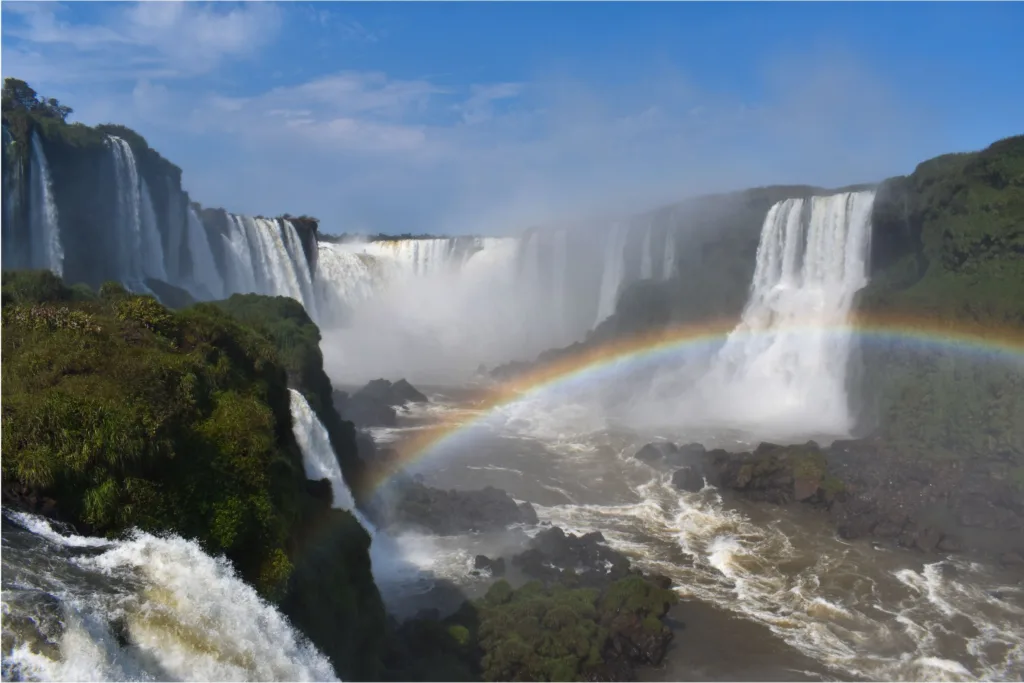
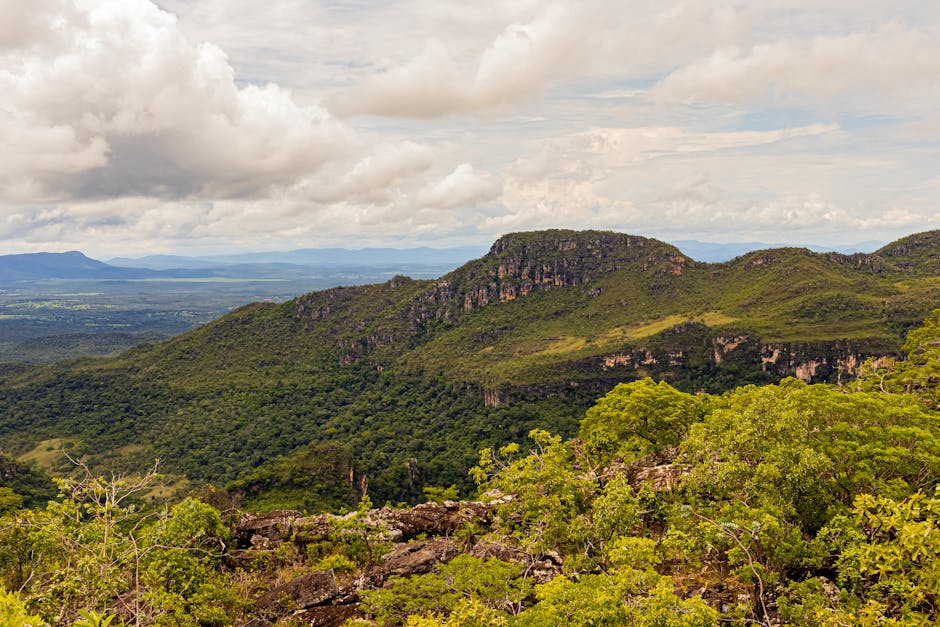
When the rain retreats and the sun paints the plateau in golden hues, Chapada Diamantina transforms into a hiker’s playground. The trails dry out, river crossings become manageable, and the iconic waterfalls reveal crystal‑clear basins perfect for a quick dip. Temperatures hover between a comfortable 20 °C at night and 30 °C during the day, which means you can pack light layers without fearing sudden downpours. The landscape, already dramatic with its sandstone cliffs and verdant valleys, takes on a sharper contrast: the red rock glows against the deep‑green canopy, and the sky stretches endlessly, offering unobstructed views of distant horizons.
This is the time locals call “a estação seca”, and it’s when the region’s most celebrated routes are at their most accessible.
Getting There: Finding Your Way to the Heart of the Plateau
Most travelers arrive via Salvador, catching a short flight to Lençóis, the gateway town that feels like a living museum of colonial architecture. From Lençóis, a 30‑minute bus ride or a 20‑minute drive brings you to the trailheads that dot the park’s perimeter. If you prefer a more flexible schedule, renting a 4×4 is common; the gravel roads can be rough, but the payoff is a front‑row seat to the park’s hidden valleys. Once you’re on the ground, the park’s visitor center offers up‑to‑date maps, weather briefings, and a friendly staff eager to share insider tips. Don’t forget to stock up on bottled water and snacks in Lençóis—while the park has basic kiosks, they’re often closed during the dry season’s quieter weekdays.
Trail #1: The Vale do Pati Trek – A Multi‑Day Expedition
Vale do Pati is the crown jewel for those who crave immersion. Spanning roughly 70 km, the trek can be broken into three to four days, each night spent in rustic camping sites or simple pousadas that blend into the landscape. Day one starts at the village of Pati, where you’ll cross the Rio do Meio on a sturdy wooden bridge before ascending a gentle slope that opens onto a sweeping vista of jagged peaks. The trail follows a series of ridgelines, offering intermittent glimpses of the iconic Morro do Pai Inácio in the distance. Mid‑day, you’ll encounter the Cascata do Sossego, a waterfall that, even in the dry season, maintains a modest flow—perfect for a quick splash.
Day two pushes you deeper into the valley, where the terrain shifts from open grasslands to dense cerrado. The air carries the scent of wild orchids, and you might spot a troop of howler monkeys echoing through the canopy. The highlight is the natural pool at the base of the Rio do Pati, a turquoise oasis that reflects the surrounding cliffs like a mirror. Nightfall brings a sky so clear you can trace the Milky Way without a telescope. Day three, if you choose to continue, leads you out via a steep descent to the village of Mucugê, where a celebratory meal of feijoada awaits.
Trail #2: Cachoeira da Fumaça Loop – A Day‑Long Waterfall Chase
For hikers who want a rewarding day without the commitment of a multi‑day trek, the Cachoeira da Fumaça loop delivers. The trail begins at the parking lot near the town of Vale do Capão and climbs a well‑marked path that gains about 600 m in elevation over 4 km. The ascent is steady, with occasional switchbacks that let you catch your breath while still moving forward. About halfway up, you’ll pass a small chapel perched on a rock outcrop—locals say it’s a place for travelers to leave a prayer before tackling the final stretch.
The reward at the summit is the 340‑meter drop of Cachoeira da Fumaça, one of Brazil’s tallest waterfalls. In the dry season, the water thins to a graceful veil, creating a mist that clings to the surrounding rocks—hence the name “Fumaça” or “Smoke”. The pool at the base is surprisingly deep, and the surrounding rocks are warm from the sun, making it an ideal spot for a brief rest. The loop continues down a different trail that skirts the river, offering occasional glimpses of the waterfall from new angles. The entire hike takes about 5‑6 hours, including time to soak in the view and snap a few photos.
Trail #3: Morro do Pai Inácio Sunrise – A Short but Spectacular Climb
If you’re pressed for time but still crave a classic Chapada experience, the Morro do Pai Inácio hike is the answer. The trailhead is a short drive from Lençóis, and the path itself is a well‑trod 2 km round‑trip that climbs a steep, rocky ridge. The ascent is a bit of a workout—expect a few scrambles over loose stones—but the payoff is immediate. Reaching the summit just before sunrise, you’ll be greeted by a panoramic sweep of the entire park: the jagged silhouettes of the Serra do Sincorá, the winding rivers that carve the valleys, and the distant glow of the Atlantic Ocean on the horizon.
The early light paints the sandstone in shades of pink and orange, a photographer’s dream. After the sunrise, the trail descends gradually, passing a small chapel that offers a quiet spot for reflection. The descent is less strenuous, allowing you to linger and enjoy the cooler morning air before heading back to town for a hearty breakfast.

This hike is popular among locals, so arriving early ensures you avoid the small crowd that gathers later in the day.
Trail #4: Ribeirão do Meio Canyon Walk – A Hidden Gorge Adventure
Ribeirão do Meio is a lesser‑known gem that rewards those willing to venture off the main tourist routes. The trail starts at a modest parking area near the village of Andaraí and follows a narrow canyon carved by the eponymous stream. The path is a mix of shaded forest trails and exposed rock slabs, with occasional waterfalls that still flow in the dry season, albeit as thin ribbons.
The canyon walls rise up to 30 m, creating a natural tunnel that amplifies the sound of the water and the occasional bird call. Midway through, you’ll encounter a natural bridge formed by erosion—a perfect spot for a quick snack and a photo. The final stretch opens onto a broad valley where the river spreads into a series of shallow pools, perfect for a brief dip. The hike takes roughly 4 hours round‑trip and is suitable for moderately fit hikers who enjoy a blend of technical footing and scenic variety.
Trail #5: Lapa Doce Hidden Gems – Exploring Caves and Cliffs
Lapa Doce, a small settlement perched on a cliff edge, serves as the gateway to a network of caves and short hikes that showcase the region’s karst landscape. The most accessible route is the “Caverna da Torrinha” trail, a 3‑km loop that weaves through dense vegetation before arriving at the cave’s mouth. Inside, the limestone walls are adorned with stalactites that glisten in the shafts of sunlight that pierce the darkness.
Beyond the cave, the trail continues to a viewpoint known as “Mirante da Lapa”, where you can see the town’s terracotta roofs against the backdrop of the sprawling plateau. The descent follows a series of switchbacks that lead back to the parking area, passing a small waterfall that, even in the dry season, offers a gentle spray. The entire hike is manageable in a half‑day and provides a mix of spelunking, photography, and cultural immersion, as you’ll often encounter locals selling homemade cheese and fresh fruit.
Practical Tips for a Safe and Enjoyable Dry‑Season Hike
Even though the dry season eases many of the challenges posed by rain, preparation remains key. First, pack a reliable water filter or purification tablets—streams may be shallow, but they can still harbor bacteria. A lightweight, breathable rain jacket is still advisable; weather in the plateau can shift quickly, and a sudden shower can turn a trail muddy in minutes.
Footwear matters. Opt for a sturdy hiking boot with good ankle support and a sole that grips both rock and loose sand. Many trails feature sections of loose scree where a slip could lead to a tumble. Sunscreen, a wide‑brimmed hat, and sunglasses protect you from the high altitude sun, which can be intense even when clouds are sparse.
Navigation is straightforward thanks to well‑marked signs, but carrying a physical map or a downloaded offline map on your phone adds an extra layer of security. The park’s visitor center provides daily updates on trail conditions, and the staff can advise on any temporary closures due to maintenance or wildlife activity.
Finally, respect the environment. Stick to established paths, carry out all trash, and avoid picking plants or disturbing wildlife. Chapada Diamantina’s ecosystems are fragile, and the dry season makes them even more vulnerable to erosion. By treading lightly, you help preserve the beauty that draws hikers back year after year.
Beyond the Trails: Savoring the Local Flavors and Culture
After a day of trekking, Lençóis and its neighboring villages offer a culinary scene that reflects the region’s agricultural roots. Try the “acarajé”—a deep‑fried ball of black‑eye pea dough filled with spicy shrimp—and pair it with a glass of fresh guava juice. In Mucugê, the local cheese, known as “queijo de coalho”, is often served warm, drizzled with honey from nearby beekeepers. Evening gatherings in the town squares feature live forró music, inviting travelers to join in a spontaneous dance under the stars.
For those who want to extend their stay, guided tours of the historic gold‑mining tunnels are available, offering a glimpse into the 19th‑century boom that gave Chapada its name—“Diamantina” referring to the diamond discoveries that once attracted prospectors. These tours complement the natural adventures, rounding out a trip that balances physical challenge with cultural enrichment.
Planning Your Itinerary: Balancing Adventure and Rest
A typical dry‑season itinerary might look like this: Day 1—arrive in Lençóis, explore the town, and hike Morro do Pai Inácio at sunrise; Day 2—tackle the Vale do Pati trek, camping under the stars; Day 3—continue Vale do Pati, finish in Mucugê; Day 4—recover with a leisurely walk to Cachoeira da Fumaça; Day 5—venture to Ribeirão do Meio for a canyon walk; Day 6—explore Lapa Doce’s caves and enjoy a farewell dinner; Day 7—depart.
This schedule offers a mix of high‑intensity hikes and low‑key days, ensuring you return home with both sore muscles and a full heart. Adjust the pace based on your fitness level, but remember that the altitude—averaging 1,000 m above sea level—can affect stamina, so allow extra time for acclimatization.
Whether you’re a seasoned trekker seeking a new challenge or a casual traveler yearning for breathtaking vistas, Chapada Diamantina in the dry season delivers an unforgettable experience. The trails beckon, the waterfalls whisper, and the plateau’s timeless beauty waits for you to discover it.