
Into the Imperial Mountains
As the intense heat of the Rio de Janeiro summer begins to fade, replaced by the crisp, golden hues of autumn, there is a distinct shift in the air. The locals, or Cariocas, start looking toward the Serra dos Órgãos mountains. Just a short, winding drive from the coastal chaos lies Petrópolis, a city that feels less like a Brazilian metropolis and more like a tucked-away European hamlet. Named after Dom Pedro II, the last Emperor of Brazil, this mountain retreat was once the summer residence of the royalty. When the humidity of the coast became unbearable, the court packed their trunks and headed uphill. Today, we get to follow in those imperial footsteps, but with the added charm of autumn’s cool breeze and the scent of roasting coffee lingering in the misty morning air.
Autumn in Petrópolis is particularly special. Between March and June, the rainfall drops significantly, and the temperature settles into that perfect sweet spot—cool enough to justify a stylish coat but sunny enough to enjoy long walks through the historic center. The trees lining the Quitandinha and the Imperial Museum begin to shed their leaves, painting the cobblestone streets in shades of ochre and rust. It is a time for slow travel, for sitting in a café with a thick hot chocolate, and for exploring the deep historical roots that make this city a unique anomaly in South American history.
The Majesty of the Imperial Museum
You cannot talk about Petrópolis without starting at the Museu Imperial. This wasn’t just a government building; it was the private summer palace of Dom Pedro II. Walking through its gates feels like stepping back into the 19th century. One of the most charming quirks of the museum is the requirement to wear oversized felt slippers over your shoes to protect the original parquetry floors. Gliding across the polished wood, you feel a bit ridiculous, but it adds a layer of shared whimsy to the experience. Inside, the collection is staggering. You’ll find the Brazilian Imperial Crown, encrusted with over 600 diamonds and nearly 80 pearls, sitting alongside the personal diaries and letters of the Emperor himself.
The palace gardens are a masterpiece of landscape architecture. Designed by Jean-Baptiste Binot under the Emperor’s direct supervision, they host exotic plants from across the globe. In autumn, the light filters through the canopy in a way that makes the entire estate glow. It is easy to imagine the Emperor strolling here, far away from the political turmoil of the capital, discussing philosophy or botany with his guests.

Architecture That Tells a Story
Beyond the palace, the city itself is an architectural mosaic. Because Petrópolis was planned by a German engineer, Major Júlio Frederico Koeler, the layout has a structured, European feel that is rare in Brazil. The Palácio de Cristal, or Crystal Palace, is perhaps the most delicate landmark in town. Inspired by the Crystal Palace in London, this structure was a gift from Count d’Eu to his wife, Princess Isabel. It was originally intended to host exhibitions of agricultural products, but today it serves as a stunning venue for cultural events and the annual Bauernfest. In the autumn twilight, the glass structure glows against the darkening mountain backdrop, looking like something out of a fairy tale.
Nearby, the Cathedral of Saint Peter of Alcantara stands as a towering example of French Neo-Gothic architecture. It houses the Imperial Mausoleum, where the remains of Dom Pedro II, Empress Teresa Cristina, Princess Isabel, and Count d’Eu are interred. The silence inside is heavy and respectful, a sharp contrast to the bustling markets just a few blocks away. The stained glass windows cast colorful patterns on the floor, and if you visit during a weekday afternoon, you might find yourself entirely alone with the weight of Brazilian history.
Santos-Dumont’s House of Wonders
One of the most eccentric stops in Petrópolis is ‘Encantada,’ the former summer home of Alberto Santos-Dumont, the father of aviation. Santos-Dumont was a man of small stature but massive ideas, and his house reflects his innovative spirit. The house has no kitchen (he ordered meals from a nearby hotel) and features a staircase where you can only start climbing with your right foot because of the specific shape of the steps. It is a tiny, vertical dwelling perched on a hill, filled with his inventions, including a heated shower that was remarkably ahead of its time. Exploring this space gives you a glimpse into the mind of a genius who preferred the cool mountain air for his creative brainstorming.
The Culinary Soul of the Serra
When the temperature dips in the evening, the food scene in Petrópolis truly shines. The city has a deep-rooted German heritage, thanks to the waves of immigrants who built the city alongside the monarchy. This means you’ll find some of the best sausages, sauerkraut, and craft beers in the country. The Bohemia Brewery, the oldest in Brazil, offers a comprehensive tour that goes far beyond a simple tasting. It explores the chemistry of brewing and the specific history of beer in Brazilian culture. Sitting in their rooftop bar during an autumn sunset, sipping a dark ale, is a quintessential Petrópolis experience.
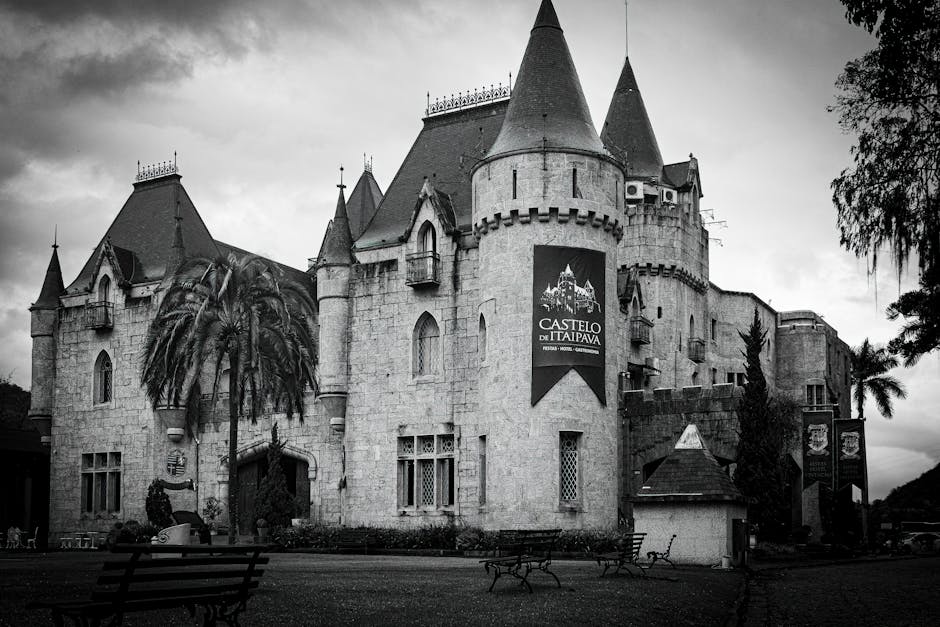
However, the culinary landscape isn’t limited to German fare. The nearby district of Itaipava is known as a gastronomic hub, featuring high-end bistros and cozy mountain lodges. Here, the focus is on ‘Serra-to-table’ ingredients. Think fresh trout from local streams, artisanal cheeses from nearby farms, and preserves made from seasonal fruits like persimmons and guavas. Autumn is also the season for fondue. Many restaurants in the historic center and the surrounding valleys offer candlelit fondue nights, where the combination of melted cheese, local wine, and a crackling fireplace makes you forget you’re in a tropical country.
Shopping and Silk in the Mountains
If you enjoy a bit of retail therapy, Rua Teresa is an essential stop. This long, winding street is famous throughout the state as a textile powerhouse. Historically, it was a hub for local seamstresses and tailors, and today it is lined with hundreds of boutiques selling everything from high-end winter coats to casual knitwear. Because Petrópolis is a center for clothing production, the prices are often much lower than in Rio or São Paulo. During the transition into autumn, the shops are filled with the latest cold-weather fashions. It’s the perfect place to pick up a thick wool sweater or a leather jacket that would cost triple the price in a luxury mall.

Nature and the Great Outdoors
For those who prefer hiking boots to shopping bags, the Serra dos Órgãos National Park is right on the doorstep. The park is a paradise for hikers and rock climbers. The air is thinner and fresher here, and the views are nothing short of cinematic. One of the most famous treks is the crossing from Petrópolis to Teresópolis, a multi-day journey that takes you across the high ridges of the mountain range. Even if you aren’t up for a three-day hike, there are plenty of shorter trails that lead to hidden waterfalls and panoramic viewpoints like the Pedra do Açu.
In autumn, the visibility is often at its peak. The summer haze vanishes, leaving crisp blue skies that allow you to see all the way to the Guanabara Bay in Rio de Janeiro on a clear day. The vegetation changes too; the vibrant greens of the rainforest are punctuated by the blooming of mountain flowers and the changing colors of deciduous trees introduced by European settlers decades ago. It is a hiker’s dream, offering a physical challenge followed by the reward of a cool, quiet evening back in town.
The Charm of the Quitandinha
A short drive from the city center sits the Palácio Quitandinha. Originally built in the 1940s to be the largest hotel-casino in Latin America, it is an architectural marvel of the ‘Hollywood-Normandy’ style. Its interior design, handled by the legendary Dorothy Draper, is a riot of bold colors and patterns. Though gambling was banned in Brazil shortly after the hotel opened, the building remains a cultural center and a testament to a glamorous, bygone era. Walking through the massive ballrooms or sitting by the man-made lake in front of the palace, you get a sense of the scale of ambition that has always defined this mountain retreat. The lake often gathers a soft mist in the autumn mornings, making for a hauntingly beautiful scene that photographers adore.
Practical Tips for Your Visit
Getting to Petrópolis from Rio is straightforward. The drive takes about an hour and a half, but the climb is steep and full of sharp turns, so it’s best to take it slow and enjoy the views as the forest changes around you. If you don’t want to drive, frequent buses depart from the Novo Rio terminal, offering a comfortable and scenic ride. Once in the city, most of the historic center is walkable, though you’ll want a car or a local taxi to reach the more distant districts like Itaipava or the national park entrances.
When packing, layers are your best friend. Even in autumn, the sun can be quite warm during the day, but as soon as it disappears behind the peaks, the temperature drops rapidly. A light jacket for the morning and a heavier coat for the evening will serve you well. Also, remember that Petrópolis is a popular weekend destination for residents of Rio. If you prefer a quieter experience, try to visit mid-week when the museums are less crowded and you can have the cobblestone streets almost entirely to yourself. The city has a different rhythm from the coast—it’s more deliberate, more polite, and deeply connected to its heritage. It’s not just a place to visit; it’s a place to breathe, reflect, and enjoy the royal side of Brazil.