
Why this route works so well for foreign travelers
A road trip through southern Brazil gives you a side of the country that surprises a lot of first-time visitors. The pace feels different from Rio or Salvador. The cities are cleaner in their layout, the weather is cooler, the road network is easier to navigate, and the cultural mix is impossible to miss. On this route, you move from Curitiba, a city known for planning, parks, and a very lived-in urban rhythm, to Blumenau, where German heritage is still visible in everyday architecture and food, and then into the wine country of Rio Grande do Sul, where hills, family-run wineries, and Italian immigration history shape the landscape.
This is a trip that works especially well for foreigners who want more than a beach-and-city combination. You get a real sense of how Brazil changes as you travel south. The food shifts. The accent changes. The climate changes. Even the way people spend time on weekends changes. And because the drive links several meaningful stops rather than one long stretch of highway, it feels like an actual journey instead of just transportation.
The route also suits travelers who like independence. Renting a car gives you the freedom to stop in small towns, eat at roadside grills, explore markets, and spend extra time in places that deserve it. The roads between these destinations are generally manageable, especially when planned with realistic driving times and overnight stops. If you want to understand southern Brazil through its streets, its wineries, and its everyday culture, this route delivers that without trying too hard to impress you.
Starting in Curitiba: a city that runs on structure and green space
Curitiba is often the first stop on a southern Brazil road trip for good reason. It has the infrastructure foreign travelers appreciate, with organized neighborhoods, good public spaces, and a strong reputation for urban planning. But Curitiba is not just “efficient.” It has personality. The city feels thoughtful rather than flashy. You notice it in the tree-lined avenues, the calm pace in many neighborhoods, and the way locals use parks as part of daily life instead of treating them like tourist displays.
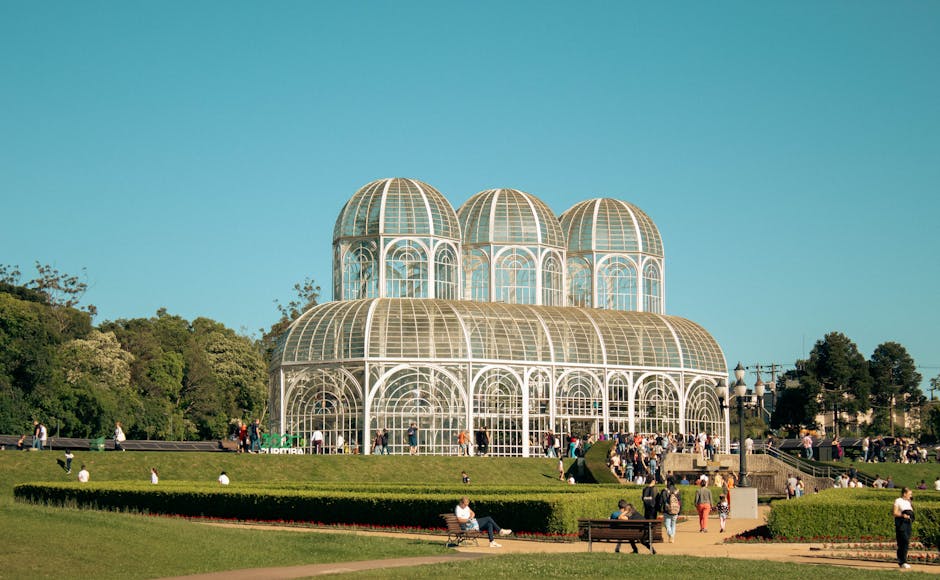
For visitors, Jardim Botânico is one of the clearest introductions to the city. The glass greenhouse has become a symbol of Curitiba, but the surrounding gardens matter too. People walk, jog, and sit on benches under the trees, and the whole area gives you a sense of how seriously the city values public space. Another place worth your time is the Oscar Niemeyer Museum, which adds a sharper architectural edge to the trip. Even if you are not deeply into museums, the building itself makes a visit worthwhile.
Curitiba also works well as a food stop. You’ll find traditional barzinhos, modern cafes, and plenty of places serving local dishes. The city’s food scene reflects its diverse immigrant history, and that comes through in the variety of options you can find around the center and in the Batel district. If you like trying regional items without committing to a formal tasting menu, Curitiba is easy to explore on foot.

Foreign travelers should also spend time in the historic center, especially around Largo da Ordem on a Sunday when the street fair is active. This is where Curitiba feels less polished and more alive in the best possible way. You get crafts, street food, antique stalls, live music, and a real cross-section of locals. It’s a helpful reminder that Curitiba’s identity is broader than its reputation for planning and order.
How long to stay and what to prioritize
Two full days in Curitiba is a solid minimum. That gives you one day for parks and architecture, another for food, markets, and the historic center. If you have three days, the pace gets much better. You can visit more neighborhoods without feeling like you’re racing from one spot to the next. Travelers who like slower mornings and café stops will appreciate that rhythm. Curitiba rewards people who pay attention to the atmosphere, not just the checklist.
If you are picking up a car here, give yourself time to adjust before hitting the road. Traffic is generally manageable compared with Brazil’s larger coastal capitals, but navigation still deserves attention, especially during rush hour. Many foreign travelers find it easier to spend the first night in the city, get a feel for local driving habits, and then leave early the next morning.
The road to Blumenau: forests, valleys, and a very different cultural feel
The drive from Curitiba to Blumenau is where the trip starts feeling unmistakably southern. The landscape becomes greener and more rolling as you approach Santa Catarina. You move through stretches of forested highway, smaller towns, and valley scenery that makes long-distance driving feel pleasant rather than tedious. Depending on your route and stops, the trip usually takes several hours, so it makes sense to leave early and avoid rushing.
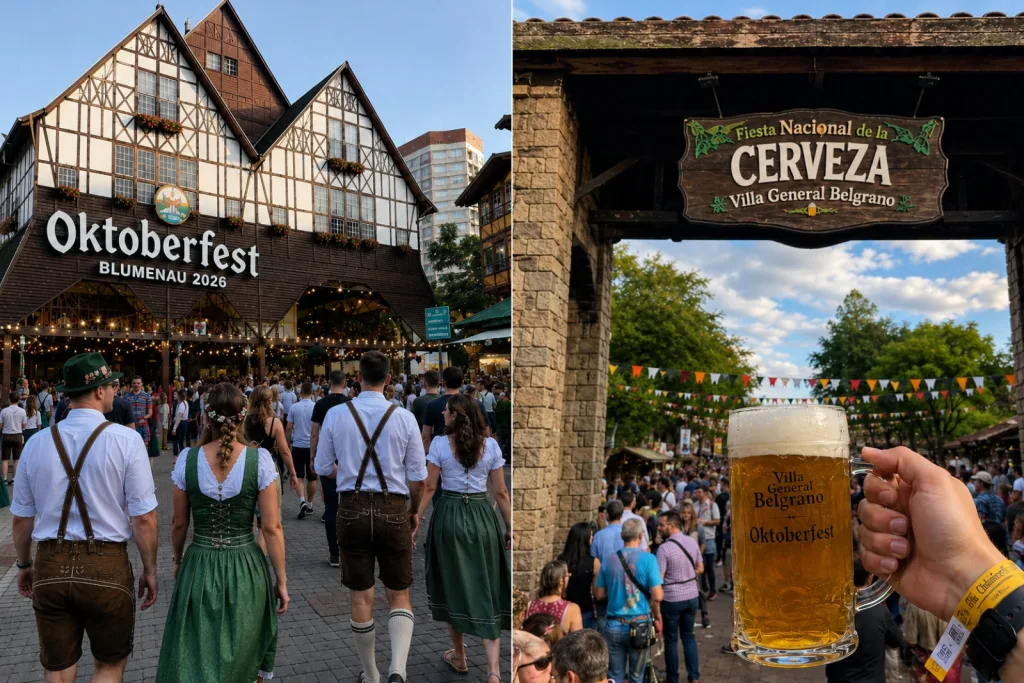
Blumenau has a stronger European imprint than many first-time visitors expect from Brazil. That doesn’t make it less Brazilian; it makes it a useful example of how regional identity works in the country. German immigration has shaped the city’s architecture, food, festival culture, and even how some public spaces are presented. You’ll notice timber-style facades in parts of town, beer culture that feels unusually central, and a civic pride tied closely to heritage.
The city’s most famous event is Oktoberfest Blumenau, one of the biggest Oktoberfest celebrations outside Germany. If your road trip lines up with the festival season, the city becomes a completely different experience. Streets fill with visitors, music, parades, traditional clothing, and lots of beer halls. It’s lively, crowded, and very specific in vibe. Even outside the festival, though, Blumenau keeps that heritage visible in a way that foreign travelers find memorable.
For a calmer visit, the Vila Germânica area gives you a concentrated look at the city’s cultural branding. You’ll find shops, restaurants, and event spaces that lean into the German heritage theme. It’s not subtle, but it is useful if you want to understand how Blumenau presents itself to visitors and to Brazilians from other regions.
What to eat in Blumenau without overthinking it
The food here is one of the easiest ways to engage with local culture. Sausages, roasted meats, pastries, and beer all play a role in the city’s identity, but you do not need to turn the trip into a food challenge. Start with a proper lunch at a local restaurant, especially one serving regional and immigrant-influenced dishes. If you see marreco on a menu, ask questions before ordering. Duck dishes are part of the region’s culinary tradition and often surprise visitors unfamiliar with southern Brazilian food beyond churrasco.
For dessert, bakeries matter. This part of Brazil does baked goods extremely well, and Blumenau’s German heritage shows up most clearly in sweets and cakes. Sitting down for coffee and cake in the afternoon feels right here. It’s an easy break before continuing farther south toward the wine region.
And if you like beer, Blumenau is one of the more interesting stops on the route. Craft beer culture is active here, and while you should always drive responsibly, the city’s beer identity is worth understanding even if you only sample it on one evening and keep the next day clear for travel.
Crossing into the wine region: the scenery changes with the pace
Once you head toward Rio Grande do Sul, the trip takes on a gentler, more rural character. The hills become more pronounced, the vineyards appear, and the road trip shifts from city exploration to landscape and tasting. This is one of the most rewarding stretches for foreign travelers because the visual change is immediate. You go from urban structure and heritage neighborhoods to family wineries, countryside inns, and small towns built around agricultural life.
The wine region most travelers mean on this route includes Bento Gonçalves, Garibaldi, and nearby areas in the Serra Gaúcha. These towns are central to Brazilian wine production, especially sparkling wine and increasingly respected still wines. The Italian immigration history is visible everywhere: in names, in food, in religious architecture, in family businesses, and in the way hospitality is handled. You feel that this is not a stage set. People actually live and work here, and the wine culture comes from generations of local experience.
The road into the Serra Gaúcha deserves slow driving. Not because it’s difficult, but because you will want to stop. The viewpoints matter. The vineyards matter. The small-town restaurants matter. The area looks especially beautiful in the late afternoon when the hills catch the light and the air feels cooler than on the coast.

Where to base yourself in the wine country
Bento Gonçalves is the most practical base for most travelers. It has the strongest concentration of wineries and easy access to nearby tourist routes. Garibaldi is a little quieter and feels more intimate, with a strong sparkling wine identity. Farther out, smaller communities like Vale dos Vinhedos offer a more immersive countryside atmosphere, especially if you want to stay at a boutique pousada or winery guesthouse.
Choosing where to stay depends on your priorities. If you want convenience, stay in Bento Gonçalves. If you want a quieter setting with easy access to tastings and scenic drives, choose the valley or nearby rural areas. Either way, avoid packing too many winery visits into one day. The region works best when you leave room for long lunches, conversation, and unhurried tastings.
Wine tasting in Brazil, done the right way
Foreign travelers sometimes arrive expecting Brazilian wine to be a novelty. That expectation changes fast in the Serra Gaúcha. The region has put serious work into quality, and many producers have become much more confident in their styles. Sparkling wine is one of the region’s strong points, and it pairs naturally with the climate and the food culture. You’ll also find reds and whites from a range of producers, from large estates to small family operations.
The key to enjoying wine tasting here is to treat it like a conversation, not a performance. Ask about the grapes, the soil, the harvest season, and the family story behind the winery. Many hosts are happy to talk about production methods and regional differences. If you understand a little Portuguese, even better. But even without fluent language skills, you can still get a lot from the experience because the setting itself does part of the work.
Don’t rush from one tasting room to another. Pick two or three wineries in a day and give yourself time to eat properly in between. A long lunch with local food, wine, and a view of the vineyards is one of the trip’s best moments. Some wineries have formal restaurants, while others rely on simpler but excellent regional cooking. Either way, the combination of food, hill scenery, and local hospitality is what makes the area feel distinct.
Also worth noting: Brazil’s wine country is not just about tasting rooms. The landscape itself tells part of the story. Rows of vines, farm structures, old stone details, and family plots create a very grounded feeling. It’s a region that invites you to slow down and notice how production and daily life overlap.
Food in southern Brazil: the route tastes different at every stop
One of the pleasures of this road trip is how much the food changes from place to place. Curitiba leans urban and varied, with everything from strong café culture to immigrant-influenced meals. Blumenau brings heavier European influence and a strong beer-and-baked-goods identity. The wine region centers on Italian-rooted dishes, cured meats, pasta, polenta, and long family meals that feel built for conversation.
If you want a classic southern Brazilian meal, look for churrascarias and smaller local grills. The region takes meat seriously, and while every traveler has their own comfort level, trying a proper rodízio or a focused lunch at a traditional grill gives you a sense of local dining habits. In the wine region especially, restaurants often pair regional food with local wines in a way that feels natural rather than touristy.
Another detail that foreign travelers notice quickly is the strength of coffee stops. Brazilian coffee culture is national, but in the south you’ll often find excellent bakeries, quiet espresso bars, and places where a mid-afternoon pause becomes part of the day instead of an afterthought. That matters on a road trip. It keeps the pace humane.
Practical route planning without the stress
For a trip like this, the biggest favor you can do yourself is to avoid overpacking the driving days. Brazilian highways in the south are generally easier than many visitors expect, but distance still matters. Give Curitiba enough time before leaving. Break the drive to Blumenau if needed with an overnight stop, especially if you prefer driving in daylight. Then leave space in the wine region for at least two nights so tastings and meals do not feel compressed.
Check tolls, fuel stops, and parking before each leg. In city centers, parking rules matter, and in rural areas, distances between services can be larger than they look on a map. Download offline maps before you go. Keep some cash for small purchases. If you are not comfortable driving in Brazil at night, do not force it. Daylight travel is the better choice on this route anyway because the scenery is part of the experience.
Weather also changes quickly in the south. Curitiba is cooler and often damp. Blumenau can be humid. The wine region gets chillier, especially in winter, and the mountains may feel much more European in temperature than tropical Brazil stereotypes suggest. Pack layers. That single decision makes the whole trip easier.
Foreign travelers who want a deeper connection to Brazil usually appreciate this route because it breaks the “single Brazil” myth. It shows a country with regional identities that are strong, visible, and often delicious. You notice how settlement history still shapes city planning, food, and local customs. You also notice that Brazil’s diversity is not abstract. It is right there in the architecture of Curitiba, the festival culture of Blumenau, and the vineyard landscape of Serra Gaúcha.
Small detours that make the trip feel richer
If you have extra time, some detours are worth considering. Around Curitiba, smaller historic towns and scenic drives in Paraná add context to the region. Between Blumenau and the wine country, stopping in lesser-known towns gives you a better sense of how daily life works outside the main tourist circuit. In the Serra Gaúcha, smaller winery roads and countryside restaurants often end up being more memorable than the busiest famous spots.
That is the kind of trip this route rewards: one where the best moments are not always the obvious ones. A bakery where the owner explains a family recipe. A roadside fruit stand with perfect produce. A quiet overlook with no signage and no crowd. A tasting room where someone takes time to explain the difference between a sparkling wine and a local red with real enthusiasm. Those are the details foreign travelers usually remember after the trip.
And if you enjoy photographing your journey, this route gives you plenty of contrast. Urban greenery in Curitiba. Heritage architecture in Blumenau. Vine-covered hills in Rio Grande do Sul. The visual variety keeps the road trip from blending into one long drive, which is exactly why it works so well.
For many travelers, southern Brazil becomes the part of the country that changes expectations the most. It is not the Brazil of postcard beaches and loud carnival rhythms. It is quieter in some places, more structured in others, and deeply shaped by migration, agriculture, and local pride. That mix makes it one of the most interesting regions to explore by car, especially if you want the freedom to stop when something catches your eye and stay longer when a place earns it.