
Horse hooves, flags, and a cuia in my hand
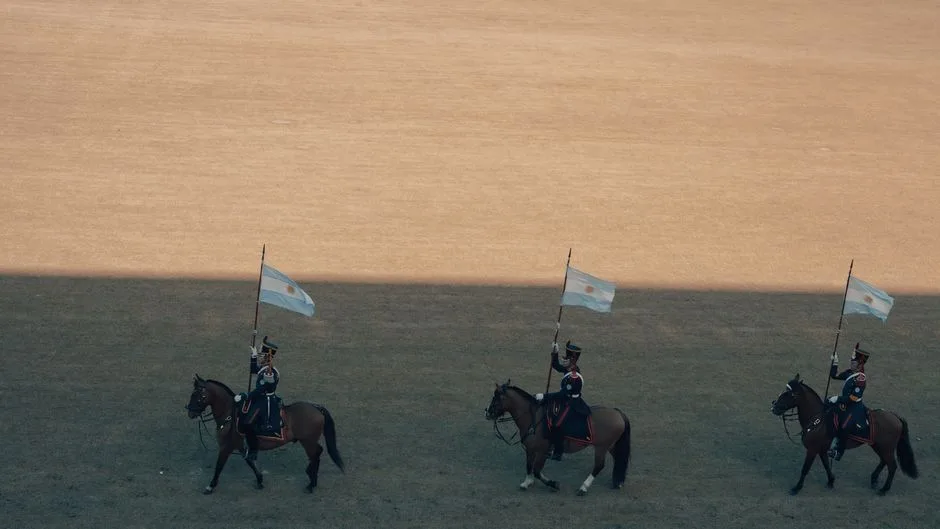
A rider thundered past, a worn poncho flapping like a small flag, and the crowd pressed close to watch the drag of colored ribbons behind the saddle. I was holding a cuia—warm, bitter mate steaming in the morning air—and for a moment everything fell into a single clear note: this is what people mean when they talk about the gaúcho heart of southern brazil.
Why the week matters (without a history lecture)
Semana Farroupilha centers on September 20, the date that marks the beginning of the Revolução Farroupilha (also called the Guerra dos Farrapos) in 1835. That uprising is the origin story many gaúchos point to when they explain pride, independence, and regional distinctiveness. You will hear the names of historical figures—Bento Gonçalves among them—and see flags and songs that reference a century-and-a-half of memory. But the modern week is less about militias and more about gatherings: parades, dances, horse shows, and CTG (Centro de Tradições Gaúchas) events that turn municipal squares and ranches into living museums of everyday traditions.
How this matters to you as a visitor
If you arrive during Semana Farroupilha you will get two different experiences at once. One is celebratory and communal—families, whole neighborhoods, and public institutions remembering heritage. The other is intensely local: the variations between a seaside dance in Rio Grande and a campfire gathering in Bagé matter. Accepting the difference is the first step to enjoying it. I learned that the hard way because I assumed every gaúcho event would feel the same. It doesn’t.
What you will actually see (and what it means)
To make the noise useful, here are the things you will see repeatedly and what they signify in everyday terms.
Dress: bombachas, ponchos, and the facón
Bombachas are the baggy trousers you’ll see on men, usually tucked into leather botas. Women often wear colorful, full skirts and blouses when they perform invernada (dance groups). The facón—a long knife carried at the waist—shows up as part of a traditional costume more often than as a practical tool. For visitors: wearing a full outfit to a CTG dance is welcome if you’re asked, but avoid turning a cultural costume into a silly carnival getup. Respect the clothing’s ties to identity.
Food and drink you should know before you sit down
Churrasco is obvious—meat over coals—but the context matters. The barbecue is often communal, not a restaurant display; strangers will be offered a skewer, and plates are passed. Arroz carreteiro (rice with charque or beef) is a classic field-cook dish you’ll find at many gatherings. For sweets, keep an eye out for southern cakes and pastries influenced by German and Italian immigrants—cuca and chimarrão-flavored sweets are common at family tables. Tip: bring cash to smaller CTG breakfasts; many vendors don’t run modern card terminals.
Chimarrão: how to accept a cuia without making a mess
Chimarrão (yerba mate) is the social glue. It’s served in a cuia with a bomba (metal straw). There’s a simple etiquette: when the cuia reaches you, drink the infusion until the mate tastes weak, then hand it back to the person who offered it—the cebador—without stirring the bomba or rearranging the herbs. If you don’t want more, say “obrigado” and hand it back; otherwise accept and drink. That small exchange tells people you understand more than language can say.

Music and dance: what to expect on the dance floor
Invernadas are the dance teams. They rehearse months for Semana Farroupilha competitions where choreography and historical costume are judged. The music ranges from slow milongas—intimate, plaintive songs—to upbeat vaneirão that invite twirling and stamping. If a local asks you to dance, say yes to at least the first two songs. You’ll learn the rhythm faster than you think, and the question of rhythm matters less than the willingness to participate.
Fandango and coastal differences
Coastal towns like Rio Grande and Pelotas keep a different set of steps: fandango and additional rhythms from Afro-Brazilian and Iberian sources. The music’s instrumentation changes—guitar, violin, and regional percussion come in different arrangements—and the dance reflects that mix. For travelers, it’s a reminder to notice region, not just state. A gaúcho in Santana do Livramento will move differently than a dancer from Torres.
Horses, rodeio criollo, and the right way to watch
Horse culture is literal in much of Rio Grande do Sul. You will see mounted contingents (piquetes) and demonstrations of laço (roping). The Rodeio Crioulo differs from a commercial rodeo: it’s more about technique, horsemanship, and regional breeds. When you watch, keep a respectful distance—horses and riders are performing serious labor or art. Applause is welcome; loud shouting from the crowd is often not. If a horse rider tips their hat to you, return the gesture.
The CTG: the heart of living tradition
CTGs are community centers where families meet year-round to teach music, dance, horsemanship, and cooking. Many of the week’s parades begin or end at CTGs. If you want to see the week from inside, find the nearest CTG and ask if visitors can watch a rehearsal or share a meal. I once turned up at a Saturday practice in a small town and was fed carreteiro while older members corrected the steps of a teen. That kind of ordinary hospitality is the backbone of the week.
How to join in without being awkward
Three moves keep you from sticking out badly: learn a few words, ask before photographing, and refuse alcohol politely if you don’t drink. A couple of new phrases go a long way. Use “tchê” sparingly—it’s a local exclamation—and “bah” for surprise; both will earn smiles if not overused. Ask before taking close photos of rodeo riders, children, or elders. If someone offers you a cuia, accept at least once; if you decline, do it verbally and gracefully. Small manners carry big weight here.
Language and introductions
Portuguese is the language, but you’ll hear enough regional vocabulary to confuse a tourist. “Prenda” refers to a woman who participates in traditional dance and community life (often in the CTG sense), while “peão” is a man who works the ranch or farms or who is a male dancer. Pronunciations tilt toward Spanish in the border towns; a smile and slow speech work better than insisting on English.
Practical travel tips: what to pack, where to go, and how to move
Semana Farroupilha falls in late September, which is early spring. Temperatures swing: mornings can be cool, afternoons warm. Layers are essential. Leather boots are useful in rural gatherings; you will thank yourself for wearing a sturdy shoe on dusty arena grounds. Sunscreen for daytime parades. Bring a small travel-sized insect repellent if you’ll be at open-air estâncias.
Where to base yourself
Porto Alegre is the obvious hub and often hosts big official ceremonies, but you’ll find equally compelling, more intimate celebrations in towns such as Bagé, Santana do Livramento, Pelotas, and Jaguarão. If your itinerary can stretch beyond the capital, pick one urban center and one rural estancia to contrast the city’s formal parades with the ranch’s campfire conversations. Traveling by car opens the region; public transit can be sparse between smaller towns.
Money and logistics
Many CTG events and small vendors accept cash only, particularly for breakfast and midday meals. Keep some reais on hand for food, cachaça tastings, and small purchases like ribbon rosettes. If you’re renting a car, verify insurance for rural roads. Wi‑Fi at small ranches is not guaranteed; plan offline maps or download directions in advance.

Sample three-day plan that actually works
Day 1: Porto Alegre morning parade, CTG lunch, museum visit in the afternoon (look for local exhibits on gaúcho culture), evening invernada performance. Day 2: Drive to a nearby estancia—ride, try a hands-on churrasco class or help carve the meat at the rodízio-style grill—watch an informal piquete pass. Day 3: Attend a rodeio criollo or laço demonstration, wander the town center for artisan stalls and ribbons, and leave the evening to a fandango or local square dance.
How to pick which invernada to watch
Look for groups that have been around a while—CTGs with long-established invernadas tend to have fuller programs and better rehearsals. If you want competition-level events, ask local organizers which groups won regional contests last year; the answer will tell you which ones take everything seriously. But the most memorable shows are often the small-town ones where grandparents clap loudest.
What not to do (mistakes I made so you won’t)
- Don’t photograph without asking. A few moments of politeness saved me from awkwardness at a family gathering.
- Don’t mock dress or role-play the facón. That knife has historical meaning; people notice when it’s used disrespectfully.
- Don’t assume every gaúcho event is a spectacle for tourists. Many are family affairs. Treat them as invitations, not shows.
Finding the right events and staying safe
Municipal governments and CTGs usually publish Semana Farroupilha schedules weeks in advance. If you don’t read Portuguese well, ask your hotel or hostel to print the local calendar for you. For safety: usual travel common sense applies—watch your belongings in big city parades, steer clear of poorly lit roads late at night, and if you plan to drink in a rural setting, arrange transport in advance. Rodeo arenas can be dusty and noisy; bring ear protection if you’re sensitive to sound and stay a respectful distance from livestock and riders.
What insiders care about that no guidebook tells you
Gaúcho pride is quiet and public at once. People will correct your steps gently and offer you second helpings of carne. They measure respect by how you treat the small rituals: do you accept a cuia, do you stand for a flag ceremony, do you clap politely when an invernada bows. If you show curiosity and follow the basic rules, you will rarely be mistaken for an ignorant tourist. You will be invited back.
Bringing a bit of Semana Farroupilha home
Buy a small ribbon or a handwoven belt from a vendor. Learn a few steps of a vaneirão and practice them at home. Keep the memory of how sharing a cuia felt—every friend who has come to my house since has asked for the story. The best souvenirs weigh nothing and are easy to give away.
If you do only one thing
Accept a cuia, sit through two songs with an invernada, and let someone teach you a step. Those moments will tell you more about Rio Grande do Sul than hours of museum texts. The week will still be there next year; those shared minutes won’t.