
The month that turns sand into lakes
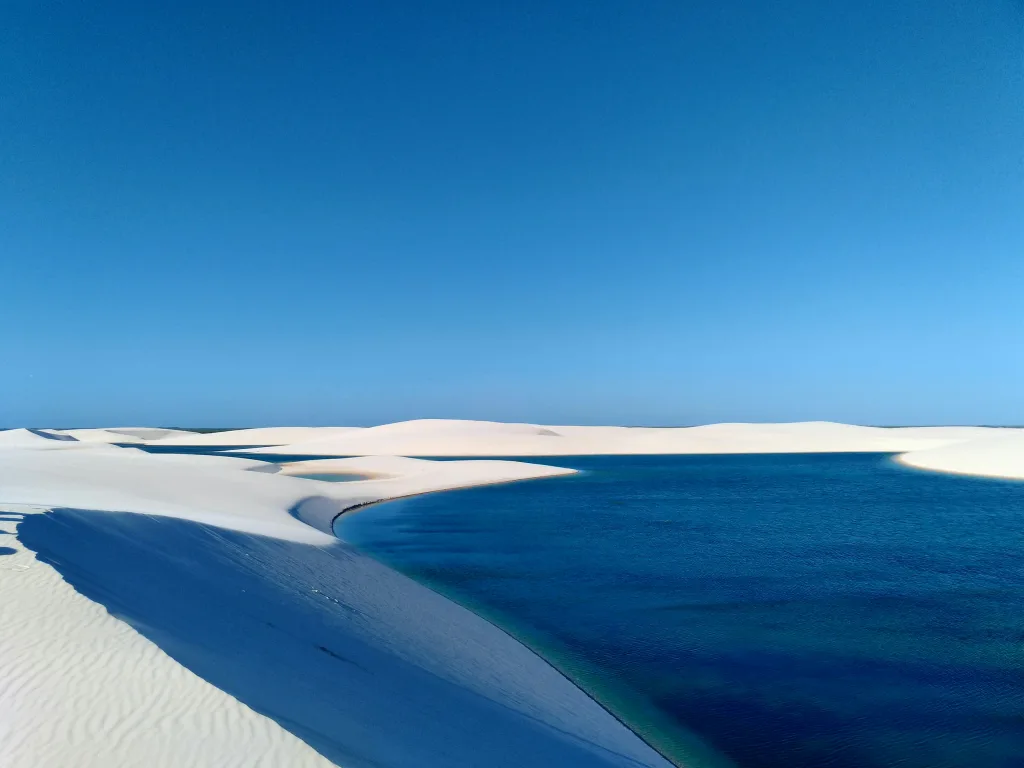
june in Lençóis Maranhenses feels like a small seasonal miracle. After months of heavy tropical rains inland, hundreds of crystal-clear lagoons sit like mirrors between the rolling white dunes, reflecting sky and sunlight. The contrast — vivid blue water against bone-white sand — is what photographers, travelers and anyone who loves wild landscapes come for. Expect warm days, fewer storms than earlier in the rainy season, and the best chance to swim in shallow, fresh water that stretches across dunes instead of miles of dry sand.
How the lagoons form: a quick, clear explanation
These lagoons are temporary but predictable. Rainwater collects in hollows between dunes during the rainy months; the sand acts like a sponge while an impermeable layer below prevents the water from sinking. As the intensity of the rains eases, the lagoons remain, sometimes for several months, fed by what fell earlier. By June the accumulations are often at their widest and deepest — large enough to swim in, float on, or simply admire from the dune rim. By the end of the dry season, many shrink or disappear entirely.
Where you base yourself: Barreirinhas, Atins, Santo Amaro
Most visitors use Barreirinhas as their base. It’s the gateway town with guesthouses, tour operators, and easy access to typical day trips. From São Luís, the regional capital, the drive to Barreirinhas takes roughly four to five hours by paved and unpaved road; transfers and vans are routine. If you want a quieter, more remote vibe, Atins is a good pick — a small village reached by boat or by sand track where a slow pace, fresh seafood and a close relationship with the sea set the tone. Santo Amaro lies closer to the Serra da Capivara-style interior dunes and has a different feel: fewer visitors, larger lagoons in some areas, and a more local atmosphere.
Must-see lagoons and routes
Two lagoons are mentioned more than any others: Lagoa Bonita and Lagoa Azul. Both sit on elevated dune rims with panoramic views and easy access from Barreirinhas on a guided 4×4 tour that includes short hikes over soft sand. The boat route up the Preguiças River — stopping at Mandacaru lighthouse, the tiny fishing hamlet Caburé, and the village of Atins — gives a different perspective: mangroves, river birds, and the way freshwater and tidal systems meet at the park’s edges.

Santo Amaro offers lagoons that sometimes feel more private; small pousadas there can arrange early-morning treks when the water’s surface is perfectly still. If you want to combine river scenery and dunes, consider a two-day loop: boat to Atins and then a 4×4 crossing back toward Barreirinhas or vice versa. Drivers and local guides know which lagoons are reachable after the rains and which require gentle footwork over soft sand to access the clearest basins.
What to do when lagoons are full (that you can’t do at other times)
Swim. Glide across clean, warm water framed by dunes that feel like private beaches. Float on your back beneath wide blue skies. Hike to dune ridges for low-angle light at sunrise and sunset; shadows carve the sand into dramatic shapes while the lagoons glow. Photograph: wide-angle lenses make the lagoons look endless; a polarizer will deepen blues and cut glare. For motion enthusiasts, rent a bodyboard or try downhill sledding on small dune faces where allowed — the sensation is part sand-surf, part playful descent.
Birdwatching becomes richer where lagoons attract migrating and local species. Bring binoculars: whimbrels, spoonbills and other waders visit the shallows. If you travel with a guide, add a short mangrove walk or a river trip to mix ecosystems in one day. All of these activities are safest and most rewarding when you respect local advice about strong sun, soft sand, and where lagoon depths change suddenly near vegetation.
Where to sleep and eat: taste and rest in local rhythm
Barreirinhas hosts a spread of accommodations from modest pousadas to comfortable lodges that offer breakfast with fruit, tapioca pancakes and freshly brewed coffee. Many lodges arrange tours and transfers, which is convenient after a day on the dunes. Atins offers a handful of charming, low-key pousadas and open-air restaurants where the catch of the day arrives grilled with coconut rice or served in a local stew; try regional staples like tapioca crepes and fresh seafood seasoned with local herbs. Santo Amaro’s offerings are more rustic but authentic — family-run guesthouses, simple home-cooked meals and a chance to taste Maranhão specialties like arroz de cuxá in nearby São Luís if your itinerary allows a stop there.
Food is a highlight: expect fish, shrimp and crab dishes, often accompanied by manioc, cassava flour, or tapioca. Fruit stalls sell mango, cajá and coconut water — natural and restorative after sand and sun. Carry cash. Some small vendors and remote pousadas accept only reais in hand.
Practical planning: how long to stay, tours, and costs
A three-day stay gives you a solid introduction: one day for Lagoa Bonita and Lagoa Azul, one day for a river boat trip to Mandacaru/Caburé and a late-afternoon visit to a nearby lagoon, and a free day to relax or explore Atins or Santo Amaro. A five-day itinerary lets you move slower, chase light for photography across multiple lagoons, and add an extra night in Atins to feel the village rhythm. Tour prices vary by season and type: expect day tours from Barreirinhas to cost more when they include private transport, food, and entrance to popular viewpoints. Booking a trusted local guide is worth the expense; they know which routes are passable and which lagoons are prettiest that day.
Packing list that actually matters
What you bring matters because the environment is both delicate and sun-dominant. Essentials: a hat with a brim, high-SPF reef-safe sunscreen, polarized sunglasses, and a lightweight long-sleeve shirt for sun protection. A strong pair of sandals or trekking shoes works better than flip-flops once you leave the dune edge. Pack swimwear, a quick-dry towel, a reusable water bottle, and a small dry bag for phone and camera. Bring insect repellent for dawn and dusk near mangroves and lagoons that sit close to vegetation. A power bank keeps your devices alive on multi-stop tours.
Health, safety and respectful behavior
The sun reflects off white sand with surprising intensity. Hydrate frequently, use sunscreen liberally, and limit midday exposure. Brazilians are friendly and helpful; learning a few Portuguese phrases will smooth interactions and enrich your experience. Pay attention to your guide’s instructions around lagoons — some basins have soft bottoms or unexpected depths. Avoid soaps and detergents in the water; the lagoons are freshwater ecosystems that recover slowly from pollutants. Leave no trash behind: pack out what you bring in.
Photography and drone use — what to know
June provides expansive blue skies and vivid contrasts that reward any camera. Shoot wide to capture the sweep of dunes and the pockets of water, and zoom for birdlife and close-up textures of rippled sand. A neutral density filter helps at sunset to balance bright sand and darker water. Drones capture dramatic aerial perspectives but regulations apply: national parks and protected areas often require authorization to fly. Ask your guide or local authorities before launching a drone. When in doubt, hire a local photographer who understands lighting and legal rules.
Local culture and small communities
Lençóis Maranhenses sits within a cultural region shaped by riverine fishing, small-scale agriculture and traditional festivities. Barreirinhas, Atins and Santo Amaro are small communities where tourism plays an important role in the economy — tipping guides, eating in family-run restaurants and booking local tours keeps revenues close to residents. Learn a few words in Portuguese: a polite “bom dia” or “obrigado(a)” opens doors. If offered a chance to taste local preparations, say yes — hospitality is part of the experience.
Sustainable choices that make a difference
Opt for guides and lodges that show clear respect for the landscape. Avoid single-use plastics, and bring reusable bags and bottles. Choose itineraries that limit dune traffic during nesting seasons or sensitive periods for wildlife. Participate in community-based experiences when available; they provide cultural context and direct economic support. By traveling thoughtfully you help preserve those bright blue lagoons for the next visitor — and for the people who live nearby year-round.
Sample itineraries for different travelers
Short and focused — 3 days
Day 1: Arrival in Barreirinhas and sunset at a local viewpoint; Day 2: Full-day 4×4 to Lagoa Bonita and Lagoa Azul with a swim and guided dune walk; Day 3: Morning boat trip up the Preguiças River then departure. This schedule prioritizes top highlights with little travel between bases.
Slow and immersive — 5 days
Day 1: Arrive and settle in Barreirinhas; Day 2: Lagoa Bonita circuit; Day 3: Boat to Atins with a night in Atins to enjoy village life and seafood; Day 4: Early lagoon trek in Santo Amaro or a second day of relaxed lagoon exploration; Day 5: Return to Barreirinhas and onward travel. This pace lets you chase light and sample local flavors with time to rest.
When not to expect perfect conditions
June is excellent for full lagoons, but weather is never entirely predictable. A late, heavy rain can make sandy tracks slippery and slow down 4×4 routes; conversely, winds can whip sand across exposed ridges in the afternoons. If you need fixed conditions for photography or accessibility, plan extra buffer days. Local operators monitor conditions daily and will adjust routes to get you to the best lagoons safely.
Final notes on timing and booking
Book accommodations and at least one guided tour in advance, especially for June when demand climbs. If you prefer solitude, aim for early-morning lagoon visits or weekdays. For families, choose tours with moderate walking and confirm age-appropriate activities. Guides are the core resource here — they find the cleanest lagoons, the safest crossing points and the best times to be on the dunes. Respect local guidelines, bring the right gear and leave room for slow moments: when you sit on a dune and watch a perfect blue lagoon lap at its edges, you’ll understand why people return.