
Driving Brazil’s coast? Absolutely — it’s the kind of trip that rewires your sense of space: endless beaches, sudden Atlantic rainforest cliffs, and towns that slow down just enough for you to notice the coffee shops. I’ve driven these stretches more times than I can count, and I’ll tell you what worked, what didn’t, and the exact stops you should not miss.
Why choose a coastal self-drive in Brazil
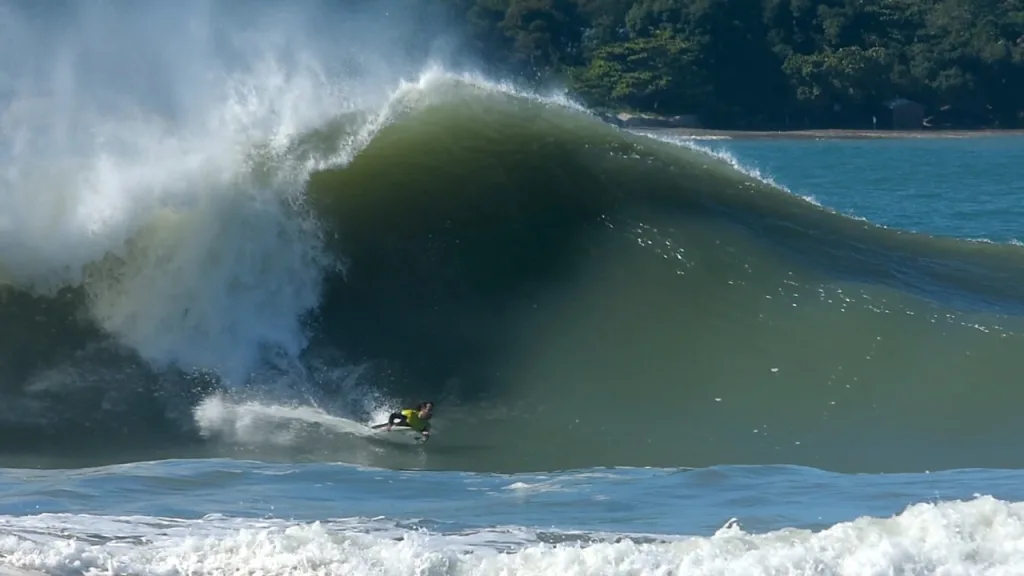
Renting a car here buys you something most guidebooks can’t sell: the freedom to pull over at a lookout, hop out for fresh coconut water, and change plans when a local points you toward a hidden praia. Brazil’s coastline is not one long monotony; it’s a stitched-together string of very different micro-regions. The Southeast’s mountains that drop into the sea feel different from the long barreled sand spits of the Northeast and the wave-lashed cliffs of Santa Catarina. Driving connects those contrasts without being rushed.
Classic route: Rio de Janeiro → Paraty → Ubatuba → São Sebastião
Take the coastal road south out of Rio and you’ll leave the city’s skyline quickly for Atlantic Forest, winding two-lane stretches, and small fishing villages. This is the route most foreigners picture when they imagine a Brazilian road trip along the sea because it feels cinematic: jungle pressing to the edge of asphalt, beaches with few access roads, and colonial Paraty sitting like a postcard at the center.
Where to stop: Petropolis is interesting if you want a royal detour, but the real draws are smaller. Paraty’s colonial center is pedestrian-only; secure your car and walk the cobbled streets at sunset. A little further south, Angra dos Reis is the gateway to countless islands—leave your vehicle behind at the marina. Ubatuba and São Sebastião are surfers’ favorites; if you love quiet sandbanks, look for praias reachable only on narrow, poorly signed roads.
Practicalities for this stretch: the coastal road is mostly paved but narrow; traffic picks up on holiday weekends (Carnaval, New Year). Ferries connect to Ilha Grande at Angra or Conceição de Jacareí—expect the boat ride to be part of the plan. Park in official lots in Paraty and Angra; street parking in tourist seasons is scarce.

Ilhabela and São Paulo coast: island detours and long sand beaches
Leave the BR-101 for a day and head to São Sebastião’s ferry for Ilhabela. The island is forested, with dozens of beaches and an old town you can stroll in an afternoon. Cars are allowed on the island (there’s a vehicle ferry), but once you’re there you’ll often prefer two wheels or your own feet to navigate tight lanes.
Further south along São Paulo’s coast there are long stretches of beach towns that feel different from Rio’s more mountainous coastline: wider beaches, fewer coves, and a surf culture that’s less glossy and more local. Balneário Camboriú is the big resort swagger over the border in Santa Catarina, but a short drive inland or up the coast reveals quieter towns where pousadas still serve breakfast on a veranda.
Santa Catarina to Paraná: Florianópolis → Governador Celso Ramos → Ilha do Mel
Santa Catarina combines dramatic coastlines with German-influenced towns and seafood-centric cuisine. Florianópolis deserves at least three nights—one day for the city and its old center, another for the western lagoon and surf beaches, and one for a day trip to nearby islands or sandbanks. From there, the coast becomes a series of high cliffs and bays. Drive the coastal stretches slowly; the views are the reason you’re driving.
Ilha do Mel (Honey Island), off Paraná, is one of those places you reach by leaving your car at the mainland and crossing by boat. On Ilha do Mel the vibe is Por Natureza Slow: no cars, narrow sandy tracks, and a lighthouse you can climb. If you like empty beaches and simple pousadas, don’t skip it.
Long haul Northeast: Fortaleza → Canoa Quebrada → Jericoacoara
The Northeast requires a different mindset. Distances are larger, towns change more gradually, and sand plays a role in mobility. If you drive from Fortaleza west toward Jericoacoara, you’ll eventually need a 4×4 for the last stretch inside the park; many travelers leave cars in Jijoca do Jericoacoara and finish by local transfer. Canoa Quebrada, closer to Aracati, gives you dramatic red cliffs and a strong beach-town nightlife reliant on forró dancers and beach bars.
What to expect: long stretches between services in places, and seasonal rains that can suddenly make lesser roads tricky. Plan fuel stops, especially if you’re tempted by a shortcut that becomes a dirt road after the next small town. Local drivers often handle sand and loose road surfaces well; if you don’t have 4×4 experience, consider arranging the final leg with local drivers at the town edge.
Hidden gem route: Salvador coast and the Recôncavo
Driving north from Salvador along the coast introduces you to the Recôncavo Baiano—mangrove channels, small sugarcane towns, and isolated beaches that feel like time capsules. Many foreigners fly into Salvador and treat it as a base. Do yourself a favor: rent a car and chase the beaches toward Praia do Forte and beyond, but keep an eye on tides and local advice. The Bahia coast is also where you’ll find the best moquecas and seafood prepared with dendê oil—stop for a waterfront meal and ask which dish the cook recommends that day.
Car, insurance, and documentation: what I actually use
I always rent from the companies with offices at the airport for pickup ease, and I choose a compact SUV for these itineraries. You want ground clearance for the occasional sandy access road and enough trunk space for beach gear and groceries. The main documents you’ll need are your passport and a valid driver’s license. Many rental agencies accept an international driver’s permit paired with your home license; check the agency’s requirements before you fly.
Insurance is non-negotiable. Declining basic coverage to save a few dollars is false economy: towing costs, uninsured third-party damage, even small windshield repairs can blow a budget. Ask for clear terms on theft protection and roadside assistance. Take photos of the car at pickup and drop-off—front, back, both sides, and interior mileage. It’s tedious but saves you from arguments later.
Tolls, fuel stops, and toll-free cleverness
Tolls are common on major coastal highways near big cities; kiosks accept cards but cash is still handy in remote areas. Brazil’s gas stations are frequent along the main coastal roads, but branches of smaller towns may have single pumps that close early. Plan your fuel for the evening run if you’re headed into quieter stretches. Diesel is widely available; if your rental offers flex-fuel options, that’s the norm here (alcohol and gasoline combos). Ask the rental agent to explain how the car handles those fuels—some rentals default to gasoline.
Packing and local driving habits
Pack a physical map or an offline map on your phone. Cellular coverage is good near cities but patchy across long beaches and forested stretches. Bring a basic toolkit, a spare tire, and an external phone charger. I always carry a hat, reef shoes, and a lightweight waterproof jacket because fog and sudden spits of rain are common where the sea meets forested cliffs.
Brazilian driving culture varies. In the South and Southeast there’s a somewhat assertive pace; in the Northeast it can be relaxed but unpredictable. Watch for motorcycles filtering through traffic and for pedestrians crossing in non-marked spots. When in doubt, yield. Police checkpoints are normal; keep registration and rental documents in the glovebox.
Where to sleep and eat: my favorite types of stays
Pousadas are a staple of coastal Brazil—small, family-run guesthouses with breakfasts that taste like someone’s home kitchen. They’re often cheaper and more charming than chain hotels. In bigger cities you’ll find boutique hotels, but on coastal stretches I prefer beachside pousadas where you can hear waves through the shutters. Book ahead in high season (December-January, Carnaval).
Food is a main reason to drive. Stop at small beach kiosks for fried fish and tapioca—simple, local, and a great excuse to eat outside at sunset. For a heartier meal, order a moqueca in Bahia or a seafood stew in Santa Catarina; each state has its own spin. Look for places where locals eat—if the parking lot is full of pick-up trucks, you’re usually in the right spot.
Packing a day-by-day example: a relaxed 7-day Rio-to-Ilhabela loop
Day 1: Morning in Rio, pick up the car, and take the coastal road south; stop for lunch at a seaside restaurant, overnight in Paraty.
Day 2: Morning walking Paraty’s historic center, afternoon boat trip to a nearby island, night in Paraty.
Day 3: Quiet morning, then drive to Ubatuba; surf lesson or beach time, overnight near Itamambuca.
Day 4: Continue south toward São Sebastião, catch the car ferry to Ilhabela, settle into a pousada.
Day 5: Explore Ilhabela by motorcycle or on foot—waterfalls, small beaches, and seafood dinners.
Day 6: Return to the mainland, take the inland mountain road for a change of scenery, stay in a small town or head back to São Paulo.
Day 7: Return the car and fly out, or extend south into Santa Catarina if you’ve fallen for the coast (and you will).
Safety: real advice, not alarmist headlines
Crime does exist in cities and certain stretches, but most coastal driving is safe if you use common sense. Don’t leave valuables in plain sight when parked; use hotel safes and lockable trunks. Avoid driving at night on unfamiliar back roads. When you stop in smaller towns, choose well-lit, populated areas for parking. I always ask the pousada owner where they recommend parking at night—they usually have a safe lot or a tip for a guarded spot.
Seasonal notes: when each coast shines
The Southeast’s summer (December–March) is hot and crowded; you’ll find lively beaches and busy roads. If you prefer fewer people, travel in shoulder seasons (April–May or September–November). The South has more defined seasons—summer is beach weather; winter offers dramatic surf and quieter towns. The Northeast is sun-friendly for much of the year but watch for short rainy seasons and higher humidity months. Jericoacoara is spectacular at sunset almost any time you go, but the dusty wind season can be intense for kitesurfers and campers.
Two common mistakes I’ve made so you don’t
- Underestimating time between towns. Coastal roads twist; don’t assume distances look small on the map. Allocate extra hours for unplanned stops.
- Trusting GPS without local confirmation. I once followed a satellite route that ended on a washed-out dirt road. Ask a local before turning onto a narrow track.
How to adapt if you don’t like long driving days
Break the trip into shorter hops and spend two nights in each place. A two-night rhythm—arrive late afternoon, sleep well, and use a full day to explore—keeps the trip exploratory rather than exhausting. When you’re tired, skip the scenic detour and choose a shorter stretch; the next beach will almost always be worth the trade-off.
My favorite single-day drive along the coast
Take the early ferry off a busy island, drive a scenic stretch that hugs the Atlantic, stop at a market town for coconut water, and park near a quiet beach for an afternoon nap. End the day at a seaside restaurant where you’ve got sand on your shoes, salt in your hair, and a local bottle of cachaça on the table. That specific arc—ferry, coastal road, market, beach, dinner—sums up why I drive here.

A final practical takeaway
If you only do one coastal drive in Brazil, pick the Rio-to-Paraty-to-Ilhabela corridor for its diversity and ease of access. Bring a car with good clearance, buy full insurance, schedule one day of nothing but beach time, and let locals reroute you to their favorite stops. Book the ferry legs in high season, carry cash for small kiosks, and keep an offline map. Then open the window and drive until you aren’t thinking about schedules anymore.