
42 beaches — and a spring that suddenly matters
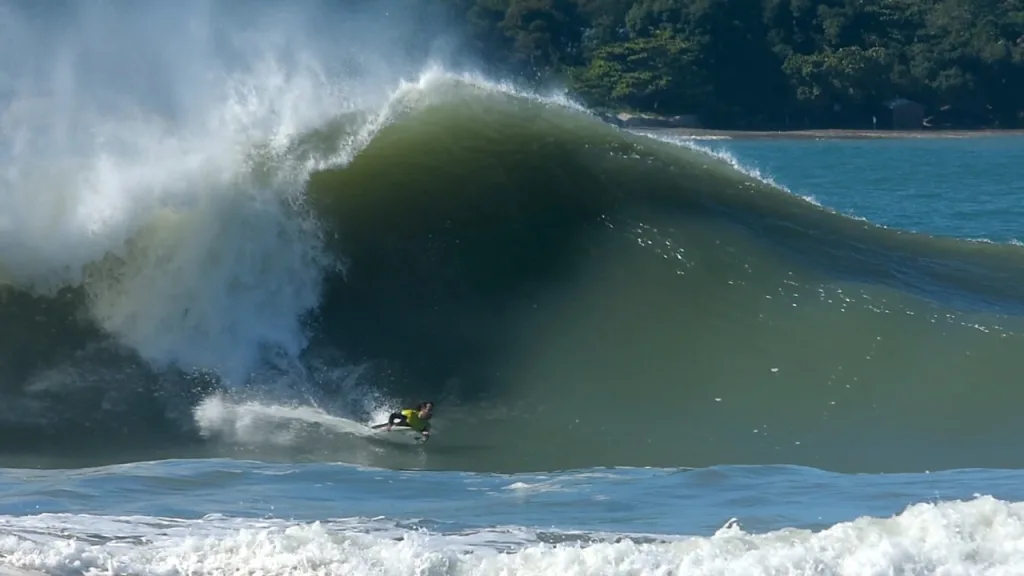
42. That’s how many beaches the island of Florianópolis claims, and that number matters because spring here isn’t one big season — it’s a playground of micro-seasons. With that many shorelines, when the swells start to arrive after the quieter winter lull, you don’t just get a single good day; you get options. A south swell that nails Campeche might leave Barra da Lagoa glassy. A gentle northeast breeze one morning will make a normally messy break into something forgiving for learners. I’ve surfed the island through multiple springs and the combination of warming water and fickle swells makes planning equal parts art and small-data science.
Why spring feels different on Floripa
Spring on the southern coast of Brazil runs September through November. The notable thing is not the temperature alone — it’s how conditions change day-to-day. Water is warming after winter; mornings frequently calm before the seabreeze shows up; and human patterns shift: students return, tourists thin out after winter holidays, and weekday lineups look different than weekend ones. That mix creates windows where you can score clean, uncrowded sessions that are less common during the frenetic summer.
Wind windows and morning strategy
If you want one simple rule for spring surf in Florianópolis, memorize it: mornings are the most reliable time for clean waves. Thermic seabreezes tend to develop later in the day, so getting an early start — sunrise to mid-morning — often means glassier conditions across beach breaks. That’s especially true on the east-facing beaches around Lagoa da Conceição and Joaquina.
Which spots wake up first in spring
Not every beach reacts the same when swells arrive. Here are the ones I check first when a spring swell is posted.
- Praia Mole — A favorite for bodyboarders and shortboarders, Praia Mole gives a playful beachbreak that catches both S and SE swells. It punches up faster when sandbars set nicely.
- Joaquina — Famous for its power and for hosting international events in the past. Joaquina turns from friendly to heavy depending on the sand, so read the set waves before paddling out.
- Campeche — Long and exposed. When a south-southeast groundsea lines up, Campeche becomes the spot to chase longer, open-face rides.
- Barra da Lagoa — Gentle sections and reefy shoulders make it a safer bet for learners and longboarders on smaller spring swells.
- Santinho — A reef and point mix; it rewards swell angles from the south with more predictable peaks.
Pick a spot based on swell direction and wind. If you’re reading on your phone and see a S-SE swell paired with light N-NW winds, Campeche or Santinho often deliver. If the swell is smaller and winds are light, Praia Mole or Barra will likely be forgiving and fun.

Reading the spring swell: what to watch on forecast sites
I watch three things: swell direction, period, and wind timing. Swell period tells you energy — 12 seconds is different from 16+ seconds — and that difference matters especially for Floripa’s sandbars. A longer-period south swell will wrap and hit the island’s exposed stretches, producing cleaner, harder-hitting sets. Shorter-period energy tends to favor punchy beachbreaks and can make Joaquina lively in a good or frightening way.
Forecast tools I use: Windy for visualizing wind and swell overlay, Windguru for spot-specific swell periods and wind windows, and local surf groups on Telegram or WhatsApp for live reports. Throw in a quick look at satellite views for storm fetch in the South Atlantic if you want to be obsessive.
Swell origin shorthand
Think of it like this: south and southeast swells are the main providers. They travel the open South Atlantic and have the fetch to build energy. East swells can work short-period but are more sensitive to onshore winds. Northwest swells are rare and usually bring short-period junk unless associated with a strong frontal system. When you see a well-formed S/SE swell with 12–16+ seconds of period and light morning winds, get to the beach early.
Gear choices for spring — what I actually take
My quiver changes through the season. In early September I often still reach for a 3/2 full suit on chillier mornings. By late October I’m down to a 2/2 or even trunks on warm, sheltered beaches. Board-wise, take at least two: your go-to shortboard and a backup that’s a touch more forgiving — a little extra volume or a small fish — because spring swells can be inconsistent and you want to maximize catch rate.
Fins matter more than most visitors realize. I swap to a slightly larger rear fin for choppy, short-period days to get better drive out of mushy sections. For the longer-period, open-face sessions at Campeche, I’ll clip into my performance thruster and trim hard.
Rentals and lessons — spring is kinder to learners
Spring is one of the friendliest seasons to learn here. Water is warming and many surf schools restart their programs after winter. If you’re a beginner, Barra da Lagoa and some sheltered bays are where instructors prefer to take students because of gentler waves and easier access to shore. Ask your school about class size; one-on-one or two-person lessons are worth the premium if you want faster progress and safer learning.
Crowds, culture, and local surf etiquette
Florianópolis surf culture has a long memory. Locals are proud and protective of their lineups, but they’re not hostile — they’ll respect you if you respect the place. That means paddling out with a modest board if you’re a beginner, not taking priority drops from someone already riding a wave, and learning how to read the peak. An easy way to win friends is to pick up empties or hold your distance if there’s a local surf contest or a seasoned group working a peak.
Weekend patterns
Weekends in spring can still get crowded — Brazilians love an early beach day and weekenders from the mainland arrive on ferries and bridges. If you want an uncrowded session, do a sunrise local spot run on a weekday. Or pick one of the island’s quieter beaches on the north shore and you’ll often have more waves to yourself.
Where to stay depending on your priorities
Lagoa da Conceição is the obvious base for surfers who want nightlife, shops, and quick access to multiple breaks. It’s the island’s surf hub: surfboard rentals, repair shops, and a bunch of surf schools populate the area. Prefer quiet and families? Look at accommodations near Campeche or along the southern beaches. Want remote vibes and long hikes to beaches? Reserva Beach areas offer that, though they’re farther from restaurants.
Access and transport logistics
Hercílio Luz International Airport (FLN) sits on the island’s west side; it’s small and convenient. From there it’s a short drive to Lagoa (roughly 20–40 minutes depending on traffic) and 30–60 minutes to the more distant southern beaches. Car rental is useful if you plan to chase multiple spots in a day; parking near popular beaches like Joaquina and Praia Mole fills quickly on good swell days, so arrive early to secure a spot. Ride apps and taxis are plentiful but wait times can stretch on high-demand days.

Sample five-day spring surf plan
Not a rigid itinerary — think of it as a flexible template you can use depending on the forecast.
- Day 1 — Recon and shortboard warm-up: Get to the island, drop your bags in Lagoa, check Praia Mole at dawn. If the swell is small and wind is light, you’ll get a forgiving warm-up. Spend the afternoon walking the sand dunes at Joaquina to scope bigger options.
- Day 2 — Chase the clean morning: Pick the spot with the best morning wind window (often Barra or Campeche). If there’s a stronger south swell, shift to Campeche for longer rides. Evening: surfless, hit a local açai shop and talk to locals about current sandbar shapes.
- Day 3 — Local lineups and repairs: Short session at a reef or point if there’s size; otherwise take a lesson or two. Use the afternoon to visit a surf shop and tune up your board; many shops do basic ding repairs same-day.
- Day 4 — Early explorer’s session: Drive to a quieter northern beach if the main spots are crowded. Northern breaks can be more sheltered and surprisingly good with smaller, cleaner swells.
- Day 5 — The “what’s left” surf and travel home: Use your final morning to catch a last session at a favorite spot. Time it so you have a relaxed trip back to the airport.
Health, safety, and rip currents
Rip currents are the most common hazard. Learn to spot them: a channel of darker, faster-moving water, foam lines heading out, or a gap in the breaking waves. If you’re caught, don’t fight it toward shore directly. Swim or paddle parallel to the beach until you escape the current, then head diagonally back to shore. Lifeguards are present at the larger beaches during high season and often in spring weekends; still, treat each session with caution.
Medical care and surf injuries
There are several reputable clinics in Florianópolis. For minor cuts and abrasions, local pharmacies and clinics will sort you out. Serious injuries are rare but they happen; knowing the location of a nearby hospital is wise, especially if you plan to surf heavy breaks like Joaquina.
Food and refuel strategies
Eat like a local and you’ll surf better. Small restaurants around Lagoa serve hearty arroz e feijão lunches that stick with you through long sessions. For quick refuel, fruit stalls and cafes offer fresh juices and açaí bowls that are both filling and hydrating. Bring a water bottle to the beach — hydration makes a measurable difference in performance on long days.
What spring taught me after a decade chasing waves here
I learned to stop chasing the biggest forecast and start chasing the best window. Spring is full of middling days that reward presence and flexibility more than pure aggression. The sessions I remember best weren’t the biggest; they were the mornings I beat the wind, found a clean sandbar, and shared a dozen waves with a handful of surfers who stayed courteous. If you treat Floripa like an island of options instead of a single spot to conquer, you’ll find more memorable sessions.
Practical tips that save time
- Check tide charts. Some beaches that look dead on a high tide light up at mid to low tide due to exposed sandbanks.
- Ask locals about sand movement. Beaches here shift seasonally and a spot that was firing last month can be flat today.
- Bring cash for small stalls and parking. Card acceptance is widespread but having small notes helps at crowded beach access points.
A final action you can take right now
Open Windy, drop the map pin on Florianópolis, and watch the swell overlay for the next seven days. Note the wind timing and period. Then pick two beaches on opposite sides of the island to monitor; that small bet on options gives you a much higher chance of a clean morning session. If you’re here in spring, get up early. The waves reward the people who show up.