
I still remember the smell of rain on hot asphalt as I pushed through a crowd of fans outside the gate, ticket in one hand and a half-eaten coxinha in the other. The grandstands were already vibrating with chants; someone was beating a tambourine. A mechanic’s cap sat low on my head, and I’d left my big backpack at the hostel because the security line was merciless. That first lap, the cars screamed past the start/finish straight and the hairs on my arms stood up — I was hooked.

Why Interlagos feels different from any other F1 weekend
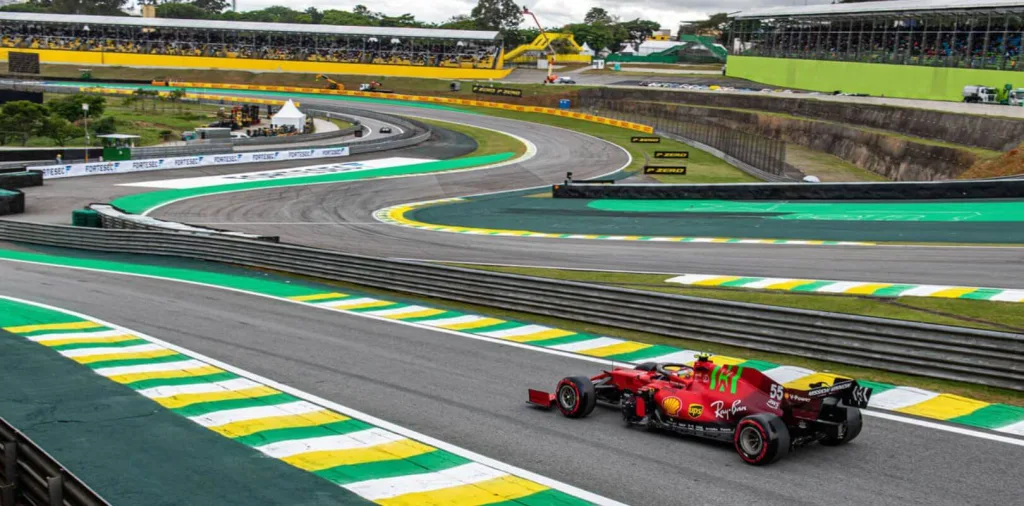
Interlagos — officially Autódromo José Carlos Pace — is not a polished, purpose-built modern circuit. It’s built into the natural contours of São Paulo’s southern hills, with steep elevation changes, tight turns and a short lap that keeps the cars close together. The result is loud, chaotic racing: late braking, side-by-side passes, and a crowd that treats every overtake like a samba drum solo. If you want theatre, Interlagos delivers.
When the race usually happens
The São Paulo Grand Prix traditionally sits late in the Formula 1 calendar, often in October or November. Dates shift year to year, so lock in flights and hotels only after the official F1 calendar posts. Expect unpredictable weather: late-spring and early-summer in Brazil bring sudden downpours and sticky heat in the same afternoon.
Tickets: types, where to buy, and what’s worth the splurge
Tickets come in three broad flavors: general admission (GA), numbered grandstand seats, and premium packages (paddock club or hospitality). GA gives freedom to roam, but sightlines vary wildly. Grandstand seats guarantee a specific view — start/finish, Turn 1, or the fast curves — and are where you’ll meet the most die-hard fans who bring flags and barbecue grills. Premium packages are expensive but include nice perks: paddock access, indoor restrooms, and food. I’ve done both GA and grandstand; the grandstand seat near Turn 1 made the day easier and more comfortable.
Buy only through official sellers: the F1 website, the São Paulo GP promoter’s official site, or authorized ticketing partners. Avoid third-party resellers unless they display clear authorization — counterfeit tickets happen during major events, and getting scanned out at the gate is the fastest way to ruin a race weekend.
How to pick a grandstand
Think about what you want to feel. Want the start and pit action? Choose a grandstand that faces the pit straight and start/finish line. Want close-up braking and overtakes? Look for seats around the uphill run into Turn 1 or the fast Esses. For a more social atmosphere, grandstands that back onto fan zones make it easy to pop out for food or merchandise. If you hate standing, avoid GA entirely: during big moments the GA areas become a sea of people standing on benches and railings.
Getting to Interlagos: airports, trains, and the last-mile
São Paulo is big and traffic is real. Your arrival airport will likely dictate your easiest route to the track. Congonhas Airport (CGH) is the closest to Interlagos — a short taxi or rideshare away. São Paulo–Guarulhos International (GRU) sits northeast and will be longer by car. Plan at least 45–90 minutes from GRU to Interlagos depending on traffic and the race-day control measures.
Train and public transit
The regional rail system (CPTM Line 9) stops at Autódromo station, which puts you within walking distance of the track’s north gate on non-event days. During race weekend the operator often runs special services and fans flood the trains early and late. Trains are the cheapest option but prepare for crowds and bring a reloadable transport card if you’ll use public transit often.
Rideshare and taxis
Apps like Uber and 99 operate across São Paulo and are the easiest door-to-door option. Expect surge pricing during entry and exit times; share rides when possible. Official race shuttles from select hotels and transport hubs are sometimes available and reduce the walking and waiting hassle, even if they cost a bit more.
Where to stay: neighborhoods that make race logistics easier
If you want to sleep near the track, the area around Congonhas and the south zone — Moema and Vila Mariana — balances convenience and safety. Moema is particularly popular: restaurants, supermarkets, and a short cab ride to Interlagos. For nightlife and more central access to the city, stay in Jardins or Vila Madalena, but budget extra time to reach the circuit on race day. Book hotels several months in advance; São Paulo fills up and prices spike during GP week.
Race day packing list that will actually save you time
- Small clear bag (many events require transparent bags).
- Foldable ear protection (foam earplugs or over-ear muffs).
- Light rain jacket and a small poncho — afternoon showers are common.
- Sunscreen and a hat for long open stands.
- Portable phone battery and a printed copy of your ticket and ID.
- Cash (small bills) and a card — smaller vendors sometimes prefer cash.
- Binoculars or a small camera with a zoom lens if you like detail shots.
Food, drink, and the fan culture at Interlagos
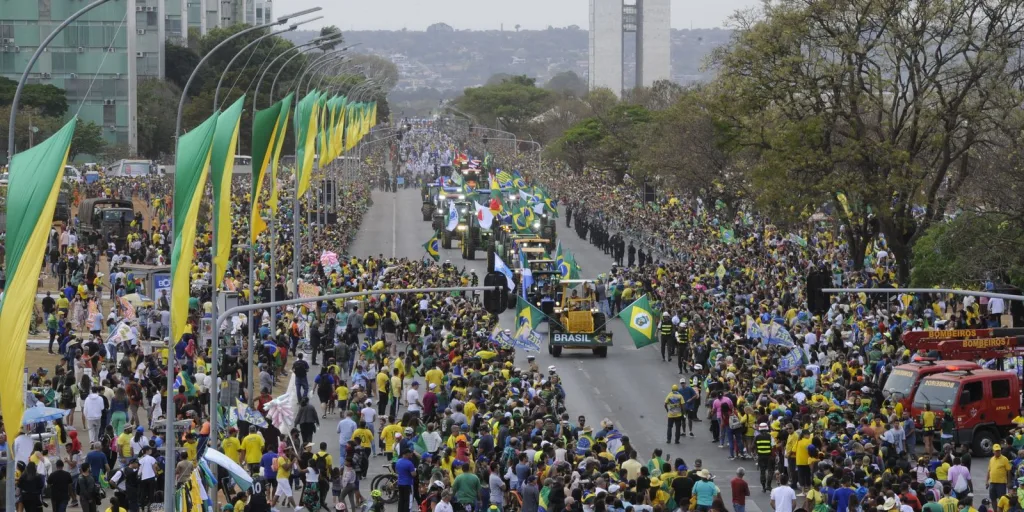
What surprised me most the first time was how Brazilian the whole weekend felt. Fans pack coolers with cold beer and snacks, small samba groups play drums between sessions, and grills pop up near the GA areas. Vendors sell pastéis, espetinhos, and regional snacks; you’ll find coffee carts too. If you’re in a grandstand, you’ll still want to step down into the fan zone at least once — the noise and energy are contagious.
Hydration and heat
Bring water. You’ll be moving between hot sun and humid pockets of air. Race organizers often have water stands and secure refill points, but queues get long before races. Drink early, not just when you feel thirsty.
Timing and schedules: how to plan your weekend like a pro
Practice sessions (FP1, FP2) give you a chance to learn sightlines and find vendors, while qualifying Saturday carries the intensity of a sprint. The main event, of course, is Sunday. Plan your arrival at the track at least an hour before the on-track action you care about. For qualifying and the race, arrive two hours early to clear security, find your seat, and handle food and bathroom lines.
What to expect for security and entry
Security is thorough. Expect bag checks and metal detectors. Items like glass bottles or large umbrellas are generally restricted, though compact umbrellas and ponchos are usually allowed. Gate staff are professional and the crowd overall is friendly; disrespecting marshals or security will get you removed faster than anything else. Keep your ticket accessible because gate scanning is strict and re-entry rules vary.
Watching the race: where the action happens on the Interlagos layout
Because Interlagos is a short lap with elevation, the start/finish straight and the first uphill corner produce the best overtaking moments. The flow through the Esses and the long downhill into the final corners can also produce excitement if someone gets a better exit. If you pick a grandstand near any of these zones you’ll see braking battles and wheel-to-wheel action that photos don’t capture.
Tips for filming or photographing
If you’re serious about photos, a zoom lens (200–400mm equivalent) is ideal. Use continuous shooting mode for overtakes. Otherwise, record short clips with your phone — and don’t obscure others’ views for the entire race. Hold your phone low during starts and lift it only for big moments.
Language and local etiquette that will get you further than a phrasebook
A few Portuguese phrases go a long way. “Obrigado/Obrigada” (thank you) and “com licença” (excuse me) open doors. Learn numbers enough to handle a purchase and practice “onde fica o banheiro?” if you must. Fans love to help; if you ask directions people will go out of their way. But don’t teach yourself to shout over the crowd in English and expect everyone to play along — blend in a little and you’ll be included.
Safety: common-sense measures for São Paulo on race weekend
São Paulo is a huge city. During big events, petty theft goes up whenever crowds gather. Keep valuables zipped, use a money belt or front-pocket wallet, and avoid flashing expensive cameras in quiet streets getting to and from the circuit. If you’re taking a taxi at night, use official apps, check the license plate, and share your trip with someone back home.
Medical and emergency services
The circuit maintains first-aid stations and medical staff. If you have medications, bring a day’s extras in your carry. For anything serious, hospitals in São Paulo are excellent; Congonhas and surrounding neighborhoods have nearby clinics if needed.
Day trips and things to do if you add extra days in São Paulo
Give the city at least two extra days beyond race weekend. Visit Avenida Paulista for museums and cafés, wander the Mercado Municipal for mortadella sandwiches, and stroll through Ibirapuera Park to recover from loud ears and late nights. For dinner the night before or after the race, head to Moema or Vila Madalena for bistros and good churrascarias; both are friendly to tourists and offer lively nightlife without the pretense of the more central neighborhoods.

Budget outline: what to expect to spend
Costs vary wildly by style and timing. Expect these broad ranges: economy travelers who book early and use public transit can aim for modest hotels or hostels and a daily food budget in the low tens of USD; mid-range travelers staying in decent hotels near Moema and using rideshares should budget more comfortably. Grandstand tickets can range from moderately priced to a significant spend depending on location; premium hospitality is an order of magnitude higher. Book early and avoid last-minute purchases when prices spike dramatically.
How to handle bad weather and delays
Rain is a Brazilian specialty. If it rains, trust that everyone else is wet too and that the crowd mood will stay upbeat. Bring a compact poncho that you can fold into a pocket; a thin rain jacket is more comfortable than a bulky plastic poncho if you can swing it. Drainage at Interlagos is good, but mud and slipping surfaces happen. Quiet stands become louder when a downpour hits — it’s part of the charm.
Practical checklist three days before you go
- Verify race times and gate openings on the official schedule.
- Check your ticket QR codes on your phone and print a copy as backup.
- Top up local transit card and download ride-hailing apps.
- Confirm hotel shuttle or transport and pin the meeting point on your map app.
- Pack ear protection, sunscreen, and a small first aid kit.
Stories from the stands: small things that make the weekend memorable
One hour before the race, a man in a faded national team jersey passed me an extra bottle of water because I’d left mine near the gate. Another time, a makeshift drum circle started a chant that lasted into the podium presentations. There’s an unofficial ritual where fans bang on the metal railings when their driver passes — not loud, not aggressive, but a shared beat that feels like a local blessing. Those details stay with you longer than the podium photos.
Final practical takeaway
Buy your ticket through official channels, sleep in the south zone if you want less travel on race day, and pack light: small clear bag, ear protection, rain gear, phone battery. Arrive early, learn a few Portuguese phrases, and be ready for a noisy, sweaty, unforgettable weekend. Book early, plan logistics tightly, and let the crowd carry you — that’s the quickest route to loving the São Paulo GP.