
- A Glimpse into Afro-Brazilian Faiths: Roots and Resilience
- The Rhythmic Soul: Afro-Brazilian Religions and Music
- From Sacred Drums to Samba Stages
- Instruments and Their Stories
- Beyond the Beat: Melodies and Messages
- A Taste of Devotion: The Culinary Legacy
- Sacred Tables, Street Delights
- Staple Ingredients and Symbolic Significance
- Iconic Dishes and Their Orixá Connections
- Celebration and Spectacle: Festivals Transformed
- Carnival: A Kaleidoscope of Faith and Joy
- Iemanjá: The Queen of the Sea's Embrace
- Lavagem do Bonfim: A Blend of Beliefs
- Enduring Spirit: The Unifying Thread
When you think of brazil, what comes to mind? Is it the pulsating rhythms of samba, the vibrant explosion of Carnival, or perhaps the rich, aromatic flavors of a moqueca stew? While these images are quintessentially brazilian, their deep roots often trace back to the powerful and resilient traditions of Afro-Brazilian religions like Candomblé and umbanda.
These faiths, forged in the crucible of slavery and resilience, have done more than just survive; they have thrived, weaving their intricate threads into the very fabric of Brazilian culture. From the sacred beats that gave birth to popular music genres to the ritualistic dishes that became beloved national foods, and the joyous celebrations that define a nation’s spirit, the influence is profound and undeniable. Let’s embark on a journey to explore this incredible cultural legacy.
A Glimpse into Afro-Brazilian Faiths: Roots and Resilience
To truly understand the influence, we must first appreciate the origins of these remarkable religions. Candomblé and Umbanda emerged from the forced migration of millions of enslaved Africans, primarily from West Africa and the Bantu regions, to Brazil over centuries. Stripped of their freedom, their languages, and their communities, these courageous individuals held onto their spiritual traditions as a means of survival, identity, and hope.
In a foreign land, under immense oppression, these African traditions began to blend with elements of Catholicism – a process known as syncretism. This wasn’t just a simple merging; it was often a strategic act of resistance, allowing adherents to practice their ancestral faiths under the guise of Christian worship. The African deities, known as Orixás (in Candomblé) or entities (in Umbanda), became associated with Catholic saints, ensuring the continuity of their spiritual practices for generations.
The Orixás, powerful natural forces personified, represent aspects of nature and human experience: Iemanjá, queen of the seas; Xangô, god of thunder and justice; Oxum, goddess of beauty and fresh water; Ogum, warrior god of iron and war. Each Orixá has specific colors, foods, rhythms, and ritualistic gestures, all of which have seeped into the broader Brazilian culture, often without explicit recognition of their religious origins.
The Rhythmic Soul: Afro-Brazilian Religions and Music
If Brazil has a heartbeat, it’s a drumbeat. And many of those rhythms reverberate directly from the sacred spaces of Candomblé and Umbanda terreiros (temples). The connection between Afro-Brazilian religions and music is perhaps the most immediate and impactful.
From Sacred Drums to Samba Stages
In the terreiros, music isn’t merely entertainment; it’s a vital component of worship. The rhythm, melody, and chant are used to invoke the Orixás, facilitating possession and communication with the spiritual realm. The primary instruments in Candomblé are the *atabaques* (three sacred drums of different sizes: Rum, Rumpi, and Lê), along with the *agogô* (a double bell) and *xequerê* (a beaded gourd rattle).
The complex polyrhythms produced by these instruments are the very DNA of many popular Brazilian music genres. Imagine the infectious energy of samba: its driving force, its call-and-response patterns, its intricate percussion sections – all bear a striking resemblance to the ritual music of Candomblé. The *batucada* (percussion ensemble) of a samba school is a direct descendant of the sacred drum circles. Similarly, genres like *maracatu* from Pernambuco and *afoxé* from Bahia are explicit adaptations of Candomblé ritual music, brought into the secular sphere to celebrate African heritage and identity.
Instruments and Their Stories
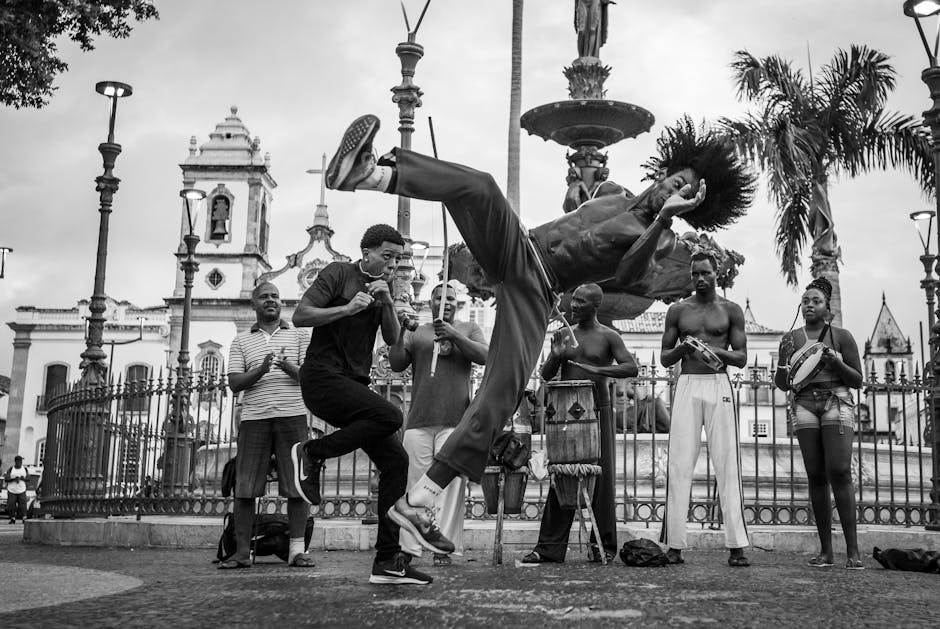
Beyond the drums, other instruments with spiritual significance have found their way into mainstream music. The *berimbau*, for instance, is the soul of capoeira, the Afro-Brazilian martial art. While capoeira itself has complex origins, its musicality, centered around the berimbau’s twangy resonance, is deeply connected to African spiritual practices and rhythmic expressions.
These instruments don’t just provide a beat; they carry stories, ancestral memories, and spiritual energy. When you hear the insistent rhythm of an *agogô* in a pop song or the deep thrum of a drum in a street carnival, you’re not just hearing music; you’re hearing the echo of centuries of devotion and resistance.
Beyond the Beat: Melodies and Messages
It’s not just the rhythms and instruments; the melodic structures and lyrical themes of Afro-Brazilian religious music have also left an indelible mark. The call-and-response singing, where a lead singer (or *ogã* in Candomblé) offers a phrase and the chorus responds, is a hallmark of African musical traditions that permeates Brazilian popular music, from samba to axé to MPB (Música Popular Brasileira).
Furthermore, many songs, even those considered secular, carry veiled or explicit references to Orixás, their stories, and their attributes. Artists like Clara Nunes, Gilberto Gil, Caetano Veloso, and Maria Bethânia, among many others, have openly celebrated their Afro-Brazilian spiritual heritage through their music, introducing Orixá myths and Candomblé symbolism to a wider audience. The vibrant samba-reggae movement from Bahia, spearheaded by *blocos afros* like Olodum and Ilê Aiyê, directly fuses the spiritual energy and identity politics of Candomblé with reggae rhythms, creating a powerful cultural and social force.

A Taste of Devotion: The Culinary Legacy
Brazilian cuisine is renowned for its diverse flavors, but nowhere is the influence of Afro-Brazilian religions more palpable than in the dishes that have become national treasures, particularly in Bahia. What started as sacred offerings to the Orixás has evolved into beloved street food and gourmet delights.
Sacred Tables, Street Delights
In Candomblé, preparing food for the Orixás (*comidas de santo*) is a sacred act, a form of devotion and communication. Each Orixá has specific foods they prefer, prepared with particular ingredients and rituals. Over time, many of these ritualistic dishes transitioned from the terreiro to the street, losing some of their explicit religious context but retaining their flavor, ingredients, and cultural significance.
The transformation of these foods illustrates a beautiful synergy: the nourishment of the body intertwined with the nourishment of the soul. These dishes are not just sustenance; they are a legacy, a culinary map connecting contemporary Brazil to its African past.
Staple Ingredients and Symbolic Significance
The foundation of many Afro-Brazilian dishes lies in key ingredients brought from Africa or adapted from local plants. *Azeite de dendê* (palm oil) is perhaps the most iconic. Its vibrant orange hue and distinctive flavor are synonymous with Bahian cuisine. Dendê is not just an oil; it represents vitality, energy, and connection to the ancestors, frequently used in offerings to many Orixás.
Coconut milk, malagueta peppers, okra, shrimp, black-eyed peas, cashews, and peanuts are other essential components that define this culinary tradition. Each ingredient often carries a symbolic weight, enhancing the spiritual dimension of the food, even when consumed in a secular context.
Iconic Dishes and Their Orixá Connections
Let’s talk about some mouth-watering examples:
- Acarajé: This iconic Bahian street food is a fried patty made from crushed black-eyed peas, onions, and salt, deep-fried in dendê oil. Traditionally, it’s an offering to Iansã, the Orixá of winds and storms. Served split open and filled with *vatapá* (a creamy shrimp, bread, coconut milk, and dendê paste), *caruru* (okra stew), salad, and shrimp, acarajé is a sensory explosion and a must-try for anyone visiting Brazil.
- Vatapá: While often a filling for acarajé, vatapá can also be a standalone dish, served with rice or as an accompaniment to *moqueca*. Its rich, creamy texture and savory flavor are deeply satisfying, embodying the comfort and richness associated with offerings.
- Moqueca: The Bahian version of this delicious seafood stew is characterized by its generous use of dendê oil, coconut milk, tomatoes, peppers, and onions. It’s a testament to the abundance of the sea and land, often associated with Iemanjá or Oxum, depending on specific preparations and intentions.
- Abará: Similar to acarajé but steamed in a banana leaf, abará offers a slightly different texture and flavor profile, still very much rooted in the same culinary and spiritual heritage.
- Bobó de Camarão: A creamy and comforting dish of shrimp cooked in a purée of cassava, coconut milk, dendê oil, and spices. It’s a luxurious expression of Afro-Brazilian culinary artistry.
These dishes are not just recipes; they are a living history, a taste of resilience, and a testament to the power of food to preserve culture and connect generations.
Celebration and Spectacle: Festivals Transformed
Brazil is a country that knows how to celebrate, and many of its most famous festivals are vibrant expressions of its Afro-Brazilian religious heritage, blending sacred and secular, devotion and pure joy.
Carnival: A Kaleidoscope of Faith and Joy
Carnival, particularly in Rio de Janeiro and Salvador, is arguably the world’s most famous party. While often seen as a secular explosion of music and dance, its deep ties to Afro-Brazilian religions are undeniable. The samba schools of Rio, with their elaborate parades, often draw their *enredos* (themes) from Orixá myths, African history, and Afro-Brazilian culture. The intricate costumes, the powerful drumming, and the communal ecstasy all echo the ritualistic aspects of Candomblé and Umbanda.
In Salvador, Bahia, the connection is even more explicit. The *blocos afros* like Olodum, Ilê Aiyê, and Filhos de Gandhy are Carnival groups that directly celebrate African heritage, Orixás, and black identity. Their music and performances are a powerful declaration of cultural pride and spiritual connection, transforming the streets into a moving terreiro of sorts, inviting everyone to participate in their reverence and revelry.
Iemanjá: The Queen of the Sea’s Embrace
One of the most beautiful and poignant festivals is the Festa de Iemanjá, celebrated annually on February 2nd, especially in Salvador. Thousands of devotees, dressed in white, flock to the beaches, bringing offerings of flowers, perfumes, mirrors, and gifts to the Queen of the Sea, Iemanjá. Boats are loaded with these offerings and sailed out into the ocean, a spectacular display of faith and devotion.
While officially a Candomblé celebration, the Festa de Iemanjá transcends religious boundaries, drawing people of all faiths and none, who come to pay homage, make wishes, and witness the stunning spectacle. It’s a powerful reminder of the deep spiritual connection Brazilians feel to nature and the Orixás.
Lavagem do Bonfim: A Blend of Beliefs
Another unique Bahian festival is the Lavagem do Bonfim (Washing of Bonfim), which takes place every January. This event perfectly encapsulates the syncretic nature of Brazilian culture. Thousands of women, known as *baianas*, often priestesses or *filhas de santo* from Candomblé terreiros, dressed in traditional white lace and turbans, carry perfumed water in gourds to the Church of Nosso Senhor do Bonfim. There, they ritually wash the steps of the church in a gesture of purification and blessing.
This church is particularly significant because Nosso Senhor do Bonfim (Our Lord of the Good End) is syncretized with Oxalá, the Orixá of creation and peace, in Candomblé. The festival beautifully illustrates the seamless intertwining of Catholic and Afro-Brazilian traditions, where religious boundaries blur, and shared devotion takes center stage.

Enduring Spirit: The Unifying Thread
The influences of Afro-Brazilian religions on music, food, and festivals are not just isolated elements; they are fundamental threads woven into the very fabric of Brazilian identity. They speak of a history marked by adversity but also by an incredible capacity for cultural creation, adaptation, and preservation. From the echoing drumbeats that call Orixás to the savory flavors of dendê-infused dishes, and the explosive joy of Carnival parades, these traditions offer a vibrant testament to the enduring spirit of a people. To understand the heart of Brazil is to appreciate the profound, beautiful, and resilient legacy of its Afro-Brazilian faiths.