
- Prioritizing Your Health and Wellness
- Before You Go: Vaccinations and Preparations
- During Your Trip: Food, Water, and Sun Safety
- Navigating the Urban Landscape: Understanding & Avoiding Scams
- Petty Theft & Pickpocketing
- Common Scams to Watch Out For
- Embracing Local Customs and Etiquette
- Language and Greetings
- Dress Code and Social Norms
- Respecting the Culture
- Transportation Safety: Getting Around Securely
- Nightlife and Socializing: Enjoying Brazil After Dark
- Essential Emergency Contacts and Resources
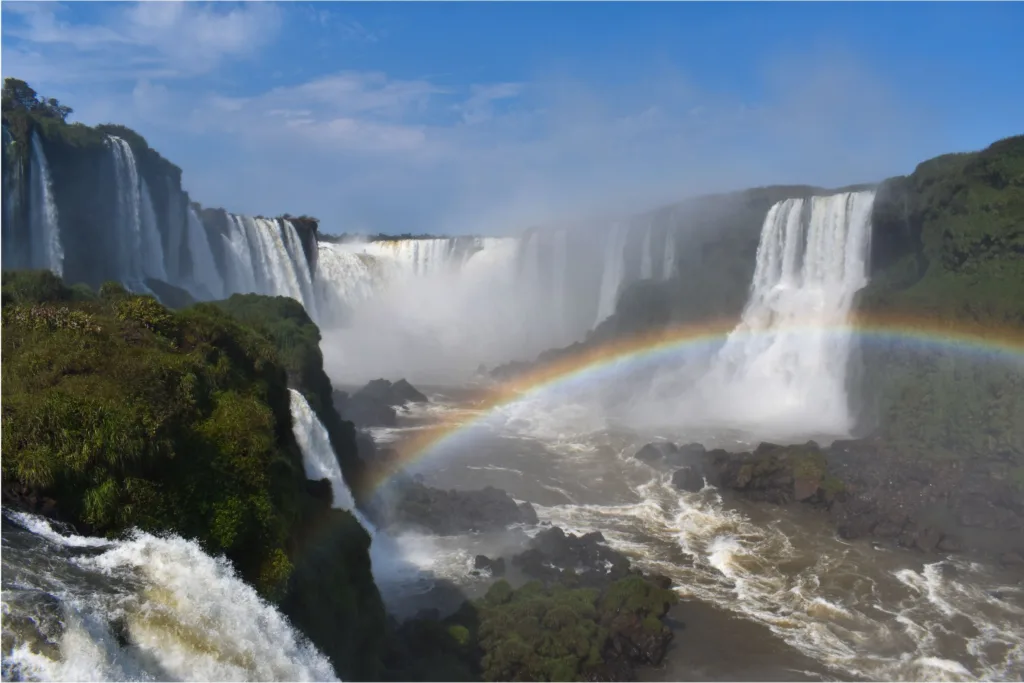
brazil is a land of vibrant colors, infectious rhythms, breathtaking landscapes, and an incredibly warm populace. from the iconic beaches of Rio de Janeiro to the lush Amazon rainforest, the cascading Iguazu Falls, and the pulsating energy of Salvador, it’s a destination that promises unforgettable memories. However, like any international travel, a little preparation goes a long way in ensuring your trip is not only memorable but also safe and smooth. This guide is designed to help you navigate Brazil’s unique landscape, offering insights into health precautions, common scams to watch out for, and the beautiful local customs that make this country so special.
We want you to embrace all the wonders Brazil has to offer with peace of mind, so let’s dive into some practical advice to help you feel confident and prepared for your adventure.
Prioritizing Your Health and Wellness
Your well-being is paramount, and a few proactive steps can prevent potential health hiccups during your Brazilian holiday. Brazil has a modern healthcare system, but prevention is always better than cure.
Before You Go: Vaccinations and Preparations
- Consult Your Doctor: Before traveling, schedule an appointment with your doctor or a travel clinic. They can advise on recommended vaccinations, which often include Yellow Fever (especially if you’re visiting rural areas, the Amazon, or some states like Minas Gerais), Hepatitis A & B, Tetanus, and Measles, Mumps, Rubella (MMR).
- Malaria & Dengue: While malaria risk is low in most major tourist areas, it exists in certain Amazon regions. Dengue, Zika, and Chikungunya are present in many parts of the country and are transmitted by mosquitoes. Pack strong insect repellent containing DEET, picaridin, or oil of lemon eucalyptus. Wear long sleeves and pants, especially during dawn and dusk.
- Prescription Medications: Bring an adequate supply of any necessary prescription medications in their original packaging, along with a copy of your prescription. It’s also wise to carry a basic first-aid kit with pain relievers, band-aids, antiseptic wipes, and any personal allergy medications.
During Your Trip: Food, Water, and Sun Safety
- Stay Hydrated: Brazil can get very hot! Drink plenty of bottled or filtered water. Avoid tap water unless you are certain it’s potable, which is rare outside of reputable hotels.
- Food Choices: Savoring local cuisine is a highlight, but exercise caution with street food. Opt for stalls that look clean, have high turnover, and cook food to order. Peel fruits yourself and ensure meats are thoroughly cooked.
- Sun Protection: The Brazilian sun is intense. Use high-SPF sunscreen regularly, wear sunglasses, and a wide-brimmed hat. Seek shade during peak hours (10 AM to 4 PM) to avoid sunburn and heatstroke.
- Swim Safely: If swimming in natural waters (beaches, rivers), be aware of local conditions. Strong currents can be present, especially on ocean beaches. Look for lifeguards and heed any warning flags.
Navigating the Urban Landscape: Understanding & Avoiding Scams
Brazil, like many popular tourist destinations, has its share of opportunists. Being aware of common scams can help you avoid becoming a target and keep your focus on enjoying your trip.
Petty Theft & Pickpocketing
This is the most common issue. Crowded areas like beaches, public transport, markets, and especially during large festivals like Carnival or New Year’s Eve, are prime spots.

Here’s how to minimize risk:
- Travel Light: Only carry what you absolutely need for the day. Leave expensive jewelry, watches, and excessive cash in your hotel safe.
- Blend In: Try not to look overtly like a tourist. Avoid flashing expensive cameras, phones, or jewelry.
- Secure Your Belongings: Use a cross-body bag worn in front of you, or a money belt under your clothes. Be extra vigilant with backpacks. Don’t put your phone or wallet in your back pocket.
- Atmosphere Awareness: Be aware of your surroundings, especially if someone bumps into you or tries to distract you. These can be tactics to pickpocket.
Common Scams to Watch Out For
- ATM Scams: Use ATMs located inside banks during business hours or inside reputable shopping malls. Avoid isolated ATMs. Be wary of anyone offering “help” at an ATM, or suspicious devices attached to the card reader or keypad. Cover the keypad when entering your PIN.
- Fake Police/Official Scams: Rarely, individuals posing as police officers may demand to see your passport or wallet, alleging some infraction. Real police typically won’t stop tourists on the street for minor issues and certainly won’t ask for cash. If approached, ask for identification and offer to go to a police station. Never hand over your wallet or original passport.
- Taxi Scams: Always use official taxis (usually identifiable by their livery and specific company name/number) or ride-sharing apps like Uber or 99 (Brazil’s local version). Agree on the fare beforehand if possible, or ensure the meter is running. Some unscrupulous drivers may take longer routes.
- “Good Samaritan” Distraction: Someone might “accidentally” spill something on you or point out a stain. While you’re distracted cleaning yourself, an accomplice can pickpocket you. Politely decline help and move away.
- Online/Dating App Scams: Be cautious if using dating apps. Always meet in public places, let someone know where you’re going, and be wary of requests for money or overly elaborate stories.
Embracing Local Customs and Etiquette
Understanding and respecting local customs enriches your travel experience and helps you interact more genuinely with Brazilians. They are generally warm, friendly, and forgiving of foreigners, but a little effort goes a long way.
Language and Greetings
- Basic Portuguese: Even a few basic phrases like “Olá” (hello), “Obrigado/a” (thank you – ‘o’ for male, ‘a’ for female), “Por favor” (please), and “Com licença” (excuse me) will be greatly appreciated. Brazilians love it when foreigners try to speak their language.
- Personal Space & Touch: Brazilians are generally more physically demonstrative than many other cultures. Expect close greetings with handshakes, light hugs, and often a kiss on each cheek (especially between women, or a man and a woman, depending on the region). Don’t be alarmed; it’s a sign of warmth.
Dress Code and Social Norms
- Casual but Stylish: Brazilians generally dress casually but stylishly. At the beach, swimsuits are fine, but cover up when you leave the sand. In cities, shorts and t-shirts are common, but for evening outings or more upscale restaurants, smart casual attire is preferred. Flip-flops (Havaianas are iconic here!) are common everywhere.
- Punctuality: While meetings might start on time in a business context, social gatherings can be more fluid. Don’t be surprised if your Brazilian friends arrive a little late for a casual dinner.
- Tipping: Tipping isn’t as prevalent or expected as in some other countries. In restaurants, a 10% service charge (“gorjeta” or “serviço”) is often included in the bill. If it’s not, or for exceptional service, you can add 10%. For taxi drivers, rounding up the fare is common. For hotel staff, a small tip for good service is appreciated.
Respecting the Culture
- Photography: Always ask permission before photographing individuals, especially in indigenous communities or favelas. Be discreet in religious settings.
- Favela Visits: If you visit a favela, do so with a reputable, organized tour group. These tours often contribute to the local community and ensure your safety while providing valuable cultural insights. Avoid exploring favelas independently.
Transportation Safety: Getting Around Securely
Moving from place to place is a big part of travel. Here’s how to do it safely in Brazil.
- Ride-Sharing Apps: For city travel, Uber, 99, and similar apps are generally the safest and most convenient options. They offer GPS tracking and fare transparency. Confirm the driver’s name and license plate before getting into the car.
- Public Transportation: In major cities like Rio and São Paulo, the metro system is generally safe, clean, and efficient during the day. Buses can be crowded and less secure, especially at night. Exercise caution and keep valuables hidden.
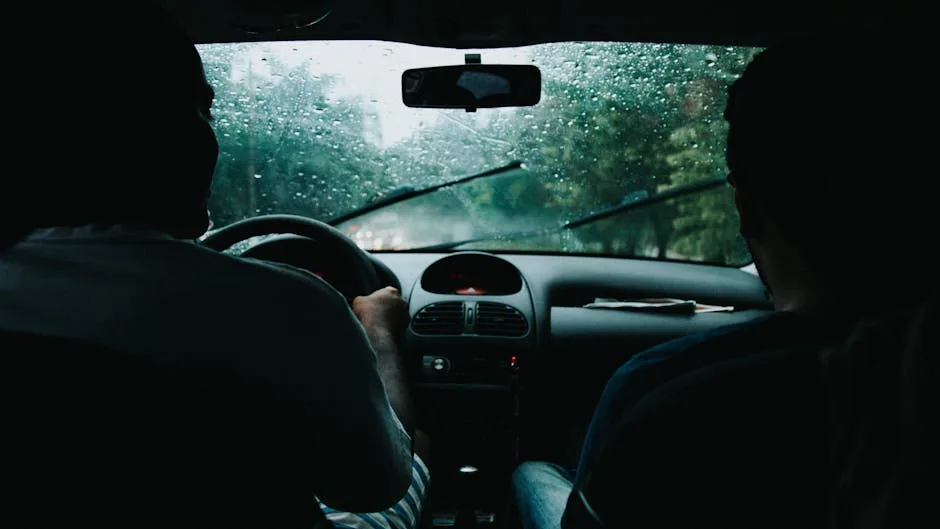
- Driving: Driving in Brazil can be challenging due to aggressive drivers, varying road conditions, and confusing signage. It’s generally not recommended for tourists unless venturing into very specific, well-researched areas. Avoid driving at night, especially on intercity roads.
Nightlife and Socializing: Enjoying Brazil After Dark
Brazil truly comes alive at night, with bustling bars, lively restaurants, and incredible music scenes. Enjoying it safely means being mindful of your surroundings.
- Go in Groups: Whenever possible, especially at night, go out with friends or fellow travelers. There’s safety in numbers.
- Watch Your Drinks: Never leave your drink unattended. Be cautious about accepting drinks from strangers.
- Stay Aware: While it’s easy to get swept up in the festive atmosphere, always maintain an awareness of your belongings and exits. Try to avoid walking alone at night, especially in less-populated or poorly lit areas.
- Know Your Limits: Alcohol can impair judgment. Drink responsibly to ensure you can make safe decisions.
Essential Emergency Contacts and Resources
Knowing who to call in an emergency is crucial, though hopefully, you won’t need to.
- Police (Polícia Militar): Dial 190 for general police assistance.
- Ambulance (SAMU): Dial 192 for medical emergencies.
- Fire Department (Bombeiros): Dial 193 for fire and rescue services.
- Tourist Police (Delegacia de Atendimento ao Turista – DEAT): In major tourist cities like Rio and São Paulo, DEAT offers assistance specifically for tourists. Their officers often speak English. Look up their specific numbers and locations for the cities you plan to visit.
- Your Embassy/Consulate: Register your trip with your country’s embassy or consulate. They can provide assistance in case of emergencies, lost passports, or other significant issues. Keep their contact information readily available.

Photo by Waldir Évora via Pexels

Brazil is an extraordinary country brimming with culture, natural beauty, and warm-hearted people. By taking a few sensible precautions regarding your health, staying aware of common scams, and respectfully engaging with local customs, you’re set for an incredible and enriching journey. Embrace the adventure, savor the flavors, dance to the rhythms, and create memories that will last a lifetime. Boa viagem!