

- A Land Shaped by Water: Understanding the Pantanal's Unique Geography
- The Pulse of the Wetlands: Life in the Dry Season (May to October)
- Concentration of Life
- The Great Flood: Abundance in the Wet Season (November to April)
- A World Transformed
- Faces of the Pantanal: Iconic Wildlife Encounters
- The Elusive Jaguar
- Caimans and Anacondas
- The Gentle Capybara
- Giant Otters: Playful Hunters
- Birds of Every Feather
- Adaptations to a Dynamic World
- Guardians of the Green Heart: Conservation Efforts
Imagine a vast, shimmering wetland, teeming with life, where the rhythm of water dictates every heartbeat. This isn’t a fantasy, it’s the Pantanal – the world’s largest tropical wetland, nestled primarily in brazil, with parts extending into Bolivia and Paraguay. Often overshadowed by its Amazonian neighbor, the Pantanal offers an entirely different, yet equally breathtaking, wildlife experience. Its unique ecology, driven by dramatic seasonal floods and droughts, creates an unparalleled spectacle of nature that captivates every visitor.
So, grab your binoculars and your sense of adventure, because we’re diving deep into the extraordinary world of the Pantanal, exploring how its waters shape its diverse ecosystems and why it’s truly a place where life thrives in the most incredible ways.
A Land Shaped by Water: Understanding the Pantanal’s Unique Geography
What makes the Pantanal so special? It’s largely its topography. Unlike the Amazon, which is dense rainforest, the Pantanal is a vast, flat basin, almost like a giant saucer. This gentle slope means that during the rainy season, the rivers overflow their banks, and the water has nowhere to go but out, spreading across thousands of square kilometers. This annual inundation transforms the landscape dramatically, creating a dynamic mosaic of flooded grasslands, savannas, forests, and slow-moving rivers.
The region is fed by numerous rivers, primarily tributaries of the Paraguay River, which carry nutrients and sediment from the surrounding highlands. These floodwaters don’t just create habitats; they also deposit fertile silt, enriching the soil and supporting an incredible array of plant life, which in turn feeds the region’s diverse animal populations. It’s a truly hydrological ecosystem, where water isn’t just a component – it’s the main character.
The Pulse of the Wetlands: Life in the Dry Season (May to October)
As the rains recede, typically from May onwards, the Pantanal begins its transformation into the dry season. The vast sheets of water shrink, concentrating into permanent rivers, ponds, and lagoons. This period, often considered the best for wildlife viewing, offers a dramatic shift in the landscape and animal behavior.
Concentration of Life
- Predator’s Paradise: With water sources scarce, many animals are forced to gather around the remaining pools and rivers. This makes for easier hunting for predators like jaguars, pumas, and ocelots, who stalk the riverbanks.
- Birdwatcher’s Dream: Birds congregate in huge numbers. Storks, herons, egrets, and spoonbills flock to the shrinking water bodies, feasting on fish and amphibians trapped in the shallows. It’s a truly astounding sight, with vibrant colors and constant activity.
- Caiman and Capybara Hangouts: Hundreds, sometimes thousands, of caimans bake in the sun along the muddy banks, while capybaras, the world’s largest rodents, graze peacefully nearby, always alert for danger.
During these months, the access roads, which are often underwater during the wet season, become passable, allowing visitors deeper into the heart of the Pantanal. The air is often clearer, and the sun sets in spectacular fashion, painting the sky with fiery hues over the parched landscape.

The Great Flood: Abundance in the Wet Season (November to April)
Around November, the heavens open, and the Pantanal begins its annual rebirth. Heavy rains transform the dry, dusty plains into a sprawling freshwater sea. This period, while challenging for human navigation, is a time of incredible abundance and renewal for nature.
A World Transformed
- Spawning Grounds: The floodwaters provide vast new areas for fish to spawn, creating an explosion of aquatic life. This abundance will fuel the entire food web in the months to come.
- Amphibian and Insect Boom: Frogs, toads, and a myriad of insects thrive in the expanded wetlands, providing a crucial food source for birds, reptiles, and mammals.
- Vegetation Explosion: The landscape bursts into lush green. Aquatic plants carpet the water, and grasses grow tall, providing cover and food for herbivores.
- Bird Breeding: Many bird species take advantage of the abundant food and relative safety of nesting over water to raise their young. The sheer number of nesting colonies is truly impressive.
While wildlife might be more dispersed and harder to spot individually during the wet season, the overall sense of life and vibrancy is palpable. Boating through the flooded forests, known as “riparian forests,” offers a unique perspective, revealing a hidden world of monkeys, birds, and even jaguars adapted to moving through the inundated landscape.
Faces of the Pantanal: Iconic Wildlife Encounters
No matter the season, the Pantanal is synonymous with incredible wildlife viewing. Here are some of its most famous residents:
The Elusive Jaguar
The Pantanal boasts the highest density of jaguars in the world, making it the premier location to spot these magnificent big cats. They are surprisingly adaptable, often seen resting on riverbanks during the dry season or even swimming gracefully through the waters during the wet season. Their diet largely consists of caimans and capybaras, showcasing their strength and opportunistic hunting style.
Caimans and Anacondas
You can’t go far in the Pantanal without seeing a caiman. These reptilian predators are everywhere, from tiny hatchlings to large adults basking in the sun. They play a vital role in the ecosystem, keeping fish populations in check. And where there are caimans, there might also be anacondas – the world’s heaviest snakes – stealthily hunting along the water’s edge, though they are much more elusive.
The Gentle Capybara
Often seen in family groups, the capybara is an icon of the Pantanal. These semi-aquatic rodents are almost always near water, using it to escape predators like jaguars. Their calm demeanor and constant grazing make them a favorite subject for photographers.
Giant Otters: Playful Hunters
These magnificent, social predators are a joy to watch. Known for their playful antics and strong family bonds, giant otters are highly vocal and incredibly efficient hunters of fish. Their presence indicates a healthy aquatic ecosystem.
Birds of Every Feather
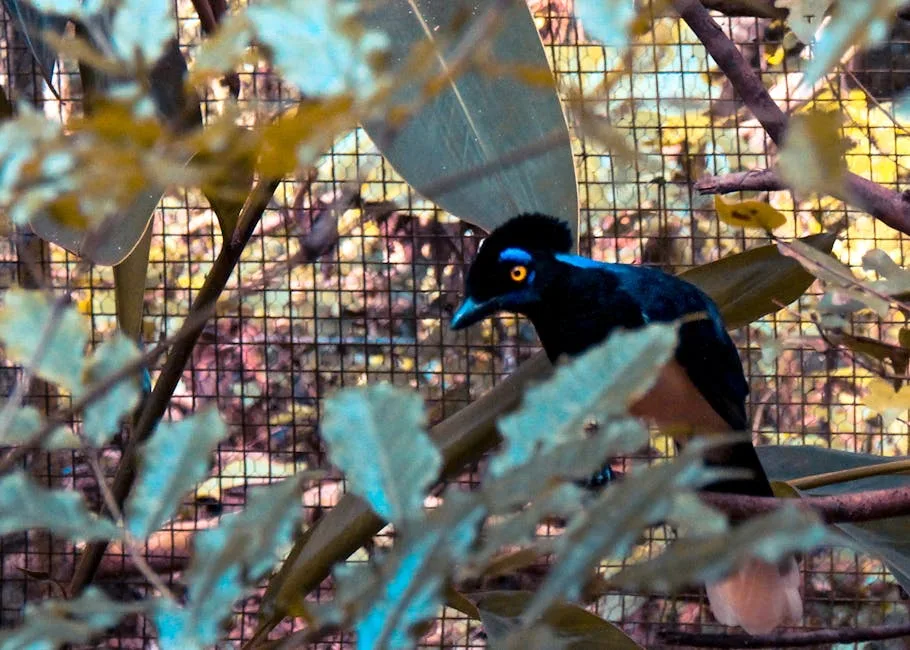
With over 650 bird species, the Pantanal is a birder’s paradise. The vibrant Hyacinth Macaw, the largest parrot in the world, is a symbol of the region, often seen flying in pairs or feeding on acuri palm nuts. Other notable species include the Jabiru Stork, with its striking black head and red neck, and countless species of herons, egrets, and raptors.

Adaptations to a Dynamic World
Life in the Pantanal demands incredible resilience and clever adaptations. Animals here have evolved remarkable ways to cope with the dramatic swings between flood and drought:
- Aquatic Prowess: Many species, like jaguars and deer, are excellent swimmers, navigating flooded landscapes with ease.
- Dietary Flexibility: Animals often adjust their diets based on seasonal availability. For example, some fish-eating birds might switch to insects or small reptiles when fish are scarce.
- Reproductive Timing: Many species time their breeding cycles to coincide with the wet season’s abundant food supply, ensuring their young have the best chance of survival.
- Migration: While not as dramatic as the Serengeti, some birds and fish undertake local migrations within the Pantanal, following the receding or advancing waters.
These adaptations underscore the Pantanal’s incredible biodiversity and the intricate web of life that flourishes within its shifting landscapes.
Guardians of the Green Heart: Conservation Efforts
Despite its remote nature, the Pantanal faces threats, primarily from agricultural expansion, unsustainable fishing practices, and proposed infrastructure projects. However, significant conservation efforts are underway. Many cattle ranches in the Pantanal have recognized the value of ecotourism and sustainable practices, converting parts of their land into private reserves. Organizations and local communities work tirelessly to protect habitats, monitor endangered species like the jaguar, and promote responsible tourism.
The very ‘Pantaneiro’ culture – the traditional way of life for the people who have lived here for generations – often embodies a deep respect for the land and its cycles, providing a crucial human link in the chain of conservation.