

- The Great Brazilian Gold Rush: A Land Transformed
- Gilded Cities Born of Gold: Ouro Preto, Mariana, and Beyond
- Life in the Mines: Opulence and Hardship
- The Royal Fifth and the Art of Smuggling
- Whispers of Hidden Treasures: Legends That Endure
- The Modern Search: Digging Beyond the Gold
- Visiting Brazil’s Colonial Gold Towns Today: A Journey Through Time
Imagine a land where rivers ran with gold, where fortunes were made and lost in a blink, and where magnificent cities rose from the wilderness, dripping with Baroque splendor. This isn’t a fairy tale; it’s the enthralling history of brazil‘s colonial gold towns, particularly those nestled in the state of Minas Gerais. For centuries, these picturesque settlements have whispered tales of incredible wealth, daring smugglers, and, perhaps most enticingly, hidden treasures just waiting to be rediscovered. Join us as we journey into the heart of this gilded past, exploring the mysteries that continue to captivate historians, archaeologists, and dreamers alike.
The Great Brazilian Gold Rush: A Land Transformed
The late 17th century marked a seismic shift in Brazil’s colonial narrative. For decades, the Portuguese Crown had been somewhat disappointed with its vast South American dominion, finding its main value in sugarcane. But then, rumors of glittering flecks in the riverbeds of what would become Minas Gerais (meaning ‘General Mines’) turned into a roaring reality. The discovery of immense gold deposits ignited a feverish gold rush that dramatically reshaped the colony.
People from all walks of life, from all corners of the Portuguese Empire and beyond, flocked to the newly found El Dorado. Thousands of prospectors, adventurers, merchants, and, tragically, enslaved Africans, poured into the rugged interior. This rapid influx of humanity created bustling, chaotic settlements that sprang up almost overnight. Rivers were dammed, hillsides were excavated, and the landscape was forever altered by the relentless pursuit of wealth. It was an era of dizzying prosperity for some, brutal exploitation for many, and a profound cultural fusion that left an indelible mark on Brazil’s identity.
Gilded Cities Born of Gold: Ouro Preto, Mariana, and Beyond
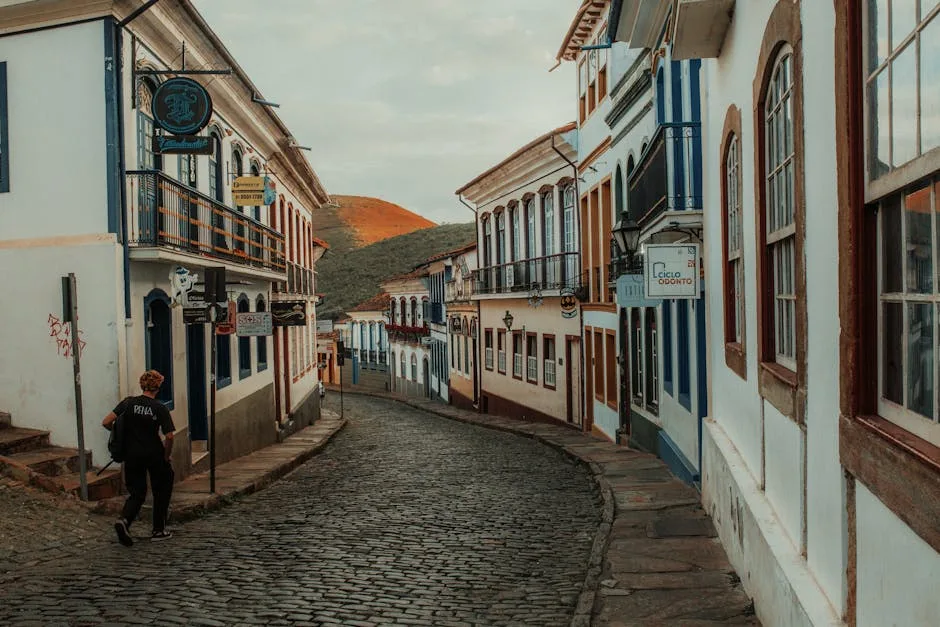
From the dust and frenzy of the gold rush, truly extraordinary cities emerged, testaments to the unimaginable wealth extracted from the earth. Ouro Preto, meaning ‘Black Gold’ – a reference to the dark iron oxide coating the alluvial gold flakes – became the crown jewel of this gilded age. Its steep, winding cobblestone streets are lined with ornate churches and stately colonial homes, all built from the riches of the mines.
Mariana, the region’s first capital and episcopal seat, also flourished with Baroque artistry and grand architecture. Nearby, towns like Tiradentes, Sabará, and Congonhas do Campo each possess their own unique charm and historical significance, preserving the architectural and artistic legacy of a bygone era. These towns weren’t just mining camps; they became vibrant cultural centers, attracting skilled artisans, architects, and musicians, whose work can still be admired today in the exquisite sculptures of Aleijadinho and the richly decorated interiors of countless churches.

Life in the Mines: Opulence and Hardship
While the towns themselves presented an image of refined prosperity, the reality behind the gold’s extraction was far grimmer for the vast majority. The gold rush was largely fueled by the brutal labor of enslaved Africans, who were forced to endure unimaginable conditions in the mines and riverbeds. Their daily lives were a testament to human resilience in the face of extreme cruelty, and their contributions, though often overlooked in traditional narratives, were foundational to the region’s wealth.
On the other hand, the lucky few – plantation owners who shifted to mining, shrewd merchants, and appointed officials – lived lives of immense opulence. They commissioned lavish homes, adorned churches with gold leaf and precious stones, and indulged in European fineries. Society was starkly divided, with a glittering veneer of wealth masking the immense suffering that underpinned its existence. This stark contrast between unimaginable luxury and profound misery further fueled the complex narratives and legends that would arise from the gold era.
The Royal Fifth and the Art of Smuggling
The Portuguese Crown, ever vigilant for revenue, imposed a hefty tax on all gold extracted: the ‘Quinto Real’ or Royal Fifth, demanding 20% of all findings. This, predictably, led to an elaborate and often desperate underground economy of smuggling. Miners and merchants went to extraordinary lengths to evade the tax, turning ingenuity into an art form.
- Hollow Saints (Santos do Pau Oco): Perhaps the most famous method involved carving religious statues from wood and hollowing them out to conceal gold dust and nuggets. These ‘santos do pau oco’ would then be transported under the guise of religious devotion, often bypassing checkpoints unnoticed.
- Ingenious Concealments: Gold was hidden in everything imaginable: false bottoms of carts, in food provisions, even inside animals. Legends speak of tunnels, secret compartments in homes, and hidden trails through the dense jungle used to move illicit gold out of the region.
- Bribery and Corruption: Of course, official corruption was rampant, with many guards and administrators complicit in the smuggling trade, further complicating the Crown’s efforts to control its vast wealth.
These acts of defiance against the Crown were not just about greed; they were also a reaction to perceived injustice and the oppressive taxation that stifled legitimate commerce. The constant cat-and-mouse game between tax collectors and smugglers created an atmosphere of paranoia and secrecy, where trust was a rare commodity, and hidden caches became a common strategy for safeguarding one’s fortune.
Whispers of Hidden Treasures: Legends That Endure
With so much gold, such intense regulation, and pervasive smuggling, it’s no wonder that Brazil’s colonial past is rife with tantalizing legends of hidden treasures. These aren’t just fanciful tales; they’re rooted in the very real anxieties and uncertainties of the era.
- Fleeing Fortunes: When political unrest, invasions, or new, harsher taxes threatened, wealthy families or powerful individuals might bury their riches to protect them, intending to retrieve them later. Many, however, died or were exiled before they could return, leaving their hoards forever lost.
- Bandit Stashes: The vast, untamed landscapes surrounding the gold towns were perfect havens for bandits and highwaymen. They would rob gold shipments and then bury their ill-gotten gains in remote locations, often marked only by cryptic clues or forgotten landmarks.
- Church Hoards: While many churches proudly displayed their wealth, some religious orders or individuals may have hidden valuable artifacts or gold offerings during times of threat, either from the Crown or from common criminals.
- The Lost Mines: Beyond buried caches, there are persistent legends of ‘lost mines’ – incredibly rich veins of gold that were discovered, worked briefly, and then mysteriously abandoned or deliberately concealed to avoid taxation.
These stories are passed down through generations, fueling the imaginations of locals and visitors alike. Every old house, every forgotten path, every ancient tree in Minas Gerais seems to carry a secret, a potential key to unlocking a long-lost fortune.

The Modern Search: Digging Beyond the Gold
Today, the hunt for Brazil’s hidden colonial treasures continues, albeit with a different focus. While the dream of unearthing a vast gold hoard still twinkles in the eyes of a few dedicated (or perhaps obsessed) individuals, most modern ‘treasure hunters’ are archaeologists, historians, and preservationists. Their goal isn’t just gold; it’s understanding the rich tapestry of life during the gold rush era.
Archaeological digs in and around Ouro Preto, Mariana, and other historical sites often unearth fascinating artifacts: pottery shards, tools, coins, and remnants of daily life that paint a more complete picture of the colonial period. These discoveries, though not always shimmering with gold, are invaluable for illuminating the social structures, economic practices, and cultural exchanges that defined this pivotal moment in Brazilian history.
The challenges are immense. Time, erosion, human activity, and the dense, often unforgiving Brazilian landscape have hidden many secrets. Records from the era are often incomplete, deliberately vague, or simply lost to history. Yet, the allure persists. Every now and then, a construction project might reveal an unexpected tunnel, a homeowner might uncover an old coin cache, or a hiker might stumble upon an ancient, overgrown path leading to a forgotten mining site. These small discoveries keep the dream alive, reminding us that the ground beneath our feet in these ancient towns holds countless untold stories.
Visiting Brazil’s Colonial Gold Towns Today: A Journey Through Time
For those drawn to history, beauty, and the lingering echoes of a dramatic past, visiting Brazil’s colonial gold towns is an unforgettable experience. Places like Ouro Preto, a UNESCO World Heritage site, offer a tangible connection to the gold rush era. Wandering its steep, winding streets, admiring the breathtaking Baroque churches – many still adorned with immense quantities of gold leaf – feels like stepping back in time.
You can explore former gold mines, now open to tourists, where guides share tales of the hard lives led by the miners. Museums showcase the art, tools, and daily life of the period. The intricate architecture, the vibrant local culture, and the captivating landscapes all tell a story of wealth, faith, struggle, and human ambition. While the rivers no longer gleam with gold, the towns themselves are treasures, preserving the memory of an era that forever shaped Brazil. Even without finding a chest of doubloons, the richness of the experience is a reward in itself.