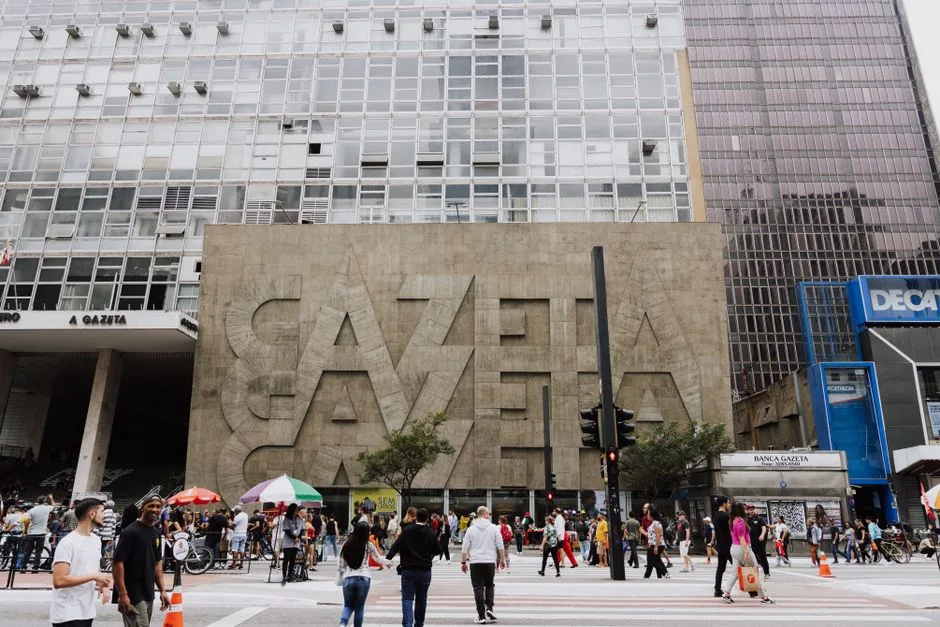

A crowded Rio street — and the sudden question: how do I get around?
The van door hissed open and the ramp looked narrow, but the driver smiled and said, in halting English, that he could help. That moment — small, human, logistical — is where planning meets reality in Brazil. My advice comes from years of helping travelers figure out those exact moments: how to turn a potentially stressful transfer into a manageable one, what to ask before boarding, and which Brazilian systems actually work if you know how to approach them.
Start with the law: your rights in Brazil
Brazil has a clear legal framework protecting people with disabilities. The Lei Brasileira de Inclusão (LBI), created in 2015, guarantees accessibility and non-discrimination in public services, transport and tourism. On the aviation side, ANAC (the National Civil Aviation Agency) enforces rules obliging airlines and airports to provide assistance to passengers with reduced mobility.
What that means in practice: if you need help getting from check-in to the aircraft, or from the aircraft into a terminal, the airline is legally obliged to provide it. If service is refused or inadequate, ANAC accepts complaints — and local consumer protection offices (Procon) can be involved. Keep that in mind; knowing your rights changes negotiation dynamics on the ground.
Booking: the hour you make or break the trip
Two sentences that will save you time and stress: contact the provider, then confirm in writing. When you book a flight, train, long-distance bus or tour in Brazil, call the company and request the specific assistance you need — assistance to board, transfer your wheelchair, help with luggage, or a seat with extra space. Ask how many hours in advance they need notice (many airlines recommend 48–72 hours). Follow that call with an email or message through a reservation system so you have written confirmation.
Hotels: request an accessible room by name. Don’t accept “accessible on request” as a plan; ask for photos or a short video of the doorway, bathroom and bed layout. Send measurements if you need them (door width, step heights). Many international chains in São Paulo and Rio have decent accessible rooms; smaller pousadas in the northeast sometimes don’t. I once had a traveler switch from a charming colonial guesthouse to a chain hotel because the shower had a 20-cm curb — small detail, big consequence.
Airports and flights: realistic expectations and practical steps
Major Brazilian airports — São Paulo–Guarulhos (GRU), São Paulo–Congonhas (CGH), Rio–Galeão (GIG), Rio–Santos Dumont (SDU), and Brasília (BSB) — offer passenger assistance services, but execution varies. Expect good help at international terminals; regional domestic airports can be inconsistent. Plan extra time for transfers, and never assume an accessible elevator will be working.
Practical checklist before flying:
- Notify the airline as far in advance as possible and get confirmation in writing.
- Bring a concise medical letter in Portuguese and English describing mobility limitations and any battery-powered equipment (battery type, voltage). Airlines will want details for lithium batteries used in powered wheelchairs or scooters.
- Label your mobility device with your name and contact details; place a bright tag that makes it easy to identify at baggage claim.
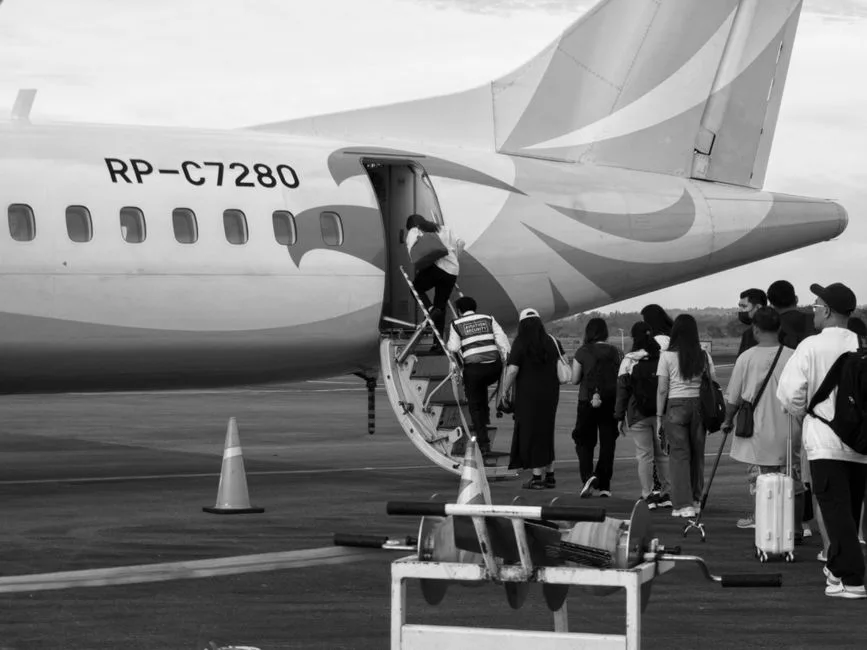
- If you use a power wheelchair, learn the airline’s battery policy. Many airlines require the battery to be disconnected or specific packing for spares. Ask the airline to arrange gate-to-plane wheelchair assistance and to stow your device carefully.
On arrival assistance — how to ask
Use these Portuguese lines at the airport: “Eu preciso de assistência para desembarcar e pegar minhas bagagens.” (I need assistance to disembark and collect my luggage.) Another useful phrase: “Minha cadeira de rodas precisa ser carregada com cuidado.” (My wheelchair needs to be handled with care.) Stick the phrases on your phone or print them to hand to staff.
Ground transport: taxis, rideshares and accessible vans
Large cities have more accessible transport options, but you’ll still need to plan. São Paulo’s metro network has made steady accessibility upgrades — elevators and tactile paving at many stations — yet not every line or station is fully barrier-free. Rio’s metro is also improving, though crowding during rush hours can make transfers hard for wheelchair users.
Rideshare apps are widely used. Some apps allow you to request drivers with vehicles that can accommodate wheelchairs; availability varies by city and time of day. In São Paulo or Rio you’re likelier to find an adapted van at short notice than on a small island in the northeast. For airport transfers, pre-book a specialist accessible transfer service. If you must rely on a taxi, ask the driver about ramps and secure straps before getting in; and if you don’t feel safe or confident, refuse and look for another option.
City-by-city reality check: where accessibility works best
São Paulo — the most infrastructure-heavy option. You’ll find accessible hotel chains, museums, and most international restaurants have wheelchair-friendly entrances. The city’s Avenida Paulista is a relatively flat, navigable corridor with accessible cultural venues like MASP and a decent Metro network.
Rio de Janeiro — better public-beach access than most people expect. Promenades along Copacabana and Ipanema have smooth boardwalks and accessible ramps in places; the city has programs to make beaches friendlier. Touristic hubs like Lapa and Santa Teresa can be hilly and cobblestoned, so plan taxis or private transfers if steep streets make access difficult.
Foz do Iguaçu — the Brazilian side of Iguaçu Falls is a genuine accessibility highlight. The park offers firm, level walkways and viewing platforms that are wheelchair-accessible; the local visitor infrastructure recognizes mobility needs more consistently than many coastal towns.
Salvador and Recife — lively cultural scenes but mixed physical accessibility. Many historic centers are built on uneven stones and narrow alleys. Service-minded guides and local operators can usually help you navigate stairs and provide alternatives, but check logistics before booking a tour of Pelourinho or Olinda.

Beaches and nature: what actually works
Brazil’s coastline is the reason many come. Beaches are not universally accessible, but you can find excellent options. Several cities have invested in wooden walkways and beach-access mats during high season; others offer amphibious wheelchairs and volunteer assistance programs on certain days. Always call the local tourist office or your hotel to ask whether an accessible path or beach wheelchair is available on the day you plan to visit.
National parks and natural attractions are mixed. Iguazu I already mentioned; Chapada Diamantina and Lençóis Maranhenses are spectacular, but their dunes and trails are naturally challenging. If a nature trip is a priority, choose operators who advertise wheelchair-friendly routes and who can provide a guide or adaptive equipment.
Hotels and lodging: how to vet a room without being there
Ask specific questions. Not “Is your hotel accessible?” but “Does the accessible room have a roll-in shower, grab bars, handheld shower head and a toilet height of 46–48 cm?” If you don’t know the measurements you need, ask for doorway width, step heights, and whether the bathroom has a transfer space next to the toilet. Request photos taken from three angles: the corridor approach, the bathroom threshold and the shower area.
When I help people book, I insist on a short video call with the hotel staff. Either the hotel provides a timed video or the guest can ask for one. A live 2–3 minute walkthrough settles most doubts instantly. If the hotel resists, consider that a red flag.
Assistance devices, rentals and storage
Bringing your own wheelchair is ideal. Airlines and bus companies will usually transport wheelchairs, but batteries and delicate components require care. If traveling with a power wheelchair or scooter, bring a concise note in Portuguese explaining battery type and that you require assistance. Consider carrying spare parts—wheel locks, an extra inner tube—especially if you plan to use cobblestones or dirt tracks.
Renting: major tourist centers have rental companies for manual wheelchairs, scooters and beach chairs. Costs vary; ask for delivery to your hotel. Confirm whether rentals include an attendant or just the device, and whether liability for damage shifts to you.
Guided tours and activities: find the right operator
Not every tour operator understands adaptive needs. Look for operators that explicitly list accessibility features: wheelchair-accessible vehicles, small-group tours to avoid crowded entry points, and trained guides to assist with transfers. Ask for references and request that they describe how they handle stairs or steep terrain.
For cultural activities — samba shows, museum visits, favela tours — ask whether venues have ramps and accessible restrooms. If a show’s venue lacks an elevator, a good operator will make alternative arrangements instead of leaving you behind.
Language and communication: phrases that make doors open
Learning a handful of Portuguese phrases reduces friction faster than a long list of demands. Print or save these on your phone; hand them to a driver, a receptionist or a guide.
- “Preciso de assistência para embarcar/desembarcar.” — I need assistance boarding/disembarking.
- “Minha cadeira de rodas precisa ser transportada com cuidado.” — My wheelchair needs to be transported carefully.
- “Onde fica a entrada acessível?” — Where is the accessible entrance?
- “Tem banheiro acessível?” — Is there an accessible restroom?
- “Pode me acompanhar até o ponto de táxi/ônibus?” — Can you accompany me to the taxi/bus stop?
When things go wrong: immediate fixes and official steps
If an airline refuses assistance, ask for the name and position of the staffer refusing service and record the interaction. If you can, get witnesses. File a formal complaint with ANAC through their online form — they take passenger rights seriously and your complaint creates a record that can prompt enforcement.
At hotels or tourist sites, if staff say there’s no accessible option, insist on alternatives: a different entrance, staff assistance with a ramp or a lift. If there’s no resolution, ask to speak with a manager and document the conversation. Consumer protection agencies (Procon) can handle claims involving service failures.
Health, medication and Brazilian pharmacies
Bring enough medication for your stay plus a few days. Carry a doctor’s letter in Portuguese and English and keep medicines in original packaging. Brazilian pharmacies are well-distributed in large cities and many sell over-the-counter painkillers and common antibiotics, but certain controlled drugs will need a prescription written by a Brazilian doctor. If you use injectable medication or specialized supplies, ask your insurer about refill options and whether you must register with a local doctor upon arrival.
Insurance and emergency planning
Buy travel insurance that explicitly covers pre-existing conditions and medical evacuation. Read the fine print on mobility equipment: some policies exclude damage to wheelchairs unless you purchase an extra rider. Keep physical and digital copies of your policy, emergency contact numbers, and the phone number of your embassy or consulate in Brazil.
Practical packing: small things that matter
Pack a lightweight transfer board, a set of adjustable straps for securing a wheelchair in a vehicle (if you or your helper are trained to use them safely), a compact toolkit for minor repairs, and a three-point tether for seats if you need extra support. A thin, quick-dry blanket is useful for long coach journeys where seatbelts don’t fit well. None of this is glamorous — but small tools keep a trip smooth.

Social dynamics: how Brazilians respond — and how to respond back
Brazilians are warm and helpful by nature. You’ll often find strangers eager to assist, and hospitality in many hostels and pousadas can be genuinely generous. That warmth doesn’t replace planning, but it does mean there are creative human fixes available when infrastructure falls short. Accept help on your terms: explain what you need, name a task they can safely perform, and thank them sincerely. A little preparation makes that interaction faster and safer for everyone.
Accessibility resources and local contacts
Before you travel, locate local resources: Brazil’s national tourist board publishes accessibility resources, municipal tourism sites often list beach-wheelchair programs and NGOs in large cities maintain guides and ride lists. Bring a list of local adaptive-equipment rental companies, a few taxi numbers, and the contact for a local English-speaking doctor, if you prefer.
Booking checklist you can use right now
- Email or call your airline with at least 48–72 hours notice; get confirmation.
- Request photos or a short video of the hotel accessible room.
- Book accessible transfers in advance, especially for airport runs.
- Print Portuguese assistance phrases and your medical letter.
- Check battery rules for powered devices with the airline and pack protective covers for terminals.
- Buy travel insurance covering mobility equipment and medical evacuation.
One compact, useful truth
You’ll run into hurdles. You’ll also meet people who solve them on the spot. If you plan with attention to the local realities — check which cities have the services you need, confirm written commitments from hotels and airlines, and carry the right documentation — Brazil will reward you with the absurd pleasure of sun, music and vivid culture that’s accessible more often than you might expect. When you step into a surprisingly smooth transfer or find a beach mat waiting under your feet, you’ll notice how those details turn into the parts of the trip you actually remember.
Send me your itinerary if you want a quick read: I’ll point out the likely bumps and where to hire the right help. A few small changes before you go will save hours once you’re there.