

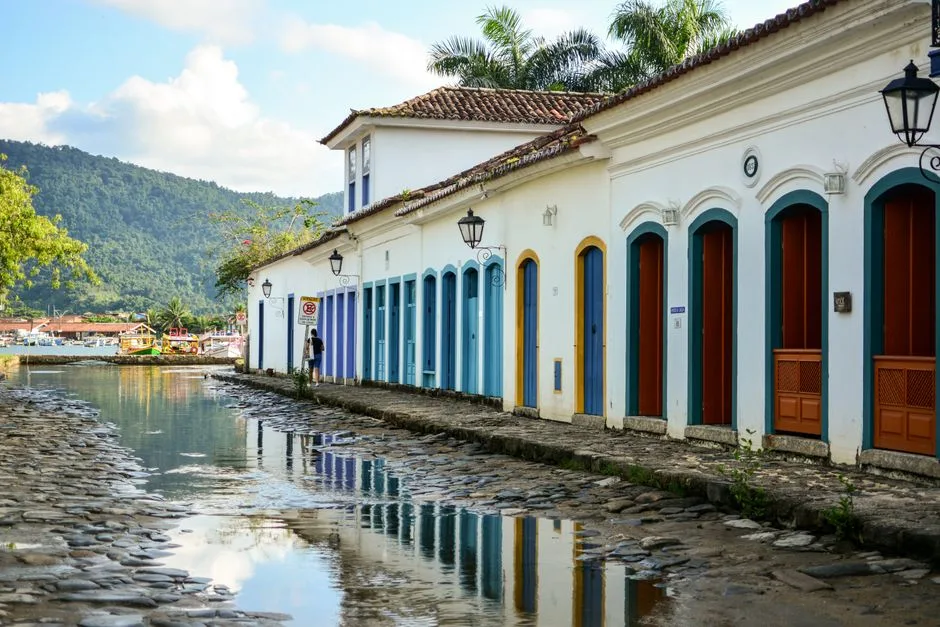
A taste of Paraty beyond its cobblestones
Paraty is one of those brazilian towns that pulls you into history with every step: colonial facades, narrow cobblestone streets, and the humid scent of the Atlantic forest pressing in from the hills. For many visitors the first liquid memory of Paraty is the caipirinha, but the town‘s real claim to fame sits behind small wooden doors and copper stills — the artisanal cachaça distilleries (alambiques) that shape local life. If you want more than a cocktail, this guide shows how to seek out the best distillery experiences in and around Paraty: what to look for, how to get there, what you’ll taste, and how to bring your favorite bottles home without headaches.
Why Paraty is special for cachaça
Paraty’s identity with cachaça is rooted in geography and history. The region’s coastal climate and fertile valleys supported sugarcane from colonial times. Paraty was a key port on the old gold route — sugar and cachaça moved alongside gold and people. Today that legacy lives on in family-run engenhos (sugar mills) and small craft alambiques tucked into the Serra da Bocaina foothills. These producers are often not mass brands; they’re artisans focused on terroir, wood aging, and traditional copper pot distillation. Visiting them is about craft, storytelling, and the kind of flavors you won’t find in supermarket shelves.
Types of distillery experiences you can expect
Not all cachaça stops are the same. Here are the common kinds you’ll discover around Paraty, and why each one is worth a visit.
- Family-run engenhos in the countryside — Small operations where the owning family still steers the entire production: cutting cane, pressing, fermenting and distilling. Tours here are intimate and often include a walk through sugarcane fields, a demonstration of the copper pot still (alambique de cobre), and a home-style tasting.
- Urban cachaçarias and tasting bars — In Paraty’s historic center you’ll find specialty bars and shops that showcase many local producers. These are great for sampling several styles in one stop and for meeting producers who bring bottles into town for tastings.
- Micro-distilleries focusing on aging — Some artisans age cachaça in various woods (oak, amburana, jequitibá), creating complex amber spirits. Visiting these producers reveals how barrel choice and time produce different flavor profiles.
- Combined cultural-agritourism experiences — A few tours combine a distillery visit with a hike, waterfall, or a boat ride through mangroves. These are ideal if you want to pair landscape with taste.
Choosing between them depends on whether you want a hands-on rural visit, a convenient urban tasting, or a slightly longer cultural day out.

How to find the best distilleries — practical search tactics
Because many of Paraty’s best alambiques are small and family-run, they don’t always appear on big booking platforms. Use these practical tactics to track them down:
- Ask in town: The local tourism office and shopkeepers in the historic center know which alambiques accept visitors. A friendly conversation often yields the best recommendations.
- Join a local tasting tour: Several small operators run cachaça-focused tours that include visits to an engenho plus tastings in town. These tours save logistics and often include a knowledgeable guide who explains fermentation, distillation, and aging.
- Look for signs of authenticity: Prefer distilleries that show their production on-site (pressed cane, copper stills, aging barrels) rather than only selling pre-bottled product. Seeing the process is part of the value.
- Book ahead for countryside visits: Many rural producers open to visitors by appointment. Calling or messaging a day or two in advance avoids wasted travel.
Planning sample itineraries
Here are three itineraries to fit common travel rhythms. Each focuses on cachaça but also leaves space for Paraty’s scenery and food.
Short and sweet — Half-day tasting loop in town
Morning stroll the historic center, drop into a cachaçaria for a guided tasting of 3–5 styles, learn about local woods used for aging, and finish with a light seafood lunch. This is ideal when you have limited time but want a focused cachaça introduction.
Full day — Countryside engenho and waterfall
Leave Paraty with a local guide or driver. Visit a family engenho in the hills: watch cane pressing, see the copper still, taste the fresh unaged cachaça and an aged barrel sample. Combine with a short walk to a nearby waterfall for a swim and enjoy a rustic lunch—rice, beans, grilled fish or meat—paired with the house spirit.
Slow travel — Multi-day tasting and coastal day trips
Spend two days sampling both urban bars and one or two rural producers. Add a boat trip into nearby islands or Saco do Mamanguá to balance tasting with coastal scenery. This pace lets you compare styles and decide which bottles you truly want to buy and ship.
What happens on a distillery tour — a visitor’s rundown
A well-run tour is a narrative: it shows the step-by-step path from cane to bottle so the tasting lands with context.
- Harvest and milling: You’ll usually see (or hear about) cane cutting and a press that extracts the juice. In small engenhos this can still be done by hand or with a small mill.
- Fermentation: Fresh cane juice or molasses ferments in tanks or barrels. The guide will explain how yeast selection and fermentation time influence flavor.
- Distillation: Copper pot stills are common in artisanal production. Guides often show the copper alembic and the separation of heads, hearts, and tails — the hearts being the desirable spirit.
- Aging and barrel selection: Producers age cachaça in different woods. Each wood imparts unique notes: local amburana adds cinnamon-vanilla touches, oak brings typical vanilla and spice, and other native woods lend tropical tones.
- Tasting and storytelling: Expect a tasting that moves from white (unaged) to gold (aged) cachaça, with notes on aroma, body, and ideal uses. Many tours conclude with an informal chat about recipes, traditions, and family history.
How to taste like a local — a quick sensory guide
Tasting cachaça is less about scoring and more about noticing. Use these simple steps to get the most out of each pour:
- Look: Tilt the glass and observe color—crystal-clear indicates unaged white cachaça, while amber tones mean wood aging.
- Smell: Bring the glass to your nose and take a few gentle sniffs. Identify primary notes like sugarcane freshness, fruity esters, or wood spices.
- Sip: Take a small sip, let it coat your mouth, and breathe gently through your nose. Note sweetness, heat, and finish length.
- Compare: Taste an unaged sample followed by an aged one to sense the influence of wood and aging time.
When you taste, name what you actually notice—green grass and sugarcane sap, tropical fruit esters, or vanilla and cinnamon from barrels. Many producers are proud of subtle terroir differences, so describing what you perceive makes the conversation richer.

Buying and bringing bottles home — practical advice
One of the most rewarding parts of visiting distilleries is leaving with a bottle that captures the place. A few practical points will save money and stress:
- Ask about sealing and packaging: Many producers will wrap bottles in bubble wrap or place them in a wooden box for travel. If not, invest in protective packaging in town.
- Check airline regulations: Liquids in checked luggage are generally allowed, but airlines have limits on quantity and may levy fees. Bring sturdy boxes and place bottles in the center of your checked bag surrounded by clothes for cushioning.
- Customs and taxes: Rules differ by country. If you plan to ship bottles, ask the producer about shipping services — some will handle export paperwork and pack bottles for international courier services.
- Buy what you’ll drink: Reserve space in your luggage for the bottles you truly want. Avoid impulse buys of many similar bottles unless you’re sure you’ll appreciate them later.
Pairing cachaça with Paraty’s food
Cachaça pairs beautifully with local coastal cuisine. Here are a few pairings that bring out both food and spirit:
- Fresh seafood: A crisp white cachaça cuts through fried fish and shellfish; its grassy, vegetal notes refresh the palate.
- Grilled meat: A lightly aged cachaça with wood spice balances the char and fattiness of grilled cuts served in local churrascarias.
- Sweets: Heavier, deeply aged cachaças match desserts like coconut flan or local doce treats; the vanilla and spice in the spirit harmonize with caramelized sugar.
Language, etiquette, and helpful phrases
Portuguese helps. Producers appreciate effort—try these short phrases to open friendly interactions:
- Bom dia / Boa tarde — Good morning / Good afternoon
- Posso fazer uma visita? — Can I do a visit?
- Gostaria de provar o seu cachaça — I would like to try your cachaça
- Parabéns — está muito bom — Congratulations — it’s very good
Be punctual for scheduled visits and modest with photography; some producers prefer privacy around family production spaces. If a tasting includes a home-style lunch, treat it like an invitation—closing the loop with a small purchase helps support these small producers.
When to visit Paraty for the best cachaça experience
Paraty is lively year-round, but timing affects access. The drier months between late autumn and winter bring clearer weather and easier countryside travel. Festival periods and weekends draw crowds — during those times distilleries may host tastings or special events, but they might also be busier. If you prefer quieter, more personal visits, aim for weekdays during the drier season and book ahead for rural alambiques.
Responsible tasting and taking stories home
Visiting cachaça distilleries is about culture as much as the spirit. Taste responsibly: pace your samples, drink water, and avoid driving after you’ve visited a distillery; hire a driver or join a guided tour. When you bring bottles home, each one carries a story of place — keep those stories with the bottle, note the producer and the visit date, and you’ll remember why you chose that cachaça months after you’re back home.
Final travel tips for an authentic experience
Wear comfortable shoes — many rural paths are uneven. Bring cash for small purchases; some producers do not accept cards. Respect local schedules: rural engenhos may stop operations on certain days. And allow time for conversation; the best moments at an alambique often happen over a shared glass and stories about the family behind the bottle.
Paraty’s cachaças are more than ingredients for a caipirinha — they are expressions of land, history, and craft. Whether you sip a clear, grassy white cachaça in a shaded engenho courtyard or compare amber-aged bottles in a tasting room in town, you’ll leave with new flavors and a deeper feel for this coastal region of Brazil. Pack a bit of patience and curiosity, and you’ll find distilleries here that turn a tasting into a memory.