
Why Domingos Martins feels like a well-kept secret
Walk into Domingos Martins and you notice the air changes — cooler, smelled-of-wood-stove, and a little like coffee. That’s not nostalgia talking; the town sits in Espírito Santo’s mountainous interior and Brazilians know it as a reliable place to escape the coast’s humidity without travelling to the far south. Visitors find narrow streets with small shops, family-run cafés, and houses that carry traces of the European immigrants who shaped local life. People come for fresh air, clear views of pedra azul’s jaw-dropping granite, and food that borrows from both brazilian and European roots.
How to get there and how Brazilians usually travel
Most international travelers arrive through Vitória (Vitória Airport or the cruise terminals) or come by land from bigger cities in the Southeast. From Vitória, the drive takes roughly 1.5–2 hours across rolling hills that begin to climb as you leave the coast. Rideshares and intercity buses connect the capital to Domingos Martins, but once you want to explore trails, farms, and viewpoints, renting a car or hiring a local driver makes the trip far easier. Roads are paved but can be narrow; fog and early-morning mist are common in winter, so allow extra time when daylight is short.
What draws people in: Pedra Azul and the Serra landscape
The centerpiece of the region is Pedra Azul State Park, named for the enormous rock formation that changes color through the day — sometimes appearing blue under certain light and lichen. Hikes range from short walks to longer trails that lead to lookouts with postcard panoramas. Beyond the rock, the Serra do Caparaó and surrounding highlands create a patchwork of Atlantic Forest, farmland, and pine-filled private properties. Birdwatchers and photographers love the early mornings when clouds sit low in the valleys and sunlight slices through ridgelines.

Neighborhoods, villages, and where to wander on foot
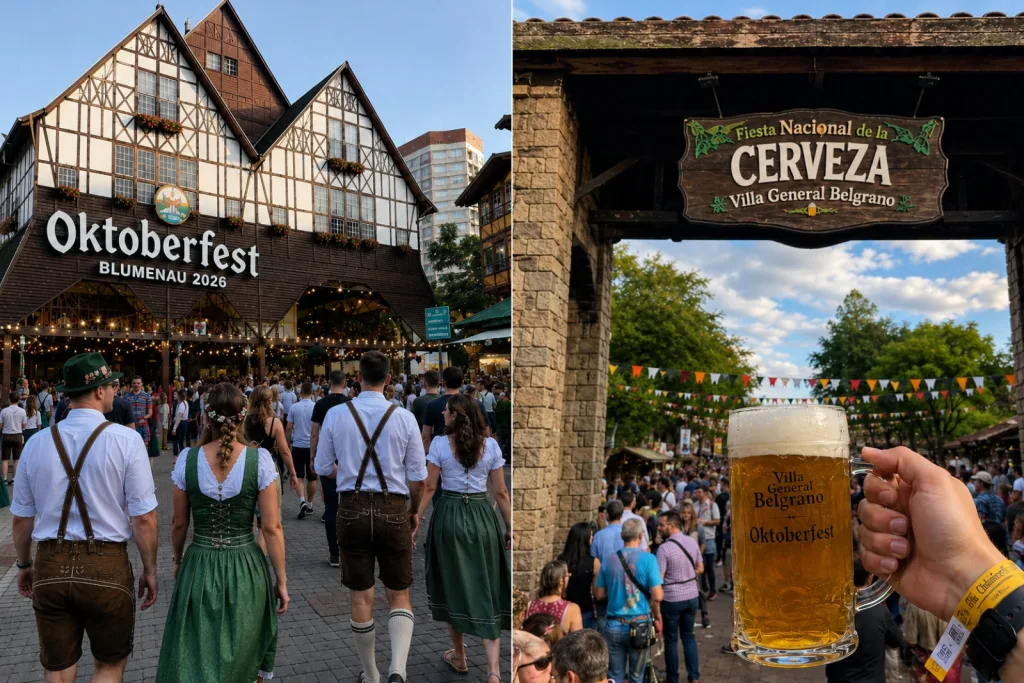
Domingos Martins municipality includes the small town center and several villages clustered around it — each with its own personality. The urban center is compact, easy to navigate on foot, and lined with bakeries, hardware shops, and a few artisan stores selling woodwork and textiles. Venture onto the back roads and you’ll pass coffee farms, small dairy operations, and houses with German-inspired gables and floral window boxes. If you like wandering, follow a local’s recommendation to a single-track road; you’ll often end up in a tiny church square or a viewpoint where no one else is parked.
How Brazilians spend a weekend here
Weekends in Domingos Martins are a string of simple pleasures. Brazilians start with long breakfasts at a padaria (bakery) — coffee, fresh pão de queijo or a buttered roll — then drive to a nearby trail or to Pedra Azul for a picnic. Late afternoons often mean stopping at a produce stand for homemade cheeses, fruit, and a bottle of locally produced cachaça or coffee beans to take home. Evening plans can be a cozy pousada dinner by a fireplace or an informal barbecue (churrasco) with friends. The pace slows appreciably compared with the cities, and people use that slower tempo to reconnect — with nature, with family, and with food made from local ingredients.
Food you’ll actually remember (and where to find it)
Espírito Santo’s signature fish stew, moqueca capixaba, is a must-try beyond the mountains, but Domingos Martins has its own culinary character shaped by European settlers and the mountain climate. Local menus often highlight homemade cheeses, hearty soups, polentas, and freshly roasted coffee. Pousadas and small restaurants feature seasonal vegetables, slow-cooked meats, and desserts that combine tropical fruit with European baking techniques — think guava paste with cheese or a dense cake served with local coffee.
If you want the most authentic tastes, favor family-run restaurants and small markets where the owners will tell you the story behind each dish. Brazilians value hospitality; a quick conversation in Portuguese will usually unlock a recommendation for the best café or the family that sells the finest queijo (cheese) in the area.
Where to stay: choosing your cozy base
Accommodation options lean into the town’s mountain vibe. Pousadas (guesthouses) and chalés (cabins) with fireplaces and wood interiors dominate. Many properties are perched on hills with views over valleys and Pedra Azul. For a different angle, look for farm stays where hosts offer simple, authentic routines: breakfast from the farm, a walk into the coffee fields, and evenings sitting under stars away from light pollution. If you prefer more polished comfort, boutique pousadas around the park surround guests with attentive service and regional breakfasts centered on local produce.
Practical tips Brazilians already know
Bring layers. Even in the warmer months the mountains can get chilly after sunset. Good hiking shoes matter; trails around Pedra Azul include rocky stretches and some steep sections that wear down flip-flops fast. Cash helps for small purchases at rural markets and some artisanal stands, though most pousadas and larger restaurants accept cards. Portuguese will open more doors than English; a few basic phrases go far. Safety-wise, Domingos Martins is safe compared to big cities, but standard precautions — watch belongings in busy areas, lock your car — still apply.
Seasonal rhythms and the best months to visit
The region’s microclimate makes seasons noticeable. Summers (roughly December–March) bring warmer temperatures and more rain; trails can be muddy and clouds often hide mountain views. The dry season, roughly April–September, delivers clearer skies and crisper air, which many visitors prefer for photography and hiking. Winter nights get noticeably cooler — ideal for fireplaces and hot chocolate. If you chase wildflowers or bird migration, check with local guides for the narrow windows when those phenomena peak.
How to move beyond the obvious: day trips and hidden corners
Most visitors stick to Pedra Azul, but the municipality stretches wide and holds lesser-known treasures. Follow a countryside road and you’ll find small coffee producers happy to show their processing methods, or artisans producing woodwork and textiles from family recipes and techniques. Local markets offer seasonal fruits and cheese varieties that don’t travel far from their makers; buy direct and you support families who maintain these rural economies. For panoramic silence, head to an unpaved road at dawn — the valley mists and rooster songs provide a level of calm that feels intentionally preserved.
Language, manners, and simple Portuguese that goes a long way
Many locals speak only Portuguese, though younger people often learn English or Spanish at school. Learn phrases that convey gratitude and friendliness, such as “bom dia” (good morning) and “muito obrigado/a” (thank you). When entering a small shop or church, a short greeting is expected and appreciated. If someone invites you to share a family meal, accept — hospitality here often leads to stories about the place and tips that don’t appear in guidebooks.
A realistic three-day plan that shows the heart of the place
Day 1: Arrive mid-morning, settle into a pousada, and spend the afternoon wandering the town center and a nearby viewpoint. Eat at a family-run restaurant and sleep with the sound of the wind through eucalyptus trees.
Day 2: Early start for Pedra Azul. Hike one of the main trails, have a picnic with local cheese and bread, then visit a nearby coffee farm for a short tour and tastings. Evening: return for a relaxed meal and, if your pousada offers one, a small live music night or a tarot of regional stories from the host.
Day 3: Visit an artisan market or local producer, take a slow countryside drive to discover small villages, and end the day with a scenic lookout at sunset. If you travel on a long weekend, leave a buffer for traffic returning toward the coast; Brazilians often head back late Sunday, so roads can be busy.
Responsible travel: how to be a considerate visitor
Respect private land. Much of the scenic beauty here comes from family-owned farmland and preserved forest patches; trails can cross private property or lead alongside it. Always ask before entering a field or photographing someone on their property. Support local businesses: buy coffee beans from small producers, choose pousadas that source food locally, and tip when service is personal. Reduce waste on hikes — carry out what you bring in — and stay on marked trails to protect the fragile highland flora.
Packing checklist for Domingos Martins
Essentials: layered clothing, sturdy hiking shoes, a compact rain jacket, sunscreen, insect repellent, a reusable water bottle, and cash for small vendors. Add a portable charger and a small flashlight if you plan to explore countryside roads at dusk. If you’re visiting during the dry season, bring sunglasses and a light sweater; during the rainy season, ensure your waterproof gear is ready and expect slick trail conditions.
Why a foreign traveler should add Domingos Martins to their Brazil itinerary
Brazil is often associated with beach, jungle, and metropolises. Domingos Martins shows another side: temperate mountains where a rural lifestyle remains vibrant, where coffee and cheese are celebrated, and where the landscape rewards slow travel. You’ll meet Brazilians who return year after year for the same reasons visitors stick around: clarity of light, approachable nature, and food that reminds you the countryside shapes a nation’s table. For a traveler who wants to understand how Brazilians take their weekends and holidays, a stay here is instructive and quietly delightful.
Final suggestions and small habits that matter
Ask hosts for a local map rather than relying solely on GPS. Small guesthouses often keep hand-drawn maps that highlight footpaths, viewpoints, and family-run eateries not listed online. Carry a small notebook or phone voice memo to record names of producers and dishes you love; you’ll want to bring those tastes and addresses home. Finally, slow down. Domingos Martins doesn’t reward rushing. Let your plans be flexible and build free hours into your schedule — that’s when the town’s true character reveals itself.