
Why Brazil draws foreigners to plant medicine
brazil holds a unique place on the map for people interested in ayahuasca and other plant medicines. The country combines living Indigenous and syncretic religious traditions, accessible jungle regions, and a range of urban centers offering guided retreats. Visitors come for healing, spiritual insight, personal growth, or simply to witness practices that remain central to many Amazonian and northeastern communities.
Where you’ll actually find retreats (and what each region feels like)
Look beyond the romantic idea of a single “ayahuasca experience.” Retreats cluster in a few distinct corners of Brazil, each with a different tempo and infrastructure:
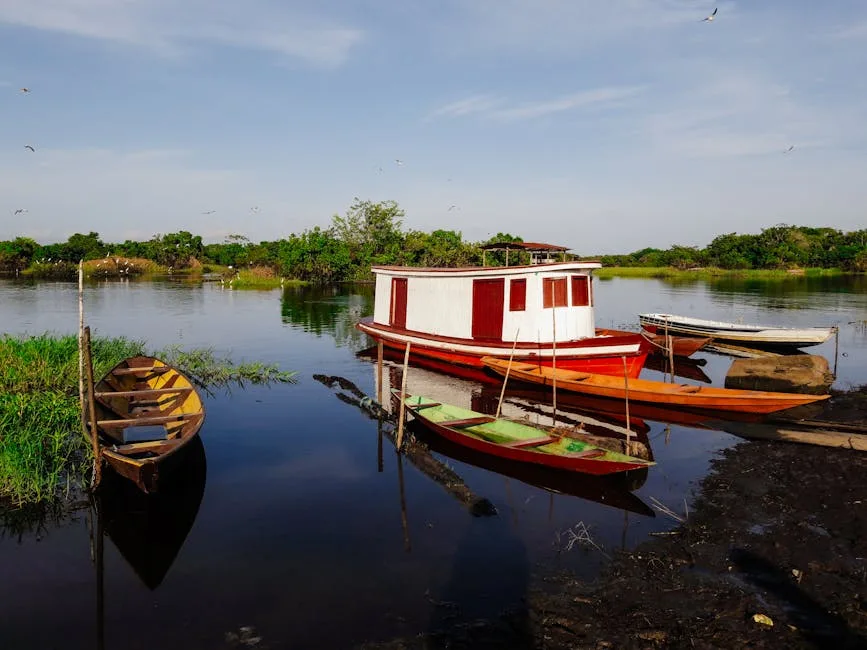
- Amazon region (states like Amazonas and Acre): This is where Indigenous and vegetalista practices meet dense rainforest. Expect remote malocas (communal ceremonial houses), jungle hikes, and a slower pace. Travel logistics are more demanding but the setting is unmistakably wild.
- Bahia (including Chapada Diamantina): A popular choice for foreigners who want nature without deep jungle logistics. Rocky plateaus, waterfalls, and a spiritual culture in cities like Lençóis make for retreats that mix outdoor adventure with ceremonies.
- Southeast urban centers (Rio de Janeiro, São Paulo): Many centers offer shorter or more modernized ceremonies, integration groups, and English-speaking facilitators. These are more accessible for travelers with limited time.
- Northeast coast and interior: Smaller, community-focused retreats exist in places like Pernambuco and smaller coastal towns — often combining beach or inland nature with plant work.
What legally matters—and what doesn’t
The legal landscape in Brazil is not the same as in many other countries. Broadly: ritual use of ayahuasca by recognized religious groups is legally protected and socially visible. That status has allowed religion-based churches to operate publicly, hold ceremonies, and even ship brew internally. Outside of those contexts, distribution, export, or unregulated public sale can fall into legal gray areas.
If you’re traveling from abroad, this means two practical rules. First, participate in ceremonies on Brazilian soil at legitimate centers rather than trying to bring any brew or plant material home with you. Transporting ayahuasca across international borders is illegal and will create trouble at customs. Second, ask directly about the retreat’s legal standing and whether it identifies as a religious institution, community group, or commercial retreat. That affects both regulation and community perception.
How typical retreats structure a program
Retreats vary, but many follow a pattern designed to prepare your body and mind, offer multiple ceremonies, and provide integration time afterward. A common schedule includes:
- Pre-retreat diet (dieta): For several days participants avoid alcohol, recreational drugs, pork, heavy spices, and sexual activity. The idea is to reduce physiological interactions with the brew and to create a calmer energetic field.
- Ceremony nights: Usually held at dusk or after dark, guided by a facilitator, shaman, or priest. Ceremonies often include icaros (healing songs), drumming, and a period of silence or personal reflection. Retreats often provide several ceremonies spaced over days.
- Integration sessions: These may be group circles, one-on-one talks, or therapeutic sessions to help make sense of the experience.
- Complementary practices: Yoga, meditation, nature walks, diet-conscious meals, and sometimes therapeutic counseling.
Health and safety: what to check before you book
When you’re far from home it’s crucial to assess safety. Ask the retreat these specific questions before you commit:
- Do you require a medical and psychiatric screening? (Retreats should ask about antidepressants, bipolar disorder, schizophrenia, heart conditions, and current medications.)
- What is your staff composition? Is there a medically trained person onsite or an evacuation plan to a nearby clinic or hospital?
- How do you manage adverse reactions? Ask for concrete examples of past incidents and how they were handled.
- Do you run drug tests or request medical records? Some centers require physician sign-off if you take prescription medication.
Also be aware of a non-negotiable medical reality: ayahuasca contains MAO-inhibiting compounds. Combining it with SSRIs, SNRIs, certain painkillers, or substances like MDMA can be dangerous. If you take prescription medications, secure written medical guidance from a qualified prescriber and honest discussion with the retreat staff.

How to choose a retreat that respects communities and ecosystems
Not all retreats are equal ethically. Demand transparency about where their plants come from and how profits are shared. Ask whether the center: collaborates with local Indigenous communities, funds local education or health projects, sources plants sustainably, and compensates hosts fairly.
Unscrupulous operations sometimes advertise “traditional” experiences while excluding local participation or underpaying Indigenous guides. Insist on clarity. If a center offers polished luxury but no engagement with the local population, question whether the retreat is extractive—cultural or ecological—rather than reciprocal.
What a sensible medical screening looks like
A responsible retreat will require a health questionnaire at minimum and often request a consultation. Key screening points include:
- Cardiovascular history: blood pressure, heart disease, arrhythmias.
- Mental health history: diagnosis of psychosis, bipolar disorder, or active suicidal ideation usually excludes participation.
- Current medications: specific attention to antidepressants and migraine drugs that interact with MAOIs.
- Pregnancy and breastfeeding status (ayahuasca is contraindicated).
If a retreat skips screening or downplays interactions with common medications, walk away. Your health is not compatible with a ‘trust us’ approach.
Language, culture, and what to expect socially
Portuguese is the working language in most Brazilian retreats. In Amazonian or Bahian communities, Indigenous languages might also appear in ceremony. If you don’t speak Portuguese, look for centers advertising English-speaking facilitators or translators. But even when English is available, learning basic Portuguese phrases—hello, thank you, I’m allergic to…, I need a doctor—makes a difference in remote settings.
Observe local customs: punctuality may be relaxed, ceremonial protocol may ask you to remove shoes or store electronics, and modest dress might be advised. Ask about photo policies: many ceremonies are private and recording is disrespectful.
Costs, payment methods, and practical logistics
Price ranges vary wildly. Options include donation-based community ceremonies, mid-range retreat centers charging a set fee, and higher-end lodges with private cabins and extra services. Expect that truly remote Amazon lodges will charge more because of transport and logistics.
Currencies: the Brazilian real is used everywhere, but many retreats catering to foreigners accept USD or bank transfers. For remote sites, bring cash. ATMs in small towns or jungle gateways may be unreliable. Get travel insurance that covers medical evacuation if you will be in remote Amazon regions.
Travel health items to prioritize
If you’re heading into the Amazon or interior Bahia, check vaccines and preventive measures. Yellow fever vaccination is recommended for many Amazon-bound travelers and may be required for entry to certain areas; confirm current public health recommendations before you leave. Mosquito protection is essential; pack DEET or picaridin repellent, long pants for evenings, and mosquito netting if not provided.
Malaria risk exists in parts of the Amazon. Consult a travel clinic about prophylaxis specific to the itinerary. Don’t rely on general advice from non-medical sources; local clinic guidance is tailored to changing epidemiology.
Red flags that mean walk away
Learn to recognize problematic signs before you arrive. Immediate red flags include:
- No medical screening or refusal to discuss medications.
- Pressure to take extra doses or continue after you express discomfort.
- Facilitators or leaders promising guaranteed cures or supernatural guarantees for money.
- Requests to sign broad liability waivers that absolve the center of any responsibility for medical harm.
- Cult-like control: isolation from family, persistent recruitment, or demands for excessive financial contributions.
If anything feels coercive, listen to your instincts. There are many reputable options; pick one where your safety and autonomy are respected.
Realistic psychological preparation and integration
Ceremonies bring intense emotional material. Prepare by setting intentions and practicing breathwork or meditation beforehand. Integration matters as much as the night itself. A week in the jungle followed by a single 30-minute chat is not integration. Look for retreats offering several structured integration sessions in the days following ceremonies and recommendations for long-term follow-up: local therapists, community groups, or online integration coaches.
Common post-ceremony experiences include weeks of altered emotional sensitivity, renewed dreams, and shifts in priorities. That’s normal. If difficult patterns persist, seek a mental health professional with experience in psychedelic integration.

How to communicate your boundaries and get consent right
Before any ceremony, tell facilitators about your medical history, recent substance use, and emotional vulnerabilities. Ask how the team respects consent during ceremonies: Do participants choose where to sit? How are physical interventions handled if someone is highly agitated? Which songs or practices might be optional? Clinching these answers beforehand protects you and others.
Practical packing list for Brazil retreats
Pack light but deliberately. Essentials include:
- Copies of your passport, insurance policy, and emergency contacts.
- Appropriate clothing for heat, humidity, and nights: breathable fabrics, a light rain jacket, closed shoes for treks.
- Personal medications plus a printed prescription and doctor’s letter if necessary.
- Insect repellent, sunscreen, water purification tablets or a reusable filter bottle if the retreat is remote.
- Small flashlight or headlamp, earplugs, and a notepad for post-ceremony notes.
- Cash in local currency for small purchases and tips; some remote centers don’t accept cards.
Finding trustworthy reviews and references
Don’t rely solely on travel review platforms where the context of plant medicine work is often misunderstood. Seek references in these places:
- Local networks: expat forums in Brazil, community groups in cities like Rio de Janeiro and São Paulo, or Portuguese-language Facebook groups focused on plant medicine.
- Direct referrals from therapists, religious centers, or NGOs working with Indigenous communities.
- Credible journalism and long-form reporting that explores ethical issues around plant medicine in Brazil.
Always cross-check claims. A center that touts Indigenous lineage should readily provide contacts or community references to confirm it.
Real stories you’ll hear — and how to parse them
People often arrive with gripping stories of transformation and some travel home changed. That’s real, but it’s not a guarantee. A single, powerful session may lead to profound insight or it may be unsettling. Listen to firsthand accounts for clues about aftercare, but don’t let glowing testimonials override practical red flags like lack of medical screening.
After the retreat: staying grounded when you return home
Give yourself time. Many travelers find the weeks after returning require integration rituals—regular journaling, talking with a therapist who understands plant medicine, joining a local integration circle or sober community. Keep dietary and sleep hygiene consistent for a few weeks. If you notice persistent anxiety, depressive symptoms, or disorientation, see a mental health professional promptly.
Final practical checklist before you go
Run through this checklist two weeks before departure:
- Confirm medical screening and provide necessary documentation.
- Check local vaccination and malaria prophylaxis recommendations.
- Ask about language support and bring translation tools if needed.
- Verify payment details and whether cash is required on arrival.
- Save local emergency numbers and nearest hospital information for the retreat’s location.
Why visiting Brazil for plant medicine is a special responsibility
Traveling to Brazil for ayahuasca or other plant medicines is partly a travel choice and partly a cultural encounter. You’re stepping into living traditions and fragile ecosystems. Make choices that protect both. That means doing homework, choosing ethically-minded centers, preparing your body and mind, and committing to careful integration afterward.
Helpful local resources to consult
Before you commit to any retreat, consult a combination of these resources: travel clinics experienced with Amazon travel; Brazilian NGOs focused on Indigenous rights and sustainability; and expat or community groups in the region you plan to visit. These sources will signpost reputable centers, legal considerations, and up-to-date health advisories.
When handled with respect and responsibility, plant medicine work in Brazil can be a profound personal and cultural experience. Approach it prepared, informed, and humble—and you’ll leave with more than memories: you’ll carry new perspective and a clearer sense of how global travelers should behave when they participate in other people’s sacred practices.