
Green city anywhere? Yes — curitiba proves it.
My first morning under the tubes
I arrived in Curitiba on a cold, clear morning, dragging a backpack and thinking I knew Brazilian cities. I was wrong. Within an hour I was standing under the city’s distinctive steel-and-glass “tube” bus stop watching articulated buses glide in, doors open, people step on and off like a single organism. There are cities that sell postcards and cities that sell experiences; Curitiba sells planning. The bus system felt precise and calm, not chaotic. It felt designed.
Why that matters
If you travel for cities — not just beaches or museums — Curitiba is a rare example of municipal policy you can read in the street. It’s not perfect, not a utopia. But its interventions are tangible: protected bus corridors, layered parks that double as flood control, compact corridors of mixed-use development, and a willingness to try unconventional solutions. That mix is what put the city on the map for planners worldwide.
How the transit actually works (and how you’ll use it)
The backbone of everyday movement in Curitiba is the Rede Integrada de Transporte — an integrated bus system built around dedicated bus corridors. Picture rapid-transit buses running on central lanes, pulling up to raised platforms shaped like cylinders or tubes for quick boarding. You pay before you get on through ticket machines at the station; the bus simply opens its doors to level platforms and you step on. For a visitor that means faster trips across town, and one of the easiest ways to see neighborhoods without renting a car.

Practical notes: buy or reload the city’s reloadable transport card at kiosks in major stations or convenience stores, and avoid paying cash on the bus when possible. Rush hours — roughly 7–9am and 5–7pm — are crowded. If you can, schedule museum visits and Botanical Garden mornings outside those windows. Taxis and ride‑hailing apps are widely available, but the BRT keeps you honest about scale: Curitiba was designed so buses do the heavy lifting.
The design trade-offs
Dedicated corridors meant the city had to steer growth toward certain axes. That keeps traffic concentrated rather than sprawl flattening everywhere. It also meant political decisions: prioritizing buses over private cars, investing public space in linear parks rather than highway interchanges. For residents this produced shorter commutes in the corridor zones and higher-density commercial strips along them; for outsiders it created a readable city form you can follow with a map and a morning.
Parks that act like infrastructure
Curitiba treats green spaces as functional infrastructure, not decorative extras. Instead of tiny trimmed lawns, you’ll find large linear parks that collect rainwater, absorb flood peaks, and become usable green lungs for the city. Parks are stitched into neighborhoods as floodplains, sports fields, and walking loops. That avoids two problems that cripple many cities: flooding and disconnected open space.
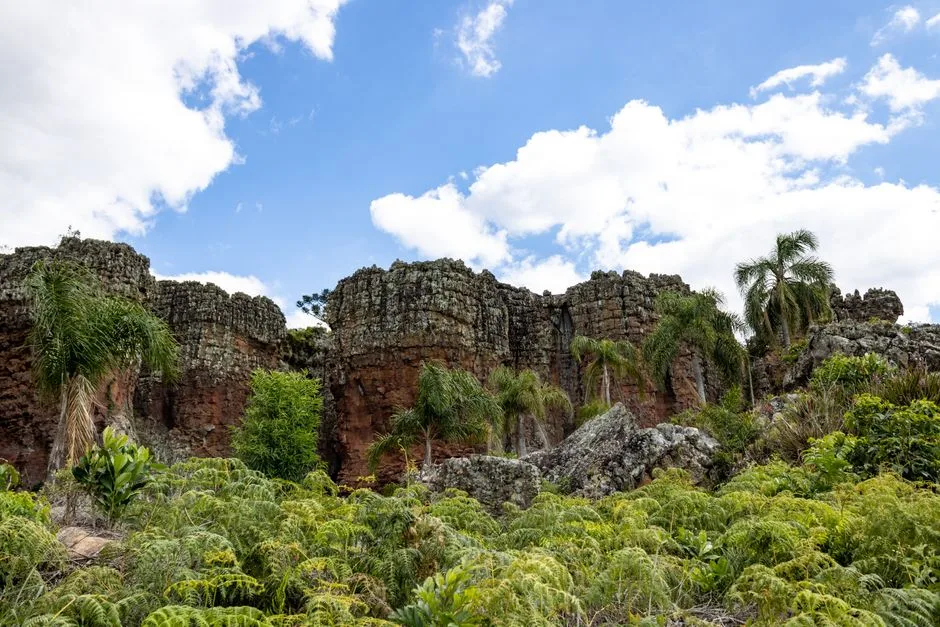
Walk into Parque Tanguá at sunset and you’ll see an engineered landscape that feels natural. Climb the stairs to the lookout and you’re rewarded with the same second-sight feeling I get in cities that thought through citizens first: the logic of where people go, where houses sit, where runoff is channeled. Curitiba turns environmental constraints into amenities.
Where to go first
- Jardim Botânico — the iconic greenhouse and symmetrical gardens are more than a photo-op; they’re a civic identity anchor.
- Parque Barigui — a favorite for joggers and families, and a great spot to watch how people use public space.
- Parque Tanguá — dramatic cliffs, lookouts, and carefully placed trails.

Neighborhoods that feel like choices
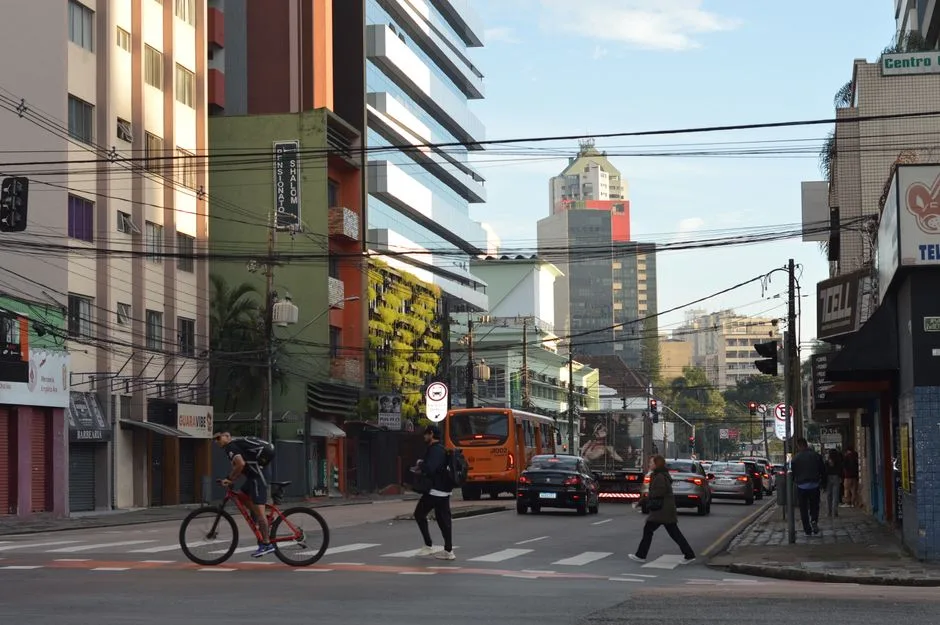
Walkable neighborhoods make Curitiba feel generous. If you want hotels and nightlife, aim for Batel; if you want historic charm and a weekend market, the center and Largo da Ordem will deliver; if you want hearty meals and family-run trattorias, Santa Felicidade feels like a village transplanted into the city with thick plates of Italian-style cooking. Choose a base based on what you value: small, convenient, and tree-lined streets; or leafy, more residential pockets that feel calmer at night.
Where I stayed and why
I picked a mid-range guesthouse in the Centro near Rua XV de Novembro (the pedestrian street known locally as Rua das Flores). It was an easy walk to markets, cafés, and one of the main BRT corridors. From there I could hop on a bus to the Botanical Garden, take a tram-like tourist train day-trip to Morretes, or walk to a local mercado for a coffee and a slice of something sweet. The logistics of movement matter more than the hotel star count in Curitiba; get the location right and the city rewards you.
Design decisions you’ll notice
Stray beyond the tourist checklist and you start to see the city’s choices in small things: broad sidewalks that invite stalls and musicians, consistent tree canopies that shade the pedestrian path, and the occasional bold public sculpture that makes a plaza feel intentional. The municipal aesthetic is restrained: steel and glass mixed with lots of planted areas and clean street furniture. You won’t find a beachfront promenade here — Curitiba’s appeal is temperate, urban green, and planned.
Public art and civic pride
Yes, there is public art. The Wire Opera House (Ópera de Arame) is a favorite photo spot, an airy structure rising over a quarry lake where small concerts or theater events happen. Public art punctuates park edges and rounds out the green experience with civic culture; it’s not gratuitous, it’s placed to reward the pathways you’re already on.
The politics behind the parks
Jaime Lerner, a mayor with an architect’s eye, is often credited with many of Curitiba’s signature urban innovations. If you read local histories or speak to older residents, you’ll hear his name connected to the introduction of the integrated bus system, the expansion of green corridors, and an approach to pragmatic urbanism. Lerner’s philosophy: small, testable projects, then scale the ones that work. In practice that meant trial lanes, temporary parks, and a willingness to reallocate road space when evidence supported it.
Not a one-man show
Don’t mistake the narrative for a single genius story. Change required municipal staff, political coalitions, and citizen buy-in. For visitors, the takeaway is practical: Curitiba’s stability and visible design came from iterative policy, not overnight genius. Policies change; the legacy remains visible because the city embedded function into streets, not just into white papers.
Realistic sustainability — successes and limits
Curitiba is often held up as an environmental success story, and with reason: greener streets, a strong identity around public transport, and substantial open space per resident. But sustainability is a spectrum. Car ownership has risen over decades across Brazil, and Curitiba faces the same pressures: budget constraints, the challenge of maintaining physical infrastructure, social inequality, and the realities of a growing metropolitan area that stretches beyond the municipal borders into neighboring towns with different rules.
What visitors misread
Some visitors expect a spotless paradise. That’s not fair. You will see neighborhoods with well-maintained parks and others that look neglected. You’ll notice the benefits of planning most in the corridors where investment was focused. The rest of the metro area still wrestles with housing and transit access. If you come with curiosity rather than expectation, you’ll see how planning choices make certain outcomes more likely.
Food, markets, and small pleasures
Curitiba’s food scene balances regional Paraná classics with immigrant influences, particularly Italian and German. In Santa Felicidade you’ll sit down for large platters and family-sized meals; the restaurants there are famous for generous portions and old-school hospitality. In the center, look for small cafés that serve strong coffee and locally baked goods. On Sundays, Largo da Ordem hosts an arts market where you can buy crafts and taste street snacks while listening to live musicians.
Try these local flavors
- Barreado — a slow-cooked meat stew traditionally from Paraná, served with rice and banana in some places; it’s hearty and regionally emblematic.
- Local pastries — cafés sell coxinhas, pão de queijo, and a surprising variety of sweet slices perfect with coffee.
- Hearty Italian meals in Santa Felicidade — order enough to share.
Day trips that make sense
Curitiba’s location makes for satisfying day trips. The Serra Verde Express — a scenic railway that runs through the Atlantic Forest down to the colonial town of Morretes — is one of those slow-travel experiences you’ll remember. The train carves through preserved forested valleys, and meets a town known for its cobblestone streets and regional food. Gorilla-speed travel is not the point; the point is landscape and time.
If you prefer water, Paranaguá is the regional port with connections to the coast, and Ilha do Mel (Honey Island) is a reachable escape for beaches and light hiking. The coast east of Curitiba is more rugged than the famous beaches of Rio or Bahia; it’s quieter and closer to nature.
Safety and practical travel tips
Curitiba feels safer than many major Brazilian cities, though petty theft and pickpocketing happen in crowded spots as in any dense urban center. Use normal travel caution: keep valuables out of sight, use hotel safes, and prefer official taxis or ride-hailing at night. The BRT system is generally safe and well-used by commuters; it’s not exotic, just functional.
Seasons and what to pack
The city is in Brazil’s southern region and has a temperate climate. Winters (June–August) can be surprisingly cool — bring a jacket. Spring (September–November) and autumn (March–May) are mild and pleasant. Rain can come unexpectedly; quick-dry layers and a compact umbrella are sensible. Comfortable shoes for walking are essential: the best parts of Curitiba are designed to be explored on foot and by bus.
Language, manners, and small cultural cues
Portuguese is the language. English is more common among younger people and those in tourism, but don’t rely on it in every café or market. Learn a few phrases: basic greetings, thank you (obrigado/obrigada), and how to ask for directions. Curitibanos are often described as more reserved than Cariocas, and that can be true — politeness and punctuality are appreciated.
A note about tipping
Restaurants often include a 10% service charge; check your bill. If service isn’t included, leaving a small tip is customary but not obligatory. For tour guides or particularly helpful taxi drivers, a small extra amount acknowledges good service.
Where the city still needs work
Curitiba’s story is complex. Social inequality persists and some neighborhoods receive far less investment than park-rich corridors. Public housing and inclusive transit access across the metropolitan area are ongoing challenges. If you’re interested in urbanism as a practice, listen to local voices — planners, activists, and civic groups — who will tell you where outcomes fall short of ideals. The city is an active experiment, and experiments have friction.
How to design a perfect short visit
Two to four days gives you a satisfying sense of the city without rushing. Here’s a practical sequence:
- Day 1: Morning at Jardim Botânico, afternoon walking Rua das Flores and the historic center, evening in Batel for dinner.
- Day 2: Take the Serra Verde Express to Morretes or a coastal day trip; enjoy regional food like barreado.
- Day 3: Explore Parque Tanguá and Parque Barigui, visit the Wire Opera House, and check a weekend market if timing aligns.
Move between these using the BRT and short taxi rides. Buy a transit card and reload as you go. Take your camera but also leave space in your day to sit on a park bench and observe — that’s where you learn a city’s rhythm.
What I always tell friends
Skip the comparison impulse. Don’t come to Curitiba expecting Rio’s beaches or São Paulo’s skyscrapers. Come for temperate green spaces, an intelligible transport system, and neighborhoods with personality. Come to see what happens when a city treats parks as infrastructure and buses as the backbone of movement. Sit in a tube station, watch a rush hour, and you’ll learn more than any brochure can say.
Where to start planning right now
Search flights to Afonso Pena International Airport outside Curitiba, pick dates in spring or autumn for mild weather, and block a day for the Serra Verde Express if you can — book the train in advance during high season. Stay centrally for your first nights so you can test the BRT and decide which neighborhoods deserve longer exploration. Bring good walking shoes and a jacket for evenings; a little preparation goes a long way.
Two practical final challenges for you: take a bus without GPS and follow the corridor logic, and spend an hour in a park watching how people use it. Those small experiments will show you the city’s design at work. Curitiba is not a postcard; it’s an argument about what cities can do when they choose long-term public value over short-term convenience. Try the argument for yourself.