
Landing into heat and noise — the first hour
The moment the plane door opened in Rio, humidity hit like a wet towel and a dozen voices braided Portuguese around me. I had a backpack, a map on my phone, and the stubborn belief that I would figure the city out as I went. You will, too — but there are a few moves that make those first hours dramatically easier.
Go straight to an official taxi stand or use a ride-hailing app from the airport terminal. Count your luggage, keep your passport and phone in a secure pocket, and set a check-in message to someone at home with your hotel name and estimated arrival. If you’re arriving late, consider booking the first night at a well-reviewed hotel in a central, well-lit neighborhood, then move to smaller digs the next morning once you’ve scoped the area.

First 24 hours checklist — practical, not preachy
- Get a local SIM or eSIM and save the hotel’s address in Portuguese. WhatsApp is how Brasil talks; install it before you land.
- Withdraw a small amount of cash from an ATM located inside an airport or mall — safer than a street machine. Many small businesses accept cards, but cash helps in markets and taxis in smaller towns.
- Buy a rechargeable transport card in cities that use them, or download the local transit app if one exists.
- Mark the nearest police station and a hospital on your map. In Brazil the nationwide emergency numbers are 190 (police), 192 (ambulance) and 193 (fire brigade).
- Take a short walk around your neighborhood in daylight. Find a supermarket, a pharmacy, and a café where you feel comfortable. If none of these exist, you’ve booked the wrong block.
Where you should go — destinations that work especially well solo
Not all Brazilian destinations are the same. Some are incredibly easy for solo women; others demand more planning. Here are places I send solo female friends to — and exactly why.
Rio de Janeiro — beaches, views, and neighborhoods to pick
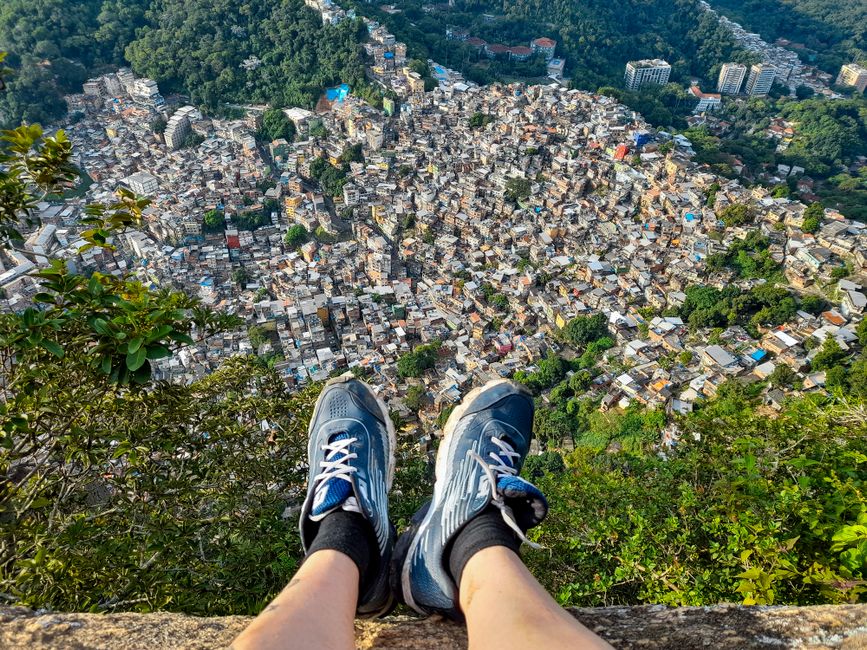
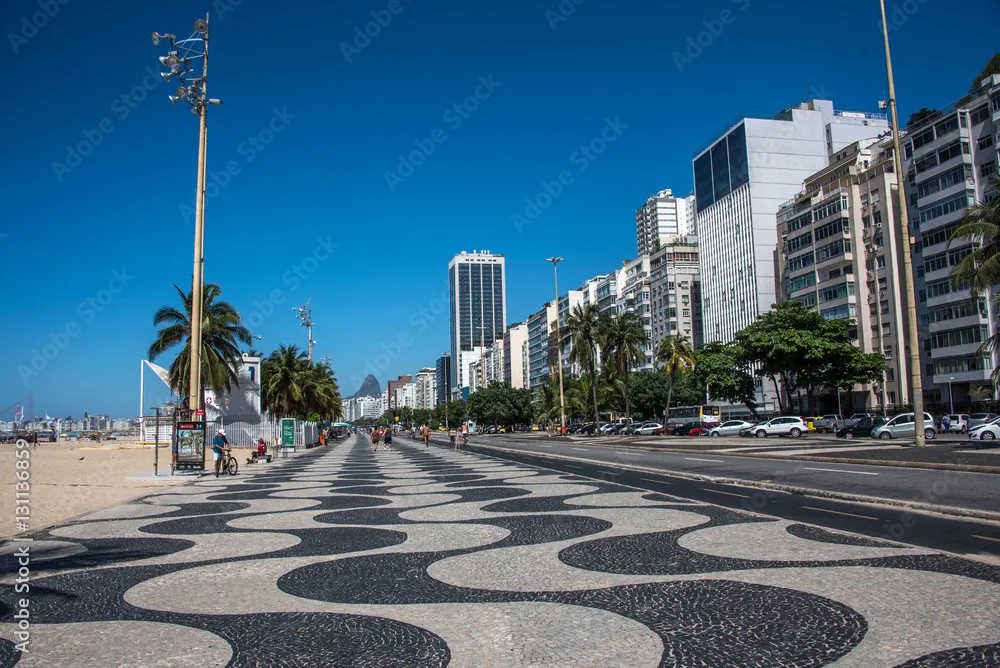
Rio is magnetic and complicated. Stay in Ipanema or Leblon if you want beaches close by and streets that stay lively after sundown. Copacabana has major tourist energy and is useful for cheap hotels and 24-hour kiosks, but it can be noisier. For nightlife, Lapa gives you music and dancers — go in a group or early in the evening, and pick venues with a visible security presence. Santa Teresa is excellent for daytime wandering through art studios and narrow streets; avoid walking alone there very late.
Florianópolis — island life with sensible infrastructure
Known locally as Floripa, this island-city blends surf towns and a comfortable urban center. The south and east beaches attract surfers and solo travelers; Lagoa da Conceição has cafés, yoga classes and a friendly hostel scene. People are outdoorsy and used to visitors, and you’ll find plenty of day tours and group activities that make meeting others simple.
Salvador — history, color, and cultural safety notes
Salvador’s Pelourinho is beautiful and photogenic but gets very crowded. Book a daytime guided tour to understand the history and layout. At night, stick to well-lit streets or take a taxi. Women traveling alone often choose guesthouses in the Barra or Rio Vermelho neighborhoods for more relaxed evenings and easier access to restaurants and bars.
Ilha Grande — low-stress island travel
No cars, beaches within walking distance, and safe, friendly guesthouses make Ilha Grande a favorite for single women who want nature without logistical headaches. Trails are well-marked, but take a guide for longer hikes and don’t leave valuables unattended on nearly-empty beaches — opportunistic theft happens everywhere.
Chapada Diamantina — trekking, but plan for company
If you want dramatic canyons, waterfalls and trails, Chapada is breathtaking. Trails can be remote; hire a local guide or join a small trekking group. Pousadas in Lençóis are accustomed to foreign hikers and can arrange guided day trips and transfers.
Jericoacoara and Lençóis Maranhenses — relaxed and remote
Jeri (Jericoacoara) is a dusty, relaxed village with wind sports, dunes, and an easygoing traveler crowd. Lençóis Maranhenses is surreal — dune lakes stretch for kilometers — but most travelers go on organized excursions from Barreirinhas. Organized day tours reduce risk and logistical stress.
Manaus and the Amazon — go with vetted lodges
The Amazon is unforgettable but logistically complex. Book through reputable lodges that include transfers and guides. If you’re not used to tropical conditions, take it slow, hydrate, and follow the lodge’s health and safety advice. Solo travelers do best in small-group tours instead of independent bush treks.
Ouro Preto and historic towns — easy to explore
Colonial towns in Minas Gerais have small-town rhythms. Streets can be steep and cobbled; wear sensible shoes. Guesthouses (pousadas) in town centers are compact and secure. Daytime walking is delightful; night streets can be quiet, so plan evenings in populated restaurants or cultural venues.
Getting around without turning into an anxious mess
You don’t have to avoid buses and metros to stay safe, but you do have to be smart. Public transit is often the fastest and cheapest way to move in big cities — but the crowd moment is where pickpockets focus.
- On buses and metros, keep a hand on your bag, zipper closed, and phone out of display. Crossbody bags with zippers are your best friend.
- Ride-hailing apps are widely used. When you request a ride, check the license plate and driver photo before getting in. Share your trip (most apps let you) with someone you trust.
- Use official taxi ranks at airports, major train stations, and large hotels. If a driver insists on a cash-only fare or a roundabout route, step out and choose another car.
- For intercity travel, daytime buses and low-cost domestic flights are both practical. Overnight buses vary; some are comfortable, others not. Choose companies with good reviews and secure luggage spaces.
Where to sleep — hostels, pousadas, and hotels with peace of mind
My rule: if the staff can’t answer where the nearest 24-hour pharmacy is, the place hasn’t thought about guests’ basic needs. Read recent reviews for comments about safety, staff helpfulness, and neighborhood noise.
Hostels: look for female-only dorms and lockers. Some hostels run social dinners and group hikes — perfect for meeting people without pressure. Pousadas (guesthouses) offer more privacy and often family-run hospitality. Choose a room with an interior lock, and consider a small travel door alarm if that helps you sleep easier.
Airbnbs and rentals: check that the listing has clear host verification and recent reviews. Confirm the exact address, ask about transport options at night, and avoid listings that require large cash payments up front outside the platform.
Street safety, catcalling and when to escalate
Catcalling and unwanted attention are common in many cities. Your response depends on your comfort and the moment. Sometimes a firm “Não” and walking away works. Other times you’ll want to step into a store, talk to a shopkeeper, or cross the street to a busier lane. If someone follows you, head to a café, hotel lobby, or any place with people and tell staff what’s happening.
If you feel threatened, call 190 for police. For gender-based crimes, Brazil has specialized police stations called Delegacia da Mulher in many cities — they provide support for women who report assault or harassment.

Money, cards and ATMs without drama
Cash is useful in small towns and markets. In cities, cards are widely accepted, but always have a small reserve of cash tucked away in a separate place from your wallet. Use ATMs inside banks or shopping centers. If a card reader looks tampered with, don’t use it.
- Keep one backup card in a different bag or luggage piece. If a card is swallowed by an ATM or skimmed, you’ll be glad you did.
- Notify your bank you’ll be traveling so they don’t freeze your card. Most banks allow specific travel notifications through their apps.
- Use contactless payments where available, and consider mobile payments to minimize showing cash or PIN entry in public.
Health and travel insurance — not negotiable
Health facilities vary by region. Major cities have private hospitals with English-speaking staff; smaller towns may not. Buy travel insurance that covers medical evacuation and emergency dental work. Check recommended vaccines with your doctor or travel clinic before you leave; bring basic medications and any prescriptions in original packaging.
How to meet people safely — tips that actually work
If you want to meet locals or fellow travelers, do things that create natural interaction. Take a samba class, join a walking food tour, sign up for a surf lesson, or stay in a social hostel for a few nights. Group day trips in national parks or boat trips around islands are low-risk ways to meet people who share your interests.
- Trust your instincts. If someone pushes to exchange numbers before you’re comfortable, say no and move on.
- When you accept invitations, tell a friend or your host where you’re going and check in by a set time.
Practical Portuguese for safer days and smoother conversations
You don’t need fluency. These lines take you far:
- “Por favor” — please; “obrigada” (if you are a woman) or “obrigado” (if you are a man) — thank you.
- “Quanto custa?” — how much does it cost?
- “Onde fica o banheiro?” — where is the bathroom?
- “Chame a polícia, por favor.” — call the police, please.
People in the tourism sector often speak at least some English, but trying a phrase in Portuguese immediately opens doors.
Tech I bring on every Brazil trip
My small kit: a portable charger, a cheap local SIM or eSIM, a door alarm, a money belt, and a copy of my passport stored in the cloud and printed in two places. I also install offline maps (Maps.me or download areas in Google Maps) so I’m never stuck without directions. Finally, I keep WhatsApp contacts for my accommodation and a local taxi company.
Two sample itineraries for different comfort levels
10 days: Urban rhythm + island calm (moderate pace)
Fly into Rio. Spend three nights in Ipanema/Leblon for beaches, a hike up Dois Irmãos or Sugarloaf, and a guided favelas tour with a community organization. Transfer to Angra dos Reis and take the ferry to Ilha Grande for five nights of beaches and easy hikes. Head back to Rio for one last night near the airport.
12 days: Culture and dunes (gentle adventure)
Land in Salvador. Two nights exploring Pelourinho and a candomblé cultural show with a guide. Fly to Lençóis Maranhenses region for three nights and a guided day tour out to the dunes. Finish with four nights in Jericoacoara, where small-group kite lessons and sunset dune rides are easy to join.
When things go wrong — what to do immediately
Lost passport? Contact your embassy and the local police; many embassies can issue emergency documents. Stolen phone? Remotely lock it and file a police report; if you have two devices, send someone a screenshot of the report number. Scammed? If money was transferred, contact your bank immediately and ask the accommodation staff for advice; they’ve dealt with similar situations before.
An easy, concrete first step before you book anything
Pick one neighborhood in your first destination and find three accommodation options with recent, positive reviews from women travelers. Save their addresses (in Portuguese and English), pin the nearest 24-hour pharmacy, and message a friend with your planned arrival time and hotel name. That takes twenty minutes and reduces a lot of unknowns.
Go with a plan, but leave room for spontaneous wandering. Brazil is loud and generous and occasionally messy — and when you travel with basic safety habits and local sense, it becomes a place that rewards curiosity. Book that ticket, pack a comfortable pair of shoes, and make that first check-in message before you land. You’ll sleep better, and the city will feel friendlier for it.