
- A bold claim before you buy the pit ticket
- How I’ll compare this for you
- P.S. quick practical facts
- Option 1 — Pista: Front-crowd, full-immersion
- Option 2 — Seats & Boxes: Sightlines, comfort, and fewer surprises
- Option 3 — The Bar-Route: a São Paulo-native’s choice
- Comparing the three: sound, comfort, cost, and local experience
- Where to stay and how to move around
- Food, drink, and after-show rituals
- Safety and practical sanity
- How to decide — which option fits your travel type
- One honest logistical anecdote
- Small checklist to carry with you
- Final, concrete thought for your Iron Maiden night in São Paulo
A bold claim before you buy the pit ticket
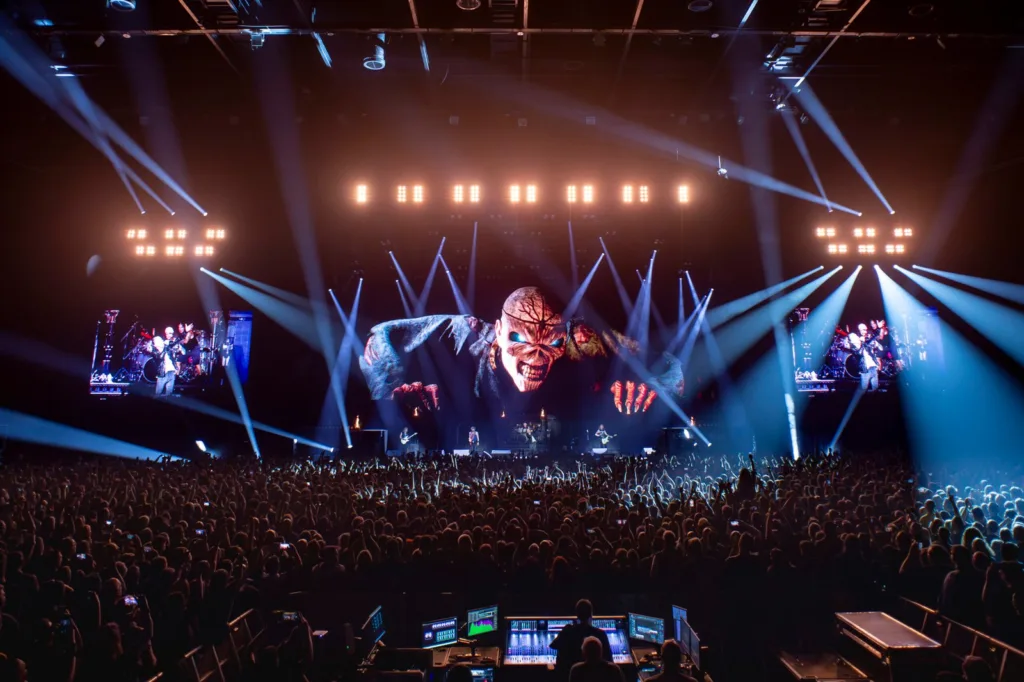
Believe me: if your idea of the perfect Iron Maiden night in São Paulo is a sweaty shove to the front rail, you might be choosing the wrong kind of memory. Sounds contrarian, I know. Front-of-stage glory feels like rock pilgrimage — and it is — but São Paulo’s concert scene rewards a different kind of attention: context. The crowd sings every chorus here, but the moments that stick—striking conversations with strangers, back-alley afterparties, the taxi driver’s quiz about Bruce’s best solo—happen outside the crush as much as inside it.
How I’ll compare this for you
I’ll compare three real ways to experience Iron Maiden in São Paulo: the straight-up standing pit at Allianz Parque (I’ll call this “Pista”), the seated/arquibancada or VIP approach inside the stadium (“Seats & Boxes”), and the local, slightly rebellious option—watching from bars and small venues in neighborhoods like Pinheiros or Vila Madalena (“Bar-Route”). For each I’ll list honest pros and cons, give logistical facts that matter, and tell you who should pick it.
P.S. quick practical facts
- Venue: Allianz Parque, Barra Funda neighborhood (this is where most big stadium concerts in São Paulo happen).
- Closest transit: Palmeiras–Barra Funda station (Metro Line 3 – Red and CPTM Lines 7 & 8). Expect a 10–15 minute walk from the station to the venue entrances.
- Best São Paulo season for concerts: summer is hot and often rainy (December–February); cooler, drier months run June–August.
- Post-show bar neighborhoods that stay lively late: Pinheiros and Vila Madalena—both a short Uber or 20–35 minute ride from Barra Funda depending on traffic.
Option 1 — Pista: Front-crowd, full-immersion
Pros first, bluntly: there’s nothing like being in the standing crowd when Maiden launches into a big riff. The energy is raw, people sing like they’re part of the band, and if you love the tactile feeling of a shared musical moment, this is for you. If you’re the type who measures a concert by sweat, volume, and the number of elbows you survived, Pista delivers.
Cons, equally blunt: it’s a slog. You’ll be standing for hours, security checks are strict (bring ID and expect bag searches), and personal space evaporates. Allianz Parque’s Pista is known locally for dense crowds at big international acts; if you’re not used to long standing sets you’ll get tired fast. If you like to film the whole show, the constant movement will frustrate you. Also: ingress and egress are slower from the standing areas because people leave all at once.
Logistics & local tips that save time and mood:
- Arrive early. Doors often open at least an hour or two before showtime for big acts—this is when you stake out space. For Maiden, early arrival isn’t just prudent; it’s the difference between decent sightlines and an obstructed night.
- Take Palmeiras–Barra Funda station. If you come by metro or CPTM, that’s your stop. The walk is 10–15 minutes if you move at a steady pace. Bring a small rain poncho in summer: São Paulo afternoon storms are precise and brutal.
- Hydration and cash: water inside venues in Brazil is pricier than outside; buy a bottle before you enter if you can. Small bills are handy—vendors sometimes prefer them.
- Earplugs. If you want to leave with your hearing intact, bring them. Trust me.

Who should pick Pista? You, if you’re under 40, you don’t mind the crush, you want to sing every line with strangers, and you’ve prepared physically and logistically for a long night. Also, if you travel with friends who will hold positions while someone fetches food or a beer, Pista is manageable.
Option 2 — Seats & Boxes: Sightlines, comfort, and fewer surprises
Seats, whether general arquibancada or a private VIP box, are the exact opposite of Pista in priorities. You get a better overall view of the stage, a chair to rest your legs, and fewer shoves from behind. For many foreigners, especially those who want to take in the production—the lighting, the stage props, Bruce’s theatrical entrances—seated options make the show feel cinematic rather than survival-based.
Pros: clear sightlines, room to breathe, and faster exits for older concert-goers or families. VIP boxes sometimes come with separate entrances and access to hospitality areas; that’s worth it if you value a quiet moment between songs or prefer not to deal with long queues at food stalls.
Cons: you lose the physical, chest-to-chest communion that makes Brazilian crowds so memorable. Tickets on the sideline or far upper tiers have poor sound and a flat view of stage details. Also, stadium seating in São Paulo can be far from the exits—if you’re in the far end, prepare for a long walk to the street after the show.
Concrete tips for seats:
- Choose lower-tier lateral seats if you want a good balance of sight and escape routes. The midline seats directly facing the stage often give the best sound but are pricier.
- If you care about drinks or a quieter pre-show, target hospitality/VIP sections. These sometimes include private restrooms and food lines—pricier, yes, but worth it if you don’t want chaos at halftime.
- Transport-wise, the same Palmeiras–Barra Funda stop applies, but if you’re seated and have mobility concerns, consider booking a ride-share pick-up point on quieter side streets. Drivers usually know the stadium exits; specify a meeting corner to avoid the crush.
Who should pick Seats & Boxes? People traveling with parents, older fans, families, or anyone who prefers to see the full theatrical picture of an Iron Maiden show without spending the whole night standing. Also smart for people who want to combine the concert with a nicer dinner beforehand in Jardins or Paulista and return to a comfortable hotel afterward.
Option 3 — The Bar-Route: a São Paulo-native’s choice
I’m biased here. As someone who lives in São Paulo and has missed a few front rows on purpose, I’ll say this plainly: watching the show from a good bar or a rock club that streams the concert is often the most culturally rewarding option for visitors. You trade stadium spectacle for local life—posters on the wall, a bartender who knows Maiden’s catalog, and a crowd that turns the chorus into a singalong with space to dance.
Pros: no queues at security, cheaper or no tickets, and you’ll end the night in a real São Paulo neighborhood rather than a transit corridor full of taxis. Pinheiros and Vila Madalena have bars that stay open late and attract a mix of expats and locals; the vibe is less touristy than arriving at the stadium and immediately retreating to a hotel shuttle.
Cons: you miss the live stadium sound and pyrotechnics. If Maiden plays something rare, you won’t feel the bass the way you would at Allianz Parque. Also, not every bar will stream the full show—some pick headline acts or just clips—so confirm before you go.
Concrete local moves that make the Bar-Route work:
- Scout a bar before the night. I pick places with an actual stage or a dedicated concert screen and confirmed streaming—call ahead or check the bar’s Instagram (many list “transmissions” in the event details).
- Get to Pinheiros or Vila Madalena early—around 6–8pm is perfect—to grab a table. Drinks and food there are typical São Paulo prices: expect mid-range pricing for craft beers and snacks compared to stadium pricier concessions.
- If you want to move from the bar to the stadium (some people do a hybrid: pre-game at the bar then hop a ride to Allianz Parque), leave a generous buffer for traffic; Barra Funda meets major traffic arteries and it gets clogged post-show.
Who should pick the Bar-Route? Travelers who want a local night out as much as the concert. People on a budget who still want the communal vibe without the stadium premium. And anyone who wants to meet São Paulo locals who will happily argue about the best Maiden albums over a hard cachaça cocktail.
Comparing the three: sound, comfort, cost, and local experience
| Criterion | Pista | Seats & Boxes | Bar-Route |
|---|---|---|---|
| Sound intensity | Highest; immerse or overload | Balanced; good fidelity | Variable; ambient |
| Comfort | Low; long standing | High; sit & rest | Medium; chairs but social |
| Local vibe | Stadium crowd energy | More tourist-friendly | Authentic neighborhood life |
| Logistics | Arrive early; expect slow exit | Better exits if planned | No stadium ticket; easier flow |
Where to stay and how to move around
If you want to be near the concert, Barra Funda has some budget hotels and short-term rentals, but it’s not the most charming place to base a multi-day stay. For a better mix of transit and atmosphere, pick Jardins, Paulista, or Pinheiros. Jardins/Paulista give you quick access to taxis, hotels with bells and luggage service, and straight-forward rides to Allianz Parque; Pinheiros gives you nightlife and bars for the Bar-Route.
Transit realities I use when I travel between neighborhoods: off-peak Uber/99 rides from Jardins to Barra Funda usually take 15–25 minutes; from Pinheiros it’s 10–20 minutes depending on the time. If you take the metro/CPTM, go to Palmeiras–Barra Funda; from Avenida Paulista it’s usually one or two transfers depending on your starting station. Allow at least 45–60 minutes for transit if you’re mixing metro + walking at peak hours.
Food, drink, and after-show rituals
Inside Allianz Parque you’ll find the usual stadium concessions: beer, snacks, and some hot food stands. Prices are higher than street options. My approach has been simple: eat something hearty beforehand—a boteco sandwich or a pizza slice in Pinheiros—and use stadium purchases only for hydration. After the show, people flock to late-night botequins. If you’re in the mood for a classic São Paulo option, try a place that serves fried snacks (pastel, coxinha) and cold beer—those are everywhere in Pinheiros.
One local tip that saves time: many bars near major venues close late, but the busiest ones will have lines. If you’re aiming for a particular bar, book a reservation for a table if possible, or arrive early enough to hold a spot before the show ends. São Paulo crowds move fast and decisively.
Safety and practical sanity
São Paulo is a large city with everything that comes with it. Common-sense rules work: keep your phone zipped in a front pocket, don’t flash expensive gear in sketchy corners, and use official taxis or ride-hailing apps late at night. At Allianz Parque, there’s a visible police and private security presence—but pickpocketing in crowds happens everywhere in the world, so be alert.
If you’re carrying a camera or a passport, use a money belt or keep them in a locked bag inside the stadium. For cash withdrawals, ATMs are available around major stations, but lines get long on event nights; withdraw earlier in the day or use card payments when possible.
How to decide — which option fits your travel type
Here’s the decision rubric I use with visitors:
- If your priority is being physically at the epicenter of the show and you thrive on communal energy: Pista.
- If you want to see the production, be comfortable, and maybe bring older family members: Seats & Boxes.
- If you want a night that mixes Maiden with São Paulo local life—bars, conversations, and hopefully a better sleep schedule: Bar-Route.
One honest logistical anecdote
I once swapped my Pista ticket mid-show for a seat with a friend who had suffered a sprain the week before. Walking up into the seated tier felt strange: the same songs, a totally different vibe. People were dancing in their chairs, and the chorus swelled in a way I hadn’t noticed from the pit—a perfect, layered sound. That trade-off is the heart of this comparison: what you give up is sensory immediacy; what you gain is perspective.
Small checklist to carry with you
- Official ID and a printed or digital ticket screenshot.
- Small bills (BRL 10s/20s) and a card; some vendors prefer cash.
- A light rain poncho in summer and earplugs always.
- Fully charged phone and a battery pack if you plan to film.
- A meeting point and time if you split from your group—inside stadiums, mobile service can be patchy.
Final, concrete thought for your Iron Maiden night in São Paulo
If you want the full sonic hurricane and the story you’ll brag about to friends, head for Pista—but schedule recovery the next day and plan your transit carefully. If you want the show as theatre and prefer a calmer exit to a good hotel, pick Seats & Boxes. If you want the memory to feel like a São Paulo night—less staged spectacle, more conversation, better food—choose the Bar-Route and pair it with a late-night walk through Pinheiros or Vila Madalena. Whatever you choose, aim for Palmeiras–Barra Funda for transit, arrive early, and keep a small roll of cash; those three small moves will change the texture of your night more than the ticket tier ever will.