

Why PIX rewrote the payment playbook in Brazil
PIX changed the way Brazilians move money. Launched by the Central Bank, it settles transfers and payments in seconds, any time of day. For visitors and newcomers, PIX removes much of the friction of cash-only stalls, slow bank transfers, and merchant card fees—if you know how to plug in. This guide gives practical steps you can follow whether you’re on a two-week trip in Rio or setting up life in são paulo.
How PIX actually works — the essentials
At its core, PIX links a payment account (a bank, digital bank, or fintech wallet) to an identifier called a PIX key. That key can be your CPF (Brazilian taxpayer number), a phone number, an email, or a random alphanumeric key generated by the institution. When someone sends money to that key, the funds arrive instantly into the linked account, in Brazilian reais (BRL). Transactions are final: reversals aren’t automatic like card chargebacks, so attention to detail matters.
Do you need a CPF? Options for foreigners
Most Brazilian financial institutions register PIX keys against a CPF. If you plan to stay, work, or receive regular payments in Brazil, getting a CPF is the simplest path. You can apply for a CPF at a Brazilian consulate abroad or at Receita Federal offices inside Brazil; requirements vary by country and consulate, so check their website first. Once you have a CPF, opening an account and registering PIX behaves the same as for Brazilians.
If you’re only visiting, two routes remain realistic: open a local digital account that accepts foreigners without residency (some fintechs allow this using a passport and foreign address) or ask the person or business to accept other payment forms. Not every institution accepts non-CPF IDs, so call ahead before assuming you can register PIX on the spot.
Step-by-step: setting up PIX when you have a Brazilian account
1) Open a Brazilian payment account — bank or fintech — and complete identity verification. 2) In the institution’s app, find the PIX or instant payments section. 3) Register one or more PIX keys (CPF, phone, email, or a random key). 4) Confirm the key through any required verification (SMS, email, or in-person confirmation). Once confirmed, you’re ready to send and receive instantly.
Because each bank app looks different, look for verbs like “register”, “add key”, or “PIX key”. When you register, decide whether to use a phone number or email you control—these are easy to share on the fly—or register your CPF for payroll and formal payments.
Real-life snapshots: using PIX around Brazil
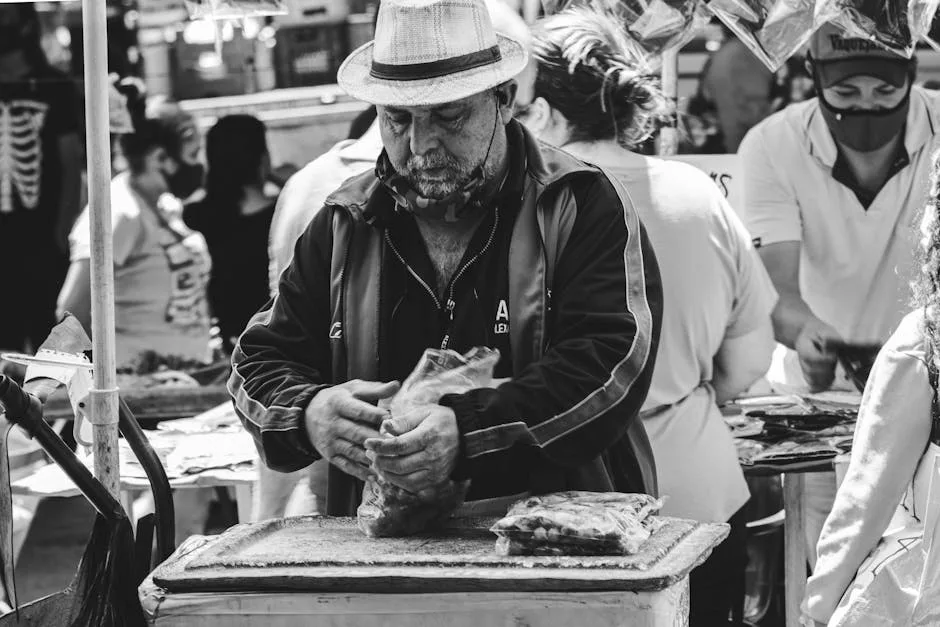
In São Paulo, small bars and food trucks often prefer PIX because it avoids card terminal fees. At a market in Salvador you’ll see vendors paste static QR codes to their stalls so customers scan and pay directly. Hotels, pousadas, and many hostels accept PIX for rapid payment without the card surcharge; it’s common for owners to ask for a PIX transfer to secure a reservation. For taxis and rideshares, drivers increasingly accept PIX, but confirm the fare first and always check the recipient key before sending.

Using QR codes, keys, and payment requests—practical how-tos
There are three common ways to move money with PIX: by key, by QR code, or by a payment request (PIX Cobrança). Sending to a key is fastest: copy or type the recipient’s registered phone/email/CPF and authorize. QR codes come in two flavors: static and dynamic. Static QR codes are reusable and usually show only the recipient’s info; dynamic QR codes include the exact amount and an expiration time. If a café shows a dynamic QR, scan it with your app and confirm the prefilled amount so you don’t mistype the cents. For formal invoices or online sales, sellers send a PIX payment request with an embedded QR or a link—these show the amount, due date, and a reference number so both sides reconcile quickly.
What foreigners should know about currency and funding PIX
PIX operates in BRL. That matters: you can’t send dollars or euros through PIX. To use PIX you must hold BRL in a local account. If all you have is a foreign debit or credit card, you generally can’t pay with PIX directly unless the local fintech explicitly allows topping up an account with an international card. For travellers, the practical choices are: convert cash to reais at an official exchange (casa de câmbio), use a local ATM, or open a Brazilian account that accepts international top-ups. For people relocating, wire money into your Brazilian account and then use PIX freely.
Fees, limits, and timing — what to expect
Personal PIX transfers are usually free. Businesses can face fees, and banks may charge for certain operations (like corporate transfers or expedited service). Limits are set by each institution: daily caps, per-transaction ceilings, and hourly limits are common. If you need a large transfer—rent for an apartment, for instance—check your bank app’s limits and ask how to increase them temporarily. PIX runs 24/7, so your transfers arrive instantly at any hour, including weekends and holidays.
Cash with PIX: PIX Saque and PIX Troco
Need cash? Brazil offers PIX Saque and PIX Troco, services that let you withdraw cash at participating retail establishments. With PIX Saque you request a withdrawal from your app and then pick up cash at a partner location; PIX Troco gives you change when making a purchase—you pay a little extra electronically and receive cash back. Availability varies by city and store; ask at the pharmacy or grocery before assuming you can access cash this way. These options are handy if ATMs are scarce in remote areas like parts of the Amazon.
Security first: how to avoid PIX scams
PIX is fast, which scammers exploit. Common schemes include fake buyers showing a false bank confirmation and then asking for extra cash back, or fraudsters sending you a link pretending to be bank support that captures your credentials. Always confirm the recipient key directly with the person or business—copy and paste keys rather than typing, and compare the last digits of a printed CPF or phone number. Never follow unsolicited links that ask for codes from your bank app. If someone pressures you to transfer immediately or promises a refund afterwards, step back.
What to do if things go wrong
If a transfer goes to the wrong PIX key or you suspect fraud, contact your bank immediately and ask them to block further transactions. Banks have internal dispute processes; success sometimes depends on how quickly you act. If you’re in Brazil, file a Boletim de Ocorrência (police report) and keep receipts and screenshots—authorities and banks request them. If you’re abroad, contact your consulate for guidance on local law enforcement procedures and keep your bank’s international support number handy.
Useful PIX habits for foreigners settling in Brazil
– Register more than one PIX key (phone + email + CPF) so people can reach you in different ways. – Set daily and per-transaction alerts in the app so you see every move immediately. – Use the payment request feature when buying online or for services: it reduces errors because the merchant sends the exact amount. – Ask employers and landlords to include your CPF when paying via PIX so everything matches official documents. – Keep a small emergency cash stash; while PIX is widely accepted, remote towns and small vendors may still prefer cash.
Advanced uses: business payments, invoicing, and payroll
PIX is more than person-to-person transfers. Businesses use it for invoices, recurring charges, and even payroll. If you run a freelance service or small business in Brazil, you can offer PIX as a payment option and request payment with a PIX Cobrança (invoice) that contains line items and a payment reference. Employers increasingly pay salaries via PIX directly to employee accounts registered under CPF, which speeds up payroll processing compared to older methods.
Practical examples by city
Rio de Janeiro: pay for kiosks on Copacabana, small surf shops in Ipanema, or a favela tour tip with PIX—just confirm the key first. Salvador: street food vendors and small pousadas widely accept PIX; you’ll often get a discount for an instant transfer. Brasília: government services sometimes accept PIX for fees and fines. Manaus and the Amazon region: accept PIX in larger stores and lodges, but carry cash for river taxis or remote markets. Always ask before assuming acceptance.

Common questions foreigners ask
Can I open a bank account with just my passport?
Some digital banks let foreigners open accounts with a passport and proof of address abroad, but requirements vary. If your plan includes opening an account without a CPF, call the bank or fintech first. If you need full banking services and guarantees, applying for a CPF simplifies the process.
Can I use PIX to pay international vendors?
No. PIX is domestic and runs in Brazilian reais. For international transfers you’ll use bank wire (TED/Doc previously), specialized remittance services, or your foreign bank’s transfer services. Some fintechs offer cross-border transfers that convert currency and then deposit into a Brazilian account, after which you could send money via PIX.
Is PIX safe for large transfers?
Technically yes, but because reversals are not automatic, banks set limits and often require extra verification for large amounts. For big transactions—rent deposits or property payments—use certified transfer procedures and keep invoices and IDs handy. Discuss with your bank in advance if you expect to move large sums.
Final practical checklist before your first PIX payment
- Confirm the recipient’s PIX key directly (call or show ID) and copy/paste it into the app.
- Verify the amount and, if using a QR code, that the dynamic code shows the correct value.
- Enable app notifications and biometrics on your phone for added security.
- Keep screenshots or PDF receipts of the transfer; they are essential if disputes arise.
- For large or unfamiliar payments, ask the recipient for an invoice or written confirmation that includes their CPF/CNPJ.
Where to look for official help and resources
For regulatory questions, Banco Central’s website publishes detailed PIX rules and guides. For CPF procedures consult Receita Federal or your nearest Brazilian consulate. For bank-specific issues call your institution’s customer service—most provide English support for common questions. If fraud occurs, file a police report locally and notify your bank immediately.
Why PIX is worth learning as a visitor or new resident
Once you master the small steps—registering keys, checking QR codes, and keeping basic security habits—PIX makes daily life in Brazil smoother. It’s how locals split bills, how small businesses avoid card fees, and how landlords accept fast deposits. Whether you’re enjoying street food in Recife, renting a scooter in Florianópolis, or settling into a new job in Belo Horizonte, PIX will save you time and money when used carefully.
Ready to try? Start with a low-value transfer to a trusted friend or your own second account to confirm everything works. After one successful PIX, you’ll see why Brazilians adopted it so quickly.