
- Why Maracanã feels like more than a stadium
- Picking the right match and ticket strategy
- Getting there without stress
- What to bring — practical choices, nothing excessive
- What to leave at home
- Security and entry procedures explained
- Finding your seat and reading the crowd
- Taste the match-day food without the fuss
- Understanding chants, flags, and local etiquette
- Dealing with hostile moments and flare-ups
- Managing tobacco, alcohol, and health considerations
- Leaving the stadium with calm and speed
- If something goes wrong: reporting, lost items, and help
- Local phrases that make life easier
- Practical checklist to keep in your pocket
- Why the right attitude matters more than perfect planning
- Final pointers for repeat visitors
- A personal note about respect and memory
Why Maracanã feels like more than a stadium
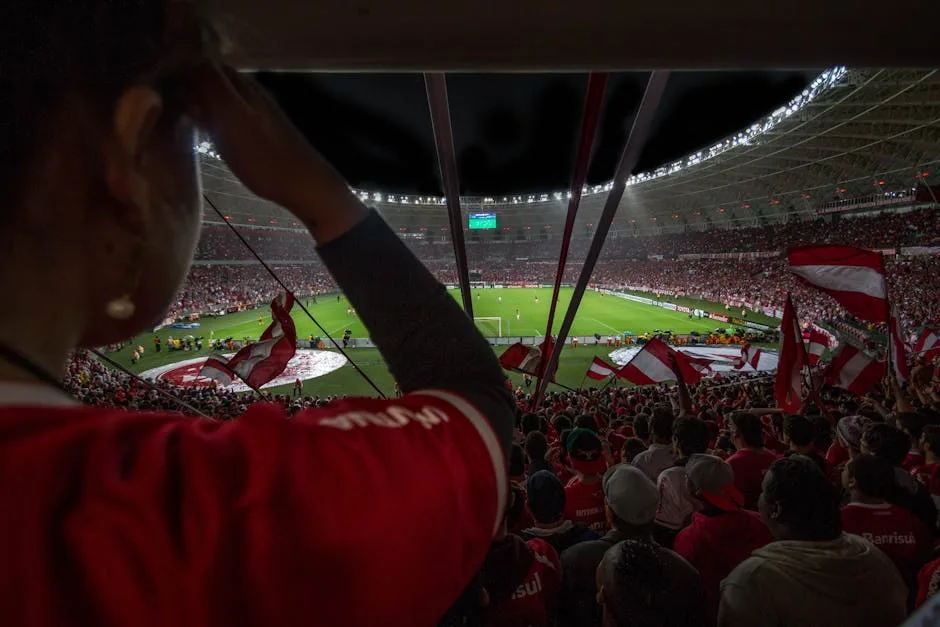
The Maracanã isn’t just a bowl of seats and lights; it’s a living piece of Rio that bites into the city‘s rhythm. When a match day arrives, the whole neighborhood changes its tempo. Vendors wheel in, buses reroute, street-side bars swell with fans in red, white, or black, depending on who’s playing. expect noise, long queues, raw passion—and a few eccentric rituals you’ll only see here. That energy is electric, but it demands respect. Knowing how Maracanã works before you go makes the experience exhilarating rather than overwhelming.
Picking the right match and ticket strategy
Not every Maracanã match is the same. A local derby—Flamengo versus Fluminense—creates a different atmosphere and security footprint than an international friendly or a national cup game. Start by deciding the type of experience you want: high-decibel rivalry or a more relaxed evening of football. Club websites and official ticket partners sell most tickets; for sold-out matches, resale platforms exist but verify legitimacy and avoid third-party links shared on social media.
Seats matter. Lower-level seats put you closer to the action and to the pitch-side chants, but they also expose you to more boisterous fans and denser crowds. Upper tiers offer a better view and slightly calmer exits. If you prefer family areas, look for sectors designated as family or visitor-friendly on the stadium seating map. For accessibility, Maracanã has ramps, elevators, and designated wheelchair spots—reserve these through official channels ahead of time.
Many matches now use mobile tickets. Keep the confirmation email and admission barcode readily available on your phone, but also take a screenshot in case service falters. If you buy a physical ticket, store it somewhere safe; tickets occasionally get checked at multiple points. For high-profile games, buy as early as possible and collect from authorized outlets only.
Getting there without stress
Public transport is the most efficient choice on match day. The stadium sits near metro stations and suburban rail stops, and transit agencies increase frequency around kickoff. Metro Line 2 stops at Maracanã station—follow the signs, and you’ll find a direct, walkable route to the gates. SuperVia trains also stop close by, which is convenient if you’re coming from the suburbs. Taxis and ride-hailing apps are plentiful, but expect heavy traffic in the surrounding avenues before and after the match.
Walking from nearby neighborhoods can be pleasant; the streets fill with other fans, which feels safe in company. Still, avoid isolated side streets and poorly lit routes, especially at night. If you arrive by car, park in official lots or hotels offering validated parking. Unofficial street parking increases the risk of fines or towing. Map your exit route in advance—some streets close for pedestrian flows, and GPS can reroute you into bottlenecks.
What to bring — practical choices, nothing excessive
Pack light but smart. Bring your ticket (digital or printed), a government ID, some cash in smaller bills, a credit card, and a portable charger. A small reusable water bottle is handy, though be prepared to empty it at security if required. Bring a light jacket; coastal evenings in Rio can cool down faster than you expect, especially when the stadium breeze picks up.
A compact daypack is fine, but avoid large backpacks. Security often requires opening and inspecting bags, and large items slow crowd flow. Leave valuables—extra cards, unused phones, expensive jewelry—in your hotel safe. Keep one main phone, a small wallet, and any essential medications in a front pocket where you can watch them.
What to leave at home
Stadium rules usually prohibit glass bottles, large umbrellas, coolers, drones, flags with long poles, fireworks, smoke devices, and weapons. Pyrotechnics are a common cause of tension at some matches; avoid bringing anything that can be interpreted as dangerous. Also skip professional camera equipment with interchangeable lenses unless you have explicit permission—most clubs restrict such devices. If you’re unsure, consult the match’s official page or the ticketing terms.
Security and entry procedures explained
Security is systematic and visible. You will pass through turnstiles and bag checks, and scans are common for big fixtures. Police and private security staff are stationed throughout the venue, and their presence is reassuring. Cooperate with instructions; security teams are there to maintain order, not to hassle spectators. If an item is confiscated, don’t argue at the gate—note the reason and ask for a receipt so you can resolve it later.
Gates typically open one to two hours before kickoff, but this varies by event. Arriving early lets you absorb pre-match rituals, grab food, and avoid the last-minute crush. Lines can move slowly during peak periods; use designated family or fast-entry lanes if available and applicable.
Finding your seat and reading the crowd
Once inside, take a moment to scan your surroundings. Identify the nearest restrooms, first-aid station, and exit gates. Maracanã has multiple rings of seating; note which tier you’re in and the stairwell that leads back to the concourse. If you travel with less confident companions, choose seats nearer to aisles for easier movement.
Watch how fans are grouped. Home supporters settle into their sections early and often bring banners and coordinated chants. Opposing fans are kept separate in most matches. If you’re neutral or new to local chants, observe and join where comfortable. Avoid taunting or crossing into rival territory—provocations escalate quickly. If you witness aggressive behavior, notify nearby staff or police rather than intervening yourself.
Taste the match-day food without the fuss
Stadium food at Maracanã ranges from classic Brazilian snacks to straightforward global options. Expect pastéis, grilled sausages, popcorn, and beer stands throughout the concourse. Prices are higher than street vendors but comparable to other major stadiums. Lines can swell at half-time; if you know you’ll want a snack, buy during the lull before kickoff or in the first 15 minutes of play when many are still settling.
Stand vendors selling empadinhas or sugarcane juice often weave through seating areas. If you buy from roaming sellers, watch how they handle cash and change; carrying small bills helps speed transactions. For larger meals, search for official concession stands near the entry points—these usually have better stock and shorter lines during long halftime periods.
Understanding chants, flags, and local etiquette
Brazilians chant with rhythm and creativity. If you join a chorus, learn the basic call-and-response lines ahead of time—fans appreciate when visitors try. Respect song ownership: certain chants belong to specific groups or corners of the stadium. Applauding a good play is universal; booing is normal but keep it targeted at the play, not the person in the seat beside you.
Flags and banners are part of the show. Small flags are fine in many sections, but big banners often require club approval. Avoid unfurling anything that blocks views or uses profanity. Steer clear of politically charged banners—match security is particularly alert to signs that might incite confrontation.
Dealing with hostile moments and flare-ups
Aggressive incidents are uncommon if you follow basic precautions. Stay with your group, avoid eye contact with agitators, and keep cell numbers shared before the match in case someone gets separated. If a disturbance occurs, move toward security or a well-lit concourse rather than into the crowd. Familiarize yourself with the stadium’s emergency exits when you arrive—knowing alternate ways out speeds any retreat and reduces anxiety.
If authorities request evacuation for safety reasons, follow instructions calmly. Emergency protocols are practiced regularly; panicking only makes evacuation slower. Keep a small flashlight or use your phone’s light feature if you need to navigate stairs in dim conditions.
Managing tobacco, alcohol, and health considerations
Brazil enforces smoke-free policies in many public areas, and stadium restrictions vary. If smoking is allowed in certain outdoor zones, use only designated spots and be mindful of children and elderly fans nearby. Alcohol is widely sold, but overconsuming increases the chance of trouble. Pace yourself: drink water between beers and eat to slow absorption. Keep an eye on companions who’ve had too much and help them find staff or medics if needed.
First-aid stations are clearly marked. For minor issues—blisters, dehydration, headaches—seek staff assistance early. They can direct you to water points, medical tents, or quiet areas to rest. If you have chronic medical needs, bring documentation and keep medications in a labeled pouch for quick access.
Leaving the stadium with calm and speed
Post-match exit often defines the final memory of your visit. Plan your exit strategy before the final whistle. If you’re traveling by metro or train, head to the platform in waves rather than the immediate stampede; waiting 10–15 minutes after most fans leave often results in a less crowded ride. If you need to be gone right away, stay close to aisles and follow staff directions to express exits and transit corridors.
Avoid lingering in isolated plazas; the safest route is to stay within the river of fans toward established transport hubs. Ride-hailing apps may experience surge pricing and longer arrival times post-game. If using one, request your car a block or two away from the stadium to reduce congestion time and ensure the driver can reach you promptly.
If something goes wrong: reporting, lost items, and help
Handle lost items systematically. Report missing belongings at the stadium’s lost-and-found, usually located near main gates or guest services. If you lose a phone or wallet, report a theft to the local police and get a copy of the report for insurance or card disputes. Keep emergency contact numbers—your hotel, embassy or consulate, and local police—handy before you attend the match.
If you witness misconduct, document it discreetly: note seat numbers, surrounding sections, and time. Give these specifics to security or police. Avoid aggressive confrontation; your role is observer and reporter. For urgent medical emergencies, notify the nearest staff member immediately; the stadium’s medical teams respond quickly to calls from any seat.
Local phrases that make life easier
Learn a handful of Portuguese phrases; locals appreciate the effort. Say “Obrigado” (thank you) if you’re male, “Obrigada” if you’re female, and “Por favor” for please. Asking “Onde é a estação?” (Where is the station?) or “Onde fica a entrada?” (Where is the entrance?) goes a long way. Smile, speak slowly, and most people will help you with directions or tips about the quickest exit.
Practical checklist to keep in your pocket
Before you leave your hotel, do a quick rundown: secure your ticket (screenshot or print), copy of your ID, small cash, one credit card, phone charger or battery pack, and any medication. Book your ride or map your transit route, and note alternate routes. Leave unnecessary valuables locked up. Tell someone where you’ll sit and what time you expect to leave, just in case you get separated.

Photo by Kaio Murilo via Pexels
Why the right attitude matters more than perfect planning
A well-planned trip reduces stress, but your attitude shapes the memory. Approach the match with curiosity and respect. Be open to joining chants, sampling a new street snack, and asking polite questions. Be mindful of space and sound—celebration should never jeopardize safety. When everyone behaves responsibly, the stadium buzz becomes communal joy rather than a chaotic risk.
Final pointers for repeat visitors
If you fall in love with the Maracanã vibe, consider returning for different types of matches: a calmer national team fixture, a local derby, or even a night when a visiting European club plays. Each match reveals different rhythms of fan culture, and your familiarity with the stadium will let you experience them more fully while staying safe. Keep a small notebook of tips you gather from locals—club-specific chants, the quickest kiosk line, or a sneaky shortcut to the metro—and build your own match-day playbook.
A personal note about respect and memory
Watching a match at Maracanã should leave you with a story—not a cautionary tale. Respect the place, the people, and the passion. Choose empathy over bravado, and you’ll carry the noise, the songs, and the thrill home as a vivid memory rather than a lesson learned the hard way. Enjoy the football. Keep your wits. And savor the unique delight of being part of a crowd that lives the game with every breath.