
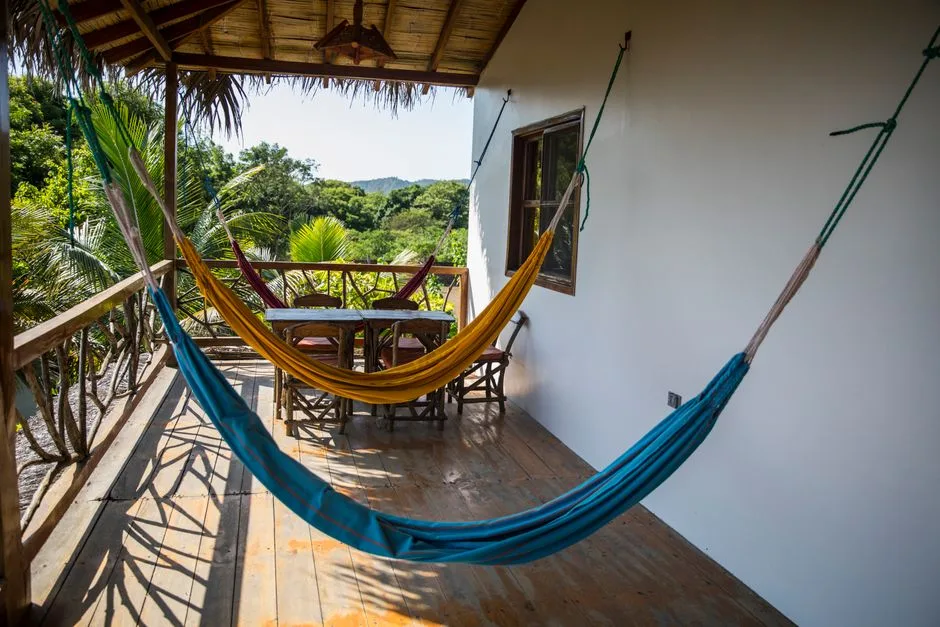
The engine cut. The boat rocked, a slow earned tumble, and the mosquito net rose and fell like a curtain on a stage I hadn’t expected to play. Somewhere downriver someone laughed in a way that sounded like a bird. I tightened the hammock rope and listened to the water take the day away. That moment—warm air, distant frogs, the deck light painting the teak—tells you everything you need to know about sleeping on a riverboat in the Amazon. It is intimate, raw, and strangely elegant in its limitations.
Why the question matters: two ways of nighttime Amazon life
There are two dominant overnight experiences people imagine when they think of sleeping in the Brazilian Amazon: a riverside jungle lodge with raised wooden bungalows and a riverboat with hammocks strung along the open deck. Both deliver wildlife and remoteness, but they deliver different things. Pick the wrong one for your temperament and you’ll either feel cheated by comfort you didn’t need or trapped by authenticity you didn’t expect.
Quick snapshot (my blunt take)
- Jungle lodges: comfort with immersion. Better for families, slow travel, older travelers, photographers who need stable platforms, and people who want a shower that doesn’t feel heroic.
- Riverboat hammocks: immersion with motion. Best for single travelers, backpackers, people who want romance, and anyone who thrives on movement, minimalism, and the sound of a dark river.
The first night test: noise, privacy, and sleep quality
At a lodge you get a solid bed, walls that keep out wind and some animal sounds, and a roof that stops the rain from sounding like applause. At the riverboat you get the river as a roommate—its engine, the gentle slap of water, and those late-night conversations from crew and other passengers. I’ve slept in both places and can tell you this without being coy: I slept deeper at a mid-range jungle lodge outside Manaus (one with mosquito-netted beds and a veranda). On a riverboat hammock, my sleep came in waves. I’d doze through most of a stretch and wake fully whenever the boat navigated a tricky bend or tied up at a small village
Privacy breakdown
Lodges: private cabins, lockable doors, and the option to close a window on the world. Riverboats: communal life. If someone snores two metres away, you will know. That’s not inherently bad, but it’s social.
Comfort and facilities: what you actually get
Here are the common offerings I’ve personally tested and recommended to travelers over the years, with examples tied to real places around Manaus and the Rio Negro basin.
Jungle lodges — what’s typical
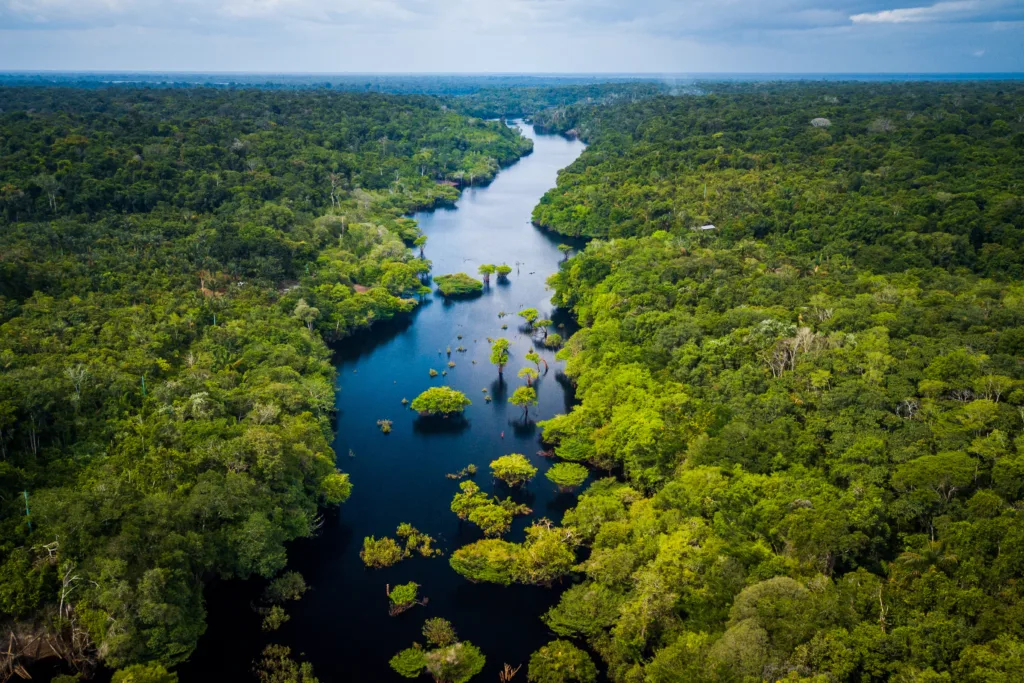
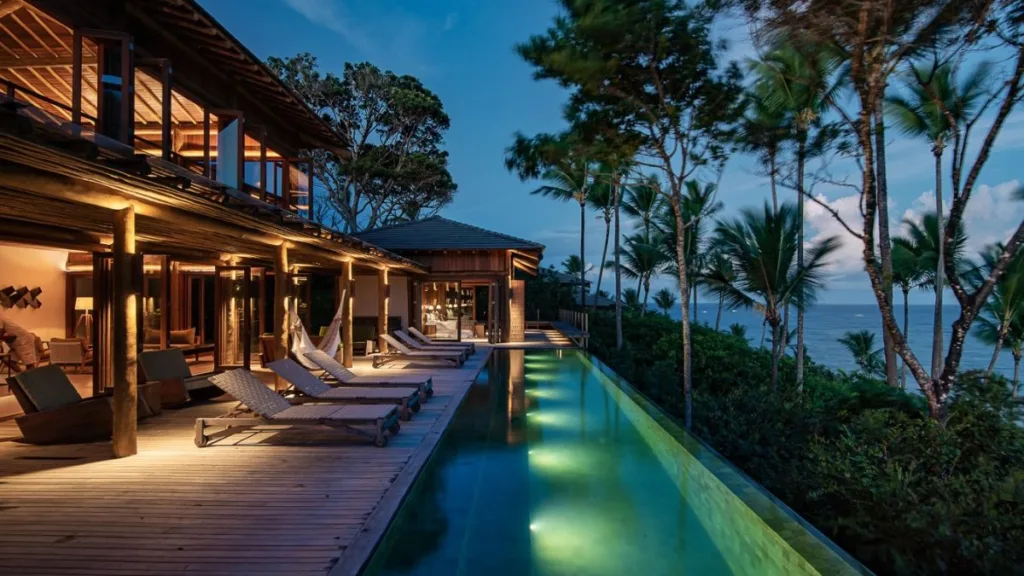
- Raised wooden bungalows on stilts, sometimes with balconies looking at igapó (blackwater flooded forest) or terra firme forest. Examples: lodges in Anavilhanas and the state-protected areas around Manaus tend to have structures like this.
- Private bathroom with a shower (hot water is often solar or generator-driven).
- Full board: three meals a day, sometimes with a buffet-style lunch, fish dishes like tambaqui or pirarucu when available, and fresh fruit. Dietary needs can be accommodated if notified in advance.
- Guided day and night excursions in small groups: canoe trips, night hikes, piranha fishing, and community visits.
Riverboats — what to expect
- Open-air deck with hammocks. Some boats have enclosed cabins but the classic experience is deck hammocks.
- Basic meals provided; food tends to be practical—rice, beans, fish, manioc—and often cooked on a modest galley.
- Shared toilets and freshwater supplies that vary by operator. Hot showers are rare on small working boats.
- Long stretches of travel between stops; you wake up in different places—village, sandbar, forest mouth.
Wildlife encounters and photography
Both options put you in the same ecosystem, but your access changes.
Where you see more and when
Lodges often sit next to prime habitat (oxbow lakes, flooded forest) and the same guides return to proven spots nightly, so sightings can be frequent and predictable: hoatzins in the canopy, caimans reflecting lantern light along a lagoon, the sudden chorus of capuchins at dawn. Photographers love lodges because you have a stable base and electricity to charge batteries.
Riverboats, by contrast, move you through a broader set of microhabitats. You may pass by pink river dolphins during a dawn transit between islands, tie up at a remoter channel where no lodge goes, or swing into a village for an impromptu visit. For wildlife photographers who want variety—and who don’t need a tripod-heavy setup—riverboats are a creative dream. For those who need control over light, power, and steady platforms, lodges are kinder.
Food, drink, and the small civilities
I’m particular about food. A day exhausted by hiking ends badly if dinner is bland. Lodges in the Anavilhanas and Mamirauá areas often serve local specials: grilled pirarucu, tacacá broth (in regions where it’s common), and grilled plantains. That variety comes with the stable kitchen and supply chain of a lodge operator.
On boats you get honest, filling food: fish, rice, beans, manioc. Sometimes the crew will take pride in a stand-out meal; other times, the galley keeps it simple so the boat can keep moving. Bring some snacks you trust—nuts, energy bars—and a little gratitude for the crew. They’ll share stories that taste better than any dessert.
Safety and health: mosquitoes, rivers, and vaccines
Let me be plain: the Amazon is gorgeous and uncompromising. There are practical steps that change risk into manageable inconvenience.
Vaccinations and medical prep
Yellow fever vaccination is recommended for most travelers to the Brazilian Amazon. I always advise seeing a travel clinic at least 4–6 weeks before departure to discuss yellow fever, routine immunizations, and malaria prophylaxis if you’ll be in remote forested sections for prolonged periods. Carry a small first-aid kit and any prescription medications in their original labeled containers.
Mosquito protection that works
Bring a DEET or picaridin-based repellent. I use 30% DEET or 20% picaridin on the skin and permethrin-treated clothing for the jungle day hikes. Netting is standard in lodge rooms; on riverboats you should check whether the hammocks are inside a net or if you need an additional mosquito head-net.
Water and food safety
At reputable lodges bottled or purified water is standard. On boats, ask about water sources and whether it’s treated. I carry a compact UV purifier for day trips and a couple of chlorine-based purification tablets in my kit.
Logistics and timing: seasons, travel time, and transfer headaches
The Amazon’s rhythm depends on water. That rhythm informs what you can reach and how.
High water vs low water (and why it matters)
High-water season: roughly from December through May. Rivers spill into forests, access by boat expands, and larger boats can get into channels that are blocked at low water. Some lodges sit above the flood line; others operate seasonally and may offer different activities when the water rises.
Low-water season: roughly June through November. Sandbars reveal themselves, and forest trails become possible. Wildlife behaves differently—fish concentrate in channels, and you might find flooded areas quiet. For riverboats, low water can mean more frequent stops or the need to be guided through shrinking channels.
From Manaus where most trips start
Manaus is the practical hub. Many lodges and riverboat itineraries begin with a transfer from Manaus’ port or airport. Flights from major Brazilian cities arrive into Eduardo Gomes International Airport; then it’s a river taxi, speedboat, or scheduled motor launch to your destination. Expect anywhere from 1–4 hours of river travel for popular lodge zones like Anavilhanas and nearby reserves. Multi-day river cruises leave Manaus and head deep into the Amazon Basin.
Cost: what you’ll actually pay
Prices vary wildly by season, comfort level, and inclusions. Here’s the practical breakdown I give people when they ask me what budget to bring.
- Basic riverboat hammock trips: these can be the cheapest option for multi-day transit and experience—backpack-style operators and local passenger boats are the most affordable way to travel the river, though comfort is basic and schedules are slow.
- Mid-range jungle lodges: expect to pay more for private rooms, full board, and guided excursions. Many lodges package transfers, guides, meals and activities into daily rates. That price buys predictability and a small staff dedicated to guests.
- Higher-end private lodges: there are boutique lodges that offer guided photography hunts, private guides, and luxury touches. They cost more but you’re paying for exclusivity, shorter group sizes, and better gear on-site.
Hidden costs
Transport from Manaus, park entrance fees, tips for guides and boat crew, and extra excursions can add up. Bring cash when you leave Manaus; many smaller operators won’t take cards.
Who should choose a lodge — and which lodges I recommend looking into
Take a lodge if you value comfort, stability, and stronger infrastructure. Choose a lodge if you travel with kids, carry heavy photographic gear, or prefer Spanish- or English-speaking naturalist guides who give long, structured walks. If you’re allergic to frequent wet-dry changes or need a private toilet and secure lodging, you’ll thank yourself.
Specific, real-world examples: lodges around the Anavilhanas archipelago and private eco-lodges close to Manaus focus on ease of access and good guides. Smaller community-run lodges inside reserves such as Mamirauá and Jaú offer authentic experiences tied to local communities; they’re more rustic but rewarding for the traveler who wants cultural context with their wildlife sightings.
Who should choose a riverboat hammock — and what type of boat to pick
Choose a hammock trip if you want a nomadic feeling, if the idea of waking up in a new channel each morning excites you, and if you seek a less curated version of the Amazon. People who travel light—one dry bag and a camera—will relish the freedom. You’re choosing variability, and sometimes improvisation.
Pick a boat that matches your temperament: small passenger boats for a no-frills, local feel; converted cargo boats for longer transits; or boutique riverboats that combine a few hammocks with an enclosed cabin and a dedicated guide for a middle ground. Ask operators about netting over hammocks, the crew-to-passenger ratio, sanitation facilities, and whether the boat carries extra water.

Photo by Matheus Bertelli via Pexels
Packing list—precise, not poetic
Here’s what I bring when I don’t want surprises. Pack light, but pack right.
- One lightweight dry bag (20–30L) for daily excursions.
- Permethrin-treated long-sleeve shirt and long pants for evenings.
- Short-sleeve shirts and quick-dry travel pants for daytime.
- DEET 30% or picaridin 20% insect repellent.
- Compact headlamp (red-light mode for night wildlife watching).
- Small towel and biodegradable soap (you’ll use less on a boat).
- Personal water purifier (UV or chlorine tablets) for day trips.
- Power bank(s) — electricity at lodges is often limited; on boats it’s rarer.
- Copies of travel documents sealed in plastic.
- Lightweight rain jacket — heavy downpours are unpredictable.
Community interactions and cultural notes
Lodges often work with nearby communities and can arrange visits where you’ll learn about riverine livelihoods: manioc processing, artisanal fishing, and local crafts. Some lodge operators have long-term partnerships and pay the community directly for services, which is reassuring from an ethical travel perspective.
On riverboats you might tie up to a village without prior announcement. These spontaneous stops produce raw, uncurated cultural exchanges—fishermen come aboard, kids will sing, and a woman may sell freshly roasted farinha. Bring small bills to buy things and a sense of humility; never photograph people without asking.
Etiquette and behavior in both settings
- Respect guides’ instructions—these are not just rules, they keep you and the wildlife safe.
- Ask permission before photographing local residents.
- Tip generously when service is good; crew and guides rely heavily on tips.
- Keep noise to a minimum in late evening; both lodges and boats have wildlife to protect and guests who want quiet.
Real trade-offs I regret and those I celebrate
I once booked a lodge because a friend insisted I’d enjoy a proper bed. Two nights in, I realized I’d paid for serenity I could have found cheaper on a hammock trip. Regret: I missed two dawn river transits where pink dolphins followed the boat and the captain stopped for a sunrise dance of fish. Celebrate: on another trip with my father, the lodge’s private bathroom and steady schedule made all the difference—he slept, ate well, and the guide tailored easy hikes to his tempo.
Booking tips and negotiation tactics
Book directly with operators when possible; many lodges prefer direct contact and may bundle transfers and activities. For riverboats, crew-run trips sometimes don’t appear on popular booking platforms. If you’re traveling in shoulder season, ask for discounts or included transfers. Bring cash for last-minute arrangements.
A final, practical test you can use in the market
When you talk to a lodge or boat operator, ask three specific, revealing questions:
- How do you handle nightly mosquito control? (If the answer is “we leave nets,” follow up with whether nets are washed and replaced.)
- Where do you take guests at dawn? (If they have a single repeated stop, you’ll get predictable sightings; if they say “we go where the animals are,” that may mean improvisation.)
- How do you handle power and charging—do you have scheduled charging times, solar, or a generator? (If you need steady electricity, insist on a lodge with reliable power.)
Which one should you choose? My decisive categories
If you fall into these descriptions, pick as follows:
- Photography with stable gear, family travel, or physical limitations: choose a lodge.
- Adventurous solo traveler, romantic couple, or traveler who wants to move through landscapes: choose a hammock riverboat.
- Limited budget but maximum experience: consider local passenger boats—basic, long, and unforgettable.
- Luxury and tailored wildlife focus: look for boutique lodges that offer private guides and photography support.
Whatever you pick, accept the Amazon on its own terms: humidity, noise, and a kind of generous wildness that refuses to be domesticated. On a lodge veranda, the forest waits politely. On a hammock, it travels with you. I confess a bias: I love the slow drift of a night on the river—the lapping, the sky, the impromptu conversations with crew. But I also grant lodges their critical place. They let people of different ages and needs taste the same spectacle without making it a test.
Book with clarity about what you want, bring the right kit, and be prepared for the unexpected. Then when the engine cuts or the veranda goes quiet, you’ll sleep in a way the Amazon intended: present.