
Morning on the boardwalk: first animal, first brake
It’s 6:10 a.m. and you’re idling on a raised wooden bridge when a group of capybaras slips into the culvert 20 meters ahead. You stop. The driver behind you settles in and waits; cameras come out through rolled-down windows. That pause — that slow, small, careful pause — is the rhythm of the Trans-pantanal highway. You’ll do a lot of it.
The road most people call the Trans-Pantanal (officially MT-060) runs roughly 147 kilometers from Poconé to Porto Jofre, a bumpy, sun-bleached ribbon through the northern Pantanal of Mato Grosso. It’s famous because it’s the easiest place in Brazil to see big, unapologetic wildlife from your own vehicle, a place where roadside pools and river bends act like animal magnets during the dry season.
Why drive it yourself (and when not to)
Driving the Trans-Pantanal yourself gives you control: when to stop, where to linger, how long to wait for that jabiru to turn its head. You move at wildlife speed. And yet this is not a highway for casual rental-car explorers. The wooden bridges — more than a hundred of them — are narrow and uneven. Potholes open suddenly. Trucks from local fazendas carve fresh ruts.
If you insist on doing it solo, do this before you book: check your rental contract. Many international rental companies expressly prohibit unpaved or “dirt road” travel — violating that clause can void insurance. If your policy forbids it, either arrange a local 4×4 rental in Cuiabá or Poconé or hire a driver-guide. A professionally guided drive will cost you more, but it buys local eyes, radio information about recent jaguar sightings, and a backup when something goes wrong.
Dry season versus wet season: two very different Pantanals
There’s a clear division of time here.
- Dry season (roughly May–October): water retreats into rivers and lagoons, concentrating wildlife near fewer sources. Roads firm up; mud is less of a problem. This is when jaguar sightings spike because animals gather at riverbanks. It’s the most popular period for self-drivers.
- Wet season (roughly November–April): the Pantanal floods. The landscape turns bright green, birds explode in diversity, and many roads become impassable without a boat. Driving the full Trans-Pantanal in the wet season is often impossible; large stretches are underwater.
I prefer late August through early October. The light is cleaner, waterholes are defined, and you get mornings that are actually cold enough for coffee to steam in the cup.
What to rent (vehicle and gear) and what to expect on the road
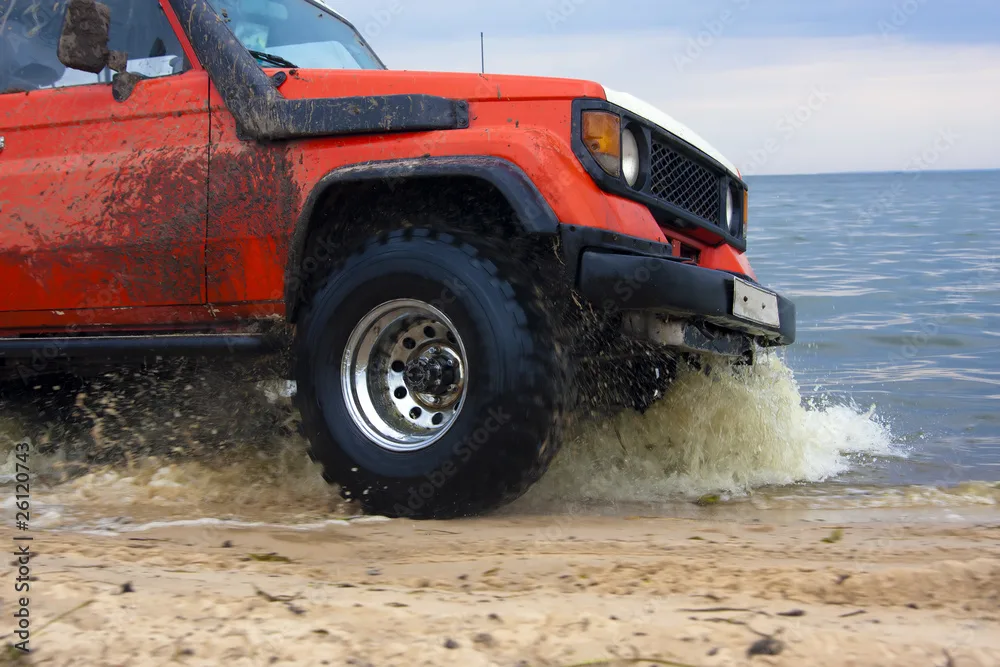
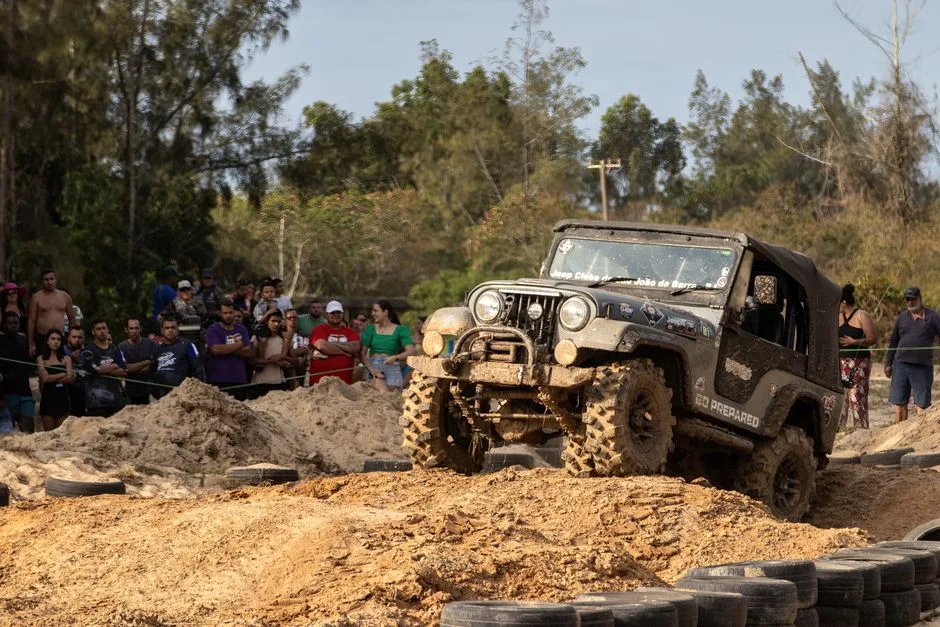
Vehicle: a reliable 4×4 is the pragmatic choice. You don’t need rock-crawler capabilities, but higher ground clearance and good suspension matter. If your rental company allows it and you’re comfortable, a compact 4×4 like a Toyota Hilux, Ford Ranger, or similar will do the job. Two things I insist on: a full-size spare and solid roadside assistance being included.
Packing: binoculars, a long-lens camera if you have one (300mm minimum), polarized sunglasses, a high-quality insect repellent, rehydration salts, and cash. Fuel is scarce between Poconé and Porto Jofre. Fill up in Poconé before you leave; do not assume there will be a pump at every lodge.
Driving style: go slow. The official speed limit is low, and the real speed limit — if the road itself could speak — would be “as wildlife dictates.” You’ll pass cattle, families of capybaras, and the occasional heron. Respect local farm traffic; motorcycles and trucks do not always slow for tourists.
Poconé, the logical gateway
Most self-drivers stage from Poconé, the last sizable town before the true wilderness. Fill the tank here, get cash (there are still many places that prefer reales in hand), and stock up on snacks and water. If you’re picky about coffee and strong internet for last-minute emails, Poconé is your last easy stop.
Local culture is strongly tied to cattle ranching. You’ll see signs for fazendas offering pousada rooms and organized safaris. These ranches are also the stewards of much of the Pantanal; many own wetlands and manage them for wildlife and cattle simultaneously. Respect private land and follow any posted access rules.
Landmarks and wildlife magnets along the way
The Trans-Pantanal is not about kilometers zipped; it’s about places you slow down and watch. A handful of spots are regular animal magnets. Rivers: the Cuiabá and Pixaim systems. Lagoons: shallow, sun-facing pools that harbor caimans and wading birds. Wooden bridges: they’re literally observation points because small animals use the cover beneath them.
Species you’ll see with high confidence: capybaras, caimans, jabiru storks, herons, egrets, osprey, toco toucans, kingfishers, and marsh-dwelling jacanas. With patience you’ll see giant anteaters and pampas deer. Jaguars are rare but more likely here than almost anywhere else — particularly in the last third of the drive near Porto Jofre where riverbank jaguar activity concentrates during the dry months.
Where to stop (short list of practical halts)
- Poconé: final services, supplies, cash, last-minute guide hires.
- First lookout lagoons (several small pullouts along the first 40–60 km): great for early birds and caimans.
- Midway fazenda pousadas: short coffee breaks, restroom stops, and a quick chance to stretch legs without intruding on private fields.
- Porto Jofre: the end-point for most travelers, where boat jaguar safaris and river lodges concentrate.
Where most self-drives go wrong
People underestimate the time. The Trans-Pantanal is 147 kilometers, but you shouldn’t treat it like a short hop; expect the full drive to take half a day or more depending on stops. People underestimate the fuel. People believe their rental insurance covers off-road mishaps when it explicitly does not. People think they’ll see a jaguar because they uploaded three jaguar photos on Instagram from last year; wildlife watching is patience work, not a photo lottery ticket.
Porto Jofre and the jaguar equation
Porto Jofre is quiet, wetland-bound, and one of Brazil’s most consistent launch points for jaguar boat safaris. Boats leave at dawn and mid-afternoon. Jaguars in this stretch are drawn to river edges to hunt capybaras and caimans when water levels are low. Guides here are practiced at reading footprints, finding the subtle signs of recent jaguar movement, and parking the boat so you get a good angle without disturbing the animal.
Note: seeing a jaguar is not guaranteed. Responsible lodges don’t chase animals for photos. They teach you to approach slowly, to turn engines off when a jaguar is on the bank, and to accept that sometimes the animals prefer shade under a bush rather than center stage in the sun.
Photography: lens choices, settings, and the art of patience
If you’re a photographer, allow me to be blunt: bring a telephoto. A 300mm is the minimum. If you want crisp bird portraits, 400–600mm is ideal. Use a monopod for stability in boats and mid-road stops.
Camera settings are situational. For birds in flight, 1/1000s or faster and a high burst rate help. For riverbank wildlife that’s stationary, 1/400–1/800s is often sufficient. In low morning light you’ll push ISO up; modern cameras handle ISO 800–1600 with grace. If you want a shallow depth-of-field to isolate a subject, open to f/5.6–f/8 on longer lenses; that keeps enough sharpness without sacrificing background separation.
Practice handoffs: if you’re traveling with someone, rotate who shoots and who scans the horizon. Wildlife shows unexpectedly and the person spotting will be as valuable as the person with the camera in hand.
Practical itinerary: four days that actually works
Here is a simple, practical plan that I’ve run for clients many times.
- Day 1 — Cuiabá/Poconé arrival: Collect vehicle, buy supplies, overnight in Poconé. Early dinner, early bed.
- Day 2 — Trans-Pantanal to Porto Jofre: Start before dawn, stop frequently, arrive Porto Jofre before dusk. Settle into a riverside pousada or lodge.
- Day 3 — Jaguar boat safari and afternoon wildlife drive: Two boat outings (dawn and late afternoon) are ideal for jaguar chances. Midday local forest or nearby trails.
- Day 4 — Return to Poconé or continue regional travel: Reverse the drive at a more leisurely pace or stay another night if you missed any photographic goals.
That schedule gives you time to adapt to the road, and to the moods of the animals. Don’t overbook yourself.
Money, permits, and local fees
Cash still rules in many Pantanal corners. Bring reais for small purchases, tips, and any entrance fees at private fazendas. Some lodges accept cards, but connectivity is inconsistent; don’t expect reliable machines. Entry permits to public federal parks are not routinely required to drive the Trans-Pantanal, but private fazendas often charge a small visitor fee for access or to use their observation hides. Expect to pay these in cash.
Food, lodgings, and local flavors
Expect simple, generous food — beans, rice, beef or fish, salads, and a strong coffee. Breakfasts at fazendas are honest and filling: fresh bread, eggs, local fruit, and often jus de caju (cashew juice) if you’re lucky. Pousadas range from basic family-run rooms to riverside lodges with guided packages. Book lodgings in Porto Jofre in advance if you’re traveling during the dry season; availability tightens quickly.
Safety and health: simple precautions that save time
Don’t drive at night. Animals and cattle move across the road after dark; a collision is a trip-ender. Bring a first-aid kit, antihistamines, and prescription medications with you. Mosquitoes are part of the scenery; carry repellent with DEET or picaridin and sleep under screens or nets if your room lacks tight-fitting doors.
Cell coverage is patchy. Tell someone your plan and expected arrival times before you leave Poconé. If you rely on GPS, download offline maps; signal blackouts are real and common.
Respectful wildlife viewing: rules I insist my guests follow
Keep windows partly up if you’re near caimans and capybaras: curious dogs and people have low impulse control. Don’t feed animals. Stay on the road unless a guide tells you otherwise. If a guide asks you to turn off your engine during a sighting — do it. Never try to get the animal to move for a better photo. Being able to walk away is part of the privilege of visiting this place.
What to do if something goes wrong
Flat tires are the most common mechanical hiccup. Carry two spares if you can and know how to change one under pressure. If you break down on the highway, raise your hood, set warning triangles if you have them, and wait for a local truck or a fazenda pickup. People who live here are used to road troubles and are often the best and fastest help. Keep the contact number of your rental company and a local guide; they will often dispatch help faster than an international call center.

Photo by Imago Photo via Adobe Stock
Hidden gems and local tips I only share with repeat guests
1) Dawn on minor side channels: leave the main road for a short drive onto a narrow track (only when your rental agreement allows) and you’ll often find small herds of deer and anteaters. They disappear by mid-morning.
2) Ask a rancher about recent jaguar tracks: locals will often point to the right river bend if you chat politely — they read signs that casual tourists miss. Take care to return the favor: buy a coffee, leave a tip, or hire them for a guided walk for half a morning.
3) Afternoon light on lagoons is superior for bird photography. If you plan your day around light, not miles, your photos will thank you.
How to combine the Trans-Pantanal with other Brazilian highlights
The Trans-Pantanal is a long detour from the standard Rio–Salvador–Foz itinerary, but it’s accessible from Cuiabá (airport code CGB), which has regular flights from São Paulo and Brasília. Many travelers pair a Pantanal leg with a few nights in Bonito (for freshwater snorkeling and caves) or take a domestic flight onward to the Amazon from Cuiabá. If you’re in São Paulo, a one-way internal flight to Cuiabá saves a lot of highway time.
Why this road still matters
The Trans-Pantanal is a working landscape. You will see cattle, fences, and signs of human life mixed with wild life. That juxtaposition is what conservation in the Pantanal looks like: private landowners, small pousadas, and ecotourism operators balancing livestock with wildlife corridors. Driving the road if you do it respectfully sends economic value into that balance — paying local guides, hiring porters, staying in family pousadas, and buying local food keeps livelihoods tied to conservation outcomes.
Last practical checklist before you leave Poconé
- Fuel tank full
- Spare tires (at least one), jack, and tire repair kit
- Cash in reais
- Camera battery fully charged + spare memory cards
- Binoculars and polarized sunglasses
- Copy of rental agreement clarifying road permissions
- Insect repellent and sunscreen
One small, stubborn piece of advice
Slow down. That sounds obvious, and yet people rush. The Pantanal is not a place for speed. The slower you go, the more the place reveals itself: a snake cooling under a log, a sunning caiman, an osprey rearranging its catch. The Trans-Pantanal gives back exactly what you are willing to give it — time, attention, and care. If you leave with a handful of images, a handful of stories, and the knowledge that you waited long enough for the animals to be themselves, you did it right.