
A first look: why Alter do Chão feels like the Caribbean inside the Amazon
Walk onto any of Alter do Chão’s seasonal white-sand beaches and you will understand the comparison. The sand is powdery and almost surgical-white; the water—freshwater from the Tapajós River—takes on a startling turquoise in the right light, framed by dense green rainforest instead of palms and hotels. That contrast—amazon forest meeting beach—creates scenes that foreign travelers often call the Amazonian Caribbean. It’s an odd, irresistible beauty: river beaches you can swim in, sandbars that grow and shrink with the river, and an intimacy with the landscape that ocean resorts simply don’t offer.

Timing your trip: read the river’s calendar
The Tapajós fluctuates with the rains. There are two very different Alter do Chãos depending on when you arrive. From roughly December to June the river rises, swallowing beaches and turning sandbars into islands. From about July to November the water drops; beaches stretch out for hundreds of meters, and little lakes and emerald pools appear. For the classic “Caribbean” look, plan for the low-water months: August through October give you the largest expanses of sand and clearest bathing lagoons.
If you’re drawn by culture, aim for late September when the Sairé festival takes place. Sairé is a centuries-old celebration mixing indigenous traditions and Catholic elements: colorfully costumed processions, theatrical mock battles, and river blessings. It’s one of the best ways to see local identity on full display—loud, proud, and very Alter do Chão.
Getting there: straightforward, with a touch of adventure
Alter do Chão is a little village about thirty-some kilometers from Santarém, in the state of Pará. Most international visitors fly into Santarém–Maestro Wilson Fonseca Airport (STM) from Brasília, Belém, or connecting hubs in Brazil. From Santarém you have three practical options to reach Alter do Chão: a 30–50 minute taxi or transfer by road; a regional shuttle or shared van (collectivo); or a scenic boat ride along the Tapajós if you prefer to arrive by water. Road transfers are common and convenient—expect a short stretch of rural road once you leave the main highway—but save time by confirming pickup with your pousada in advance.
If you’re already traveling within Pará, Alter do Chão works well as a stop when visiting other Amazon highlights around Santarém. Boats and local operators also run day trips to nearby river communities and islands, perfect for layering a few short excursions onto a base in Alter do Chão.
Where to rest: choosing a place that matches your travel style
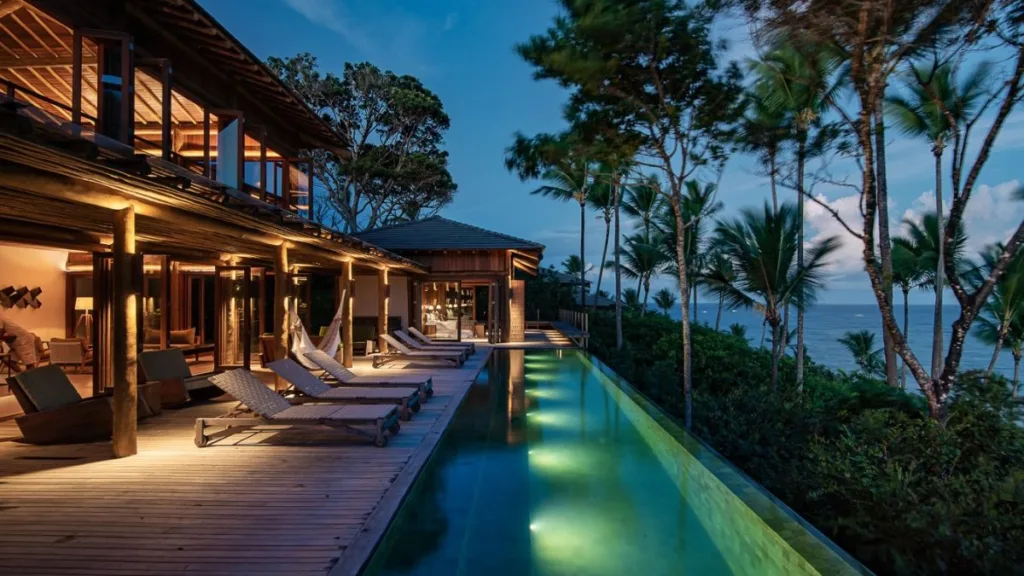
Accommodation ranges from cozy riverside pousadas (Portuguese for guesthouses) with hammocks and breakfast on the veranda to low-key hostels and a few mid-range hotels. Riverside pousadas sell the dream of waking to river noises and stepping onto sand within minutes. Look for places that advertise mosquito nets, secure luggage storage, and a riverfront terrace—those small comforts make a difference in the hot, humid climate.
Expect basic but comfortable amenities: many places have reliable breakfasts and friendly staff who will arrange boat trips and local guides. Card machines sometimes fail here, so carry cash (Brazilian reais) for smaller purchases and tips. Wi‑Fi quality fluctuates; choose a property if you need steady internet. Power outages are uncommon but possible in more remote pousadas—if that’s a concern, a charged power bank is useful.
What’s on your plate: authentic Pará flavors
Eating in Alter do Chão is a highlight. The region’s cuisine mixes indigenous ingredients, river fish, and northern Brazilian staples. Try tacacá—a hot, tangy soup served in a cuia (gourd) often enjoyed as a street food farther upriver. Order grilled river fish like tucunaré or tambaqui when available; fish is usually fresh and simply prepared so you taste the river.
Açaí in Pará is different from the sweet bowls popular elsewhere; locals commonly eat it savory or alongside manioc and dried fish. Also sample regional fruits—cupuaçu, bacuri—if you see them at markets. The village has small riverside kiosks that serve fish, rice, fried plantain and cold drinks. For a night out, the bars on the sand come alive at sunset: expect chilled drinks, live music, and the sound of the river as your background track.
Days well spent: beaches, waterways, and forest trails
There’s an addictive variety of ways to experience the landscape. A few staples you’ll want to include:
- Ilha do Amor / Praia do Amor: This famous stretch of sand is the social heart of Alter do Chão. On low-water days the sandbar is huge and perfectly shallow for long swims and floating in emerald water. Boat trips from the village take you there in minutes for an easy, sun-soaked day.
- Pindobal and nearby beaches: A quick boat ride or bike trip will bring you to quieter beaches lined with palm shade and clusters of local kiosks. These spots are great for afternoon relax time and watching dramatic Amazon sunsets.
- Kayaking and paddleboarding: The calm, clear pools that form in low water are perfect for SUP or kayaking. Bring or rent a board to explore narrow channels and secret coves only accessible by small craft.
- Birdwatching and jungle walks: The forest edge holds surprising biodiversity. Join a local guide who can lead walks where you’ll likely see toucans, kingfishers, herons, and a range of smaller forest birds. Guides also explain the ecology of the floodplain—how plants and animals adapt to the river’s rhythm.
- Day trips to Tapajós National Forest: Organized trips bring you deeper into the Tapajós National Forest (Floresta Nacional do Tapajós) where regulated trails and riverfront clearings offer more extensive jungle immersion and educational conservation perspectives.
Beyond nature, schedule time for cultural encounters. Local artisans sell handmade goods and cassava products; a responsible visit to a riverine community teaches about daily life on the Tapajós and supports local economies. Many operators offer combined boat-and-community tours—choose respectful guides who emphasize consent and fair pay.

Practical safety, health, and respectful travel
Traveling in the Amazon has a few practicalities that differ from beach resorts. Health-wise, get advice from a travel clinic before you go: yellow fever vaccination is recommended for the Amazon region, and a clinician can advise about malaria prophylaxis based on your itinerary. Bring insect repellent with DEET or picaridin, long sleeves for dusk and dawn, and a basic first-aid kit. Drink filtered water—many pousadas provide treated water or will sell bottled water; consider a portable water filter or purification tablets if you plan extended river trips.
Environmentally, Alter do Chão faces pressures from tourism. Be deliberate: avoid single-use plastics, dispose of trash responsibly, and use reef-safe sunscreen (freshwater ecosystems are sensitive too). Follow local signage on protected areas and never remove sand, plants or artifacts. Respect local culture—ask permission before photographing people, especially elders and community events, and buy souvenirs directly from artisans so benefits reach the makers.
For personal safety, standard precautions apply: don’t leave valuables unattended on the beach, stay in well-lit areas after dark, and confirm transport arrangements with your pousada. River currents can be deceptively strong in some areas; only swim in recommended spots and avoid swimming alone at night.
Packing smart: small items that make a big difference
Clever packing lets you enjoy the place without fuss. Essentials include light, breathable clothing that dries quickly; a strong sun hat; reef shoes or water sandals for moving on hot sand and rocky shallows; and a lightweight rain jacket—tropical showers can be intense and short-lived. Bring a good mosquito net or choose accommodation that provides one, and pack a power bank because some remote pousadas have limited outlets.
Other useful items: a dry bag for your phone and documents on boat trips, a reusable water bottle with a filter if you prefer, a small flashlight or headlamp, and binoculars for birding. If you like snorkeling or personal paddle gear, bringing compact equipment guarantees you’ll use it; rentals exist but can be limited in high season.
Timelines and budgets: how to plan length and cost
A long weekend (3–4 nights) gives you a satisfying taste of beaches and a day trip or two. A week allows for deeper exploration—time to visit Tapajós National Forest, take a community tour, and soak up more of the rhythm of river life. If your itinerary involves connecting to other Amazon destinations, use Alter do Chão as a relaxed base between busier excursions.
Budget-wise, Alter do Chão can be very affordable if you favor simple pousadas, local food, and shared transfers. Mid-range travelers who choose private transfers, guided jungle walks, or multiple boat trips should budget more. Keep local currency on hand for snacks, tips, and small purchases; while larger pousadas and hotels accept cards, many kiosks and boat operators prefer cash.
Why Alter do Chão is a traveler’s reset
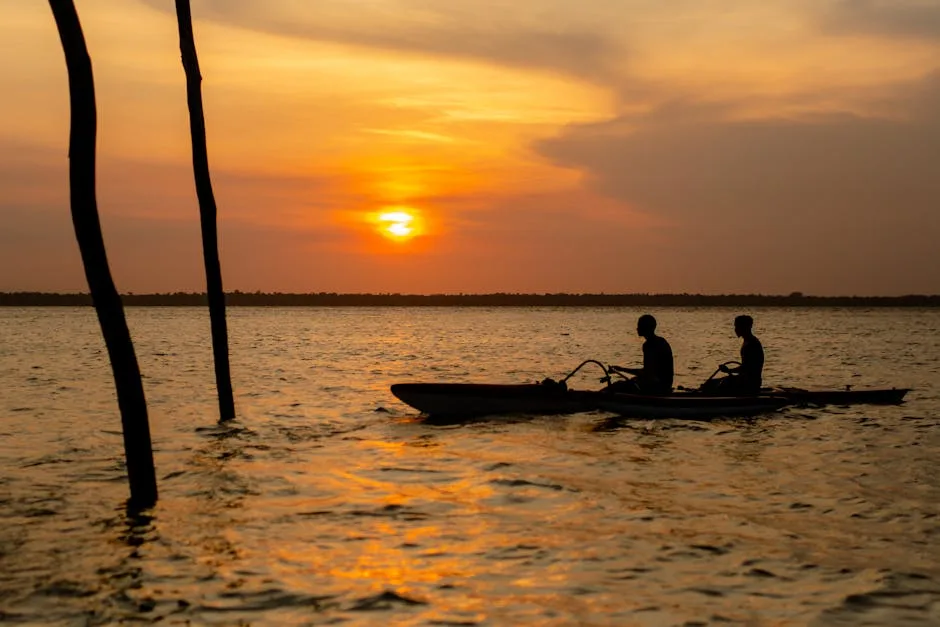
This place has a rare emotional effect on visitors. There’s no pretense: the town is small, the beaches often quiet, and the rhythm follows the river. It’s the kind of destination that slows you down—time measured by tide and light, not by timetables. You can spend mornings snorkeling and afternoons wandering market lanes, then watch a long sunset with locals lighting the beach with bonfires and music drifting across the water. For foreigners wanting to know Brazil beyond big cities and famous icons, Alter do Chão offers a clear window into Amazonian life: wild, welcoming, and quietly proud.
Pick the right season, pack sensibly, and show up with curiosity and respect. The Tapajós will do the rest—offering a stretch of sand where the river feels like sea and the forest like a living neighbor.
Quick reference checklist
- Best months: August–October for low water and full beaches; Sairé festival in late September.
- Main access: Fly into Santarém (STM), then road transfer or boat to Alter do Chão (approx. 30–50 minutes).
- Must-do: Ilha do Amor, Pindobal beaches, Tapajós National Forest day trip, a riverine community visit.
- Health: Yellow fever vaccine recommended; consult a travel clinic about malaria.
- Packing: light quick-dry clothing, insect repellent, reef shoes, cash in reais, dry bag, power bank.
Alter do Chão rewards simple attention. Sit on the sand and listen long enough and you’ll notice tiny things: a kingfisher’s flash, a fisherman navigating a channel, a child chasing a crab. Those details reveal why travelers return—this is a place that looks like the Caribbean for a reason, but keeps its Amazonian heart. If you’re planning a Brazil trip that wants both beach time and real Amazon experiences, make space in your itinerary for this village on the Tapajós. You’ll leave with sun on your shoulders and a quieter kind of wonder in your suitcase.