
I was elbow-deep in a bowl of tacacá
I was elbow-deep in a bowl of tacacá at a tiny stall near Ver-o-Peso when a woman beside me squeezed a lime over her portion and winked. The soup—golden, slippery tucupi broth with bright-green jambu leaves that made my lips tingle—felt like a local handshake: unfamiliar at first, then immediately generous. If you arrive in Belém expecting only Amazonian postcards, this moment will punch a hole through those expectations. Food here is the map and the compass. It tells you who arrived centuries ago, which rivers braided the land, and which flavors survived colonial kitchens to become daily life.

Why Belém is more than a stopover
Belém is the capital of Pará and the logical first touchpoint for anyone entering Brazil from the northern rivers. But calling it a mere gateway understates what the city gives you: a sustained assault on the senses that reorders your idea of Brazilian cuisine, a riverine urban pulse, and a hybrid culture where Indigenous, African, and Portuguese threads are visibly braided. Streets smell of smoke and citrus. Markets roar. Church bells and boat horns create a soundtrack no guidebook can capture.
The market that tells Belém’s biography
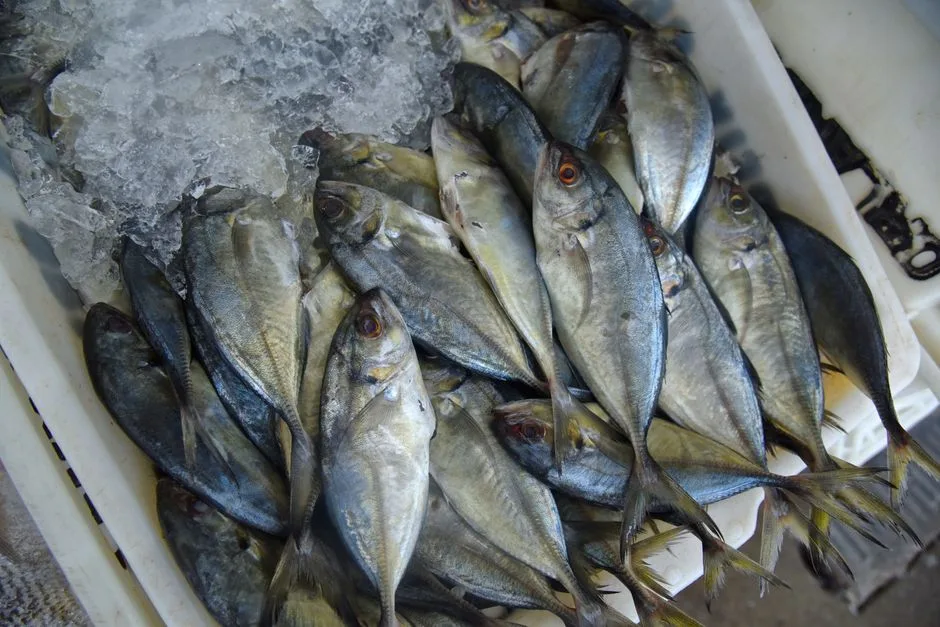
Walk into Ver-o-Peso—Belém’s sprawling riverside market—and you’ll understand how the city built itself around trade. The stalls are a living archive: fresh fish landed that morning from local tributaries; bright piles of tucupi and dried shrimps; sacks of cassava flour and strange fruits with names you’ll only learn by pointing and smiling. Vendors will call you over. Ask questions. You’ll leave with a little bundle of tucupi in a plastic bag, instructions on how to make tambaqui fillets at home, and the sense that food here is a conversation, not a commodity.
Gastronomy you can’t file under ‘typical’
Belém’s culinary scene keeps two promises. First, it is unapologetically Amazonian: local ingredients drive the menu. Second, it insists on complexity—long, insect-ridden supply chains were replaced centuries ago by kitchens that coax deep flavor from manioc and river fish. Eat here without trying tucupi or jambu, and you will have missed the region’s center of gravity.
Essential dishes and how to approach them
Tacacá: Served piping hot in a to-go cup or a bowl, this is a wintery soup for humid weather—strange but perfect. Tucupi is the fermented yellow broth; jambu is the electric herb. If your lips go numb, you are doing it right. Eat it with a wooden spoon and accept the communal awkwardness of slurping in public.
Pato no tucupi: Duck braised in tucupi and served with rice; ceremonious, tangled flavors. It shows Belém’s capacity to turn an odd ingredient into a regional signature.
Maniçoba: Think of it as a feijoada’s Amazon cousin—tapioca leaves boiled for days with salted meats until they melt into a savory, dark-green mass. It’s a dish for gatherings and patience; restaurants often serve it on weekends or special dates.
Açaí here is not a sweet smoothie bowl. In Pará, açaí has an almost savory profile and is commonly paired with dried fish or manioc. Try it as the locals do—scooped into a bowl, salty, dense, and utterly mismatched with the açaí bowl stereotype tourists import from southern Brazil.
Street food etiquette and cheap thrills
Street stalls deliver some of the most honest flavors. Eat standing. Wash your hands beforehand. Bring cash. Vendors will rarely insist on English, so point, smile, and mimic. You’ll also learn quickly which stands respect hygiene and which you’ll sample only out of curiosity. Trust your instincts; my rule of thumb: busy stalls with a local crowd equal safer choices.
More than food: markets, museums, and music
Belém’s cultural attractions orbit around water and trade. The Theatro da Paz, a regal 19th-century opera house, offers moments of old-world grandeur—a reminder of Pará’s rubber-boom era wealth. The Museu Paraense Emílio Goeldi acts as a gateway to scientific and Indigenous histories, with exhibits that show how European naturalists cataloged Amazonian biodiversity and how that cataloging intersected with local knowledge.
Where the river becomes city life
Estação das Docas, a converted port complex, is where urban leisure meets riverfront trade—restaurants, bars, and river views. Go for late afternoon. The light softens, boats come and go, and families stroll. Mangal das Garças, a small ecological park in the city, lets you see herons and local flora without leaving the urban grid.
Marajó: island rhythm and buffalo cheese
Take a ferry from Belém to Marajó and the landscape shifts: the enormous delta unspools into interlaced channels, sand bars, and shallow lakes. Marajó’s buffalo herds produce a distinct, creamy cheese—queijo de búfala—that local makers age and sell in markets. The island’s culture tilts slower: artisans carve wood, women weave, and carimbó music moves bodies in a wide, swaying rhythm.
What to do on Marajó
- Try buffalo cheese paired with tapioca pancakes.
- Hire a local guide who will take you to quilombola communities and artisan workshops.
- Bring rain boots. The terrain flips between dry sand and mud depending on tide and season.
Going deeper: river travel and small lodges
From Belém you can book river trips that go into the Amazon’s tributaries—short stays in jungle lodges where your days are made of dawn piranha fishing, canoe trips, and night walks to hear frogs and insects. Lodges vary widely in comfort and price, but they share one promise: proximity to water. Prepare to be humbled. The forest feels larger than any plan you carry.
Tips for choosing a lodge
Pick a lodge where guides are from local communities. Their knowledge—where to find fish, which trails are safe, which plants heal—beats any glossy brochure. Check what is included: meals, transfers by boat, mosquito nets, and whether the lodge supports sustainable harvests or community projects. Ask the lodge directly about their waste management; in river environments, it matters.
Practicalities: when and how to go
Belém has an air of year-round humidity. If you prefer fewer clouds and easier trekking, aim for the drier months—when trails firm up and mosquitoes ease. If you prefer dramatic river levels and flooded forests where canoeing becomes the primary mode of transport, time your trip for higher water. Both are valid; both offer wildly different Amazon experiences.
Getting around Belém
Taxis and app-based ride services are the quickest way to move across the city, but part of Belém’s personality is best seen by boat. Short river trips and ferries are how locals commute to some neighborhoods and islands. Keep small bills for market purchases and give yourself leeway in timing—boats and ferries often leave when they’re full, not on a strict schedule.
Seasonal notes that matter
Expect rain and be prepared: a light, quick-drying jacket, waterproof bags for electronics, and shoes that can dry fast. If you’re visiting during festival season, book early. Pilgrimages and cultural events change local rhythms—streets fill, restaurants close earlier, and hotel prices spike.
Festivals, faith, and the river’s pageantry
The Círio de Nazaré is Belém’s defining festival—a vast, devotional procession honoring Our Lady of Nazareth every October. The city becomes one long pilgrimage route. Participating isn’t a voyeuristic spectacle; it’s an immersive civic ritual. Even if you’re not religious, the scale and public intimacy of the event are unforgettable: candles, chants, and people moving with a communal purpose that temporarily redraws urban life.
Other cultural expressions
Carimbó music and dance are local treasures. Expect percussive rhythms, flowing skirts, and a dance vocabulary born from riverine life. Seek a live performance over recorded tracks; the interaction between dancers and musicians reveals how music and community sustain each other here.
Language, manners, and small customs
Portuguese is spoken everywhere, and a few phrases will change how you’re received. A simple “bom dia” or “obrigado/a” opens doors. But you’ll also hear Indigenous words for plants and dishes—learn those names if you can. When eating in informal places, locals might share food from a single bowl. If that happens, follow their lead. Belém’s culture values sharing; it’s a daily habit, not a tourist show.
Where to eat: a local guide
I avoid listing specific restaurants like they’re trophies. Instead, here are practical signals that a place is worth your time:
- Look for houses or shacks with local crowds at mealtime.
- Menu items that sound odd to you—pato no tucupi, maniçoba—are promising.
- A kitchen visible from the street or open windows suggests freshness and local confidence.
Early morning market stalls serve the best tacacá and river snacks. For dinner, riverfront spots offer sunset views and menus that frame local ingredients. Don’t shy from asking how a dish is prepared; chefs and vendors often love to explain and will happily help you decode the flavors.
Shopping: what makes a good souvenir
Handicrafts from Pará reflect riverine life: carved wooden utensils, woven baskets, and pieces dyed with natural pigments. Buy directly from artisans when possible. Marajó crafts are particularly strong—look for buffalo leatherwork and wood carvings. Food items that travel well—dried shrimps, manioc flour, packaged tucupi—make practical edible souvenirs. Pack them separately from clothes to avoid spills.
Safety and health basics
Belém is a major city with neighborhoods that vary widely. Use the same common-sense precautions you would in any urban center: avoid poorly lit streets at night, keep valuables discreet, and ask local hosts which areas to skip. For health, bring insect repellent and any necessary medications in your carry bag. Stay hydrated. If you plan river trips or lodge stays, check whether vaccinations are recommended for travel to remote Amazon areas and consult a travel clinic before departure.
Why Pará’s food identity matters beyond the plate
Every time you eat tucupi or açaí in Belém, you taste ecological and cultural histories. The ingredients are maps: manioc shows Indigenous agricultural systems; tucupi reveals fermentation knowledge that predates colonial kitchens; jambu signals plant-based pharmacology—local people used this herb long before it showed up on restaurant menus. Understanding these dishes means acknowledging humans have practiced sophisticated food systems here for centuries.
One meal I still think about
I remember a dinner on a humid night: a small casa de farinha where a family served maniçoba and buffalo cheese from Marajó. We sat on plastic chairs under a bare bulb. The eldest in the family told stories while we ate; the meat pieces melt into the maniçoba like punctuation. No Michelin star framed the dish. It didn’t need framing. The food enforced a truth: Belém’s best meals refuse to be polished for tourists. They remain stubbornly local, and they insist you meet them on their terms.

How to leave Belém with respect
When you leave, don’t treat Belém like a checklist. If you loved a cook’s method, ask for the recipe. If you bought crafts, ask about the artisan’s family. Small conversations ripple. The city remembers how you treated it. Gift a good tip, share a phrase in Portuguese, and buy directly from vendors when possible. These tiny acts are the currency of respect here.
A concrete takeaway
If you take one practical thing from this: build your travel plans around meals and markets. Block mornings for Ver-o-Peso and afternoons for riverfront walks. Take at least one overnight trip to Marajó or a nearby lodge. Above all, let the region’s flavors lead you—do not try to fit Belém into a preconceived version of Brazil. The city will rearrange your expectations, and you’ll be better for it.