
- The Grand Tapestry: Why Brazil's Culinary Scene is So Diverse
- A Land of Giants: Geographical Immensity
- A Confluence of Cultures: Historical Influences
- The Cradle of Uniqueness: Cultural Isolation and Development
- A Taste of Brazil: Exploring Unique Regional Flavors
- The Sun-Kissed Flavors of the Northeast (Nordeste)
- The Melting Pot of the Southeast (Sudeste)
- The Gaucho Grills of the South (Sul)
- The Amazonian Wonders of the North (Norte)
- The Heartland Flavors of the Central-West (Centro-Oeste)
Imagine a country so vast, so rich in history and natural beauty, that its food tells a different story in every corner. That’s brazil for you! Far from a single, monolithic ‘brazilian cuisine,’ this vibrant nation boasts an incredible tapestry of regional dishes, each with its own soul, ingredients, and unique history. It’s like traveling through several distinct culinary worlds without ever leaving its borders. So, pull up a chair, and let’s embark on a delicious journey to understand why Brazil’s food scene is such a magnificent kaleidoscope of flavors.
The Grand Tapestry: Why Brazil’s Culinary Scene is So Diverse
To truly grasp the magic behind Brazil’s regional cuisines, we need to look at its foundational pillars: its immense geography, its rich historical melting pot, and the unique isolation that allowed these flavors to blossom.
A Land of Giants: Geographical Immensity
Brazil isn’t just a big country; it’s a continent unto itself. Covering an area larger than the contiguous United States, its diverse biomes range from the impenetrable Amazon Rainforest to the arid Northeastern sertão, the vast wetlands of the Pantanal, the rolling plains of the South, and the fertile coastal strips. Each region offers distinct indigenous ingredients:
- Amazon Basin (North): Home to unique fish like pirarucu, exotic fruits like açaí and cupuaçu, and native herbs.
- Atlantic Forest (Southeast/Northeast): Rich in coastal seafood, tropical fruits, and diverse vegetables.
- Cerrado (Central-West): Offers unique native fruits like pequi and cagaita, and diverse game.
- Caatinga (Northeast): Arid region, with hardy plants, goats, and dried meats.
- Pampas (South): Ideal for cattle ranching, leading to a strong meat culture.
This natural bounty meant that early settlers and indigenous populations had radically different raw materials to work with, laying the groundwork for distinct culinary traditions.
A Confluence of Cultures: Historical Influences
Brazilian cuisine is a delicious dialogue between three primary cultures, with significant contributions from later immigrant waves:
- Indigenous Roots: Before any colonizers arrived, the land was home to numerous indigenous tribes, each with their own diets based on local flora and fauna. Manioc (cassava/yuca), corn, sweet potatoes, and various native fruits were staples, forming the bedrock of many Brazilian dishes. Techniques like slow cooking in clay pots and smoking meats are ancient indigenous practices.
- Portuguese Colonization: The arrival of the Portuguese brought European ingredients and cooking methods. They introduced cattle, pigs, chickens, rice, wheat, sugar cane, and a host of spices like cloves, cinnamon, and pepper. Their influence is seen in the use of olives, olive oil, dried salted cod (bacalhau), and the love for elaborate sweets and pastries.
- African Heritage: Enslaved Africans brought not only their culinary traditions but also new ingredients and techniques, particularly to the Northeast. Palm oil (dendê), okra, malagueta peppers, yams, and black-eyed peas became integral. Their methods of stewing, frying, and seasoning with rich, complex flavors gave birth to some of Brazil’s most iconic dishes.
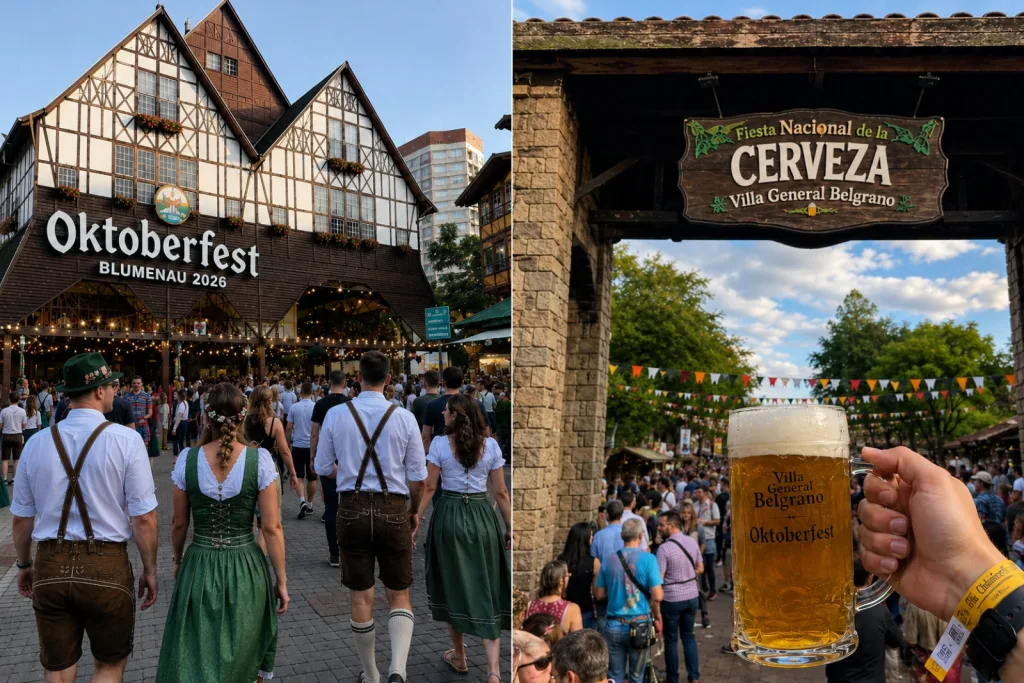
Beyond these foundational three, waves of immigrants from the 19th and 20th centuries further diversified the culinary landscape. Italians brought pasta and pizza, Germans introduced sausages and beer, Japanese immigrants revolutionized fish consumption and introduced their own dishes, and Middle Eastern communities added their spices and preparations. These influences weren’t evenly spread, meaning specific regions absorbed different traditions more profoundly.
The Cradle of Uniqueness: Cultural Isolation and Development
For centuries, travel within Brazil was arduous. Mountains, dense forests, and vast distances meant that communities often developed in relative isolation. What might be a staple in one state could be completely unknown a few hundred miles away. This lack of easy communication allowed culinary traditions to develop organically and uniquely in each corner of this massive country, fostering a truly localized food culture that continues to thrive today.
A Taste of Brazil: Exploring Unique Regional Flavors
Let’s dive into some of Brazil’s major culinary regions and discover what makes each one so distinctively delicious.
The Sun-Kissed Flavors of the Northeast (Nordeste)
The Northeastern region, particularly Bahia, is perhaps the most famous for its vibrant, spicy, and often seafood-centric cuisine, heavily influenced by its strong Afro-Brazilian heritage.
- Characteristics: Expect bold flavors, liberal use of dendê (palm oil), coconut milk, fresh and dried seafood, and fiery malagueta peppers. Dried beef (carne de sol or carne-seca) is another staple, born from the need to preserve meat in the hot climate.
- Signature Dishes:
- Acarajé: A deep-fried patty of mashed black-eyed peas, often split and filled with vatapá (a creamy shrimp and bread paste), caruru (okra stew), and dried shrimp. A true street food icon.
- Moqueca Baiana: A rich, slow-cooked fish or seafood stew made with coconut milk, dendê oil, bell peppers, tomatoes, and onions. It’s a gentle warmth that delights the palate.
- Baião de Dois: A hearty dish of rice and beans cooked together, often with cheese, dried meat, and sometimes greens.
- Uniqueness: The profound influence of African culinary traditions, combined with coastal abundance and the necessity of preserving food in a hot climate, defines the region’s distinct profile.
The Melting Pot of the Southeast (Sudeste)
The Southeast, home to megacities like São Paulo and Rio de Janeiro, and the historical state of Minas Gerais, showcases a more varied and often urbanized cuisine, reflecting its diverse immigrant populations and agricultural bounty.

- Characteristics: This region is a true culinary melting pot. Minas Gerais is famous for its comfort food, dairy products, and slow-cooked dishes. São Paulo boasts a dynamic fusion of Italian, Japanese, and Portuguese influences. Rio de Janeiro offers a mix of urban sophistication and traditional Brazilian staples.
- Signature Dishes:
- Feijoada: Often considered Brazil’s national dish, this hearty black bean stew with various cuts of pork and beef is a truly iconic, slow-cooked delight, typically served with rice, farofa (toasted cassava flour), collard greens, and orange slices.
- Pão de Queijo: Delicious, cheesy tapioca starch bread rolls, a beloved snack originating from Minas Gerais. They are naturally gluten-free and incredibly addictive!
- Virado à Paulista: A robust São Paulo dish featuring pork chops, tutu de feijão (bean paste), collard greens, fried plantains, and a fried egg.
- Coxinha: A popular teardrop-shaped fried snack, typically filled with shredded chicken and cream cheese.
- Uniqueness: The sheer volume of diverse immigrant communities combined with historical agricultural wealth has created a highly adaptable and evolving cuisine, offering everything from rustic farm-to-table fare to sophisticated urban dining.
The Gaucho Grills of the South (Sul)
In the Southern states, the culinary landscape shifts dramatically, reflecting its colder climate, vast cattle ranches, and strong European immigrant influences, especially German and Italian.
- Characteristics: Meat, especially beef, takes center stage, prepared churrasco-style (Brazilian barbecue). Hearty, warming dishes and a strong baking tradition are also prevalent.
- Signature Dishes:
- Churrasco: The quintessential Brazilian BBQ. Large cuts of meat (picanha, costela, maminha) are slow-roasted over open flames or embers, often seasoned only with coarse salt. It’s more than a meal; it’s a social event.
- Chimarrão: While not a food, this traditional South American infused drink of yerba mate, sipped from a cuia (gourd) with a bomba (metal straw), is central to Southern culture.
- Cuca: A sweet, crumbly cake, clearly showing German influence, often topped with fruits or streusel.
- Galeto: Small grilled chickens, often served in Italian-influenced restaurants.
- Uniqueness: The gaucho (cowboy) culture and abundant cattle, combined with European baking and charcuterie traditions, result in a robust, meat-centric cuisine with comforting side dishes.
The Amazonian Wonders of the North (Norte)
The Northern region, nestled deep within the Amazon Rainforest, offers perhaps the most distinct and indigenous-influenced cuisine, relying heavily on the bounty of the forest and its mighty rivers.
- Characteristics: Freshwater fish, unique fruits, and native herbs dominate. Expect exotic and often surprising flavors, with a strong emphasis on ingredients like tucupi (a yellow sauce extracted from wild manioc), jambu (a leafy green that causes a tingling sensation), and açaí, often consumed in savory forms.
- Signature Dishes:
- Tacacá: A warming, slightly sour, and spicy soup made with tucupi, jambu, dried shrimp, and tapioca gum. The jambu provides a unique tingling sensation in the mouth.
- Pato no Tucupi: Duck cooked in tucupi sauce, also with jambu, a traditional and iconic dish, especially during festive seasons.
- Maniçoba: Often called ‘feijoada sem feijão’ (feijoada without beans), this dish is made from the toxic (but slow-cooked to safety) leaves of the manioc plant, stewed with various cuts of pork and beef for several days.
- Açaí (savory style): In the North, açaí is often eaten unsweetened, as a savory accompaniment to fish or dried shrimp, a stark contrast to the sweetened, granola-topped bowls popular elsewhere.
- Uniqueness: An unparalleled connection to the Amazonian ecosystem, utilizing ingredients found nowhere else, resulting in a truly unique and ancient flavor profile.
The Heartland Flavors of the Central-West (Centro-Oeste)
The Central-West, encompassing the vast plains and the Pantanal wetlands, presents a cuisine that’s a fascinating blend of indigenous, Mineiro (from Minas Gerais), and Paulista influences, with a strong focus on beef and freshwater fish from its extensive rivers.
- Characteristics: Hearty, often simple but flavorful dishes, utilizing ingredients like pequi (a distinctive, strong-flavored fruit), rice, beans, and fresh river fish. Beef from the region’s massive ranches is also a staple.
- Signature Dishes:
- Arroz com Pequi: Rice cooked with pequi, a fruit with a very distinct taste and aroma that is beloved in the region.
- Galinhada: A rustic chicken and rice dish, often cooked with pequi and other regional vegetables, a true comfort food.
- Mojica de Pintado: A traditional stew from the Pantanal, made with pintado (a local freshwater fish) and manioc.
- Sopa Paraguaia: Despite its name (meaning ‘Paraguayan Soup’), this is actually a savory corn and cheese cake, popular in Mato Grosso do Sul due to its proximity to Paraguay.
- Uniqueness: A blend of influences from neighboring states and countries, combined with the unique ingredients of the Cerrado and Pantanal, creating a cuisine that is both familiar and distinctly regional.

From the fiery, coconut-infused stews of the Northeast to the smoky grilled meats of the South, and the exotic Amazonian fruits of the North, Brazil’s culinary landscape is a testament to its immense scale, rich history, and the beautiful blending of cultures. Each bite tells a story, a unique chapter in the grand narrative of Brazilian identity. So, next time you think of Brazilian food, remember that you’re not just thinking of one cuisine, but an entire world of flavors, waiting to be explored!