

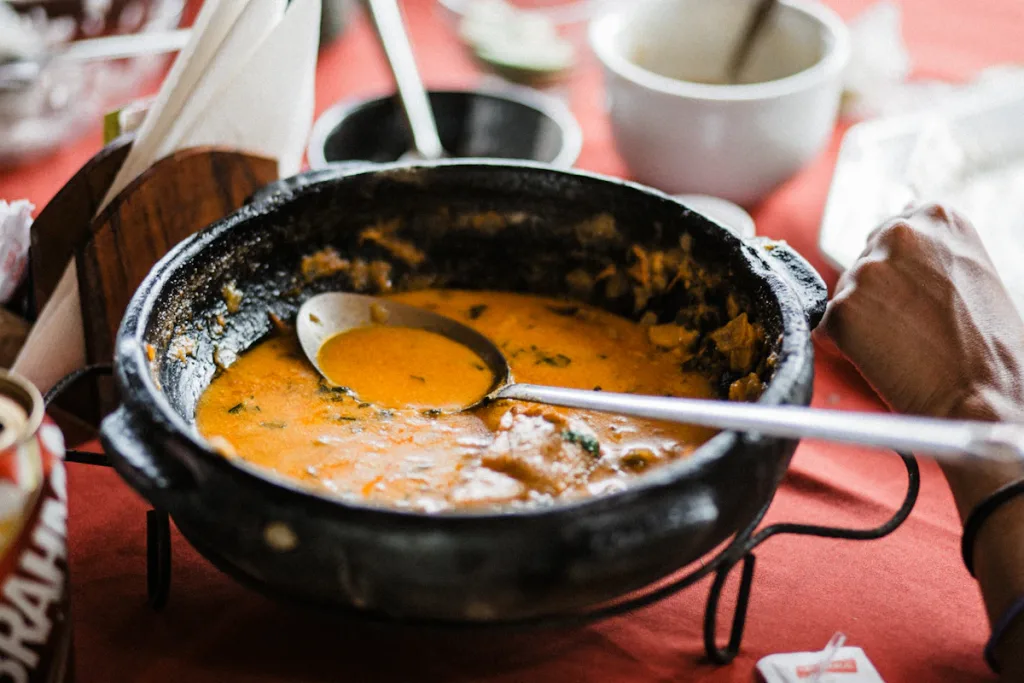
Why Brazilian winter food feels like a hug
Brazil surprises many visitors with how cozy its cold-season cuisine can be. When temperatures drop — especially in the South and highlands between May and August — kitchens fill with stews, soups, warm breads, and fragrant drinks that chase away damp chill. If you’re a traveler or an expat trying to feel at home, these dishes do more than fill your stomach: they connect you to regions, histories, and daily rituals across the country.
Beans and stews: the deep, slow flavors that define comfort
Start with feijoada: not just a meal, but an event. This black-bean-and-pork stew appears in countless regional variations, served traditionally on Saturdays in many parts of Brazil. Expect black beans slow-cooked with cuts of pork and beef, accompanied by rice, orange slices, collard greens, and farofa (toasted manioc flour). For a foreigner, the dish is a gateway to Brazil’s mixed culinary roots — Indigenous manioc, African-influenced technique, and European ingredients.
Caldo de feijão is the everyday sister of feijoada. It’s a thinner, spiced bean broth restaurants and botecos (traditional bars) pour into small cups as a warming starter or a late-night pick-me-up. Bars in Rio and São Paulo often offer it as a counter snack; you’ll see locals sip slowly between conversational bursts.
Other hearty stews also deserve your attention. Carne de panela (stewed beef) appears across the country with regional tweaks: tomatoes and potatoes in the Southeast, stronger paprika notes in the South. Rabada — slow-braised oxtail — delivers gelatinous, rich comfort best paired with polenta or mashed cassava. These dishes reward time on the stove and are great for sharing in cooler months.
Soups that restore and comfort: from canja to capeletti
When Brazilians say they’re having sopa, they often mean something pure and restorative. Canja de galinha is the classic chicken-and-rice soup, light and healing. It shows up whenever someone is sick — or when a rainy day asks for something gentle. You’ll find it on menus in small restaurants and as a homemade standby.
Italian immigration left a strong mark on regions like São Paulo and the South, and capeletti soup (sopa de capeletti) is one of those welcome legacies. Tiny stuffed pastas float in a clear broth; restaurants and Italian-family homes serve it with grated parmesan. Sopa de mandioca (cassava soup) and caldo verde-style soups appear in the colder months too: cassava gives a silky, starchy base; couve (kale) or collard greens add bright color and chew.
Oven and slow-cooked dishes: layered textures and comfort bakes
Escondidinho is Brazil’s answer to a savory shepherd’s pie: a base of shredded beef (or dried meat—carne seca) hidden under creamy mashed cassava or mashed potato, often topped with melted cheese. It’s hearty and practical — leftovers transform into next-day lunches easily. In the Southeast, homes and restaurants serve it steaming and portioned for sharing.
Slow-cooked meats shine when the weather turns. Carreteiro (a rice-and-beef dish from the South) and feijão tropeiro (a Minas Gerais specialty with beans, manioc flour, and pork) both pack dense flavors and lingering satisfaction. These plates have roots in the country’s working-food traditions: high energy, simple ingredients, and maximal flavor.
Bar snacks and street-side comforts for the chilly evening
Brazilian bars — botequins and botecos — are central to urban winter life. They serve bites that pair perfectly with warm conversations and a hot drink. Caldinho de feijão arrives in small cups for sipping; torresmo (pork crackling) offers crunchy contrast. A pastel filled with melted cheese and served piping hot from a deep fryer satisfies with immediate warmth.
Head to the South or the highlands in winter and you’ll encounter pinhão: the roasted seeds of the Araucaria tree. Vendors sell them hot in paper cones at street markets and during Festa Junina gatherings. The flavor is dense, nutty, and starch-forward — almost like a cross between chestnut and boiled potato. For travelers, trying pinhão is a seasonal must; it’s a bite of place, usually available from May through July.
Hot drinks that keep conversation flowing
When Brazilians want heat in a cup, they reach for different rituals across regions. In the South, chimarrão dominates daily life. This hot infusion of yerba mate served in a gourd with a metal straw (called a bomba or bombilla) is a communal practice: one thermos hot water, one gourd passed among friends. If someone offers you chimarrão, accept politely and sip; there’s an unspoken etiquette about not stirring and returning the gourd after drinking.
Festa Junina traditions — which thrive in June — bring quentão to the table: a hot spiced beverage usually made with cachaça, ginger, cloves, and cinnamon. If you’re avoiding alcohol, ask for vinho quente (mulled wine) or a non-alcoholic version of quentão. Both warm the hands and lift the mood at rural festivals, street fairs, and inner-city parties.
For everyday warmth, nothing beats a thick Brazilian chocolate quente or a strong cafézinho. Brazilian hot chocolate tends to be richer and creamier than some northern European versions; in many cafes and padarias, it’s the perfect companion to a fresh slice of bolo de fubá or a warm pão de queijo.
Bakery counters and sweet comforts: the cozy carbs
Brazil’s padarias (bakeries) are social hubs in winter. Pão de queijo — little cheesy, airy balls made with tapioca starch and Minas cheese — come out hot and irresistible. They pair perfectly with coffee and show up at breakfast, as snacks, and in hotel buffets. For travelers, they’re an inexpensive, reliable comfort food available across the country.

Bolo de fubá (cornmeal cake) and cuca (a crumb-topped cake common in the South, reflecting German influence) are the soft, sweet counterweights to heavy stews. Canjica and pamonha (corn-based sweets) appear during Festa Junina as seasonal desserts. Brigadeiro and doce de leite offer portable sweetness: brigadeiro is a chocolate truffle, and doce de leite works like a thick, caramel spread. They’re not exclusive to winter, but they fit perfectly into cold-season cravings.
Regional spotlights: where cold weather food takes local form
South (Rio Grande do Sul, Santa Catarina, Paraná): This is the heart of gaucho culture. Expect chimarrão in hand at bus stops, pinhão on street corners, and heavy grilled or stewed meats. Mate culture means you’ll see shared gourds at family gatherings and in parks on cool afternoons. The South’s winters are the coldest in Brazil — its cuisine reflects that.
Southeast (São Paulo, Minas Gerais, Espírito Santo, Rio de Janeiro): Urban centers here balance tradition and innovation. São Paulo’s immigrant neighborhoods produce capeletti soups, Italian-style meat stews, and inventive comfort-food restaurants. Minas Gerais is famous for its comfort classics: pão de queijo, feijão tropeiro, and canjiquinha dishes. Rio’s botecos offer many caldo and bar-snack traditions that shine on rainy, cool evenings.
Northeast and Central-West: Winters are milder, but the highlands can feel brisk at night. Expect regional spins — thicker porridges, hearty bean dishes, and festival sweets — rather than the snowy-winter stews of the South.
Where to eat these dishes — practical city tips for visitors
Look for specific places rather than brand names: choose a local boteco for caldinho and torresmo; a casa de sopa (soup house) for homemade soups; a padaria that bakes fresh pão de queijo for breakfast. Municipal markets are reliable: São Paulo’s Mercado Municipal, Belo Horizonte’s Central Market, and Porto Alegre’s public markets showcase localized comfort foods prepared fresh.
Timing matters. Feijoada is often a midday affair, especially on Saturdays in traditional restaurants. Many Brazilians eat their biggest meal at lunch and keep dinner lighter. If you crave a heavy, slow-cooked plate in the evening, call ahead or check menus: not every place serves feijoada at night.
For festivals, time your travel around Festa Junina (June) to sample quentão, canjica, paçoca (crushed peanut sweet), and roasted pinhão. Smaller towns and rural fairs showcase the most traditional versions of these winter treats.
Ordering tips, vocab, and dietary swaps
Learn a few words that make ordering easier: feijoada (fey-zhoo-AH-dah), pão de queijo (pown jeh-KAY-zhoo), canja (KAN-zha), chimarrão (shee-mah-ROW). A friendly attempt at pronunciation opens doors. If you’re vegetarian, ask for substitutions: many places serve escondidinho with vegetable fillings or prepare caldo de feijão without pork if requested — but ask explicitly. Manioc (also called cassava, aipim, or mandioca) appears in many dishes; if you have allergies, point that out early.
Service culture: many restaurants include a 10% service charge labeled serviço. Tipping beyond that is discretionary. Payment with cards is widespread in cities, but smaller markets and street stalls often prefer cash. Carry small bills for quick purchases like roasted pinhão or a cup of caldinho.
Cooking a few favorites at home — travel-friendly recipes and supermarket finds
You don’t need a Brazilian kitchen to recreate basic comforts. Start with pão de queijo mixes sold in supermarkets; they use tapioca starch (polvilho) and require only eggs, oil, and cheese. For canja, use a whole chicken boiled with onion, carrot, bay leaf, and rice — finish with chopped parsley and a squeeze of lime if you like brightness.
Caldo de feijão is straightforward: blend some cooked black beans and pass the mixture through a sieve into a pan with olive oil or bacon drippings, sautéed garlic, and onion; thin with broth, season, and add a splash of vinegar or orange to lift the flavor. Substitute vegetable stock and smoked mushrooms for a vegetarian version.
If you enjoy baking, try bolo de fubá: cornmeal, eggs, milk, sugar, and a touch of orange zest produce a moist cake that pairs beautifully with coffee. For something hands-on and social, make a hot chocolate base (milk, cocoa powder, sugar, and cornstarch to thicken) and serve with slices of bolo or toasted pão de queijo.
Practical safety and cultural notes for food-loving travelers
Street food is part of the charm, but use common sense: choose stalls with high turnover and visible cooking. When you’re invited to someone’s home, bringing dessert or a small wine is appreciated. Share meals slowly — Brazilians eat socially; a meal is as much about company as food.
Seasons differ across the country: the South experiences real cold, sometimes dropping below freezing; cities like Curitiba and Porto Alegre feel distinctly wintery. Southeast highlands (Campos do Jordão, the Serra da Mantiqueira) also get chilly and are known for winter gastronomy and mountain-style restaurants. Dress in layers, because restaurants can feel warm compared to outdoor markets.
Little rituals that make winter eating memorable
Some rituals turn ordinary dishes into cultural experiences. Sharing chimarrão follows a rhythm: the host prepares the gourd and fills it with hot water, offering the first sip to the guest. Feijoada is often accompanied by music and long conversations that stretch into the afternoon. Festa Junina’s winter markets create a sensory memory: straw decorations, the bite of pinhão, the steam from quentão, and kids running with flags.
For a foreigner, participating in these small rituals — accepting a scoop of feijoada, joining a chimarrão circle, buying a cone of roasted pinhão — turns food into a lesson in belonging. Pay attention, ask questions, and follow the lead of locals.
Recipes to try immediately (quick versions)
Quick canja: simmer 1 whole chicken with onion, carrot, celery, and a bay leaf for 40 minutes. Remove the chicken, shred meat, add 1 cup of rice, simmer until done, season, and finish with parsley and lemon. It’s restorative and very simple to scale.
Speedy caldo de feijão (serves 4): sauté 1 diced onion and 2 cloves garlic in oil or bacon fat. Add 2 cups cooked black beans plus 2 cups broth, simmer 10 minutes, then blend half the soup for body. Adjust salt, add a splash of lime or vinegar, and serve with chopped green onion and a drizzle of olive oil.
Eating like a local — final practical notes
Travelers looking for comfort foods in Brazil should be adventurous and practical. Seek neighborhood padarias for morning warmth, local markets for seasonal specialties, and botecos for late-night caldos and snacks. Respect local customs around sharing and timing, and you’ll find that winter food in Brazil is less about escaping cold and more about making warmth — in food and company — central to everyday life.
Whether you want a steaming bowl of feijoada on a rainy Saturday, a gourd of chimarrão by a fireside, or a paper cone of roasted pinhão at a street fair, Brazil’s cold months deliver dishes that feel like home even when you’re far from yours. Taste widely, ask questions, and let the food guide you through regional stories and seasonal rhythms.