
Sipping into the Soul of Brazil: A Coffee Lover’s Journey
Imagine this: you’ve just landed in Brazil, the sun is shining, the music is vibrant, and the air hums with an infectious energy. What’s the first thing on your mind? For many, it’s experiencing the local flavors, and in Brazil, that journey almost always begins with coffee. As the world’s largest coffee producer, Brazil doesn’t just grow coffee; it breathes it. From the bustling streets of São Paulo to the serene beaches of Bahia, coffee is woven into the very fabric of daily life, a ritual, a social connector, and a source of immense pride.
But unlike ordering your usual grande latte back home, navigating the Brazilian coffee scene can feel a little different. The terminology, the styles, the unspoken customs – they all add to the charm, but can also be a tiny bit intimidating if you don’t know the ropes. Don’t fret! This guide is your friendly companion to help you unlock the true essence of Brazilian coffee culture, ensuring you can order your perfect cup just like a local, from the beloved “cafezinho” to the milky “pingado” and everything in between.
The Heartbeat of Brazil: Understanding the “Cafezinho”
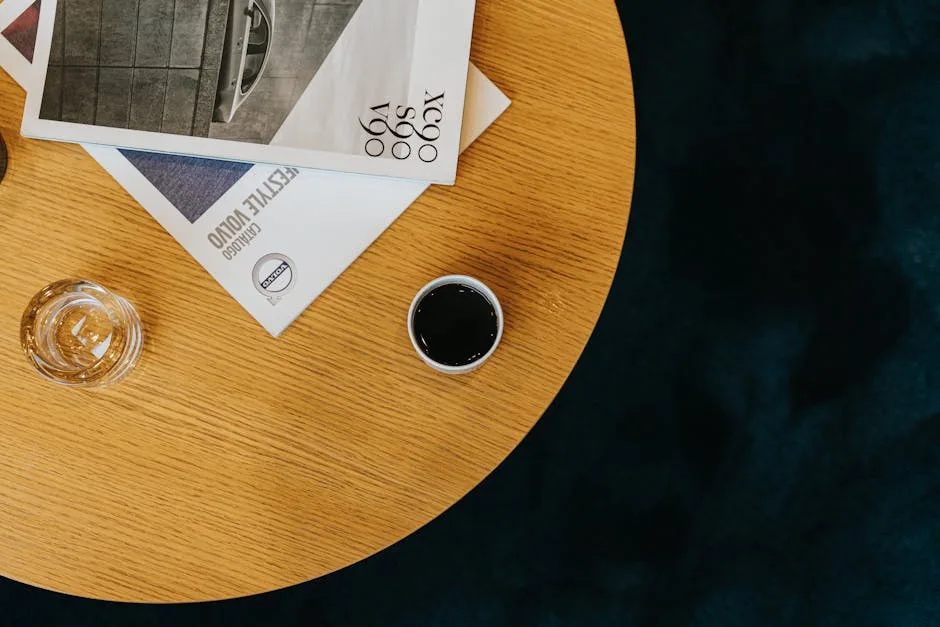
Let’s start with the undisputed king of Brazilian coffee: the cafezinho. Forget what you think you know about a simple black coffee. The cafezinho is a small, strong, sweet shot of espresso-like black coffee, traditionally prepared by passing hot water through finely ground beans using a cloth filter (a coador de pano). It’s typically served in a small demitasse cup, often pre-sweetened, and it’s ubiquitous. You’ll be offered it everywhere – after meals, during business meetings, as a welcoming gesture in homes, or simply as a quick pick-me-up at a bakery.
Ordering a cafezinho is simple: just say “Um cafezinho, por favor” (oom kah-feh-ZEE-nyo, por fah-VOR), which means “A little coffee, please.” Don’t be surprised if it arrives already sweet; it’s the traditional way. If you prefer it less sweet or without sugar, you’ll need to specify that. The cafezinho is more than just a drink; it’s a symbol of Brazilian hospitality and conviviality. It’s a moment to pause, chat, and connect. Many Brazilians will drink several cafezinhos throughout the day, each one a punctuation mark in their busy schedules, a quick burst of energy and flavor.
A Spectrum of Sips: Other Beloved Brazilian Coffee Drinks
While the cafezinho reigns supreme, Brazil offers a delightful variety of coffee preparations to suit every taste. Once you’ve mastered the cafezinho, it’s time to explore the wider world of milk-based and alternative options. These are often enjoyed at different times of the day, particularly for breakfast or an afternoon snack.
The Milky Delights: Pingado, Café com Leite, and Média
- Pingado: This translates literally to “dripped” or “stained” and perfectly describes this popular morning beverage. A pingado is essentially a small shot of strong coffee with just a splash, or “stain,” of hot milk. It’s often served in a small glass and is less milky than a café com leite. It’s ideal for those who like their coffee robust but with a hint of creaminess. To order, simply ask for “Um pingado, por favor.“
- Café com Leite: Meaning “coffee with milk,” this is your go-to if you prefer a more balanced, milky coffee. It’s typically half coffee, half hot milk, and can vary in strength depending on where you order it. It’s a staple for breakfast, often accompanied by pão na chapa (toasted bread with butter). You can ask for “Um café com leite, por favor.“
- Média: This is a variation often found in padarias (bakeries) or lanchonetes (snack bars). “Média” means “medium” or “average,” and it generally refers to a larger serving of café com leite, usually served in a larger glass or cup. It’s essentially a more substantial version of coffee with milk, perfect for lingering over a morning meal. Ask for “Uma média, por favor.“
Espresso-Style Coffees and Their Local Interpretations
While cafezinho often serves a similar purpose, Brazil also embraces Italian-style espresso, though with a local twist. You might find these in more modern cafeterias or urban centers:
- Expresso: Yes, just like the Italian original, but often pronounced “es-PRESS-oh.” It’s a straightforward shot of concentrated coffee. If you prefer it stronger and without sugar, this is your choice.
- Carioca: This isn’t a coffee *type* in itself but rather a *way* of serving coffee. A “carioca” espresso is a weaker, lighter version of an espresso, made with more water or by using the second run through the espresso machine. It’s a good option if you find a regular espresso too intense.
- Curto: Meaning “short,” this is a ristretto-style espresso, a very concentrated, small shot of coffee.
- Longo: Meaning “long,” this is an espresso with more hot water, similar to an Americano, but usually made by letting the water run through the grounds for longer.
Other Notable Mentions:
- Café Coado: This is literally “filtered coffee” and is how cafezinho is traditionally made in homes, using a cloth filter or paper filter. If you see it on a menu, it implies a freshly brewed, larger cup of black coffee, often served from a thermos. It’s less intense than an espresso but still full of flavor.
- Cappuccino: While familiar, Brazilian cappuccinos often differ from their Italian counterparts. They frequently include chocolate powder (or cinnamon) and a generous layer of milk foam, making them a sweeter, creamier treat than the traditional espresso, steamed milk, and a dollop of foam. Don’t expect elaborate latte art unless you’re in a specialty coffee shop.
Mastering the Sweetness: Sugar and Your Coffee
One of the most important things to remember when ordering coffee in Brazil is the prevalence of sugar. As mentioned, cafezinho is often pre-sweetened. If you prefer your coffee unsweetened or with less sugar, you must specify it when you order.
- “Sem açúcar, por favor” (seng ah-SOO-kar, por fah-VOR): “Without sugar, please.”
- “Com pouco açúcar, por favor” (kong POH-koh ah-SOO-kar, por fah-VOR): “With a little sugar, please.”
Most establishments will also have sugar packets or a sugar dispenser available on the counter or table, so you can always add more to your liking if it’s served unsweetened. It’s rare to find artificial sweeteners as readily available as sugar, so if you need them, it’s best to carry your own or ask specifically for “adoçante.”
Where to Enjoy Your Brew: The Brazilian Coffee Landscape
Coffee is enjoyed everywhere in Brazil, from humble street corners to upscale cafes. Understanding the different types of establishments will enhance your experience.
- Padarias (Bakeries): These are cornerstones of Brazilian daily life. More than just bakeries, padarias are often bustling hubs where people grab breakfast, lunch, or a quick snack. They are fantastic places to get your morning café com leite, pingado, or média, often accompanied by fresh bread and pastries. It’s a wonderfully authentic, lively experience.
- Lanchonetes (Snack Bars): Similar to padarias but with more emphasis on quick meals and snacks. You’ll find excellent cafezinhos and other standard coffee drinks here, perfect for a speedy pick-me-up.
- Cafeterias and Cafés Especiais (Specialty Coffee Shops): These are growing in popularity, especially in larger cities. Here, you’ll find a focus on high-quality single-origin beans, various brewing methods (like pour-overs or French press), and baristas who can talk you through different flavor profiles. If you’re a true coffee connoisseur, seek these out for a gourmet experience. This is also where you might find more familiar espresso-based drinks like lattes and flat whites, sometimes with latte art.
- Street Vendors: In some areas, you’ll find small carts or stands selling cafezinhos. These are often incredibly cheap and surprisingly good, offering a quick, authentic street-side caffeine fix.
The Art of Ordering: Etiquette and Cultural Pointers
Ordering coffee in Brazil is generally a relaxed affair, but a few pointers can make your experience even smoother and more enjoyable, helping you blend in with the locals.
Politeness Goes a Long Way: Always start with a polite greeting (Bom dia! for good morning, Boa tarde! for good afternoon) and remember your “por favor” (please) and “obrigado/a” (thank you – obrigado if you are male, obrigada if you are female). A smile never hurts!
Patience is a Virtue: Especially in busy establishments, service might not always be as lightning-fast as you’re used to. Relax, enjoy the atmosphere, and practice your Portuguese. Brazilians are generally very friendly and appreciate the effort.
Don’t Overcomplicate It: While specialty coffee is growing, most everyday spots are not set up for highly customized orders. Stick to the common drinks, and you’ll have a much smoother experience. Asking for soy milk or decaf might be met with confusion in traditional spots, though it’s more common in larger cafeterias.
Paying the Bill: In many padarias and lanchonetes, particularly the older, more traditional ones, you might order at the counter, consume your items, and then pay at a separate cash register (often labeled “caixa”) on your way out. Keep track of what you’ve had. In more modern cafes, you’ll pay your server at the table or at the main counter when you order, similar to practices elsewhere.
Embracing the Brazilian Coffee Moment
Exploring the coffee culture of Brazil is about so much more than just the caffeine; it’s an immersion into the rhythm of daily life, a taste of genuine hospitality, and a connection to a vibrant culture. From the quick, sweet jolt of a cafezinho shared with newfound friends to a leisurely café com leite enjoyed with fresh pão na chapa, each cup tells a story.
So, go forth with confidence! Don’t be afraid to try new things, practice a few Portuguese phrases, and most importantly, savor every drop. You’re not just ordering coffee; you’re participating in a beloved national tradition, one delightful sip at a time. Enjoy the rich aromas, the friendly chatter, and the unforgettable experience of coffee in Brazil, truly like a local.