
- Getting a feel for tolls on Brazilian highways
- Paying tolls: cash, card, and automatic passes
- How speed enforcement happens on Brazilian roads
- Dealing with fines and notices as a visitor
- Real-world tips to avoid surprises on the road
- The ethanol-versus-gasoline math that actually matters
- Choosing fuel with performance and availability in mind
- Rental-car realities and what to ask before you drive off
- Ready-to-roll checklist for a smooth Brazilian road trip
- Final practical thought
Getting a feel for tolls on Brazilian highways
Toll booths are a constant companion on many of brazil’s major corridors. You’ll encounter them most often on state-maintained expressways around São paulo, Rio de janeiro, and along the southern and southeastern coastlines, but tolled stretches appear on federal routes too. Expect anything from a short toll plaza charging a few reals to longer concessioned segments where several tolls add up over a single day of driving.
When you plan a route, factor tolls into both your budget and your daily mileage. A leisurely coastal drive that looks short on a map can become considerably more expensive if it crosses several concessioned highway sections. Local travel blogs and route planners often publish toll lists for specific highways; check recent posts or forums for up-to-date notes from people who’ve driven the same stretch in the last few months.
Paying tolls: cash, card, and automatic passes
Most plazas accept cash and card, but acceptance varies by region and the type of booth. Smaller plazas sometimes still prefer cash. Electronic toll collection systems are widespread: many vehicles use transponders or preloaded accounts for automatic passage through fast lanes. If you rent a car, ask the company about the vehicle’s toll device. Agencies often link a transponder to the rental and bill you afterwards, sometimes with administrative fees on top.
Carry small bills and coins as backup. If you prefer the convenience of an automatic pass, set it up before a long trip or confirm the rental’s device is active — discovering it’s inactive after a toll plaza can mean waiting in the cash line or generating later invoices and unexpected fees.
How speed enforcement happens on Brazilian roads
Brazil enforces speed limits with a mix of fixed cameras, mobile radar units, and average-speed systems on longer stretches. Fixed cameras are usually mounted on poles and clearly marked by signage. Mobile units show up at roadworks, accident-prone sections, and during traffic campaigns. Average-speed enforcement measures your travel time between two points to calculate an average, so slowing briefly before a camera won’t help if your overall pace exceeds the limit.
Common speed limits you’ll see: urban streets often range from 40 to 60 km/h, secondary roads typically sit between 80 and 100 km/h, and many multi-lane federal highways allow up to 110 km/h for cars. Always watch for posted signs — local variations are frequent, especially near towns, bridges, and construction zones.
Dealing with fines and notices as a visitor
Traffic fines are issued to the vehicle registration, not the driver, so rental companies receive notifications first and generally pass the charge to you plus an administrative fee. Keep copies of toll and fueling receipts; they can be helpful if you need to dispute a billing later. If you’re driving your own foreign-plated car, expect that notifications may take time to arrive, and payment channels could require coordination with local authorities or your embassy in complex cases.
Electronic cameras take photos and records that are usually sufficient for processing a fine. Contesting a fine is possible but requires timely action and documentation. Avoid risky maneuvers and insist on obeying lower posted limits near sensitive areas — it’s cheaper to adjust speed than to resolve a ticket after the fact.
Real-world tips to avoid surprises on the road
Start each driving day with a quick check of your route for toll plazas; many mapping apps show toll segments and will offer alternative routes if you want to avoid them. When driving remote stretches, fuel up before you enter long, sparsely serviced areas. Cell signal drops are common outside metropolitan corridors; download maps offline and keep a printed copy of your planned path if you’ll be traveling far from towns.
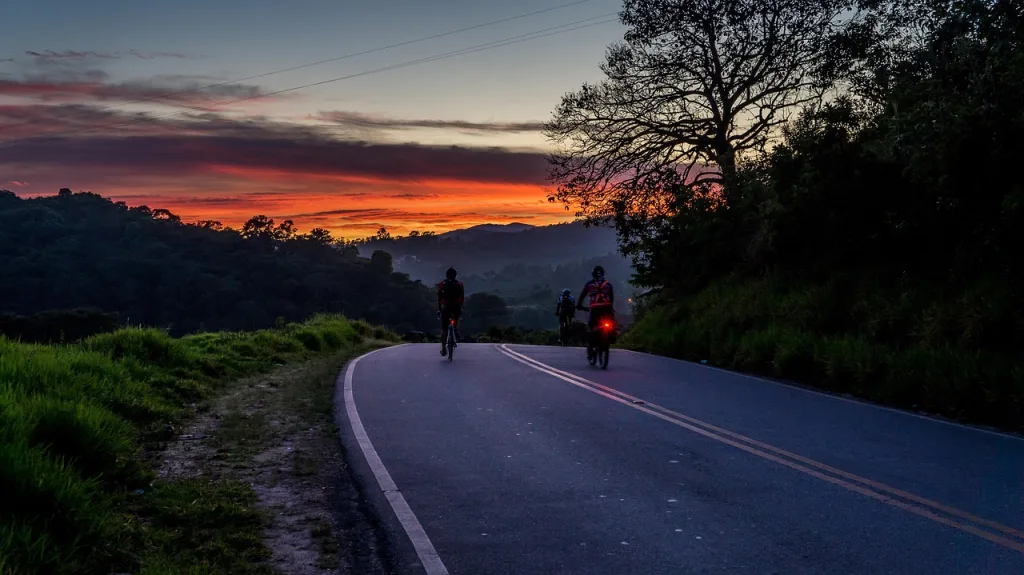
Rest stops vary in quality. Some modern service areas offer clean bathrooms, restaurants, and secure parking; others are little more than a roadside kiosk. Prefer daytime fueling and stops in busier service centers where there’s staff and light. If you plan nighttime driving, identify safe, well-lit towns to stop in rather than relying on isolated highway pulls.
The ethanol-versus-gasoline math that actually matters
Brazilian cars are mostly flex-fuel, meaning they run on gasoline, hydrated ethanol (locally called “álcool”), or any mixture of the two. Ethanol contains less energy by volume than gasoline, so you’ll get fewer kilometers per liter. The simple rule drivers use is this: choose ethanol when its price is about 70% (or less) of the gasoline price. With that math the lower energy content of ethanol is offset by its lower price.
Example: if gasoline costs BRL 6.00 per liter, ethanol becomes a good economic choice if priced at BRL 4.20 per liter or less. Do the quick division: ethanol price ÷ gasoline price = ratio. If the ratio is 0.70 or below, ethanol typically wins on cost per kilometer. Remember that real-world fuel economy depends on traffic, terrain, and driving style; ethanol sometimes gives a small power boost that certain drivers will notice, especially in urban stop-and-go traffic.

Choosing fuel with performance and availability in mind
Ethanol often offers higher octane, which can translate to snappier throttle response, but its lower energy density means you refuel more often. Gasoline (often a blend that includes anhydrous ethanol) is more energy-dense and better for long highway runs if stations are spaced far apart. Ethanol is widely available in nearly every filling station across Brazil, making it convenient for shorter trips and city driving.
When filling up, inspect stations for clean pumps and clear signage about fuel types. Modern service stations label ethanol and gasoline clearly; misfueling happens rarely with flex-fuel vehicles, but always confirm the pump before filling, particularly if language barriers exist. If you drive into very remote regions, err on the side of gasoline where available — range matters more than a small price advantage when the next pump could be 150 kilometers away.
Rental-car realities and what to ask before you drive off
Rental agreements have crucial details about tolls, insurance, and fuel policy. Ask whether the car includes an active toll transponder, which lanes to use at plazas, and how the company handles toll charges and fines. Clarify whether the fuel tank must be returned full; many companies charge high refueling fees for empty returns. Photographs of the vehicle’s meter and tank level at pickup protect you against disputed claims.
Understand the company’s stance on uninsured damage and theft. Brazil’s road culture includes unpredictable behaviors from other drivers and frequent construction zones; maintain a safety margin and drive defensively. If you plan long cross-country legs, ask for roadside assistance numbers and confirm whether assistance works across state lines.
Ready-to-roll checklist for a smooth Brazilian road trip
- Plan fuel stops for long rural stretches and check which routes have frequent service areas.
- Carry cash and small-change for tolls, but keep a card handy for plazas that accept electronic payment.
- Confirm a rental car’s toll transponder status and billing procedure before departure.
- Use the ethanol-versus-gasoline price ratio (0.70 rule) to choose the most economical fuel at each stop.
- Obey posted limits; fixed, mobile, and average-speed cameras are common and enforced.
- Download maps offline, and keep paper copies of reservations and important numbers.
Final practical thought
Brazil offers some of the most scenic drives on the continent, from coastal ribbon roads to inland highlands. Respecting toll logistics, speed enforcement, and fuel choices lets you enjoy those views without administrative headaches. Plan deliberately, ask questions when you rent, and treat each road like a little adventure: a bit of preparation will keep the trip safe and let the scenery do the heavy lifting.