

Why Jalapão Feels Like a Hidden Playground
Imagine a place where the sky stretches forever, the sand glows like gold at sunrise, and crystal‑clear rivers carve their way through a sea of orange‑toned cerrado. That’s Jalapão, a remote corner of Brazil’s Tocantins state that feels more like a secret playground than a tourist destination. The landscape is a surreal mix of towering sand dunes, massive rock formations, and emerald lagoons that seem to belong to another planet. It’s the kind of place that makes you feel both tiny and wildly alive at the same time.
Because Jalapão is still off the beaten path, you’ll often hear travelers describe the experience as “raw” and “unfiltered.” There are no glossy resorts lining the shore, no crowds snapping selfies at every viewpoint. Instead, you’ll find rustic pousadas, local guides who know every hidden trail, and a rhythm that follows the sun rather than a schedule. If you love the idea of swapping Wi‑Fi for wind‑blown sand and swapping city lights for a sky full of stars, Jalapão might just be your next great adventure.
Getting There: The Journey to the Heart of the Cerrado
The first step toward Jalapão is figuring out how to get there. Most travelers start in either Brasília or Palmas, the capital of Tocantins. From Brasília, you can catch a short domestic flight to Palmas (about 1 hour and 15 minutes) or take a comfortable overnight bus that runs the 800‑kilometer stretch. If you’re already in the north‑east of Brazil, you might find a direct bus from Fortaleza or São Luís, but be prepared for a long ride – the roads are mostly paved, yet the scenery can be a bit monotonous until you hit the first signs of the cerrado.
Once you arrive in Palmas, the real adventure begins. The most common way to reach the park’s main hubs – like the small towns of Mateiros or São Félix – is by hiring a 4×4 vehicle. The roads quickly turn from asphalt to gravel, and many of the best spots are only accessible via dirt tracks that can become tricky after a rain. If you’re not comfortable driving yourself, there are plenty of local operators who will pick you up at the airport or bus terminal and take you straight to your lodge.
When to Go: Seasons, Weather, and the Best Light
Jalapão enjoys a tropical savanna climate, which means there are two distinct seasons: a dry season (May to September) and a rainy season (October to April). The dry months are the most popular for visitors because the trails are firm, the rivers are calm enough for swimming, and the iconic orange dunes shine brightest under the clear blue sky. This is also the time when the famous “sunset over the dunes” photo opportunities are at their peak.
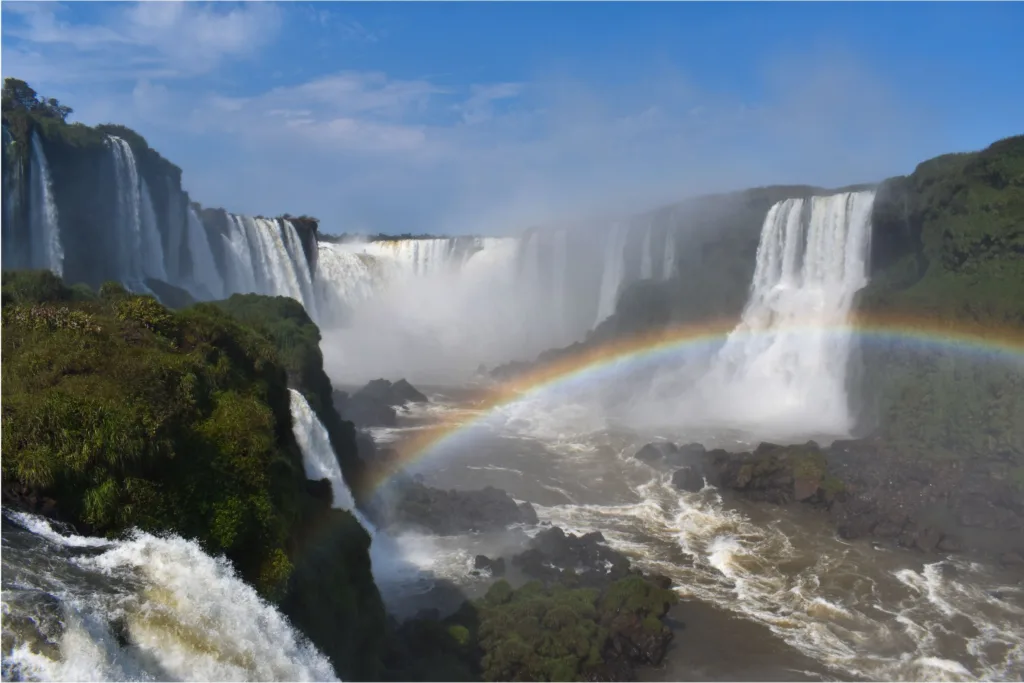
Travelers who don’t mind a bit of mud and want to see the waterfalls at their fullest often choose the early rainy season (October to early December). The water levels rise dramatically, turning the usually modest cascades into roaring spectacles. Just remember that some of the more remote trails can become impassable, so you’ll need a seasoned guide and a sturdy vehicle.
How Much Does It Cost? Budgeting for the Adventure
One of the biggest myths about Jalapão is that it’s prohibitively expensive. In reality, the cost can be tailored to a wide range of budgets, but there are a few fixed expenses you’ll always encounter. Flights from major Brazilian cities to Palmas typically range from $150 to $300 USD round‑trip, depending on the airline and how far in advance you book. If you’re coming from abroad, factor in an international flight to Brasília or São Paulo, then a domestic connection.
Accommodation varies widely. Basic pousadas (guesthouses) start at around $30 USD per night for a simple double room with shared bathrooms. Mid‑range eco‑lodges, which often include meals and guided excursions, run between $70 and $120 per night. Luxury tented camps or boutique lodges can exceed $200 per night, offering private bathrooms, gourmet meals, and sometimes even a private guide.
Food is surprisingly affordable if you eat locally. A hearty lunch at a small restaurant will cost about $5‑$8 USD, while a dinner with a few local specialties might be $10‑$15 USD. If your tour package includes meals, you’ll save both money and the hassle of hunting down restaurants in remote areas.
Choosing a Tour: From Day Trips to Multi‑Day Expeditions
Most visitors opt for a guided tour, not only because the roads can be challenging, but also because local guides know the best spots, safety protocols, and the cultural etiquette of the region. Tours range from single‑day “highlights” trips that focus on the most photographed dunes and waterfalls, to immersive 4‑day adventures that let you camp under the stars, paddle in the Rio Novo, and explore hidden caves.
When selecting a tour, consider what you want to prioritize. If you’re a photographer, a 2‑day “photo‑intensive” package that schedules sunrise and sunset sessions at the dunes and the iconic Prata River is ideal. If you’re an avid hiker, look for a trek‑focused itinerary that includes the Serra da Capivara trail and the mysterious “Cachoeira da Formiga” (Ant Waterfall). Many operators also offer custom itineraries, so don’t be shy about asking for a mix of activities.
Prices for guided tours typically start at $150 USD per person for a basic 2‑day package (including transport, guide, and basic meals) and can climb to $500‑$800 USD for a fully catered 5‑day experience with premium lodging. Always verify what’s included – some tours charge extra for entrance fees to protected areas, while others bundle everything together.
What to Expect on the Ground: Highlights and Hidden Gems
Once you set foot in Jalapão, the itinerary will feel like a series of postcards. The first stop is often the iconic Dunes of Jalapão, where you can climb the soft, wind‑shaped hills and watch the sun paint the sand in shades of pink and gold. A short drive later, you’ll arrive at the crystal‑clear waters of the Rio Novo, perfect for a refreshing dip after a dusty hike.
One of the most magical spots is the “Fervedouro” – a natural spring where the water rises from the sand, creating a buoyant effect that lets you float effortlessly. The sensation is both eerie and exhilarating, and the surrounding vegetation makes it feel like a secret oasis. Another must‑see is the Cachoeira da Formiga, a waterfall that tumbles into a turquoise pool surrounded by towering cliffs. The roar of the water is a reminder that even in this remote desert‑like environment, life thrives.
For those willing to venture a little farther, the Serra da Capivara offers rugged trails that lead to panoramic viewpoints overlooking the entire plateau. At sunset, the sky turns a deep violet, and the dunes cast long, dramatic shadows – a moment that many travelers describe as “spiritual.”
Practical Tips: Gear, Safety, and Staying Comfortable
Because Jalapão is a remote wilderness, preparation is key. Pack lightweight, breathable clothing for the daytime heat, but also bring a warm jacket for the evenings – temperatures can drop to 10 °C (50 °F) after sunset. A wide‑brimmed hat, sunscreen (SPF 30+), and polarized sunglasses are non‑negotiable; the sun is intense, and the reflective sand can cause glare.
Footwear matters. Sturdy hiking boots with good ankle support will protect you on rocky paths, while a pair of water shoes is handy for river crossings and the fervedouros. A reusable water bottle with a built‑in filter is a lifesaver; you’ll be drinking from natural springs, but it’s wise to filter just in case.
Safety-wise, always travel with a guide who knows the area. The cerrado can be disorienting, and some trails become slippery after rain. Guides also carry first‑aid kits and know the nearest medical facilities (usually in Mateiros or São Félix). Mobile reception is spotty, so consider a satellite messenger if you’re planning a solo trek.
Leaving a Light Footprint: Sustainable Travel in Jalapão
Jalapão’s fragile ecosystem depends on responsible tourism. Stick to marked trails, avoid removing rocks or plants, and never leave trash behind – there are no regular waste collection services in the remote campsites. Many lodges practice “leave no trace” principles, offering biodegradable toiletries and encouraging guests to pack out everything they bring.
Supporting local communities is another way to travel responsibly. Purchase handmade crafts directly from artisans in Mateiros, hire local guides, and eat at family‑run restaurants. Your dollars help preserve the culture and fund conservation projects that protect the unique flora and fauna of the cerrado, such as the endangered maned wolf and the giant armadillo.
Finally, consider offsetting your carbon emissions, especially if you flew internationally. Several organizations offer programs that invest in reforestation projects within Brazil, helping to balance the environmental impact of your adventure.