

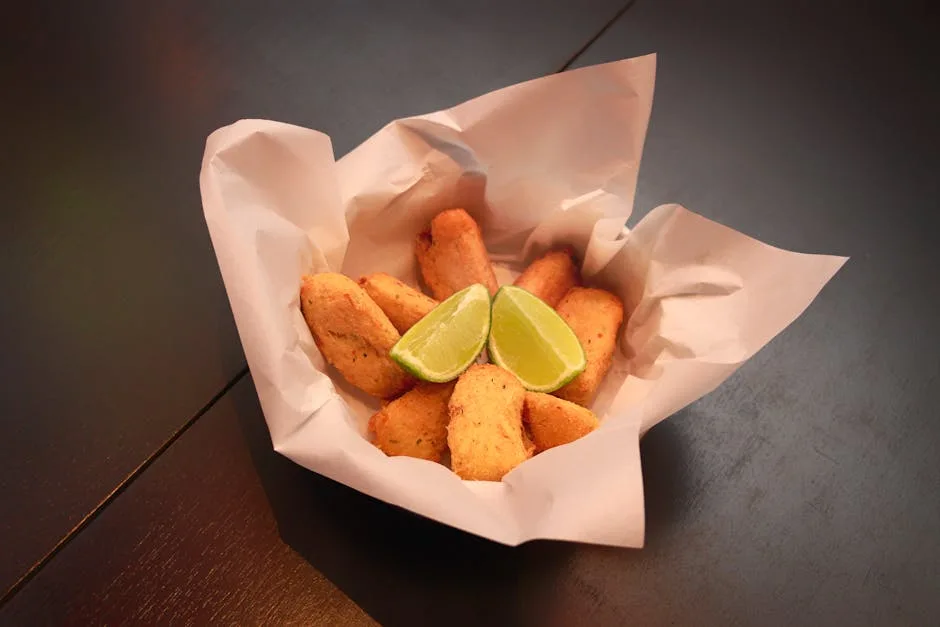
- The Vibrant Pulse of Brazilian Gastronomy
- The Usual Suspects: Identifying Common Brazilian Allergens
- The Hidden Risk of Cross-Contamination
- Mastering the Language of Food Safety
- Navigating the ‘Quilo’ and ‘Churrascaria’ Experience
- Reading the Label: ANVISA and Packaging Laws
- Regional Nuances and Seafood Safety
- The Practicality of Allergy Cards and Apps
- What to Do in Case of Emergency
The Vibrant Pulse of Brazilian Gastronomy
brazil is a sensory explosion. from the rhythmic sounds of samba in the streets to the kaleidoscope of colors found in the Amazonian fruits, it is a country that thrives on its sensory richness. For most travelers, the highlight of the trip is the food. Whether it is a slow-roasted picanha at a churrascaria or a steaming bowl of feijoada on a Saturday afternoon, the culinary landscape is as diverse as the population itself. However, for those of us living with food allergies, that vibrant pulse can sometimes feel like a rhythmic warning. The fear of an accidental encounter with an allergen can cast a shadow over what should be a joyful exploration of culture.
Navigating Brazil with food allergies requires a blend of preparation, communication, and a healthy dose of curiosity. The good news is that Brazilians are generally incredibly warm, hospitable, and eager to please. If you explain your needs clearly, most restaurant staff will go out of their way to ensure you have a safe meal. But the challenge lies in the language barrier and the ‘hidden’ ingredients that are staples in the Brazilian kitchen. Understanding these nuances is the first step toward turning a high-stress dining experience into a highlight of your journey.
The Usual Suspects: Identifying Common Brazilian Allergens
Every cuisine has its foundation, and in Brazil, certain ingredients appear in places you might least expect them. If you have a peanut or tree nut allergy, you need to be particularly vigilant in the Northeast. While Southern Brazilian cuisine leans heavily on meat and European influences, the North and Northeast embrace African and Indigenous roots. Dishes like vatapá and xinxim de galinha often use ground peanuts or cashews to thicken the sauce and add a rich, nutty depth. Even if a dish doesn’t look ‘nutty,’ the base paste might be loaded with them.
Dairy is another pervasive ingredient. Brazil loves its leite condensado (condensed milk). It is the backbone of almost every traditional dessert, from the iconic brigadeiro to various puddings and cakes. Even savory dishes aren’t exempt; many creamy sauces or ‘ao molho branco’ dishes contain heavy cream or cheese.

For those with gluten sensitivities, the news is a bit more mixed. While Brazil is a land of wheat-based breads and salgadinhos (fried snacks), it is also the home of manioc (cassava). Pão de queijo, the beloved cheese bread, is naturally gluten-free as it’s made with cassava starch, but cross-contamination in bakeries is a constant risk you must manage.
The Hidden Risk of Cross-Contamination
In many local eateries, especially the smaller ‘botecos,’ the kitchen space is limited. This means the same oil used to fry a gluten-free piece of fish might have been used minutes earlier to fry a wheat-laden coxinha. Similarly, in the popular ‘quilo’ (self-service) restaurants, serving spoons often migrate from one tray to another. If you have a severe allergy, the buffet-style dining that is so ubiquitous in Brazil might be your biggest hurdle. It requires a keen eye and a proactive conversation with the manager to determine which dishes were prepared in isolation.
Mastering the Language of Food Safety
You don’t need to be fluent in Portuguese to stay safe, but you do need a specific vocabulary. Simply saying ‘no peanuts’ might not be enough if the waiter doesn’t realize that the sauce they are serving contains peanut paste. Using the word alergia (allergy) is vital because it conveys a medical necessity rather than a simple preference. In Brazil, people take medical needs seriously, and using the right terminology can shift the conversation from a casual order to a safety protocol.
Essential phrases to keep in your pocket—or better yet, on a printed card—include ‘Eu tenho uma alergia grave a…’ (I have a severe allergy to…). Follow this with your specific allergen: amendoim (peanuts), castanhas (tree nuts), leite (milk), ovos (eggs), peixe (fish), frutos do mar (seafood), or trigo (wheat). Another crucial question is ‘Este prato contém…?’ (Does this dish contain…?). It is also helpful to ask if the food was prepared near your allergen: ‘Foi preparado perto de…?’. Brazilians are talkative, so don’t be afraid to ask for details about how a sauce was made.
Navigating the ‘Quilo’ and ‘Churrascaria’ Experience
The ‘Restaurante por Quilo’ is a Brazilian institution. You walk in, grab a plate, serve yourself from a massive buffet, and weigh your plate at the end. For an allergic traveler, this is both a blessing and a curse. The blessing is that you can physically see the food before you eat it. The curse is the high potential for cross-contamination. If you decide to eat at a quilo, try to arrive exactly when they open. This ensures that the serving spoons haven’t had a chance to move around and the food is at its freshest and most ‘contained’ state.
Churrascarias, the famous Brazilian steakhouses, are generally much safer for those with gluten or nut allergies, as the focus is on grilled meats. However, the side dishes and the salad bar can be minefields. Always double-check the marinades. While most traditional churrasco uses only sal grosso (coarse salt), some modern or ‘fusion’ spots might use soy sauce (wheat) or oils that could be problematic.

Always inform your server (the passador) about your allergy the moment you sit down, as they are the ones bringing the skewers directly to your plate.
Reading the Label: ANVISA and Packaging Laws
If you are shopping at a supermarket like Pão de Açúcar or Carrefour, you have a powerful ally: ANVISA (the Brazilian Health Regulatory Agency). Brazil has some of the strictest food labeling laws in Latin America. Manufacturers are required to clearly state the presence of common allergens. Look for the bold text at the bottom of the ingredient list that starts with ALÉRGICOS: CONTÉM… (Allergics: Contains…) or PODE CONTER… (May contain…).
This labeling is a lifesaver for those with celiac disease or severe nut allergies. You will often see ‘NÃO CONTÉM GLÚTEN’ (Does not contain gluten) on a vast array of products, even those that wouldn’t traditionally have it, like juices or meats. This is a legal requirement in Brazil. However, always remain skeptical of ‘may contain’ warnings on processed snacks, as facilities in Brazil often process multiple types of grains and nuts on the same lines. If you are in doubt, sticking to whole foods—the incredible variety of fruits, vegetables, and fresh meats available—is the safest and often most delicious route.
Regional Nuances and Seafood Safety
If your travels take you to the coast, specifically Bahia, the culinary game changes. The use of azeite de dendê (palm oil) is standard. While dendê itself isn’t a common allergen, it is often paired with dried shrimp (camarão seco) which is ground into powders and used as a seasoning base in dishes like moqueca and acarajé. For those with shellfish allergies, Bahia requires extreme caution because shrimp is often an invisible flavor enhancer rather than a visible main ingredient.
In the North, particularly the Amazon region, you will encounter fish species you’ve never heard of, like tambaqui or pirarucu. These are delicious, but the prep methods can involve various local nuts like castanha-do-pará (Brazil nuts). When exploring these regional delicacies, the rule of thumb is to never assume. Just because a grilled fish looks plain doesn’t mean it wasn’t brushed with a nut-based oil or seasoned with a spice mix containing shellfish powder. Always engage with the cook if possible.
The Practicality of Allergy Cards and Apps
One of the most effective tools you can carry is a high-quality ‘chef card’ or allergy translation card. This is a physical card written in Portuguese that explains your allergy, the severity, and the need for clean pans and utensils. Handing this to a waiter to take back to the kitchen is much more effective than a verbal explanation. It eliminates the risk of the waiter forgetting a detail or misinterpreting your accent. There are several apps and websites where you can print these out specifically for Brazilian Portuguese.
Beyond cards, using technology like Google Lens can help you translate menus and ingredient labels in real-time. Simply point your camera at the text, and it will overlay the English translation. This is particularly helpful in supermarkets or when faced with a complex menu in a rural town where English speakers might be rare. However, remember that AI translations can sometimes miss the nuance of culinary terms, so use them as a guide rather than an absolute truth.
What to Do in Case of Emergency
Despite all precautions, accidents can happen. It is vital to know how the Brazilian healthcare system works. Brazil has a universal healthcare system called SUS (Sistema Único de Saúde). If you have an allergic reaction, you can go to any public ‘UPA’ (Unidade de Pronto Atendimento) or public hospital for free emergency care. However, for faster service and higher-end facilities, private hospitals (like Albert Einstein in São Paulo) are excellent, provided you have travel insurance.
The emergency number in Brazil is 192 for SAMU (the ambulance service). If you carry an epinephrine auto-injector (like an EpiPen), be aware that they are not commonly sold in Brazilian pharmacies and can be very difficult to find. Always bring your own supply from home, and ensure you have a copy of your prescription to show at customs. Pharmacies (farmácias or drogarias) are on almost every corner in Brazilian cities and can provide antihistamines and corticosteroids over the counter, but for a systemic reaction, always head straight to an ER.
Dining in Brazil is a social event, a celebration of life that can last for hours. Don’t let your food allergy stop you from pulling up a chair. By being prepared with the right phrases, understanding the local ingredients, and communicating clearly with your hosts, you can safely enjoy the culinary wonders of this incredible country. The flavors are waiting for you, and with a bit of care, they will be the highlight of your Brazilian adventure.