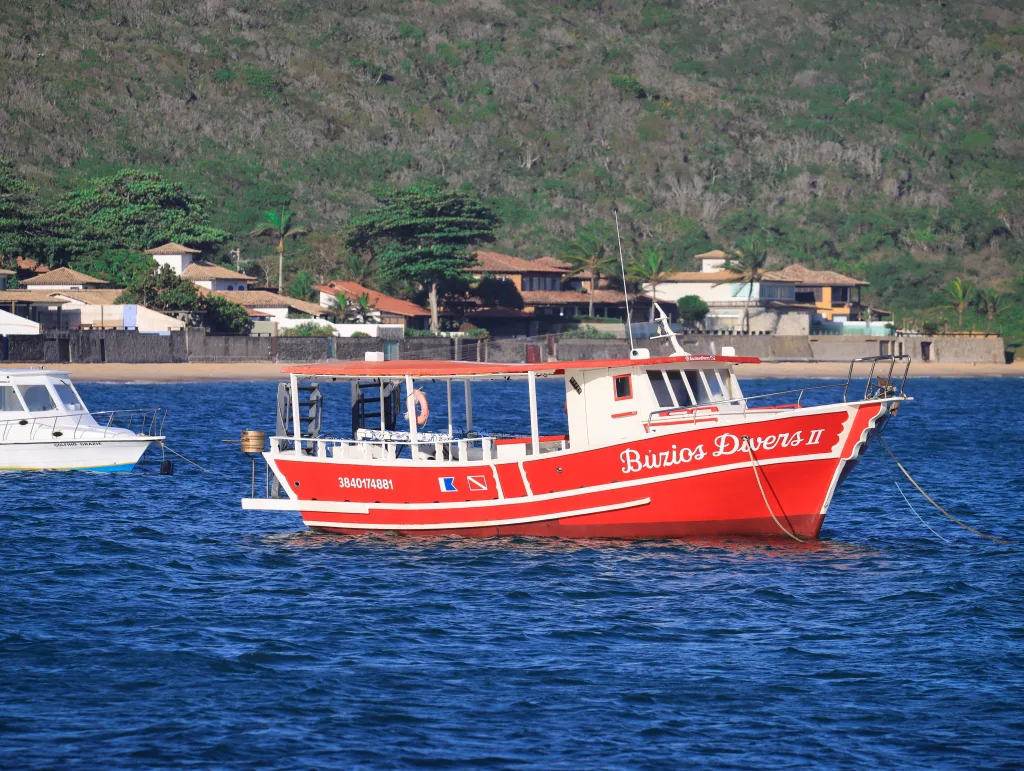


- Dreaming of Brazil? Soaking Up the Sun on a Brazilian Beach
- The Brazilian Sun is No Joke: Sun Safety First
- Your Sun Protection Arsenal:
- Packing Your Beach Bag: The Savvy Traveler’s Checklist
- What to Bring:
- Less is More: What to Leave Safely at Your Hotel
- What to Leave Behind:
- Reading the Waves: Essential Ocean Safety
- Navigating the Water Wisely:
- Street Smarts on the Sand: Preventing Petty Theft
- How to Protect Your Belongings:
- Common Mistakes Even Savvy Travelers Make
Dreaming of Brazil? Soaking Up the Sun on a Brazilian Beach
Ah, the beaches of brazil. The name alone conjures images of sun-drenched sands, rhythmic bossa nova, and the sparkling turquoise Atlantic. from the iconic sidewalks of copacabana to the secluded coves of Fernando de Noronha, Brazil’s coastline is the stuff of legends. You’re picturing yourself with a cold caipirinha in hand, the warm sun on your skin, and not a care in the world. And that’s exactly what your trip should be!
To make sure your beach days are as blissful as you imagine, a little preparation goes a long way. Think of it less as a list of scary warnings and more as a friendly chat with someone who’s been there and learned a thing or two. We’re here to help you navigate the vibrant beach culture like a local, so you can focus on the important things, like perfecting your tan and deciding which flavor of picolé (popsicle) to try next. Let’s dive into what to bring, what’s best left in your hotel room, and a few common mistakes to sidestep for a perfect, worry-free day on the Brazilian sand.
The Brazilian Sun is No Joke: Sun Safety First
Let’s get the most important thing out of the way first: the sun in Brazil is powerful. Located close to the equator, the UV index can be extreme, even on cloudy days. A sunburn can ruin your vacation faster than you can say “insolacao” (sunstroke). Don’t underestimate it!
Your Sun Protection Arsenal:
- High-SPF, Water-Resistant Sunscreen: Don’t even think about anything less than SPF 30. SPF 50+ is your best friend. Apply it generously before you even leave your hotel, and reapply every two hours, or more frequently if you’re swimming or sweating. Don’t forget often-missed spots like the tops of your feet, your ears, and your scalp along your part.
- A Good Hat: A wide-brimmed hat is a game-changer. It protects your face, neck, and scalp and provides some much-needed shade. You’ll see plenty of stylish options for sale right on the beach if you forget yours.
- UV-Protective Sunglasses: Protect your eyes from the intense glare off the water and sand. Not only will you be more comfortable, but you’ll also be protecting your vision long-term.
- Rash Guard or UPF Shirt: If you have fair skin or plan on spending a lot of time in the water snorkeling or surfing, a long-sleeved rash guard is an excellent investment. It provides constant, reliable protection.
- Hydrate, Hydrate, Hydrate: The heat and sun will dehydrate you quickly. Bring a reusable water bottle and make it a point to sip throughout the day. Better yet, embrace the local culture and buy a chilled “água de coco” (coconut water) from a beach vendor. It’s delicious, refreshing, and packed with electrolytes.
Packing Your Beach Bag: The Savvy Traveler’s Checklist
The key to packing for a Brazilian beach is to find the balance between being prepared and not being weighed down or carrying too many valuables. The goal is minimalism and practicality.
What to Bring:
- A Canga: This is the Brazilian version of a sarong, and it’s an absolute must-have. It’s more than just a towel; it’s a lightweight blanket to lie on, a cover-up to walk to the bar, a dress, a scarf—it’s the ultimate multi-tool. They are sold everywhere on the beach in a million beautiful designs.
- A Small Amount of Cash: Bring enough Reais for a few drinks, a snack like a grilled “queijo coalho” (squeaky cheese on a stick), and maybe to rent a chair and umbrella. Avoid flashing large bills. Keep small notes handy.
- A Waterproof Phone Pouch: If you can’t bear to part with your phone for photos, a waterproof pouch worn around your neck is a great idea. It keeps it safe from both water and sand, and it stays on your person.
- Basic First-Aid: A couple of waterproof bandages and an antiseptic wipe can come in handy for small cuts from shells or rocks.
- Leave-in Conditioner/Detangler: Saltwater can turn long hair into a tangled mess. A small bottle of leave-in conditioner can be a lifesaver post-swim.

Less is More: What to Leave Safely at Your Hotel
This is probably the most crucial safety tip. The best way to not have valuables stolen is to not have them with you in the first place. Opportunistic theft can happen on busy beaches, so make yourself a less appealing target by leaving these items behind.
What to Leave Behind:
- Your Passport and Important Documents: There is absolutely no reason to bring your passport to the beach. Lock it in your hotel safe. A photo of it on your phone or a separate photocopy is sufficient for identification if needed.
- Expensive Jewelry and Watches: That fancy watch, diamond ring, or gold necklace screams “tourist” and “target.” Opt for simple, inexpensive accessories or go without.
- Large Amounts of Cash and Multiple Credit Cards: Bring only the cash you need for the day and maybe one credit card if you plan on going to a beachfront restaurant. Leave the rest secured.
- High-End Electronics: Your laptop, tablet, or expensive DSLR camera should stay in your room unless you have a specific, secure plan for using and storing them.
- Designer Bags and Flashy Clothes: Blend in. A simple beach tote and casual clothes are the way to go. You’re there to relax, not to make a fashion statement that attracts the wrong kind of attention.
Reading the Waves: Essential Ocean Safety
The Atlantic Ocean can be powerful, with strong currents and unpredictable waves. Respecting the water is key to staying safe.
Navigating the Water Wisely:
- Watch for Flags: Many popular beaches have a flag system to indicate water conditions. While the colors can vary by state, generally, green means calm, yellow means caution, and red means danger/no swimming. Ask a local or a “salva-vidas” (lifeguard) if you’re unsure.
- Understand Rip Currents: Rip currents, or “correnteza de retorno,” are common on many Brazilian beaches. These are powerful channels of water flowing away from the shore. If you get caught in one, don’t panic or try to swim directly against it. Swim parallel to the shore until you are out of the current, and then swim back to land.
- Follow the Locals: See where the majority of local families are swimming. They know the beach and can instinctively identify the safest spots, away from strong currents or sudden drop-offs.
- Never Swim Alone or Under the Influence: This is a universal rule for a reason. Alcohol impairs your judgment and physical abilities. Always swim with a buddy.

Street Smarts on the Sand: Preventing Petty Theft
While the vast majority of your interactions will be positive, it pays to be aware. Crowded urban beaches, like those in Rio de Janeiro, can be hotspots for petty thieves looking for an easy opportunity.
How to Protect Your Belongings:
- Never Leave Your Things Unattended: This is the golden rule. If you and your friends all want to go for a swim, take turns or ask a neighboring group to keep an eye on your things. A simple, friendly “Pode dar uma olhadinha pra gente?” (“Can you watch our stuff for us?”) usually does the trick. Most people are happy to help.
- Position Yourself Strategically: Set up your spot near a family or a more established group rather than in an isolated area.
- Keep Your Bag Close: Don’t leave your bag sitting open a few feet away. Keep it zipped and tucked under your chair or canga, ideally with a strap looped around your chair or your arm.
- Be Aware of Distractions: Be cautious of anyone who creates a sudden commotion nearby, as it can sometimes be a tactic to distract you while an accomplice snatches your bag.
Common Mistakes Even Savvy Travelers Make
We all make mistakes, but avoiding these common blunders will make your Brazilian beach experience much smoother and more enjoyable.
- The Day-One Sunburn: It’s so tempting to spend your entire first day soaking up the rays, but this often leads to a painful, peeling sunburn that can sideline you for days. Ease into it. Spend the hottest part of the day (usually 11 am to 3 pm) under an umbrella or at a beachfront cafe.
- Forgetting to Drink Water: Between the sun, the salt, and maybe a caipirinha or two, dehydration can sneak up on you, leading to headaches and fatigue. Make a conscious effort to drink plenty of non-alcoholic fluids.
- Being Too Flashy: We’ve said it before, but it bears repeating. Blending in is your best defense. The goal is to look like you’re there to enjoy the beach, not to show off your wealth.
- Buying from the First Vendor: Prices for things like chairs, umbrellas, and drinks can vary. Take a short walk and compare prices before you commit. It’s perfectly acceptable to negotiate politely.
- Ignoring Local Advice: If a lifeguard tells you not to swim in a certain area, or a vendor warns you about a strong tide coming in, listen to them! They know the environment better than anyone. Their advice is meant to keep you safe.