
- The Pantanal's Rhythmic Heartbeat: Understanding the Seasons
- The Dry Season: May to October – Prime for Predators
- The Wet Season: November to April – A Lush, Avian Paradise
- Charting Your Course: Safari Logistics in the Wilderness
- Getting There: Gateways to the Wild
- Choosing Your Base: Eco-Lodges and Fazendas
- Safari Styles: Immersing Yourself in Nature
- A Symphony of Life: What You'll Actually Encounter
- The Elusive King: Jaguars
- Giants of the River: Giant River Otters
- Ubiquitous Residents: Capybaras and Caimans
- A Birdwatcher's Dream
- Other Fascinating Mammals
- Reptiles and Amphibians
- Beyond the Big Spots: Embracing the Full Pantanal Experience
- Local Life and Culture
- Fishing Adventures
- Stargazing
- Preparing for Your Adventure: Essentials for the Journey
- Packing Smart
- Health and Safety
- Treading Lightly: Responsible Tourism in a Fragile Paradise
Imagine a place where the wild reigns supreme, where anacondas slither, capybaras graze fearlessly, and the elusive jaguar stalks its prey. This isn’t a dream; it’s the Pantanal, the world’s largest tropical wetland, a magnificent ecosystem tucked away in the heart of south America. If you’re yearning for an authentic wildlife adventure, far removed from bustling crowds, the Pantanal is calling. But to truly unlock its magic, you need to know when to go, how to navigate its vastness, and what incredible creatures await your gaze.
The Pantanal’s Rhythmic Heartbeat: Understanding the Seasons
Unlike many wildlife destinations with relatively consistent climates, the Pantanal experiences dramatic seasonal shifts that profoundly impact animal behavior and your viewing opportunities. Broadly, the year is divided into two main periods: the dry season and the wet season, each offering a distinct experience.
The Dry Season: May to October – Prime for Predators
This is often considered the ‘best’ time to visit for most visitors, especially those hoping to spot jaguars. As the waters recede, animals concentrate around the remaining water sources, making them easier to find. Riverbanks become prime hunting grounds, and boat safaris along major waterways like the Cuiabá River (especially near Porto Jofre in the Northern Pantanal) offer unparalleled chances to witness jaguars. The weather is generally hot and sunny, with cooler evenings, and mosquitoes are less prevalent than during the wet season. Roads and trails are more accessible, allowing for a wider range of activities like jeep safaris and horseback riding. You’ll likely see an abundance of caimans, capybaras, giant river otters, and countless bird species congregating near the shrinking lagoons.
The Wet Season: November to April – A Lush, Avian Paradise
While often overlooked, the wet season paints the Pantanal in a completely different, yet equally captivating, light. Heavy rains transform the landscape into a shimmering mosaic of wetlands, lagoons, and floating meadows. This is the breeding season for many bird species, meaning you’ll witness vibrant plumage, intricate courtship displays, and adorable fledglings. The Pantanal truly comes alive with lush vegetation and incredible biodiversity. Mammals might be a bit harder to spot due to the dense foliage and scattered water sources, but the sheer beauty of the flooded landscape, often accessible only by boat, is breathtaking. Mosquitoes are more abundant, and some areas might become inaccessible, requiring more air transfers or longer boat journeys. If you’re a keen birder or a photographer seeking dramatic landscapes and vibrant greens, the wet season offers unique rewards.
Charting Your Course: Safari Logistics in the Wilderness
The Pantanal is immense and wild, so planning your safari requires careful consideration to ensure a safe, comfortable, and fulfilling adventure. Unlike an African safari where vast national parks are the norm, the Pantanal’s ecosystem is largely comprised of private ranches (fazendas) that have embraced ecotourism.
Getting There: Gateways to the Wild
Your journey will typically begin by flying into one of two main cities: Cuiabá in Mato Grosso (northern Pantanal) or Campo Grande in Mato Grosso do Sul (southern Pantanal). Cuiabá is the preferred gateway if jaguar sightings are your top priority, as it offers easier access to the Porto Jofre region. From these cities, you’ll usually have pre-arranged transfers via car, sometimes followed by a boat ride, to your chosen lodge. The drives themselves can be part of the safari, offering initial glimpses of wildlife along the unpaved Transpantaneira Highway.
Choosing Your Base: Eco-Lodges and Fazendas
Accommodation in the Pantanal primarily consists of charming eco-lodges or converted traditional cattle ranches (fazendas) that offer guest facilities. These range from rustic and basic to surprisingly luxurious, often providing all-inclusive packages that cover meals, accommodation, and guided activities. It’s crucial to choose a lodge that aligns with your budget, desired comfort level, and the specific wildlife experiences you seek. Many lodges have their own guides and a variety of safari options, allowing for intimate encounters with the surrounding nature.
Safari Styles: Immersing Yourself in Nature
The Pantanal offers a diverse menu of safari activities, each providing a unique perspective on the ecosystem. You’ll typically engage in a mix of these during your stay:
- Boat Safaris: Absolutely essential, especially in the Northern Pantanal. These allow you to navigate rivers and flooded areas, getting incredibly close to jaguars, giant river otters, caimans, and a staggering array of waterbirds.
- Jeep Safaris: Land-based game drives cover more ground, perfect for spotting terrestrial mammals like anteaters, tapirs, deer, and various monkey species. They also offer excellent opportunities for birdwatching in open areas.
- Horseback Riding: A truly authentic Pantaneiro experience. Riding through shallow waters and across fields offers a unique, quiet way to get close to wildlife without the noise of a vehicle, often reaching areas inaccessible by other means.
- Walking Safaris: Guided walks allow for a more detailed exploration of the flora, smaller creatures, and birds. It’s an excellent way to learn about the intricate ecosystem from your expert guide.
- Night Safaris: Venture out after dark to witness the Pantanal’s nocturnal inhabitants, including caimans with glowing eyes, owls, anteaters, and possibly even an ocelot or puma.

A Symphony of Life: What You’ll Actually Encounter
The Pantanal is renowned for its sheer volume and visibility of wildlife. While sightings are never guaranteed, the chances of encountering a diverse array of animals are exceptionally high. Here’s a glimpse of the stars of the show:
The Elusive King: Jaguars
This is often the main draw for many visitors, and for good reason. The Pantanal boasts the highest density of jaguars in the world, particularly along the waterways of the Cuiabá River and its tributaries. While sightings require patience and luck, dedicated boat safaris during the dry season offer excellent opportunities. Imagine watching a jaguar cooling off on a riverbank, or even hunting a caiman – it’s an unforgettable experience that few places on Earth can offer.
Giants of the River: Giant River Otters
Often seen in the same areas as jaguars, these playful, social creatures are a joy to watch. They hunt in groups, chattering and diving for fish, and their antics provide endless entertainment. They are large, vocal, and incredibly photogenic.
Ubiquitous Residents: Capybaras and Caimans
You simply cannot visit the Pantanal without seeing hundreds, if not thousands, of capybaras (the world’s largest rodent) and caimans (a relative of alligators). They are everywhere! Capybaras graze peacefully in family groups, often sharing their space with myriad bird species, while caimans bask lazily on riverbanks or float silently in the water, their eyes just above the surface.

A Birdwatcher’s Dream
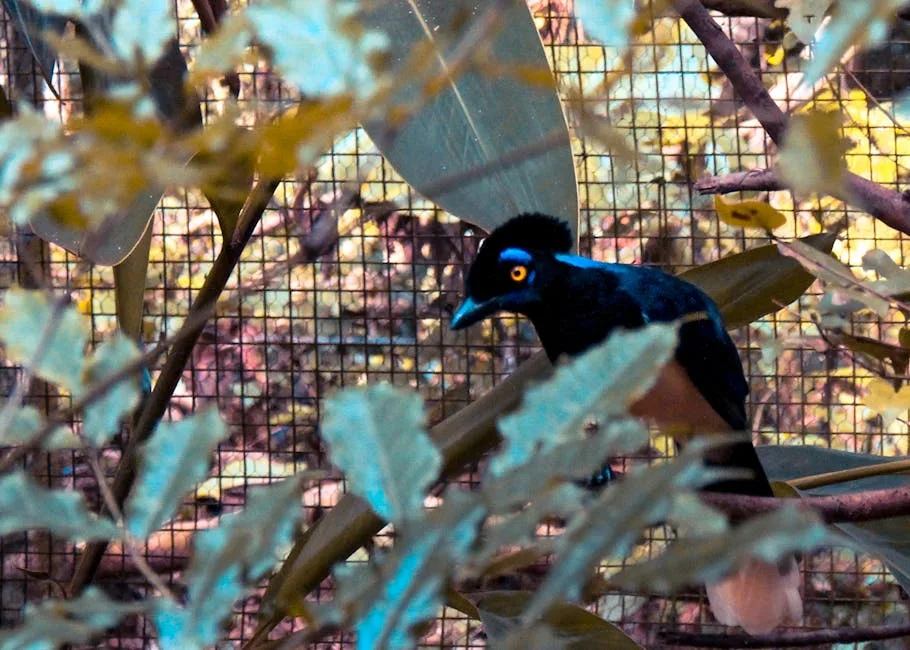
With over 600 bird species, the Pantanal is a true paradise for bird enthusiasts. You’ll marvel at the massive Jabiru stork, the iconic symbol of the Pantanal, with its striking black and white plumage and red neck. Brilliant hyacinth macaws often fly overhead in pairs, their vivid blue against the green landscape. Toucans, kingfishers, herons, egrets, hawks, and various raptors are common sights, providing constant visual and auditory delights.
Other Fascinating Mammals
Keep your eyes peeled for the peculiar giant anteater, gracefully foraging for insects with its long snout. You might spot mischievous capuchin monkeys, loud howler monkeys, or even the shy tapir. Marsh deer, collared peccaries, and various rodents add to the rich tapestry of life. While rarer, puma sightings do occur, especially during night safaris.
Reptiles and Amphibians
Beyond the caimans, the Pantanal is home to various snakes, including anacondas, though they are much harder to spot. Lizards and a diverse range of frogs also thrive in this watery environment.
Beyond the Big Spots: Embracing the Full Pantanal Experience
While wildlife is undoubtedly the main draw, a Pantanal safari offers more than just animal viewing. It’s an opportunity to immerse yourself in a unique culture and landscape.
Local Life and Culture
Many lodges are still working ranches, providing a glimpse into the traditional life of the ‘pantaneiro’ cowboys. You might witness cattle herding, try your hand at lassoing, or simply enjoy the rustic charm of rural Brazilian life.
Fishing Adventures
Piranha fishing is a popular and exciting activity offered by many lodges. Catching these formidable fish (and releasing them, usually!) is a thrilling experience, often followed by a delicious barbecue. Other fish species also offer opportunities for sport fishing.
Stargazing
Far from city lights, the Pantanal offers some of the most spectacular night skies you’ll ever witness. On clear nights, the Milky Way sprawls across the heavens, a truly humbling sight.
Preparing for Your Adventure: Essentials for the Journey
A little preparation goes a long way in ensuring a comfortable and enjoyable Pantanal experience.
Packing Smart
- Clothing: Lightweight, breathable, long-sleeved shirts and trousers in neutral colors are key for sun protection and insect repellent. Bring a hat with a wide brim, swimwear, and a light jacket or fleece for cooler evenings.
- Footwear: Sturdy, comfortable walking shoes are essential. Waterproof sandals or flip-flops are great for around the lodge and on boats.
- Essentials: High-SPF sunscreen, potent insect repellent (with DEET), binoculars (a must for wildlife viewing!), a good camera with a zoom lens, a reusable water bottle, and a small first-aid kit.
Health and Safety
- Vaccinations: Consult your doctor about recommended vaccinations, especially yellow fever, which is often required or strongly advised.
- Malaria: The Pantanal is generally considered a low-risk area for malaria, but it’s wise to discuss prevention with your doctor.
- Hydration: It can get very hot, so drink plenty of water. Most lodges provide filtered water.
Treading Lightly: Responsible Tourism in a Fragile Paradise
The Pantanal is a marvel of nature, and our visit should always contribute positively to its preservation. Choose tour operators and lodges committed to sustainable practices. Always follow your guide’s instructions, maintain a respectful distance from wildlife, never feed animals, and minimize your environmental footprint by reducing waste and conserving resources. By being a responsible traveler, you help ensure that the Pantanal’s incredible beauty and biodiversity can be enjoyed for generations to come.
A journey to the Pantanal is more than just a trip; it’s an immersion into an untamed world, a profound connection with nature that will stay with you long after you’ve left its shimmering wetlands. Whether you seek the thrill of a jaguar encounter or the peaceful serenity of a sunset over a flooded field, the Pantanal promises an adventure unlike any other.