

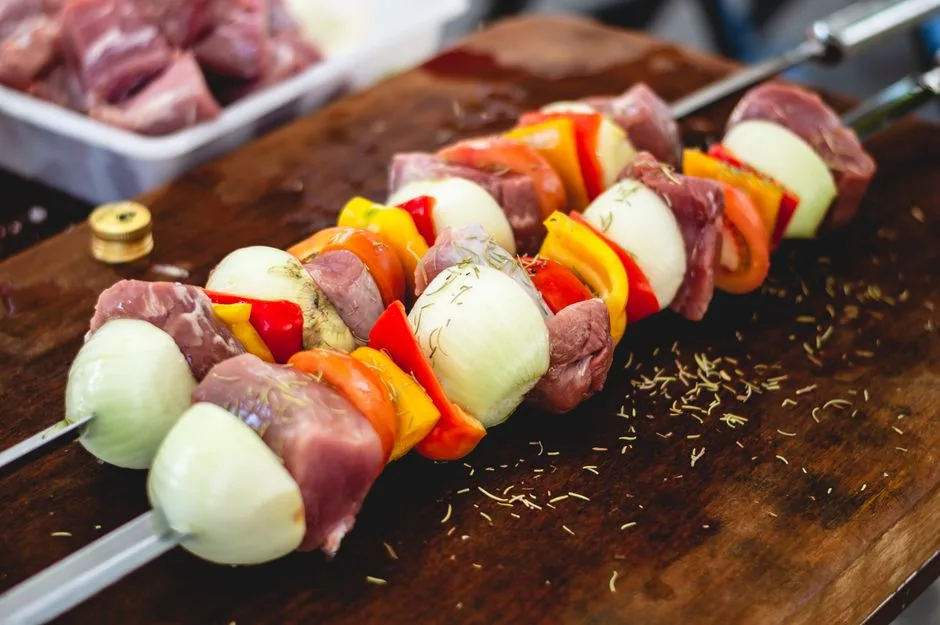
Why a churrascaria feels like a ritual
Walking into a churrascaria in brazil is not the same as stepping into a steakhouse elsewhere. The noise, the rhythm of servers moving with long skewers, the scent of fire and coarse salt—everything works together like choreography. Churrascarias grew out of the gaúcho tradition in the South (think rio grande do Sul) where meat over open flame is not just food but identity. That history means there’s a set of small, often unspoken behaviors that make the whole experience flow. Learn them and you stop being a tourist who points at everything; you start eating like someone who’s been doing it for years.
Rodízio, espeto corrido, and what the menu price actually covers
First: understand the system. Many places use rodízio (fixed price, come-as-you-like service) or espeto corrido (skewers circulate continuously). The price usually includes the fixed salad bar and hot sides plus unlimited rounds of meat delivered to the table. Drinks and desserts are typically extra. Before you sit down, glance at the layout: is there a salad buffet? Is the rodízio sign on the table a card or a small disc? Those simple things tell you whether that attractive-looking baked cassava or that sizzling pão de alho costs extra—or is part of what you already paid for.
Read the table signal like a local
One of the first unspoken rules: watch the table signal. Most churrascarias provide a two-sided card or disk—green on one side, red on the other. Green means “bring more,” red means “pause.” Flip it with confidence. If the card is green and a server passes with picanha, they will slice it directly onto your plate. If you want to stop after one piece, flip to red while they are slicing rather than after the server has started heading your way. Some upscale houses use small electronic lights or tokens, but the idea is the same: you control the flow. If you ever doubt, ask your server, but for the most part green = yes, red = stop.
How to handle the meat parade
Meat arrives on large skewers and is carved at your table by the passadores—servers trained to slice hot meat efficiently. Don’t reach for the skewer. Let the passador carve onto your plate; taking the skewer is considered a faux pas. Use the plate you were given to create a small stack of meats rather than piling pieces directly on top of one another. Take a bite or two before taking more; servers read your pace and will adjust. If a particular cut’s seasoning is heavier than you like, ask politely for a thinner slice or request “menos sal” (less salt).

Which cuts to prioritize—and which to skip first
Picanha is the star for many Brazilians: a cap of fat delivers flavor and juiciness. If you love beef, make space in your rhythm so you can enjoy picanha when it passes. But variety is the point of rodízio. Start with leaner cuts like alcatra (top sirloin) or fraldinha (flank) to warm your palate, then move toward fattier, richer cuts such as maminha and picanha. Save room for specialties: cupim (hump) is a Rio Grande do Sul favorite, and coração de frango (chicken hearts) show up often—small, intense, and a staple among locals. If you don’t like a particular item, simply decline; servers will not be offended. They carve all night and their goal is to leave you satisfied, not overstuffed.
Mastering the salad bar and side dishes
Many foreigners assume the salad buffet is just filler. That’s a mistake. Brazilian salad bars are often extensive: pickled vegetables, feijoada accompaniments in some regions, fresh lettuce, and made-to-order hot vegetables. Farofa (toasted manioc flour) is a must-try—sprinkle a little on your meat for texture. Vinagrete (a chunky vinaigrette of tomato, onion, and vinegar) gives a bright contrast to rich cuts. Pão de alho (garlic bread) and cheesy polenta are common hot sides. Take reasonable portions—you can go back—but don’t load a large plate with salads and then expect the staff to stop serving meats because you’re full. The flow of the rodízio is cooperative; match your plate size to your appetite.
How to manage dietary restrictions without awkwardness
If you’re vegetarian, vegan, or allergic to a common ingredient, tell the staff when you sit down. Say it clearly: “I don’t eat red meat” or “I have a shellfish allergy.” Many churrascarias can adapt—salad-bar items, grilled vegetables, and sometimes queijo coalho (grilled cheese) are available—but be realistic: rodízio centers on grilled meats. For gluttons who are selective carnivores, ask for specific cuts by name: “Só picanha, por favor” (Only picanha, please) or “Só frango” (Only chicken). Servers are used to accommodating special requests quietly and efficiently.
Eating pace: why slow wins
Brazilian meals, especially at a churrascaria, are social events that can last well over an hour. Locals pace themselves because the best meats arrive repeatedly and you want to be able to taste lots of things. Keep conversation going. Chew, sip, and then indicate more if you want it. Rapid, continuous consumption looks like someone overeating and can make servers think you actually want an endless stream of slices. A relaxed tempo signals that you appreciate the food and want to sample widely—exactly the outcome the kitchen prefers.
Table manners with the passador
Respect and small courtesies go a long way. When a passador approaches, a quick “Obrigado” or “Obrigada” after they hand you meat is enough. Avoid asking them to hold the skewer or to get off balance; they move fast and have practiced flow. If you want a piece trimmed unusually thin or if you want the fat removed, mention it politely before they start to slice. If someone at your table is sharing from one plate, keep in mind many Brazilians consider communal tasting normal; still, use serving utensils from the salad bar rather than fingers or personal forks to pass around food.
Drinks, pairings, and when to order them
Pairing in Brazil is simple: a cold draft beer (chopp) cuts the fat, red wine complements stronger cuts, and a caipirinha is a festive choice if you want a true local touch. If you choose wine, lighter, fruit-forward reds are popular—Cabernet-family wines can overpower. Ask if the house has a local choice; many restaurants offer domestic wines from Rio Grande do Sul or imported options with meat-friendly profiles. Order drinks as you like, but usually one round before the main meat service begins sets the tone. If you’re ordering cocktails, remember tropical drinks can be potent—pace them as you do the food.
Children, sharing plates, and family-style dining
Churrascarias are family-friendly by nature. Brazilians often bring children early to dinners so they can eat before bedtime. If you travel with kids, they will be welcomed, and many places offer children’s pricing for rodízio. Teach kids basic rules: don’t grab the skewer, wash hands before the buffet, and take moderate helpings. Families frequently share large plates of side dishes and pick and pass smaller portions of meat for younger eaters. Servers are used to this and will happily slice small portions for little mouths.
Paying the bill and tipping without stress
Check the bill for a service charge (serviço) that is often 10–12%. In many establishments it’s included by default—look for it on your receipt. If service isn’t included, a 10% tip is normal. Cash tips handed directly to a server are sometimes preferred but not expected; you can also leave an extra percentage on the card. When asking for the bill, say “A conta, por favor.” Most places will bring a card machine to your table; at busier rodízios a quick check with the host before paying avoids confusion about what’s included and what’s extra.

Regional differences worth knowing
Brazil is large, and the churrascaria experience varies by region. In Rio Grande do Sul and much of the South, expect a stronger emphasis on simpler, salt-seasoned cuts grilled over coal; the gaúcho style celebrates the meat’s natural flavor. In São Paulo you’ll find more fusion and variation—Brazilian cuts alongside international influences and sometimes a broader wine list. Coastal cities like Rio de Janeiro include more seafood options in their buffets and occasionally in the rotating skewers. Always observe nearby locals: if they order a particular side or ask for a cut by name, that’s a practical clue about what this specific house does best.
What to wear and what to bring
Dress tends to be casual to smart-casual. Some higher-end churrascarias in big cities like São Paulo lean toward business attire in the evenings, but most places accept jeans and a nice shirt. Avoid items that trap smoke smell if you have an important meeting later—grilled meat scent lingers. Bring small bills or a card for easy tipping and a second bag if you plan to take leftovers; some restaurants will pack up uneaten portions for you, but verify their policy first.
How to handle leftovers and take-home etiquette
It’s perfectly acceptable to take leftovers home, though extremely rare in rodízio contexts because most people clear their plates. If you want to take meat home, ask the server to pack it. In many places the kitchen will wrap slices and provide containers. If you’re sharing leftovers with a friend or eating on the go, be mindful of refrigeration times—meat left at room temperature in hot climates spoils quickly. Ask your server for recommendations if you plan to save food for later.
Secret menu items and local favorites
Some churrascarias keep small surprises off the main line: a specialty sausage blend, a regional cut, or a house marinade. If you want to know what’s not on the buffet, ask the server what locals often request. Phrases like “tem alguma especialidade da casa?” (Do you have any house specialties?) will yield useful answers. You’ll quickly discover that every city and every house has a small signature touch—maybe an herb rub on the lamb or a smoky pepper glaze on the pork belly—things that regulars look forward to.
Common faux pas that visitors make
Avoid these mistakes: flipping the table card without looking, grabbing the skewer, piling your plate so high it’s rude, asking for meat to be cut at the carving station, and assuming the buffet items are unlimited take-home portions. Also, don’t expect every server to be eager for long conversations about cuts—they are constantly moving and carving. A brief friendly exchange in Portuguese (“Obrigado!” is always welcome) is more appreciated than launching into a long grilling technique quiz at peak service time.
Final practical checklist before you go
Before you walk into a churrascaria: bring an appetite, learn a few Portuguese phrases (“A conta, por favor,” “Só picanha, por favor,” “Pode parar, obrigado”), check whether the price includes the buffet and service, plan for a leisurely meal, and keep an open mind about offal and regional cuts. With those pieces in place you’ll enjoy the social rhythm of a Brazilian churrascaria: meat arrives, conversation flows, and strangers at nearby tables often smile at the shared pleasure of a good grill.
Parting note (that isn’t a summary)
Eating at a churrascaria is participation. It’s not just what you eat but how you eat it—play along with the table card, respect the passadores, savor a variety of cuts, and let the pace be measured. Whether you’re in a rustic house in Porto Alegre or a polished rodízio in São Paulo, these unspoken rules help you blend in and truly enjoy one of Brazil’s proudest culinary traditions.