
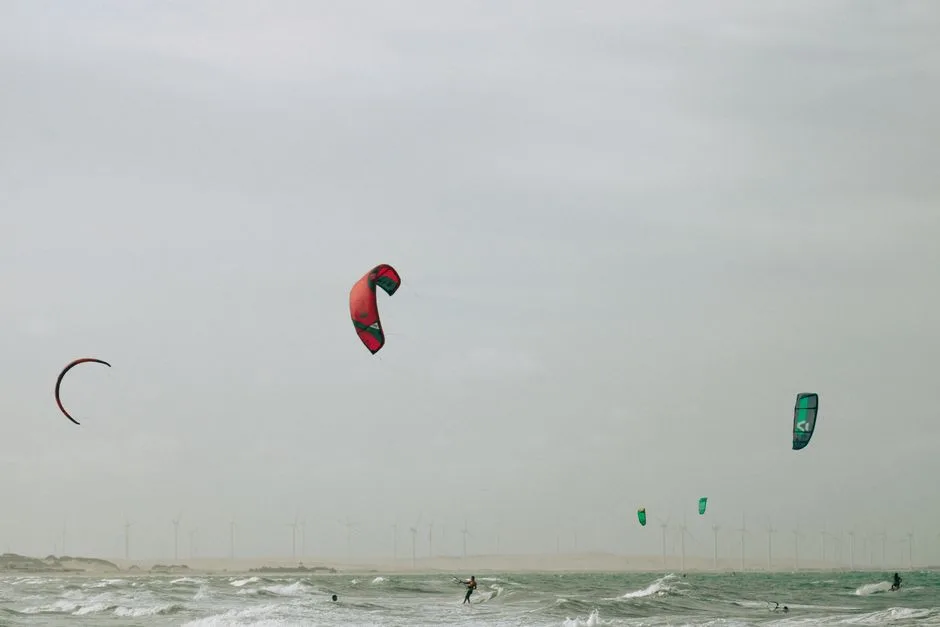
Wind slammed my harness before my feet found the board. I remember thinking: if the wind is like this now, tomorrow will be ridiculous. That was my second morning in Preá — a raw, sunburnt start to a week that would take me across lagoons, sand tracks and a tiny town that scrapes the sky with a rock arch. If you love kitesurfing, Ceará is not a postcard; it’s a stubborn, breathless invitation. I’ll tell you how to accept it for seven days without wasting a single wind window.
How I usually time a week here
I travel to Ceará for a single reason: consistent side-on winds and spots that change character with the tide. I plan trips around the wind season — July through December is what locals will tell you if you ask — and I arrive with one clear rule: start where the wind is clean and predictable (Preá), then move toward spectacle (Jericoacoara). The order matters. You want to build confidence and muscle memory before you chase waves and downwind slices near the national park.
Arrival logistics: where to land and how to get moving
Fly into Fortaleza (Pinto Martins International Airport). That’s the real gateway for kitesurfers. From the airport you have three sensible options to reach the north coast: rent a car (gives you freedom), book a shuttle (less driving stress), or take a regional bus to the towns that serve as gateways. I rent a small 4×4 when I’m hauling gear; sand tracks and unpaved roads reward a little extra clearance.
Your first night is usually in the town nearest Preá or in Fortaleza if you arrive late. If you fly in the morning, aim to be at Preá by afternoon. That gives you time to meet a school, check gear and get a quick session in before the wind dies with the sunset.
Day 1 — Touchdown, kit check, and a mellow warm-up
When you arrive at Preá, walk straight to the beach before checking into anything fancy. The moment you see kites dotting the horizon and strips of wind scuffing the water, you’ll know whether the forecast was honest. I always introduce myself to a local instructor — not to be needy, but because their read on the wind and tide will save you a lot of trial and error.
Your priorities on day one are simple: tune your gear, find a safe launch area and get a half-hour session to shake off travel stiffness. If you’re arriving with a new board or harness, use this session to re-adjust. Local instructors will test your bar, quick-release and lines for you; trust them. They’ve seen gear failures you haven’t even imagined.

Where to stay in Preá
Pousadas in Preá range from scrubby beach houses to well-run guesthouses with fans, cold showers and breakfast included. I prefer a place with a secure spot to store gear overnight; sand and salty air are relentless. The pousadas closest to the main launch make it possible to walk to your kite every morning with coffee in one hand and pump in the other.
Day 2 — Focus on fundamentals: waterstarts and edge control
Preá is an excellent spot for focused practice. The wind tends to be steady and side-on, which is a kitesurfer’s dream for building consistent edge control. If you’re still nailing waterstarts, book a longer lesson today. If you’re intermediate, practice carving downwind runs and quick upwind returns. I use this day to test different board stance widths and to experiment with a slightly smaller kite if the wind is gusty; subtle tweaks here pay dividends later.
Practical drills that improve fast
- Short runs out and immediate body-drag back to practice relaunching and self-rescue techniques.
- Edge-release drills: hold a steady edge for 10–20 seconds, then depower and return. It trains muscle memory for gusts.
- Transition practice in shallow, protected water if you can find it: feel the board change direction without full commitment to a jump.
If it’s calm in the late afternoon, walk the beach. The coastline around Preá is not polished. It’s honest. Street vendors sell tapioca and cold coconuts; fishermen mend nets. That’s part of what I love: the sport sits inside local life rather than replacing it.
Day 3 — Explore downwinds and nearby lagoons
Today you stop repeating the same shallow circuit and start exploring. There are downwind runs that are approachable from Preá — nothing long and committing, but enough to practice transitions, pack changes and managing speed on a race toward a quiet lagoon. Find an instructor who knows local channels and tidal behavior. Tides change the game here: a channel at low tide can be a flat, mirror-like playground an hour later and a strong current the next.
Plan for two sessions: a morning session when water is glassier and a late-afternoon session when wind often ramps up. Bring a repair kit: a spare valve wrench, patches, and a pump. You will not appreciate being two hours from a shop when a zipper pops or a bladder slips.
Lunch and downtime tips
Eat like a local. Dishes centered on fresh seafood and cassava are everywhere. I order small plates throughout the day instead of a big sit-down lunch — it’s easier to fit in a midday nap before the stronger afternoon wind. And buy sunscreen at a local mercado: it’s cheaper and the staff will recommend a water-resistant type that stands up to long sessions.
Day 4 — Move south toward Jericoacoara; treat the transfer as part of the adventure
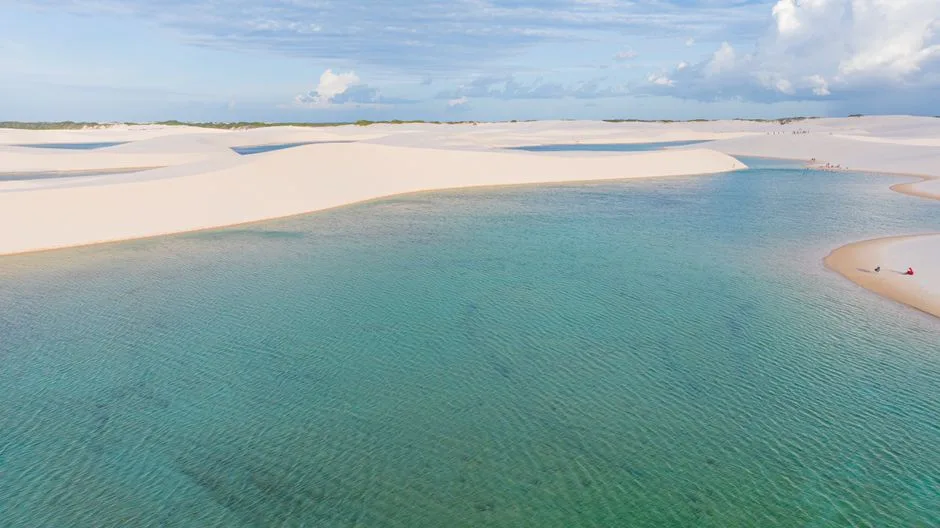
Leaving Preá and heading for Jericoacoara is not just a point-to-point transfer. It’s a shift in landscape and in priorities. You’ll trade the broad, accessible beaches of Preá for the sculpted dunes, lagoons and the sandy maze that leads into Jeri. The sensible route is to drive or take a shuttle toward Jijoca de Jericoacoara, park or hand off your vehicle and finish the last stretch by 4×4. Vehicles without a little lift will struggle in places; the sand does not negotiate.
Expect the drive to charm you. The coastline throws little surprises: salt flats, small villages, and eventual dunes that mark your arrival. I like to stop for fresh seafood at a wayside stand — grilled fish, cassava, lime — before the final sand track into town. Save your energy: the next two days in Jeri can be busy.
Day 5 — Jeri’s playground: waves, wind and the national park vibe
Jericoacoara is famous for a reason. It’s rugged and photogenic: a sleepy town thrust into a landscape of dunes and a rock arch called Pedra Furada. The wind here can be stronger and more gusty, and the spots change dramatically with tide and swell. If you’ve spent the last three days honing edge control and transitions, you’ll be ready to add speed and creativity.
There are three kinds of sessions I schedule here, depending on the conditions:
- Flat-water freeride in protected lagoons (great for carving and technical moves).
- Wave sessions along the beachbreak — not for beginners, but fun for confident riders looking to hit small, punchy waves.
- Downwind runs that take you past dramatic dune formations and into quiet corners where you might be the only rider for miles.
At low tide some sections expose sandbanks that create fast, clean waves. At other times the swell refracts into playful peaks that reward timing. Local instructors will show you where the rip currents gather; obey their guidance. I once underestimated a rip near the south point and learned the hard way how quickly conditions can change when tide and swell align.
Nightlife in Jericoacoara — music and restaurants
After dark Jeri wakes with a gentle, pleasing rhythm. Forró bands play on dirt streets, and small bars serve seafood stews and tapioca filled with cheese and coconut. There is no need for flashy clubs here; nights are about small crowds, open-air music and barefoot walks back through the sand. Try to catch a sunset from the Duna do Pôr do Sol — people gather with guitars, beers and a certain hush. The view will remind you why kitesurfers keep coming back.

Day 6 — Advanced practice: wave riding and jumps
Assuming the wind cooperates, dedicate this day to advanced moves. Wave riding in Jeri can be forgiving if you pick your line. Work on board control off the top of the wave, small airs into the lip and controlled landings. If you’re chasing height, practice progressive jumps with a safe landing zone and a spotter on shore. Respect the crowd: in Jeri, spots are shared and local riders have a strong sense of etiquette.
A simple drill for better wave performance
Start on a slow, controlled upwind edge into the wave. Time your pop to the steepest part of the face, then spot the landing and soften your knees. Repeat the same wave five times. You’ll be surprised how much muscle memory builds in a short sequence. My rule: three bold attempts, then bring it home with one clean run. It keeps mistakes from becoming habit.
Day 7 — Quiet session, town errands and one last perfect run
On your final day, do a short morning session that focuses on quality, not quantity. The temptation is to chase a long final session, but fatigue increases the chance of mistakes. Take a relaxed last run and then spend time fixing any small gear issues before you pack. If you’re flying out the next day, hand your board to a local workshop for a quick check. They’re meticulous and will prime valves, straps and fins so you leave with less stress.
Use the late afternoon for a slow walk through town. Buy a handmade bracelet, try a dessert you didn’t sample earlier, and chat with a local instructor about conditions for your group tomorrow. I always ask for a single local recommendation — the name of a quieter beach, a bakery or a place to see the sea at dawn. Those small details become the texture of the trip.
Practical packing and gear checklist
Here’s what I don’t leave Ceará without:
- Quiver that covers strong and light winds: a smaller kite for gusty days, a larger one for lighter afternoons (choose sizes that fit your weight and experience).
- Quick-release knowledge: practice at home before travel.
- Spare fin and strap set, bladder repair kit, and a small tool roll (valve wrench, multi-tool).
- Sun kit: high-SPF waterproof sunscreen, lip balm, and a wide-brim hat for post-session recovery.
- Light travel towel, rashguard and a pair of reef booties for rocky entry points.
- Copies of travel documents and a small daypack for on-the-spot repairs and water.
Medical and safety notes
Bring a small first aid kit and a personal flotation device if you like extra security. If you have allergies or take prescription medication, stock enough for the whole trip; pharmacies in smaller towns are limited. If you want hospital-grade care, Fortaleza has the facilities; Jeri and Preá do not. I once needed a tetanus booster after a careless scrape on a hidden shell; plan ahead so an inconvenience doesn’t become a medical scramble.
Practical money matters and local manners
Carry some cash. Many small restaurants and markets accept card payments, but small vendors prefer notes. If you’re paying for lessons or boat transfers, discuss rates clearly before the session; bargaining is part of the local culture but there’s an unspoken etiquette: be fair and remember that small operations run on thin margins.
Portuguese courtesy goes a long way. Learn simple phrases: “obrigado/obrigada,” “por favor,” “com licença.” I say them even when my accent is comic — people appreciate the effort and you’ll get faster, friendlier service. Be respectful on the beach: clean up after yourself, avoid crowds where people are sunbathing, and don’t leave gear scattered across public sand paths.
A few mistakes I see often (and how to avoid them)
Newcomers make the same avoidable errors. Here are the ones that cost the most time and frustration:
- Underestimating the beach walk: in high tide, you may need to carry gear longer than expected. Bring a wheeled bag or plan for a helper.
- Not checking the tide: some launch areas become risky at particular tidal states. Ask a local before committing to a long downwind.
- Overpacking kites: it’s tempting to bring an entire quiver, but lugging heavy gear across sand and narrow trails hurts morale. Pick versatile sizes and hire a local extra if needed.
- Forgetting to secure lines when you’re done: one gust can spool a kite into the dunes. Anchor it or deflate and pack quickly.
Why I keep returning
It’s not only the kiteable miles. It’s that the rhythm of wind, sea and sand in Ceará respects the kitesurfer’s timeline: decent wind most afternoons, forgiving beaches and a local culture that tolerates salt-crusted people with ridiculous tans. It’s also a place where you can learn quickly and move on to bolder lines without spending weeks acclimating. I leave with enough new tricks to feel accomplished and a promise to return when the wind swings back around.
Final logistical note — tickets and timing
Plan travel so you’re not fighting airport crowds on departure day. If your flight leaves in the morning, arrange transport to Fortaleza the evening before. That avoided panic is worth the small extra expense. Before you go, send a message to your accommodation or favorite instructor to confirm pick-up times and any gear storage after check-out. On my worst travel days, that single message fixed a potential gear loss and spared me a frantic afternoon.
If you leave one thing behind during this week—whether it’s a new trick, a sunburn line or a friendship with a local chef—make that thing be learning the peculiar cadence of Ceará. It’s not a checklist; it’s an invitation to come back with more time, more wind and maybe a slightly larger kite for the light days. Book a ticket when the forecast looks honest and don’t overplan: leave room for a surprise downwind run that becomes the memory you come home with.