

- The Unspoken Rules of Brazilian Hospitality
- The Famous 'Dez Por Cento' in Restaurants
- Coffee Shops and Casual Bites
- Your Home Away From Home: Hotel Etiquette
- Navigating the Great Outdoors: Tours and Guides
- On the Move: Taxis, Ubers, and Deliveries
- Beauty and Personal Care
- The Logistics of Showing Gratitude
- Cultural Nuances to Keep in Mind
The Unspoken Rules of Brazilian Hospitality
Stepping off a plane in brazil, you are immediately greeted by a sensory overload: the humid air, the rhythmic cadence of portuguese, and the palpable warmth of the people. But as you settle into your first meal or check into your boutique hotel, a common traveler’s anxiety often creeps in: how much should I tip? Unlike the rigid tipping culture of the United States or the ‘no tip necessary’ atmosphere of Japan, Brazil sits in a comfortable, yet sometimes confusing, middle ground. navigating these social waters doesn’t have to be stressful. In fact, once you understand the logic behind the local customs, you’ll find that showing your appreciation for great service is straightforward and genuinely appreciated.
The first thing to understand about Brazil is that tipping is rarely viewed as a high-pressure obligation. Instead, it is a gesture of goodwill or a standard administrative addition to your bill. Brazilians are naturally hospitable people, and while the service industry is a massive part of the economy, the way workers are compensated differs significantly from other Western nations. Understanding the ‘why’ behind the ‘how much’ will help you feel like a local rather than a lost tourist.
The Famous ‘Dez Por Cento’ in Restaurants
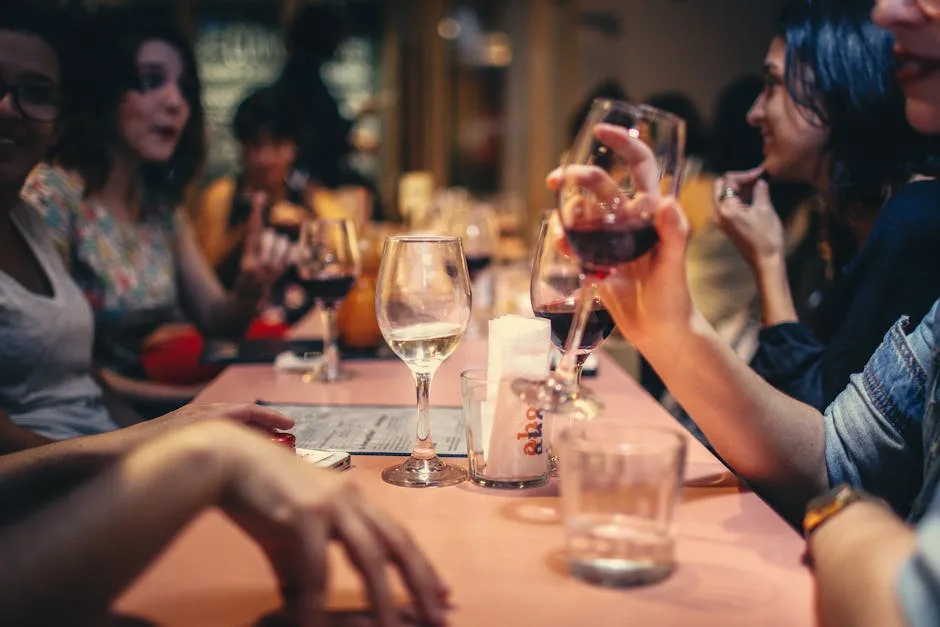
If you have ever dined out in Rio de Janeiro or São Paulo, you might have noticed a line item on your bill labeled ‘taxa de serviço.’ This is the famous ‘10%,’ and it is the cornerstone of the Brazilian dining experience. In the vast majority of sit-down restaurants, a 10% service charge is automatically added to the total. It is important to know that while this is technically optional by law, it is socially expected to pay it. It is very rare for a local to ask for this fee to be removed unless the service was exceptionally poor.
In recent years, especially in high-end establishments in major cities, you might see this percentage creep up to 12% or even 13%. This reflects the rising cost of living and a shift toward more international standards. When you pay your bill, the waiter will usually bring a portable card machine to your table. You simply confirm the total (including the service charge) and tap your card.

If the service was truly above and beyond—perhaps the waiter helped you navigate a complex menu or went out of his way to accommodate a dietary restriction—leaving an extra 5 or 10 Reais in cash on the table is a lovely gesture, though it is by no means expected.
Coffee Shops and Casual Bites
At a ‘padaria’ (the beloved Brazilian bakery/coffee shop hybrid) or a casual juice bar, the rules are much more relaxed. If you are standing at the counter for a quick ‘cafezinho’ or a pão de queijo, there is no need to tip. However, most of these places have a small jar near the cash register. Dropping your small change or a couple of Reais into the jar is a common practice among locals. It’s a small way to say ‘thanks’ for the quick service, and it helps the staff at the end of the shift.
Your Home Away From Home: Hotel Etiquette
When you arrive at your hotel, the tipping landscape shifts slightly from the restaurant model. Here, tips are more individual and performance-based. When the bellhop helps you with your luggage, a tip of 5 to 10 Reais per bag is standard. If you are staying at a luxury resort where the staff is managing multiple heavy suitcases, leaning toward the higher end of that scale is appropriate. It is always helpful to keep some small denominations of Brazilian Real (BRL) in your pocket for these moments.
For the housekeeping staff, tipping is not mandatory, but it is a kind way to recognize the hard work that goes into keeping your room pristine. Leaving 5 to 10 Reais on the pillow or a desk at the end of your stay—or daily if you prefer—is a great way to show gratitude. If you are using the hotel concierge for complex bookings or securing a table at a ‘sold out’ restaurant, a tip of 20 to 50 Reais is a generous way to acknowledge their local expertise and effort.

Navigating the Great Outdoors: Tours and Guides
Brazil is a land of breathtaking landscapes, from the Amazon rainforest to the rolling dunes of Lençóis Maranhenses. Most travelers will find themselves on a guided tour at some point. Tipping your guide is one of the most direct ways to support the local tourism economy. For a full-day group tour, a tip of 20 to 50 Reais per person is a solid benchmark. If you have booked a private guide who has spent the entire day curating an experience specifically for you, a higher tip (around 10% to 15% of the total tour cost) is more appropriate.
Don’t forget the drivers. Often, tours involve a separate driver and a guide. If the driver was professional, safe, and helped with your gear, a small tip of 10 to 20 Reais is a nice touch. It shows that you value their role in your safety and comfort. In boat tours, which are common in places like Angra dos Reis or the Amazon, there is often a tip box for the entire crew. Contributing to this is the easiest way to ensure everyone from the captain to the deckhand gets a share of the appreciation.
On the Move: Taxis, Ubers, and Deliveries
When it comes to transportation, tipping is less formal. For standard taxis, most people simply round up the fare. If the meter says 27.50 Reais, giving the driver 30 Reais and telling them to ‘keep the change’ (pode ficar com o troco) is common practice. If the driver helped you with heavy luggage, adding an extra 5 Reais is a polite way to say thank you. For Uber and other ride-sharing apps, tipping is handled within the app after the ride. While not required, a small tip for a clean car and a pleasant conversation is always appreciated by the drivers.
If you find yourself staying in an Airbnb and ordering food through apps like iFood, the delivery riders (motoboys) work incredibly hard, often in heavy traffic or rain. Tipping them 2 to 5 Reais through the app or in cash is highly recommended. These small amounts make a significant difference in their daily earnings and are a staple of urban Brazilian life.
Beauty and Personal Care
Brazilians take great pride in their appearance, and the country has a thriving beauty industry. Whether you are getting a famous Brazilian manicure or a haircut at a local ‘barbearia,’ tipping is customary but modest. In a salon, it is common to tip the person who performed the service about 10% of the total. If a different person washed your hair, giving them a small direct tip of 5 Reais is a thoughtful gesture. Because these services are often quite affordable in Brazil compared to the US or Europe, these small tips go a long way in building rapport with your stylist.
The Logistics of Showing Gratitude
One of the most practical questions travelers have is: cash or card? While Brazil has a very advanced banking system and cards (including contactless payments) are accepted almost everywhere—even by beach vendors—tips are often best handled in cash. When you pay a 10% service charge on a credit card at a restaurant, the money goes to the establishment first before being distributed to the staff. If you want to ensure a specific person receives your tip immediately, ‘cash is king.’
Always try to tip in the local currency, the Brazilian Real. While some luxury hotels might accept US Dollars or Euros, it creates an extra chore for the worker who then has to find a place to exchange the money, often at a poor rate. Keeping a stash of 2, 5, and 10 Reais notes in your wallet will make your tipping experiences smooth and stress-free. Also, remember that a smile and a ‘muito obrigado’ (or ‘muita obrigada’ if you identify as female) are just as important as the money. Brazilians value personal connection and genuine politeness.
Cultural Nuances to Keep in Mind
It is worth noting that tipping should never feel like a transaction of power. In Brazil, service is seen as a social interaction. You aren’t just a customer; you’re a guest. This means that tips are given in the spirit of ‘partnership.’ If you ever feel unsure, look at what the locals are doing. You will notice that Brazilians are generally relaxed about it. They don’t overthink the math; they give what feels right based on the quality of the moment.
By following these guidelines, you’ll not only ensure that the hard-working people in Brazil’s service industry are fairly compensated, but you’ll also move through the country with the confidence of a seasoned traveler. Whether you’re sipping a caipirinha on Ipanema Beach or trekking through the jungle, knowing the etiquette of the ‘dez por cento’ allows you to focus on what really matters: soaking in the incredible culture and beauty of Brazil.