
- That Mysterious Word You Hear Everywhere
- The Nuts and Bolts: How Pix Actually Works
- Can a Tourist Actually Use Pix?
- When Someone Asks for Pix and You’re Armed with Plastic
- Workarounds and Digital Wallets for Foreigners
- Understanding the QR Code Culture
- Security and Peace of Mind While Paying
- Blending In and Enjoying the Ride
You’ve just landed in brazil. The air is warm, the music is vibrant, and you’re ready to dive into the local culture. You head to a beach stall in Rio for a refreshing coconut water or wander through a street market in São paulo looking for the perfect souvenir. When it comes time to pay, the vendor doesn’t reach for a card machine first. Instead, they point to a small sign with a QR code and ask, “Aceita Pix?” or “Tem Pix?” If you feel a bit confused, don’t worry—you’re not alone. This three-letter word has completely transformed the way Brazilians handle money, and while it might seem like a barrier for travelers, understanding how it works will make your trip much smoother.
That Mysterious Word You Hear Everywhere
Pix isn’t just a payment method; it’s a national obsession. Launched by the Central Bank of Brazil in late 2020, it is an instant payment system that works 24/7, 365 days a year. It’s fast, free for individuals, and happens entirely through smartphone apps. Within seconds, money moves from one person to another without the need for physical cash or the delays of traditional bank transfers. For locals, it has largely replaced everything from coins to credit cards for small daily transactions. You’ll see those colorful QR codes on everything from high-end restaurant menus to the carts of street vendors selling grilled cheese on the sand.

The reason it’s so popular is simple: it’s instantaneous. When a vendor receives a Pix payment, the money is in their account before you’ve even put your phone back in your pocket. This has been a game-changer for small business owners who used to wait days for credit card settlements or deal with the security risks of carrying large amounts of cash.
The Nuts and Bolts: How Pix Actually Works
The magic of Pix lies in its simplicity for the user. Instead of long account numbers and branch codes, Pix uses what are called “Keys” (or Chaves Pix). These keys are identifiers linked to a bank account. A key can be a person’s CPF (taxpayer ID), their email address, their phone number, or a “Random Key” (a long string of alphanumeric characters). When someone wants you to pay them, they might tell you their phone number or simply show you a QR code. There are two types of QR codes you’ll encounter: static and dynamic. A static QR code is usually printed on a sticker or a piece of paper and can be used for multiple transactions. You scan it, enter the amount yourself, and hit send. A dynamic QR code is generated specifically for your purchase, often on a screen or a printed receipt, and it already includes the exact price. It’s incredibly efficient, but for a visitor, there is a catch that often leads to a bit of frustration at the checkout counter.
Can a Tourist Actually Use Pix?
This is the question every savvy traveler asks after seeing how convenient it is. The short answer is: it’s complicated. To use Pix directly, you generally need a Brazilian bank account, and to have a Brazilian bank account, you need a CPF (Cadastro de Pessoas Físicas), which is the Brazilian tax identification number. While foreigners can technically apply for a CPF, it’s a bureaucratic process that most people visiting for two weeks don’t want to deal with. Without a local account, you cannot simply download a Brazilian banking app like Nubank or Inter and start sending Pix. However, the landscape is changing. Some international fintech companies and digital wallets are beginning to integrate Pix-like features or partnerships that allow foreigners to pay via Pix by converting their home currency in real-time. For most tourists, however, you likely won’t have a Pix account of your own, and that’s perfectly okay. You just need to know how to navigate the situation when it’s the only payment method being suggested.
When Someone Asks for Pix and You’re Armed with Plastic
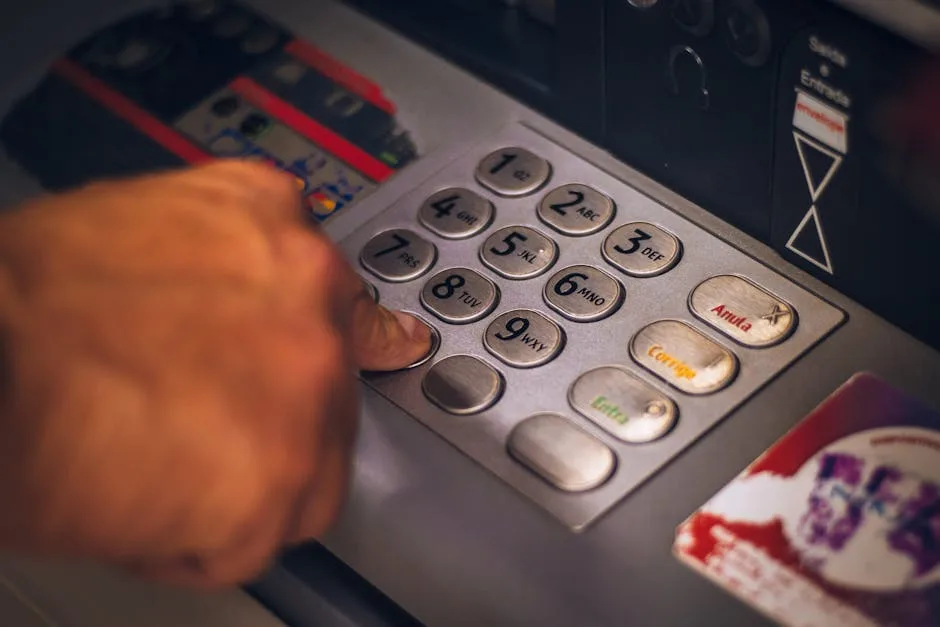
So, what do you do when the vendor asks “Pix?” and you only have your trusty travel credit card or a handful of Reais? First, don’t panic. Brazil has one of the most advanced credit card processing networks in the world. Even the smallest stalls usually have a “maquininha” (a small card reader). While vendors prefer Pix because it has zero fees for them, almost all of them will accept credit or debit cards if you ask. If a vendor says “Only Pix,” it’s often a preference rather than a hard rule, especially in tourist-heavy areas. A polite “Eu não tenho Pix, pode ser no cartão?” (I don’t have Pix, can it be on the card?) will usually result in them pulling a card reader out from under the counter.

In the rare case that they truly only accept Pix—perhaps at a very local neighborhood fair or a tiny remote village—cash remains your best backup. Having a few 10, 20, and 50 Real notes in your pocket is essential for those moments when technology doesn’t bridge the gap between your international bank and the local economy.
Workarounds and Digital Wallets for Foreigners
If you’re planning a longer stay or really want to embrace the digital lifestyle in Brazil, there are a few workarounds. Some travelers use services like Wise or Revolut, which are widely accepted in Brazil and offer great exchange rates. While these don’t currently offer a native Pix feature for non-residents, their cards work seamlessly in almost every maquininha in the country. Another option is looking into apps like Nomad or Avenue, which are designed for Brazilians but often have insights into the cross-border financial space. For the most part, though, the best “workaround” for a tourist is simply ensuring your international card is enabled for “Contactless” (NFC) payments. Most card readers in Brazil are equipped with this technology, and it’s often faster and more reliable than swiping or inserting a chip. Whether it’s Apple Pay, Google Pay, or a physical card, the “tap and pay” method is the closest you’ll get to the speed of Pix without needing a Brazilian tax ID.
Understanding the QR Code Culture
As you walk through the streets, you’ll notice QR codes everywhere. They aren’t just for payments; they are for menus, Instagram profiles, and even Wi-Fi passwords. When it comes to Pix, the QR code is the bridge. If you see a merchant with a QR code prominently displayed, it’s a sign that they are part of the modern Brazilian economy. If you are traveling with a Brazilian friend, you can easily pay them back for dinner using cash or by buying the next round, and they can handle the Pix payment for the group. This “social banking” is a huge part of life in Brazil. If you’re in a group, one person often pays the whole bill via Pix to get a discount (some places offer 5-10% off for Pix) and everyone else settles up later. Don’t be afraid to ask for a discount if you see a Pix sign—sometimes they will extend that same discount to you if you pay in cash, as it saves them the credit card processing fee just the same.
Security and Peace of Mind While Paying
Brazil is a beautiful country, but like any major tourist destination, it requires a bit of situational awareness. When using your phone to pay or scanning QR codes, be mindful of your surroundings. In crowded areas like Copacabana or the center of São Paulo, try not to keep your phone out for longer than necessary. If you’re using a digital wallet on your phone, ensure you have biometric locks (face ID or fingerprint) enabled. When paying with a card, never let the vendor take your card to a back room—the machine should always be brought to you, or you should go to the counter. This is standard practice in Brazil, and you’ll notice that waiters always bring the card reader to the table. Pix is generally very safe because it requires multiple layers of authentication within the banking app, but for tourists using cards, the same rules of travel safety apply: check the amount on the screen before you tap or enter your PIN, and keep an eye on your banking app for any unauthorized transactions.
Blending In and Enjoying the Ride
At the end of the day, Pix is just another part of the vibrant, fast-paced rhythm of Brazilian life. While you might not be sending “chaves” left and right, knowing what it is will help you feel more like a local and less like a confused visitor. You’ll understand why the line at the coffee shop is moving so fast and why the person ahead of you just showed their phone screen to the cashier instead of waiting for a receipt. Brazil is a country that embraces innovation, and Pix is the crown jewel of that spirit. So, pack your bags, brush up on a few Portuguese phrases, and don’t let the “Aceita Pix?” question catch you off guard. Whether you pay with a card, cash, or a digital wallet, the warmth of the Brazilian people and the beauty of the landscape remain the same. Just remember: a smile and a polite “Cartão, por favor” will get you exactly where you need to go.